


Three Panel Mirror
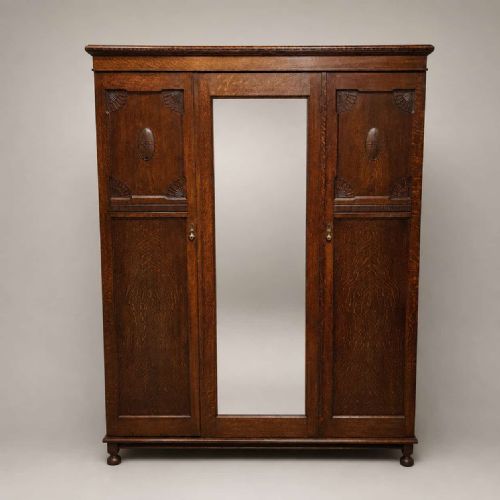
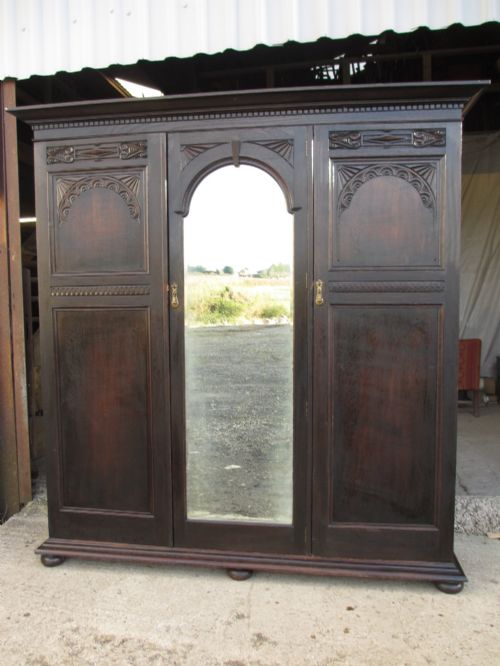
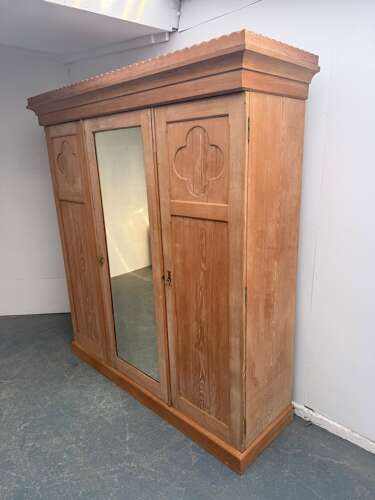
When you search for three panel mirror, you encounter overmantels, dressing mirrors and wardrobes spanning the Regency, Victorian and Edwardian eras.
Three Panel Mirror
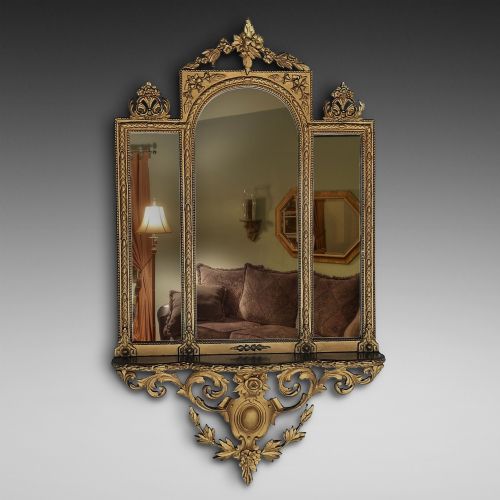
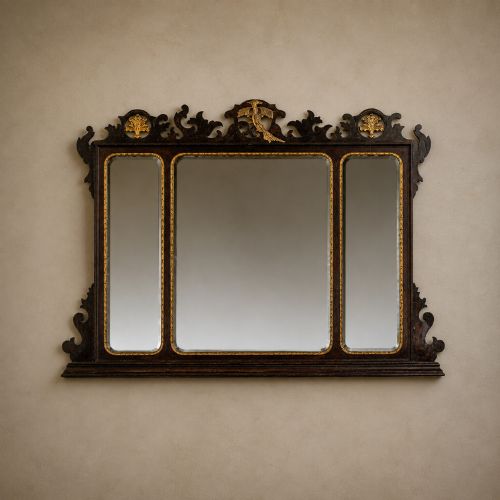
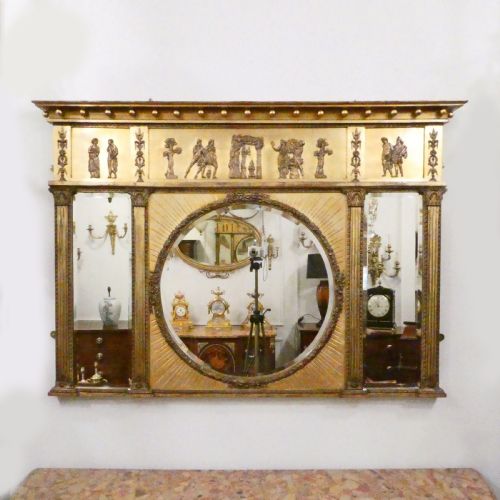
A three panel mirror divides its reflective surface across three distinct sections, often taking the form of a broad overmantel mirror designed to sit above a fireplace. These architectural pieces stretch horizontally to reflect light across a room, utilising giltwood, gesso and timber frames.
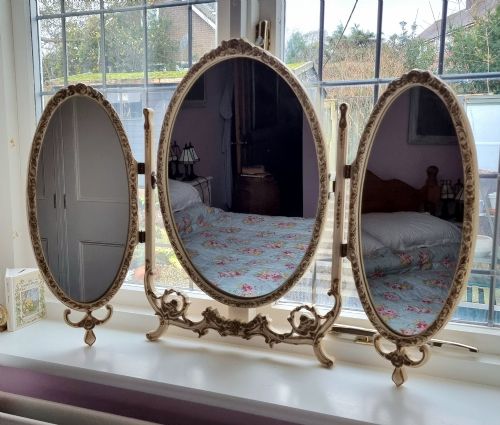
Beyond the mantel, the search encompasses folding dressing table mirrors and large wardrobe doors incorporating triple glass panels. The formatting spans styles from Regency and Victorian Rococo Revival to Arts and Crafts and Edwardian simplicity.
Originating predominantly from the nineteenth and early twentieth centuries, these objects balance decorative impact with domestic utility. The format allows both panoramic wall reflection and adjustable personal grooming angles.
Materials and construction methods
Makers built the structural frames using native and imported hardwoods including oak, walnut, mahogany and ash, alongside softer pine and composition mouldings. Giltwood and gesso surfaces received layers of gold leaf or paint over prepared grounds, sometimes accented with carved acanthus or bird motifs.
The mirror plates themselves consist of flat glass held within rebated wooden frames or secured behind decorative fretwork and columns. Heavier overmantels often employ multi-plate construction to span wide proportions without requiring excessively large single sheets of glass.
Three Panel Mirror Retail Price Guide 2026
Typical asking prices for three panel mirror among the pieces listed under this phrase on Sellingantiques today, from the lower quarter to the upper quarter. They describe what is for sale here now, not the wider market.
Several mirrors arrive accompanied by carved wooden squirrels and Ho-Ho birds perched atop the frames, keeping silent watch over the mantel.
Distinctions in quality
Quality rests upon the crispness of the carved or moulded ornamentation, from hand-chiselled mahogany details to cleanly struck composition ornament. The depth and clarity of the original gilding and the preservation of the silvering on the mirror plates elevate certain examples above standard production.
Structural integrity of the joints and the original condition of the timber frames dictate the longevity of each piece. Superior examples retain their original backing boards, unbroken crestings such as Ho-Ho birds, and stable frame mitres.
The Three Panel Mirror Glossary
- Overmantel mirror
- A large horizontal mirror designed specifically to be hung on the wall directly above a fireplace mantelpiece. These often incorporate multiple plate divisions and elaborate giltwood frames.
- Triptych
- A piece divided into three sections or panels, commonly applied here to dressing table mirrors with hinged side wings or triple-plate wall glasses. This layout permits angled viewing.
- Gesso
- A plaster-like material applied to wood frames as a smooth base for gilding or painting. Intricate relief ornaments were frequently pressed into this mixture.
- Giltwood
- Timber that has been coated with thin sheets of gold leaf. It defines the bright, reflective appearance of many Regency and Victorian frames.
Three Panel Mirror: Frequently Asked Questions
How do I hang a heavy overmantel mirror?
Heavy overmantel mirrors require secure fixing directly into wall studs or masonry using appropriate brackets suited to the weight of the timber and glass.
Because these pieces exert considerable downward pull, professional installation ensures the frame remains stable against the wall.
Where should I place a triple dressing mirror?
Triple dressing mirrors suit dressing tables or chest tops where the adjustable side panels can catch light from multiple angles.
Positioning them near a window maximises their ability to illuminate vanity spaces effectively.
How do I clean antique mirror glass?
Clean antique mirror glass gently with a soft microfibre cloth and a minimal amount of neutral glass cleaner sprayed onto the cloth rather than the glass.
Avoid letting moisture seep behind the edges of the plate, as old silvering is vulnerable to damp.
What is the difference between an overmantel and a wall mirror?
Overmantel mirrors are proportioned horizontally to fit the specific architectural space above a fireplace, often featuring landscape formats.
Standard wall mirrors generally follow vertical or square proportions suited for general room placement.