



Triptych Wall Mirror
A triptych wall mirror divides its reflective glass across three hinged or panelled sections, bringing architectural width and multiplied light into a room.
Triptych Wall Mirror
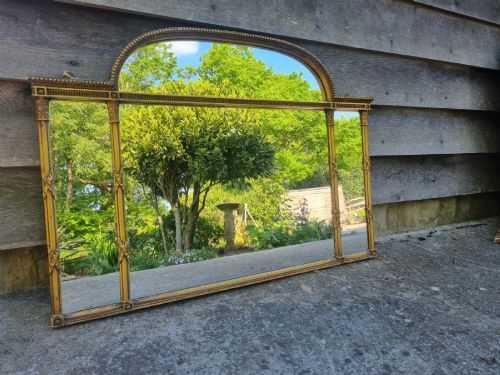
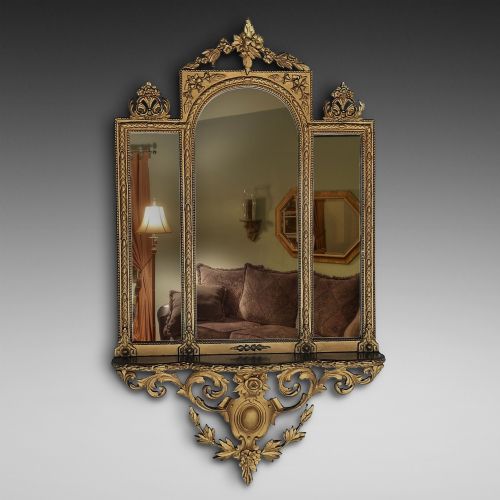
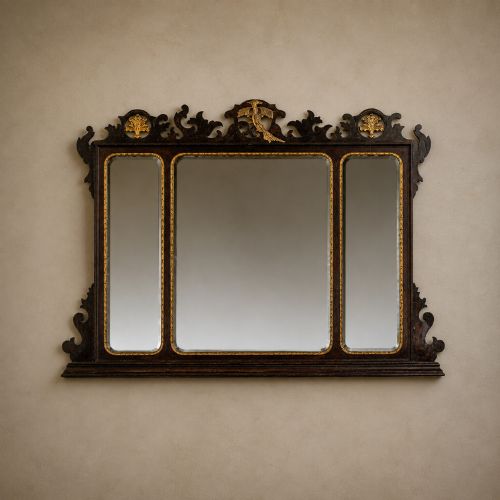
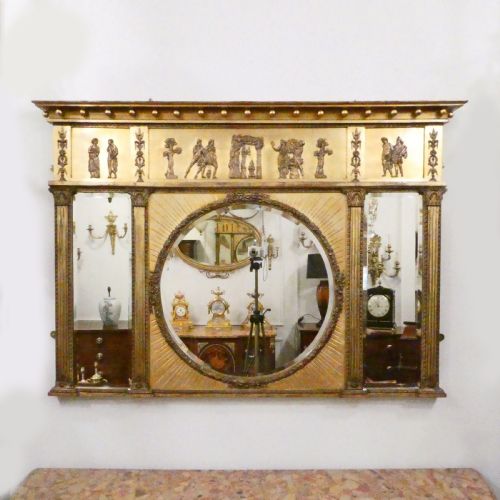
A triptych wall mirror organises reflection into three distinct sections, most frequently encountered in this selection as nineteenth-century overmantel mirrors designed to sit above a fireplace. These pieces divide the light across a principal central plate flanked by two narrower side panels, altering the visual proportions of an interior wall.
The materials and styles span from Regency giltwood and Victorian mahogany through to later oak and brass frames. Alongside traditional overmantel formats, the evidence shows wall-hanging dressing versions and adjustable triple mirrors which use the three-panel layout for practical dressing or grooming.
Victorian and Regency examples dominate the current selection, often incorporating revival aesthetics such as Chippendale or Rococo details. Carved crests, bird motifs and shaped tops frequently crown the central mirror plate, giving these large architectural objects a distinct focal presence.
Distinctions in construction and ornament
The depth and crispness of the carved ornament distinguish the work, particularly where composition mouldings meet hand-carved wooden details. Pieces featuring elaborate crests, such as carved birds or squirrels, demonstrate greater artisanal ambition than plain architectural mouldings.
The integrity of the original mirror glass and the tightness of the joints where the three panels meet indicate the standard of manufacture. Original silvering shows characteristic ageing that differs from replaced mirror plates, while the weight and solidity of the timber frame determine its stability on the wall.
Triptych Wall Mirror Retail Price Guide 2026
Typical asking prices for triptych wall mirror among the pieces listed under this phrase on Sellingantiques today, from the lower quarter to the upper quarter. They describe what is for sale here now, not the wider market.
The listings show nineteenth-century triptych wall mirrors predominantly framed in giltwood, alongside later twentieth-century oak and brass examples.
The Triptych Wall Mirror Glossary
- Triptych
- A mirror divided into three separate panels or hinged sections. The central plate is usually larger than the flanking wings.
- Overmantel mirror
- A large horizontal mirror designed specifically to be hung on the wall directly above a fireplace mantelpiece. They often reflect the length of the room.
- Giltwood
- Timber, commonly pine or softwoods, that has been prepared with gesso and covered in thin sheets of gold leaf. It creates a bright reflective surface that catches interior candlelight or daylight.
- Gesso
- A plaster-like mixture applied to wooden frames as a smooth base for gilding or painting. It allows intricate relief patterns to be moulded onto the wood.
- Composition
- A moulded paste of whiting, resin, glue and oil pressed into ornament. It was widely used as a quicker alternative to hand-carving decorative details on frames.
Triptych Wall Mirror: Frequently Asked Questions
How do I hang a heavy overmantel mirror?
These large framed pieces require secure fixing directly into wall studs or solid masonry using heavy-duty brackets suited to the weight of the timber and glass.
Because overmantel mirrors are wide and heavy, distributing the load across multiple fixing points prevents structural strain on the frame.
Were triptych mirrors always used above fireplaces?
While the majority function as overmantel mirrors, smaller variants were designed as dressing table accessories or wall-hanging pieces for bedrooms.
The three-panel format also appeared in adjustable folding forms intended for personal grooming rather than architectural room decoration.
How do I date a gilded wooden mirror?
Examining the timber behind the frame, the composition of the gesso layer and the style of the carving helps determine the period of manufacture.
Regency and Victorian pieces often display distinct revival motifs, such as Gothic arches or Rococo scrolls, which align with the prevailing taste of their decade.
Should original mirror glass be replaced?
Original glass often bears foxing and grey spots that confirm its age and authenticity. Collectors generally prefer to keep original plates unless the degradation obscures the reflection entirely.
Replacing the glass alters the historic character of the piece, so preserving the original surface is standard practice for antique mirrors.