

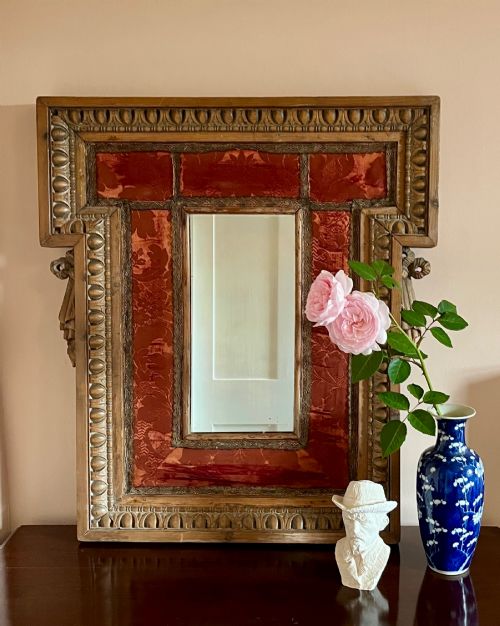
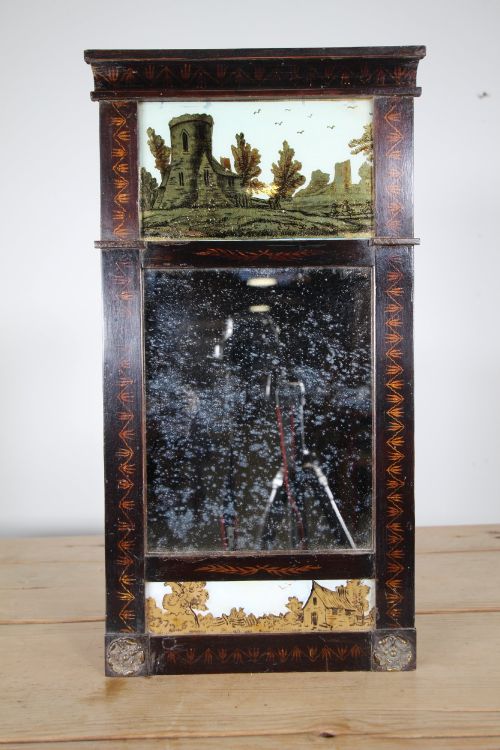
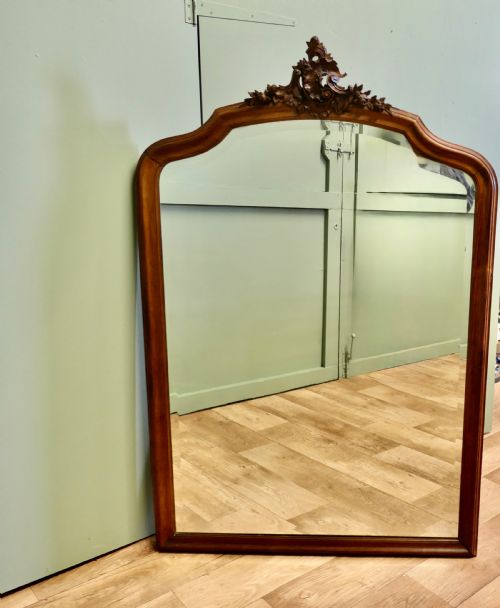
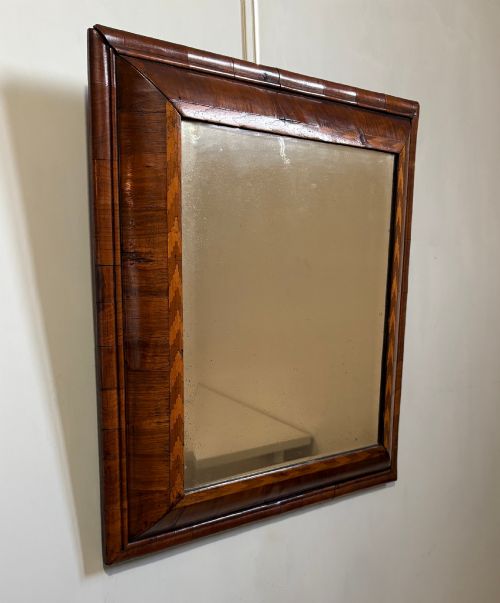
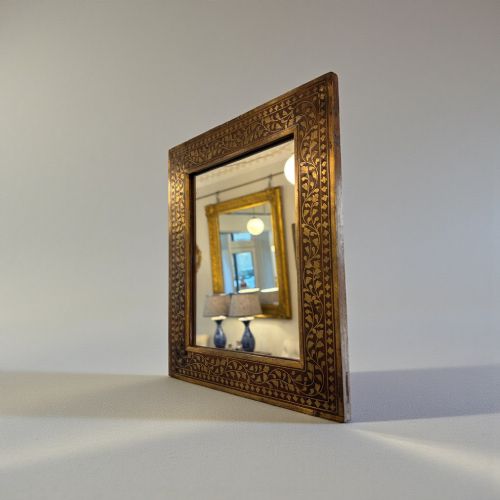
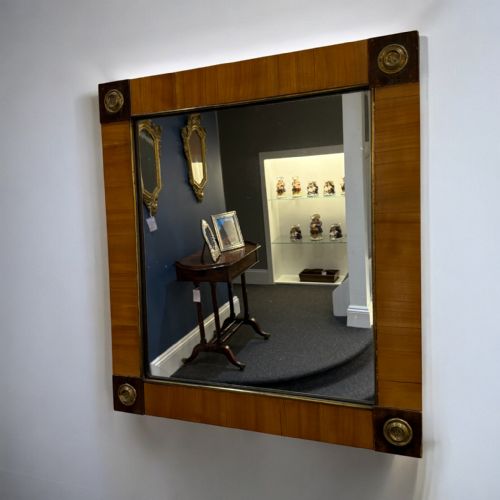
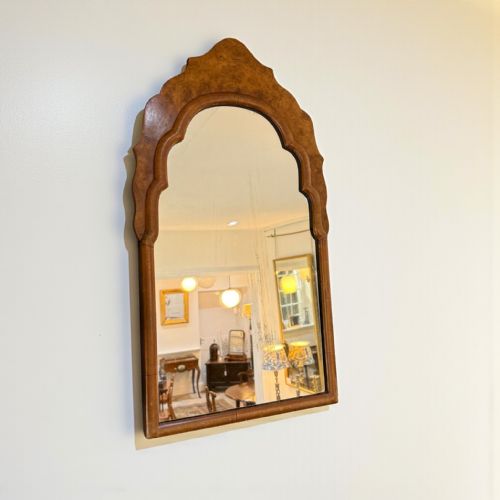
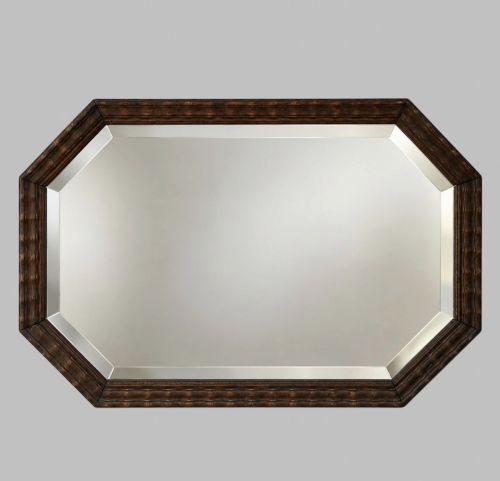
Brown Wooden Wall Mirror
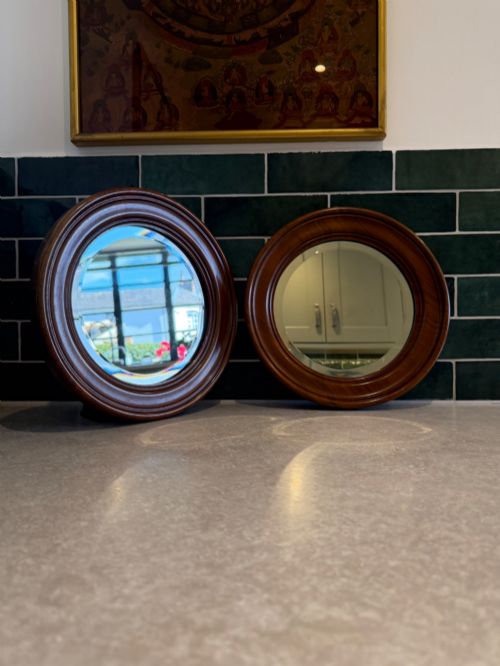
A brown wooden wall mirror brings warmth and depth to a room, using rich timbers and polished glass to reflect both light and history.
Brown Wooden Wall Mirror
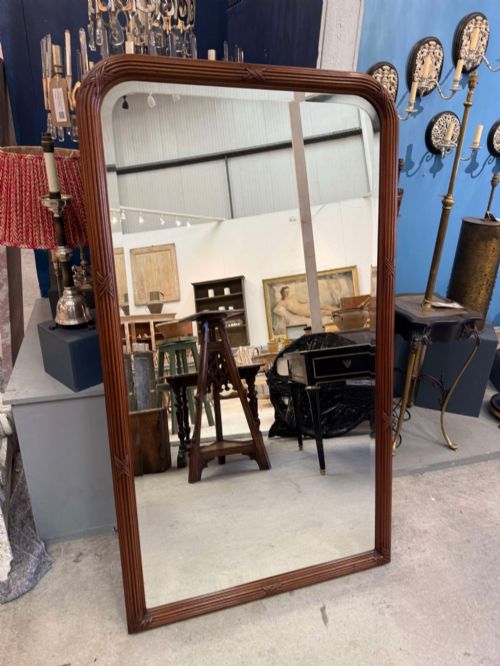
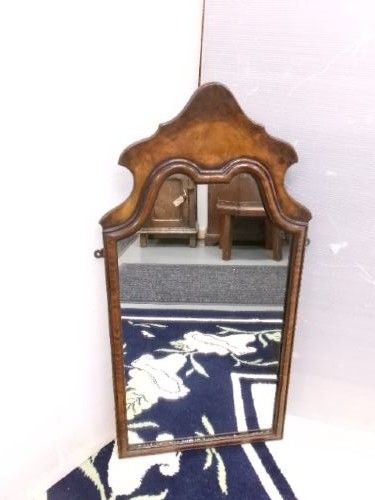
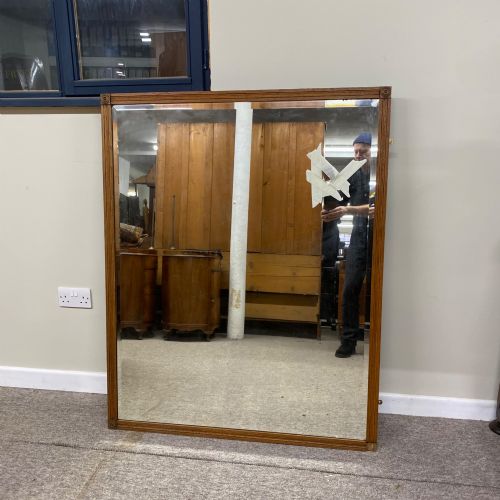
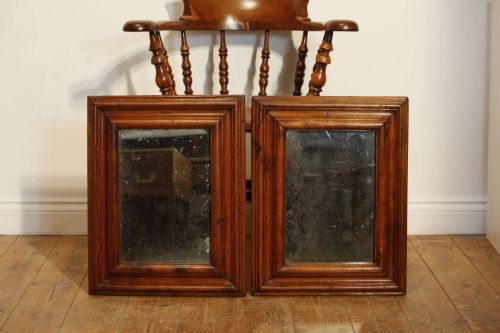
A brown wooden wall mirror provides a functional focal point that anchors a room while offering a practical reflective surface. The selection spans centuries of craftsmanship, ranging from simple oak panels to elaborate carved walnut frames.
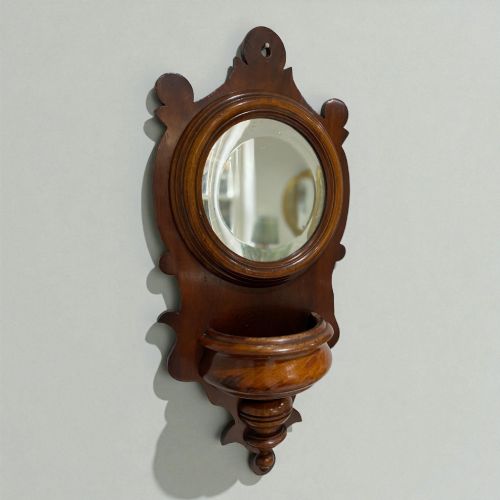
The pieces appearing here include substantial overmantels, tall pier mirrors, and smaller wall-hanging designs suited for hallways and living spaces. Woods such as oak, mahogany, and walnut dominate the selection, showing deep natural grains developed over generations.
Origins stretch from English workshops to French provincial makers and Anglo-Indian studios. Styles move from restrained Georgian and Queen Anne forms through ornate Victorian and Edwardian interpretations to decorative French Country pieces.
Materials and construction methods
Solid timbers like oak, walnut, and mahogany form the primary structure of these frames, selected for their strength and rich natural colour. Artisans shaped these woods using traditional hand-carving, joinery, and occasionally intricate fretwork techniques.
Glass plates, often bevelled by hand, sit within the wooden rebates and are sometimes supported by gilt slips or subtle inlay work. Secondary materials such as bone and mother of pearl appear in specialised regional pieces to create contrasting geometric patterns.
Surface finishes rely on traditional polishing methods that enhance the grain without obscuring the age of the timber. Joinery methods vary from pegged mortise and tenon frames in earlier pieces to precise mitred corners in later examples.
Brown Wooden Wall Mirror Retail Price Guide 2026
Typical asking prices for brown wooden wall mirror among the pieces listed under this phrase on Sellingantiques today, from the lower quarter to the upper quarter. They describe what is for sale here now, not the wider market.
Listings feature items spanning the 18th, 19th, and early 20th centuries, utilising oak, walnut, mahogany, and giltwood.
Distinctions in quality and execution
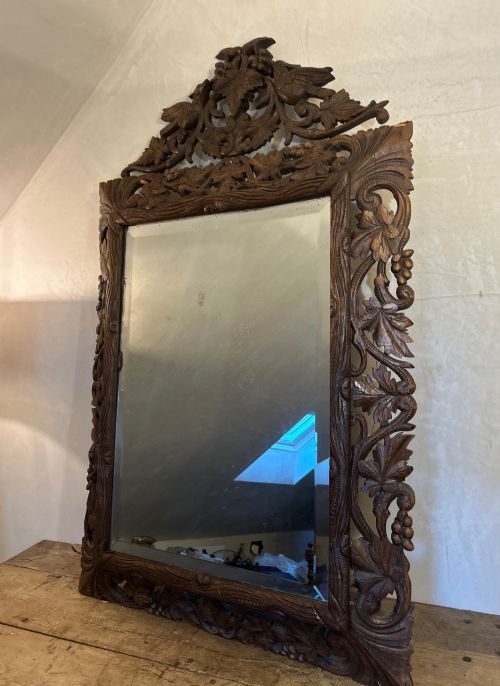
The standard of carving determines much of the distinction between pieces, with deep, crisp relief work setting apart superior workshop production. Fretwork mirrors rely on the precision of the pierced design and the crispness of the surrounding edges.
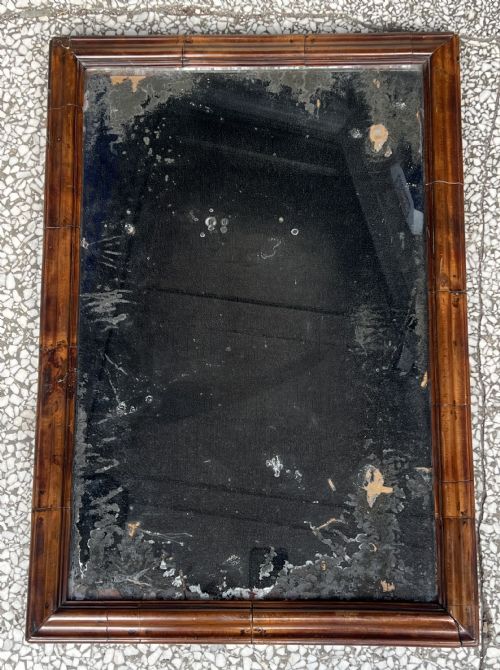
Timber selection dictates the visual weight and stability of the frame, with burr walnut and figured mahogany representing high-status choices. Original mirror glass, showing subtle distortions and age foxing, contrasts with later replacement plates.
The integrity of the structural joints and the retention of original backing boards and fixings indicate how well a piece has survived. Finer examples display meticulous attention to detail in secondary woods and delicate applied ornamentation.
Waring and Gillow·Liberty and Co
The Brown Wooden Wall Mirror Glossary
- Trumeau
- A decorative wall mirror paired with a painted panel or carved artwork above the glass. These tall pieces were designed to sit between windows in grand rooms.
- Overmantel
- A large mirror designed to hang directly above a fireplace mantelpiece. They often feature horizontal proportions and substantial wooden frames.
- Fretwork
- Thin wood cut into decorative patterns using a fretsaw, frequently seen on 18th-century frames. This technique creates delicate, openwork silhouettes around the central glass.
- Pier mirror
- A tall, narrow glass made to fit the wall space between two windows. They reflect light into darker corners of historic interiors.
- Bevelled
- Glass with edges cut and polished at an angle to create a framed, prismatic border. This detail catches the light and denotes finer manufacture.
- Mashrabiya
- An architectural wooden lattice screen technique incorporating intricate geometric patterns. It appears in regional woodwork alongside bone and mother of pearl inlay.
Brown Wooden Wall Mirror: Frequently Asked Questions
How do I clean antique mirror glass?
Use a soft microfiber cloth and a mild, ammonia-free glass cleaner applied to the cloth rather than directly onto the surface. This prevents moisture from seeping behind the bevelled edges and damaging the silver backing.
Avoid harsh commercial sprays that can strip historic patination from the surrounding wooden frame. Gentle dusting of the carved timber should happen regularly with a dry, soft brush.
What is the difference between Georgian and Victorian mirrors?
Georgian pieces generally favour proportion, restraint, and fine mahogany or walnut veneers with precise fretwork details. They reflect the classical symmetry popular during the 18th century.
Victorian examples lean toward heavier construction, robust oak frames, and bolder ornamentation designed for grand domestic spaces. They often incorporate deeper carvings and more expansive surface areas.
Can I place these mirrors in a bathroom?
High humidity and fluctuating temperatures can damage historic wood finishes and cause the silver backing of the glass to degrade. Bathrooms pose a risk to vulnerable antique glue and unsealed timbers.
If placed in a damp environment, ensure adequate ventilation and keep the piece away from direct water splashes. Well-ventilated cloakrooms with stable climates suit these mirrors better than busy family bathrooms.