


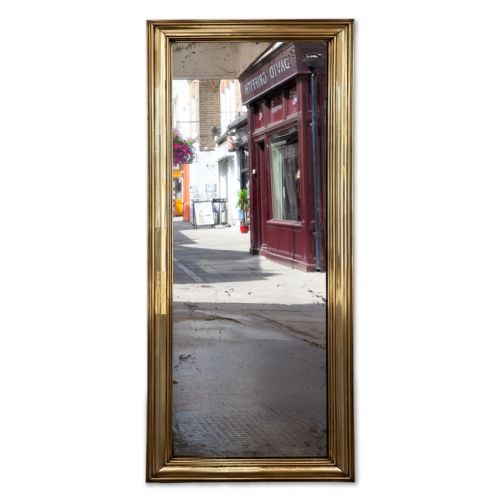
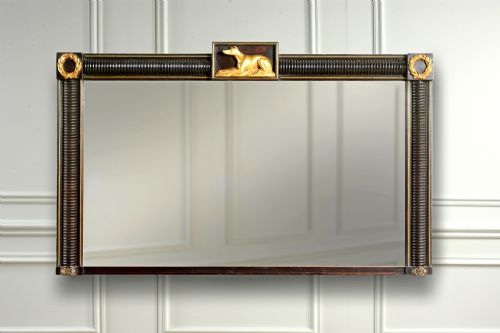
Reeded Frame Mirror
A reeded frame mirror brings architectural rhythm to a room through crisp parallel mouldings that catch the light.
What these pieces are
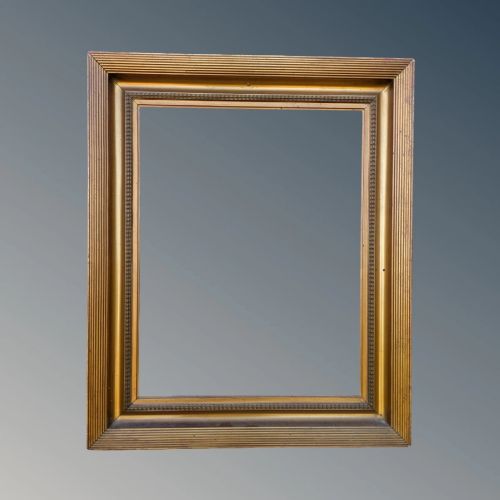
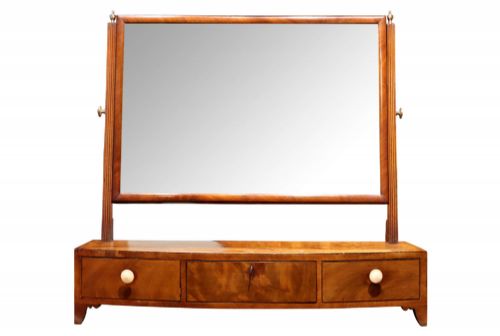
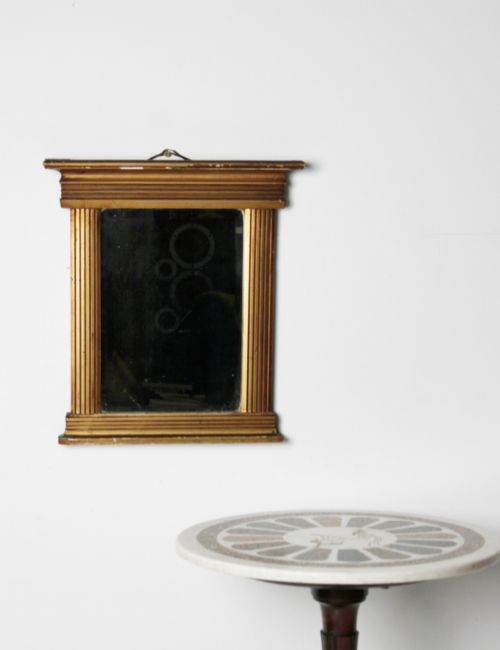
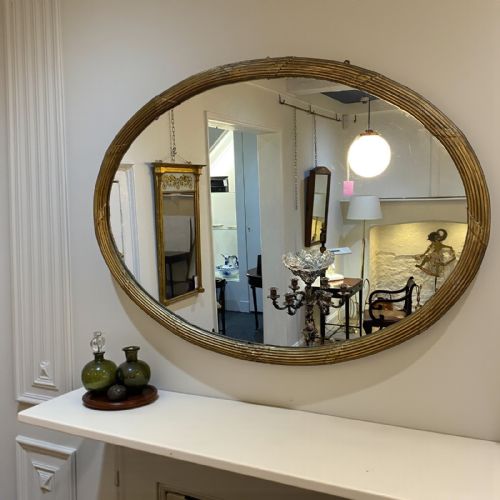
A reeded frame mirror is a wall or overmantel hanging defined by linear parallel mouldings carved directly into the timber or modelled in gesso. These pieces span the Regency period through the Edwardian era, encompassing both British and French workshops.
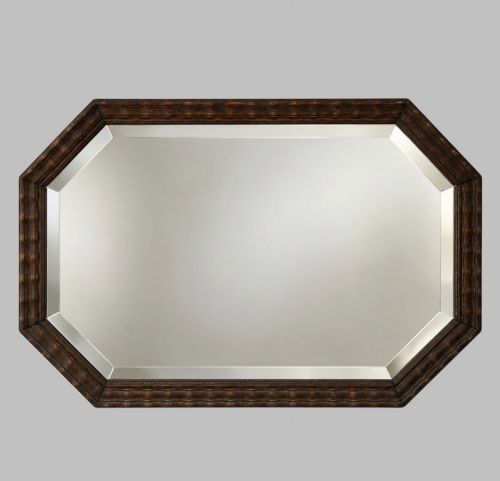
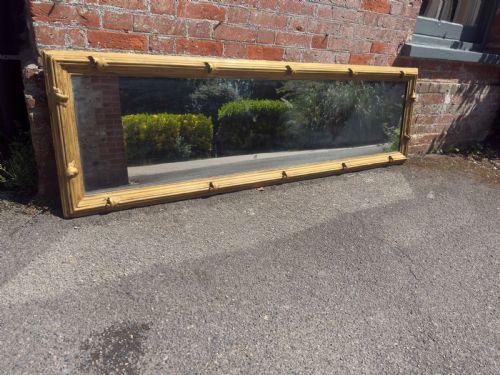
The versions most commonly met on this page are generous nineteenth century wall mirrors and rectangular overmantels finished in bright gold leaf or dark ebonised wood. Proportion is everything here, as the linear ornament dictates how the glass commands a wall.
Makers ranged from large cabinet firms like Waring and Gillow to anonymous provincial gilders working in standard neoclassical vocabulary. Buyers seek them to anchor a fireplace or brighten a hallway with period depth.
How they were made
Construction relies on solid timber foundations such as oak and pine, frequently built up with carved wood and gesso to receive the fine parallel channels of the reeding. Craftsmen then applied thin sheets of gold leaf over bolus or painted the surface directly with dark pigments.
Mirror glass of the period was cast or cylinder blown before being hand polished, resulting in subtle surface undulations and characteristic bevels. Frames often incorporate corner blocks, applied ornamentation like egg and dart, or distinct details such as a gilded greyhound.
Retail Price Guide 2026
Typical UK retail prices for reeded frame mirror, calculated from the Sellingantiques database of over a million retail prices indexed since 2003. This retail price guide relies exclusively on Sellingantiques data; no external sources or auction records are used, so the figures do not describe the wider market.
What varies in quality
Quality rests entirely on the crispness of the parallel mouldings and the depth of the gilding. Sharp, evenly spaced reeding carved cleanly into solid wood demonstrates superior workshop practice compared to softer, heavy gesso layers that blur the lines.
The integrity of the original mirror plate and the weight of the timber frame distinguish finer examples. Patina accumulated on the gold leaf over centuries creates a softer warmth that mechanical cleaning or modern regilding simply cannot replicate.
Waring and Gillow
The Reeded Frame Mirror Glossary
- Reeding
- Parallel convex mouldings that resemble parallel reeds placed side by side. This decorative technique creates texture and shadow along the edge of a mirror frame.
- Gesso
- A plaster mixture applied to wood frames to provide a smooth surface for gilding. It is often built up deeply to allow fine detailing and crisp linear carving.
- Ebonised
- Wood treated with chemical stains or dark paint to imitate expensive ebony. It was widely used in Regency and Victorian framing to create stark, elegant contrast.
- Overmantel
- A large mirror designed specifically to hang above a fireplace mantelpiece. These pieces are typically wider than they are tall to balance the hearth below.
- Pier mirror
- A tall, narrow mirror traditionally hung on the solid pier of wall between two windows. They reflect natural light back into the centre of a period room.
Frequently Asked Questions
Where should I hang a reeded frame mirror?
These mirrors work exceptionally well above a mantelpiece or as a focal point on a plain dining room wall where their linear frames can add architectural structure.
Ensure the hanging fixings match the substantial weight of the timber and gesso construction, particularly for larger nineteenth century overmantels.
Are the mirror plates original?
Many surviving pieces retain their historic glass, which often exhibits minor foxing, subtle distortion, and pleasing signs of age.
Original plates contribute significantly to the character and authenticity of the piece, reflecting light with a softer quality than modern float glass.
How do I distinguish Regency from Edwardian examples?
Regency pieces often feature bolder neoclassical motifs, ebonised finishes, or crisp parcel gilt alongside heavy timber construction.
Edwardian revivals tend towards lighter proportions and refined Edwardian craftsmanship, echoing earlier aesthetics with slightly different material handling.