



Antique Black Mirror
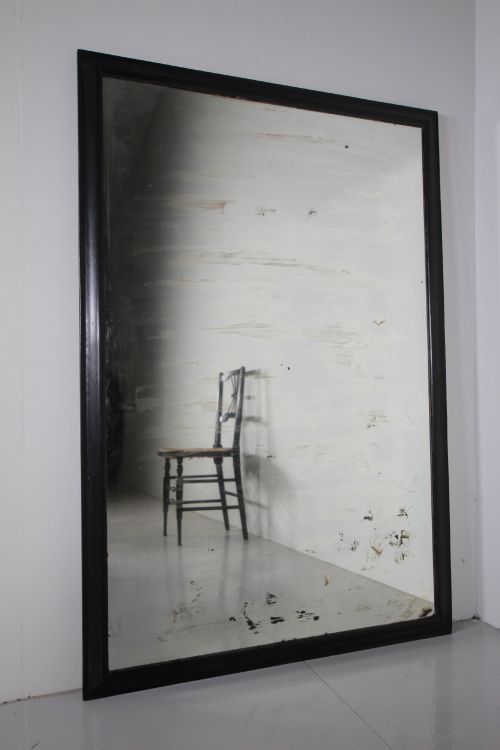
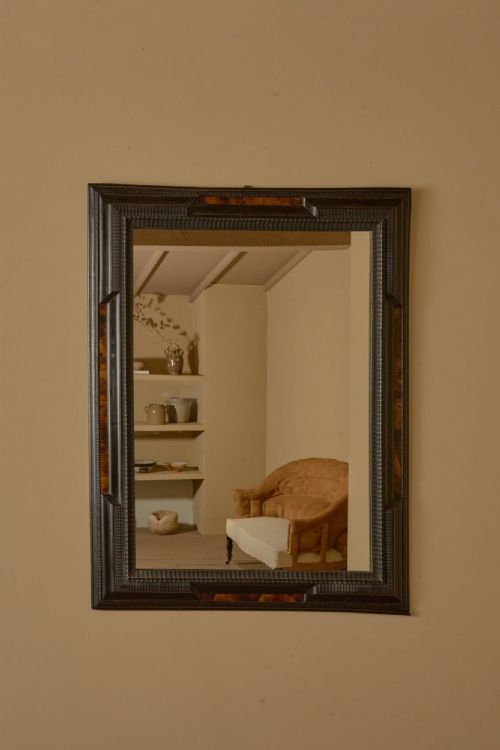
When you search for an antique black mirror, you enter a world of ebonised wood, deep gesso, and dark lacquer that brings focus to any room.
Antique Black Mirror
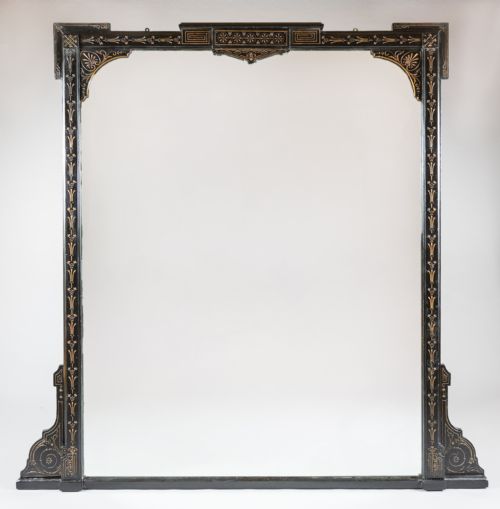
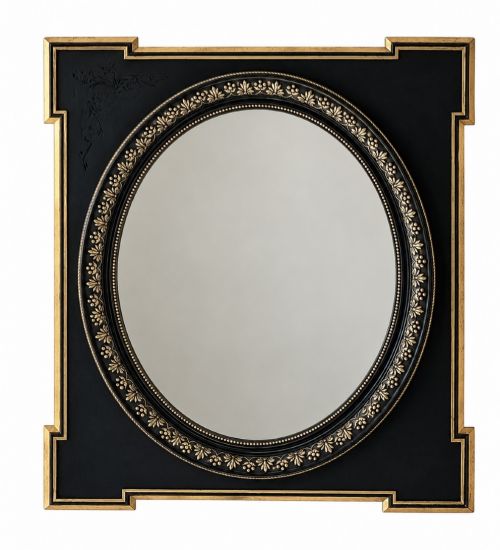
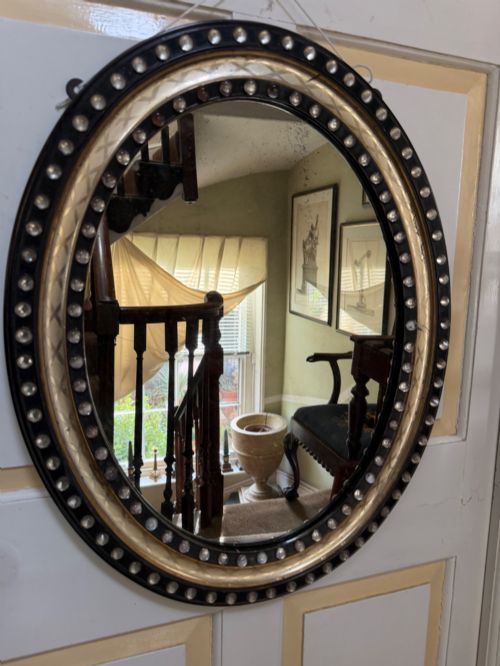
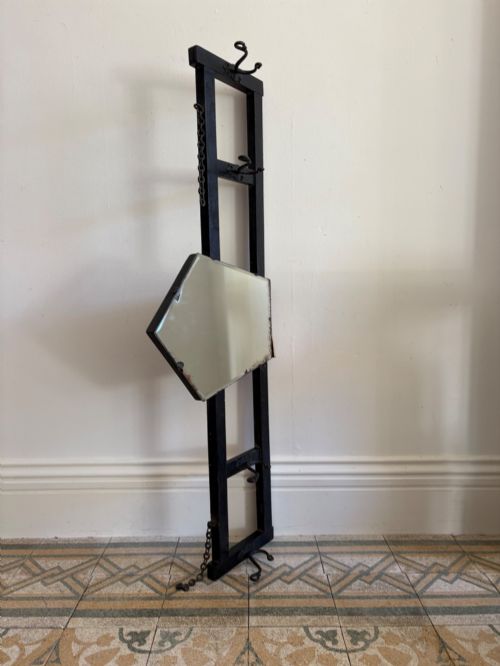
An antique black mirror encompasses various dark-framed reflective pieces designed for walls, mantels, and tables. These items emerge primarily from the nineteenth century, spanning Victorian ebonised designs, ornate overmantels, and carved Black Forest woodwork.
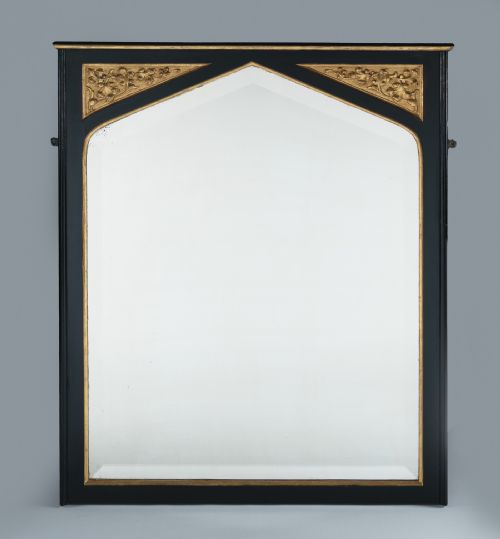
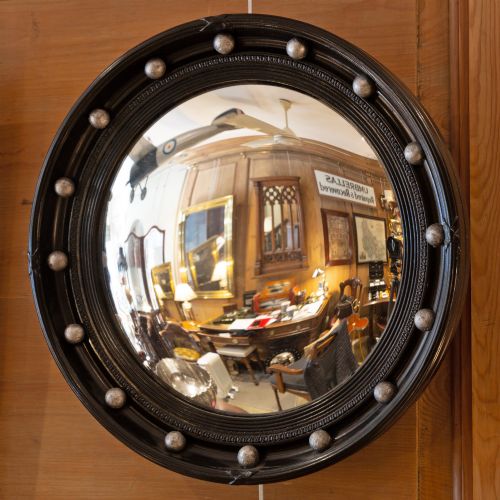
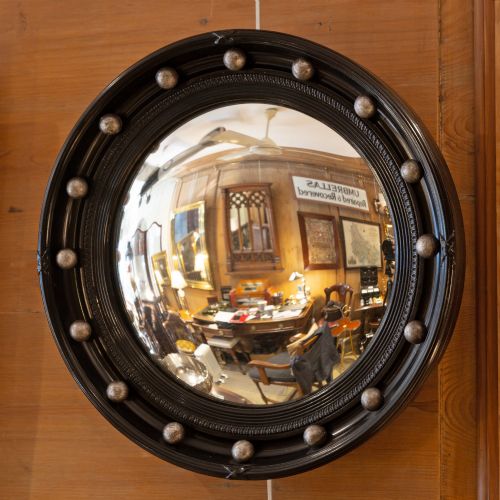
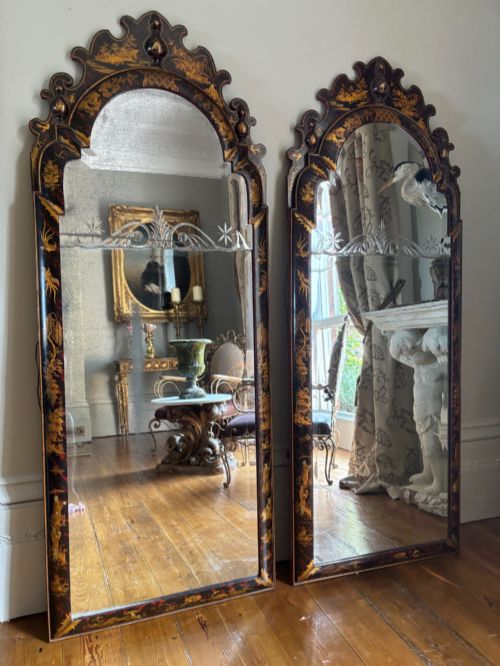
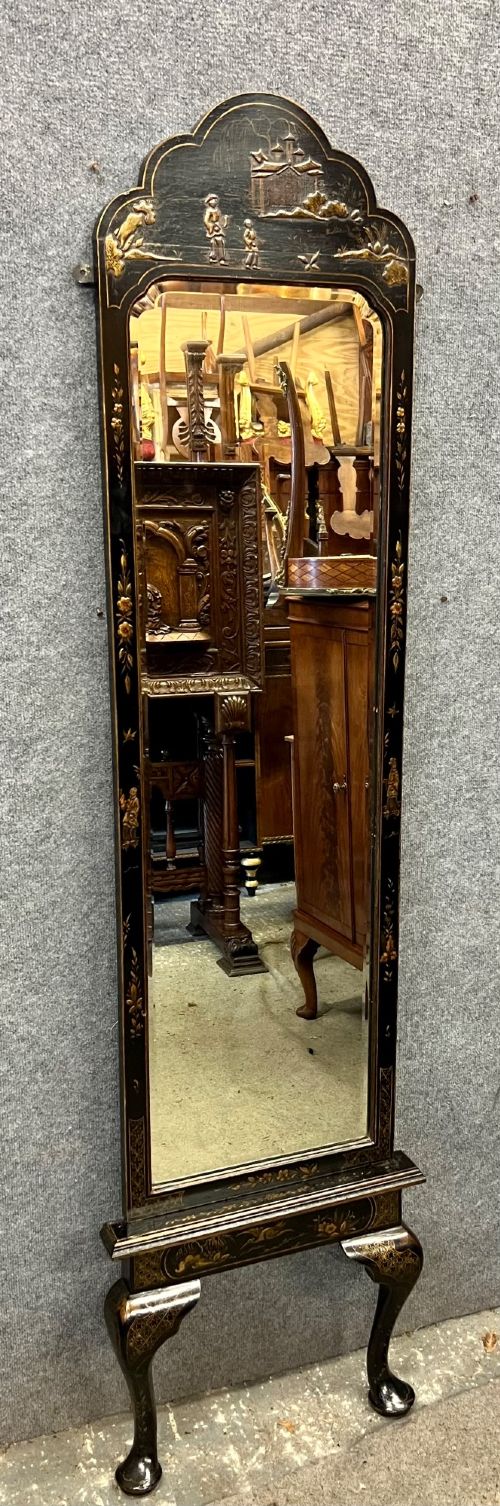
The pieces on this page also include Chinoiserie lacquered dressing tables, small girandoles, and fairground distortion glass. Buyers encounter distinct regional traditions, from French parcel-gilt arched frames to Italian ebonised surfaces.
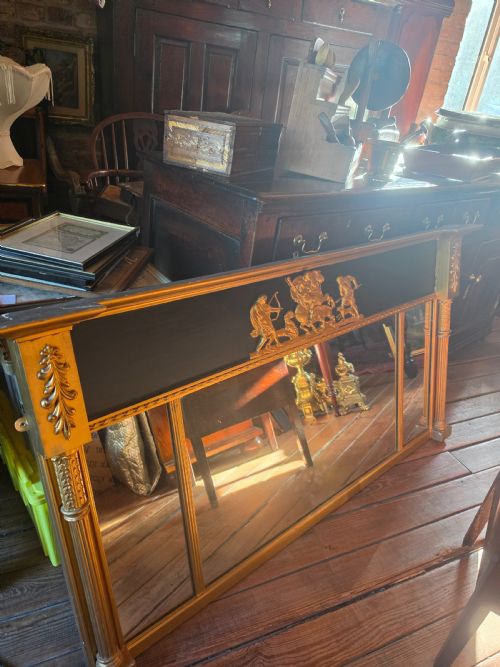
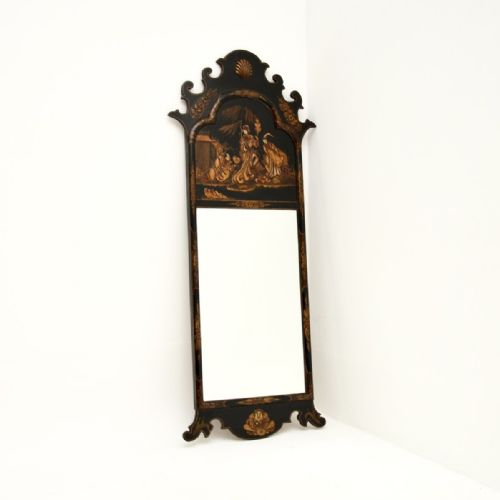
Overmantel mirrors and wall-hanging formats dominate the selection, often pairing deep black finishes with contrasting gold leaf or gilt highlights. Each object reflects the decorative tastes of the Victorian and Edwardian periods.
How they were made
Craftsmen used timber such as lime wood, oak, and mahogany as foundations for these frames, applying ebonised treatments or black lacquer to darken the wood. Gesso and carved wood provided the base for intricate surface relief before gilding.
Makers applied gold leaf and parcel-gilt highlights to contrast against the dark background, particularly on nineteenth-century overmantel and pier mirrors. Mirror glass was set into these heavy frames, sometimes accompanied by hand-carved animal motifs or applied lacquer decoration.
Antique Black Mirror Retail Price Guide 2026
Typical asking prices for black mirror among the pieces listed under this phrase on Sellingantiques today, from the lower quarter to the upper quarter. They describe what is for sale here now, not the wider market.
Listings feature items from the 19th century, Victorian period, and 1880, utilising ebonised wood, gesso, and mirror glass.
What varies in quality
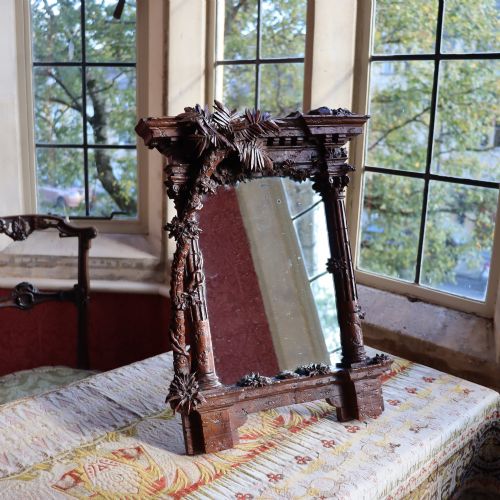
The depth and execution of the carving separate standard frames from exceptional examples, particularly in Swiss and Black Forest lime wood pieces where hand-carved animals and foliage show distinct sculptural skill. The integrity of the original ebonised surface and the preservation of underlying gesso determine historical authenticity.
Materials and application methods dictate finish durability, as seen in the precision of parcel-gilt highlights against black lacquer or the clarity of antique mirror glass. Larger overmantels rely on robust joinery in the wooden carcass to support heavy glass panels over time.
Garnett & Sons·Cottier & Co.
The Antique Black Mirror Glossary
- Ebonised
- Wood treated with chemical stains, paint, or polish to imitate expensive ebony. This finish became widespread during the Victorian era for decorative frames and furniture.
- Gesso
- A plaster-like mixture applied to wood frames to create a smooth surface for carving or gilding. It allows for intricate relief work before paint is applied.
- Parcel-gilt
- A decorative technique where only specific raised portions of an object are gilded with gold leaf, leaving the dark ebonised base exposed elsewhere.
- Overmantel mirror
- A large mirror specifically designed to hang on the wall directly above a fireplace mantel. These pieces often feature arched tops and wide frames.
- Black Forest
- A style of wood carving originating from the mountainous region in Germany, characterised by naturalistic motifs such as deer, birds, and foliage.
- Chinoiserie
- European decorative style inspired by Chinese artistic traditions, featuring lacquered surfaces and painted motifs on furniture and mirrors.
Antique Black Mirror: Frequently Asked Questions
Where should an overmantel mirror be hung?
These large mirrors are traditionally placed directly above a fireplace mantel to anchor the room's proportions and reflect light across the space. They also function effectively on main walls in reception rooms where their dark frames create a strong focal point.
Ensure the wall structure and fixings can support the substantial weight of carved wood, gesso, and glass. Positioning them opposite a window maximises the natural light they capture.
How do I care for ebonised wood?
Dust the dark wooden frame gently with a dry, soft cloth to prevent abrasive particles from scratching the surface. Avoid using liquid polishes or modern chemical sprays that can degrade historic finishes.
Keep the piece away from direct sunlight and excessive humidity to protect the underlying wood and gesso from warping. Gentle handling preserves the original ebonised and gilt surfaces over generations.
What defines the Aesthetic Movement style?
Aesthetic Movement pieces emphasise visual beauty and artistic design over conventional utility, often incorporating ebonised finishes and gilt highlights. This late-nineteenth-century approach favoured clean lines combined with refined decorative details.
Mirrors from this period frequently display minimalist profiles contrasted with careful gilding, reflecting a shift away from heavier Victorian ornament.
Are Black Forest mirrors hand-carved?
Black Forest mirrors feature intricate, hand-carved wooden elements depicting natural subjects such as birds of prey, deer heads, and woodland foliage. Artisans carved these details directly into lime wood, walnut, or oak.
The high degree of individual craftsmanship means each carved animal or leaf pattern possesses unique characteristics distinct from mass-produced decoration.