


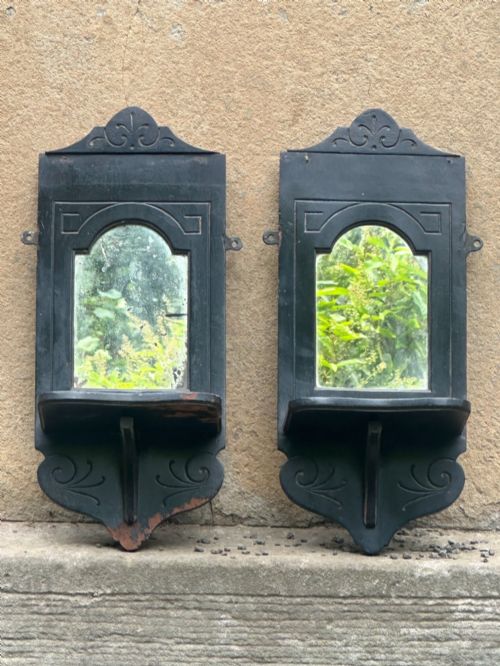
Victorian Black Mirror
When you search for a victorian black mirror, you enter a world of dark wood, sharp gilding and deep nineteenth-century rooms.
Victorian Black Mirror
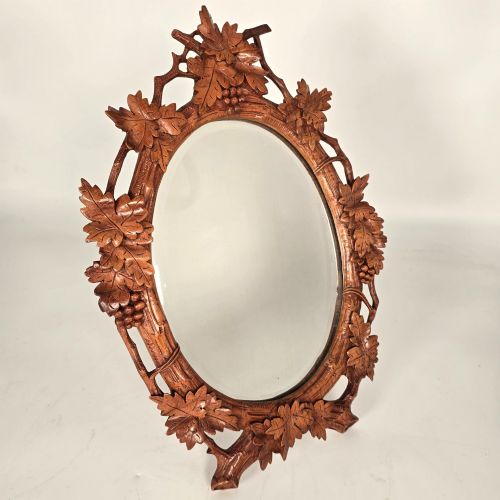
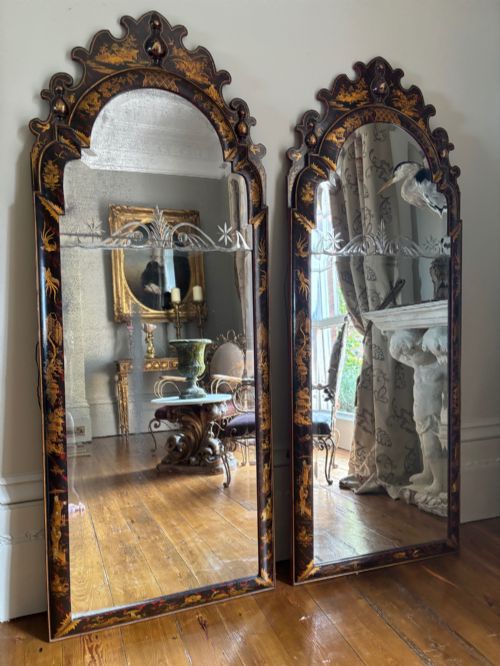
A victorian black mirror brings together dark ebonised wood, painted finishes and reflective glass across wall, overmantel and table forms. These pieces reflect nineteenth-century taste, drawing on Aesthetic Movement, Gothic Revival and Black Forest traditions.
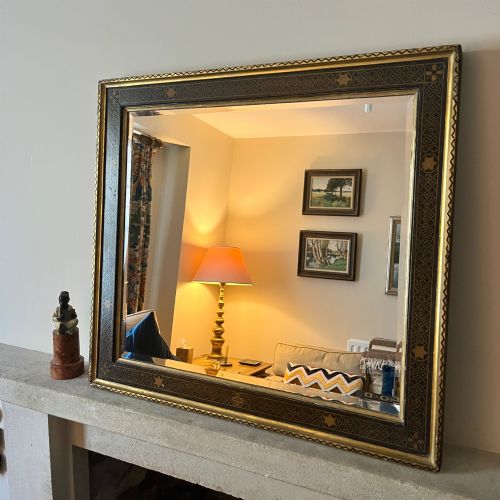
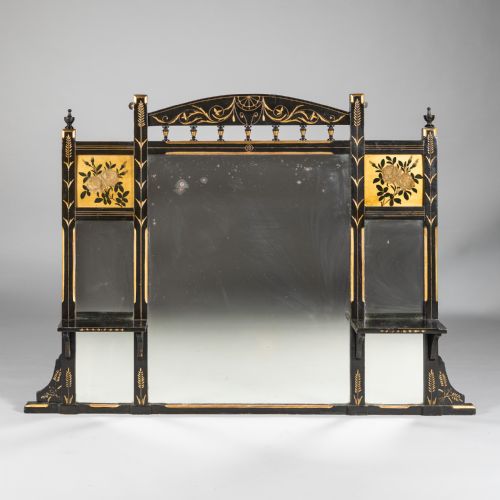
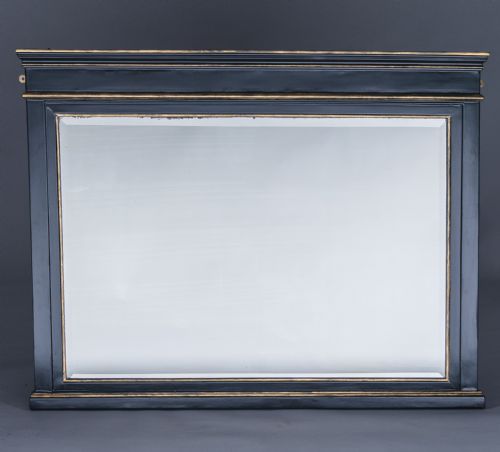
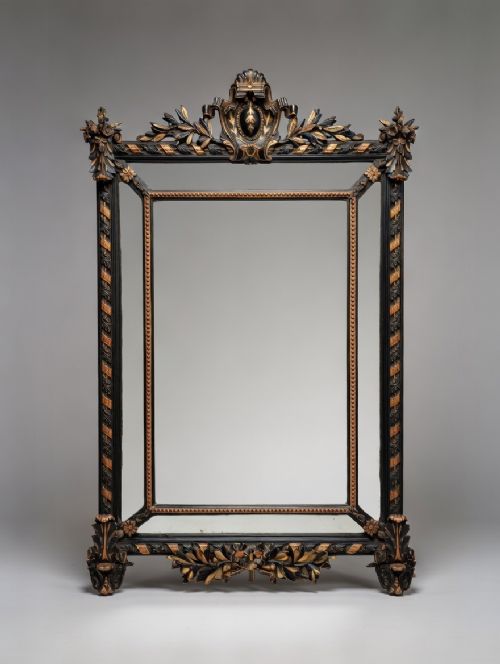
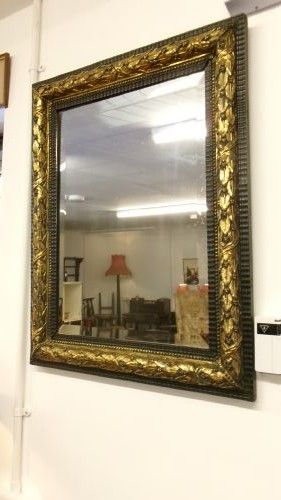
The version you are most likely to meet on this page is the large ebonised and parcel-gilt overmantle mirror. These heavy wall pieces combine dark painted surfaces with bright highlights of gold leaf or gesso.
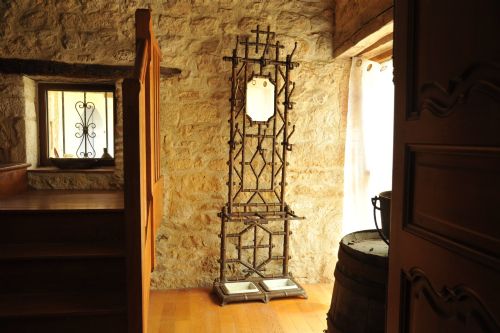
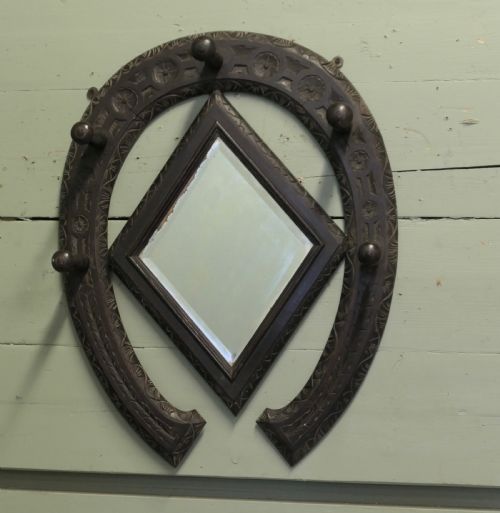
Makers and workshops built these items from wood, cast iron and glass, incorporating carved birds, faux bamboo and geometric moulding. They served practical domestic duties in halls, bedrooms and grand reception rooms.
Materials and Construction
Carpenters and carvers shaped frames from oak, lime wood, mahogany and pine before applying ebonising stains to imitate costly ebony. They layered gesso over wood bases to build up crisp relief ornaments and mouldings.
Artisans applied parcel-gilt highlights by hand, catching edges and carved details with gold leaf or metallic paint. Mirror glass was set securely into heavy timber rebates, occasionally accompanied by brass mounts or acid etching.
One extraordinary mirror frames its dark glass with a fierce carved wooden eagle, keeping a sharp nineteenth-century eye on the room.
Gradations of Quality
Quality rests in the depth of the carving and the crispness of the gesso work beneath the black finish. Skilled hands shaped deep, naturalistic foliage and birds rather than relying on shallow pressed composition ornaments.
The handling of the parcel-gilt details separates standard production from finer work, showing careful placement of gold leaf that catches the light against the dark wood. Heavier framing timbers and substantial original mirror glass add structural integrity.
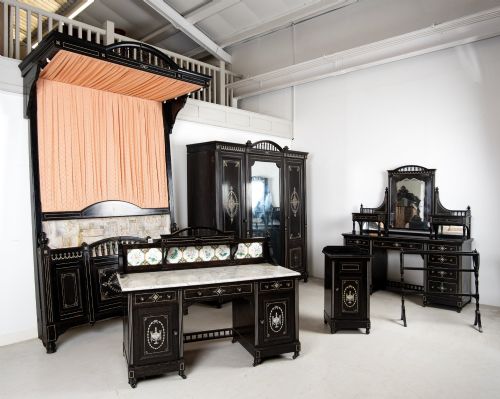
Garnett & Sons·Cottier & Co.
The Victorian Black Mirror Glossary
- Ebonised
- Wood treated with stain or paint to resemble dense, black ebony. This dark finish defined much nineteenth-century furniture design.
- Parcel-gilt
- Partially gilded with gold leaf or paint over a contrasting base colour. This technique highlights carved details and mouldings.
- Overmantle
- A large mirror designed to hang specifically above a fireplace mantelpiece. These substantial pieces anchored Victorian interior decoration.
- Gesso
- A plaster mix applied to wood frames to create smooth surfaces for gilding or deep relief carving. Artisans moulded it while wet.
- Aesthetic Movement
- A late nineteenth-century design style emphasising visual beauty over narrative function. Pieces often feature ebonised wood and gilt highlights.
Victorian Black Mirror: Frequently Asked Questions
Where did these mirrors hang originally?
Victorian homes featured these dark mirrors above fireplaces in main reception rooms or mounted on hall stands near entryways. They bounced available daylight around gas-lit spaces.
Smaller versions sat upon dressing tables in bedrooms or served as decorative table mirrors in private parlours and drawing rooms.
How do I identify the Aesthetic Movement style?
Aesthetic Movement pieces display clean ebonised surfaces often contrasted with subtle gilt highlights and Japanese-inspired motifs. The design prioritised artistic form over heavy Victorian ornament.
Look for geometric frames, parcel-gilt details and occasionally faux bamboo turning that mark this specific nineteenth-century taste.
What is Black Forest carving?
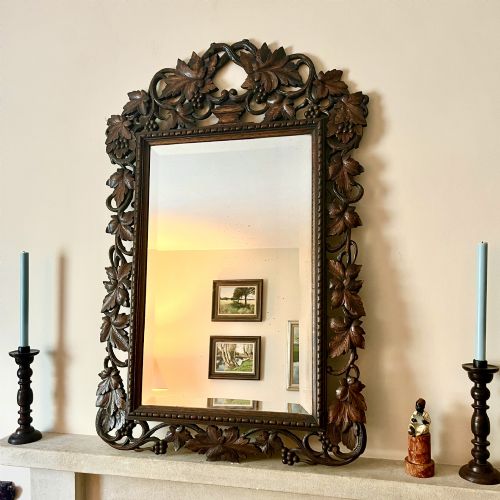
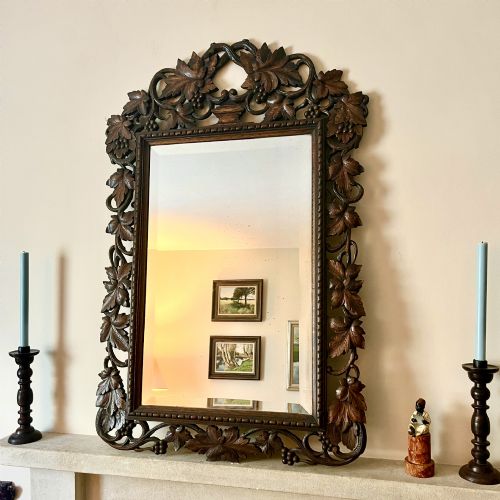
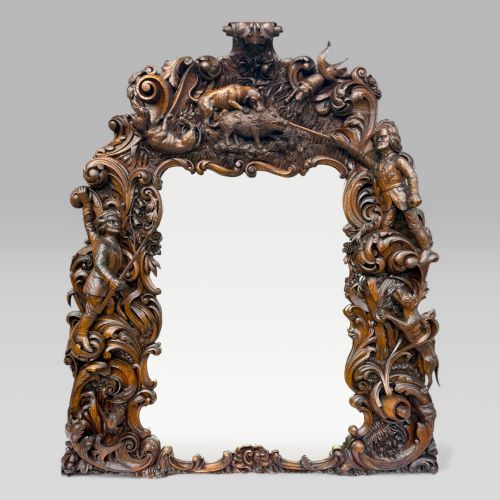
Black Forest work refers to deeply carved wooden items featuring natural elements like foliage, branches and animals. Swiss and German workshops specialised in this rustic style.
Mirrors in this tradition often incorporate prominent carved birds, such as eagles or hawks, gripping the frame with high relief.
How do I care for ebonised wood?
Dust ebonised surfaces gently with a soft, dry cloth to prevent scratching the dark finish. Avoid harsh chemical cleaners that strip the stain or damage the underlying wood.
Keep these mirrors away from direct sunlight and damp environments to protect the fragile gold leaf and the vintage glass plates.