

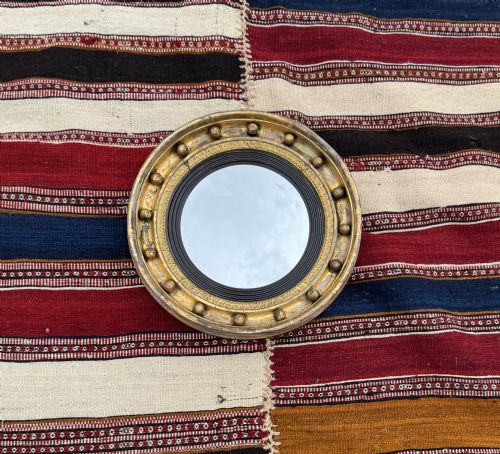

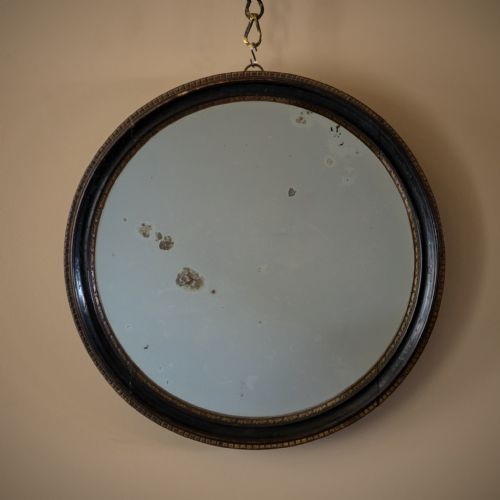
Ebonised Frame Mirror
An ebonised frame mirror brings deep black contrast and antique weight to a room, offering both historical character and striking presence.
What an ebonised frame mirror is
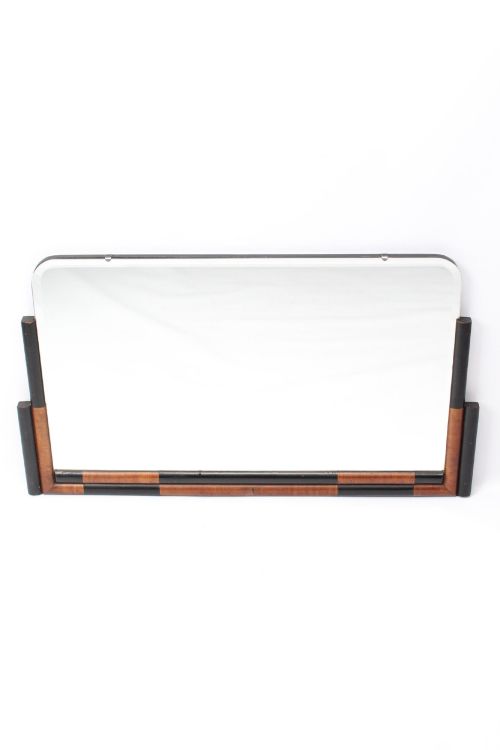
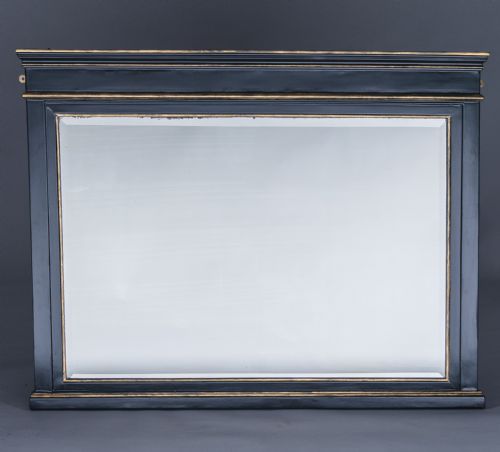
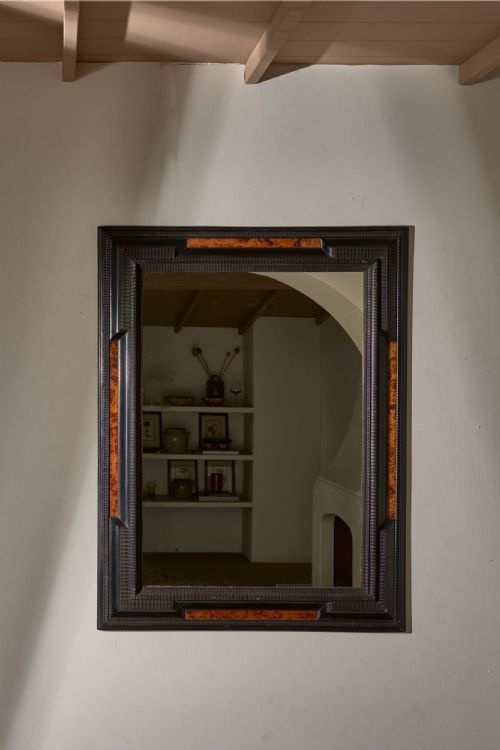
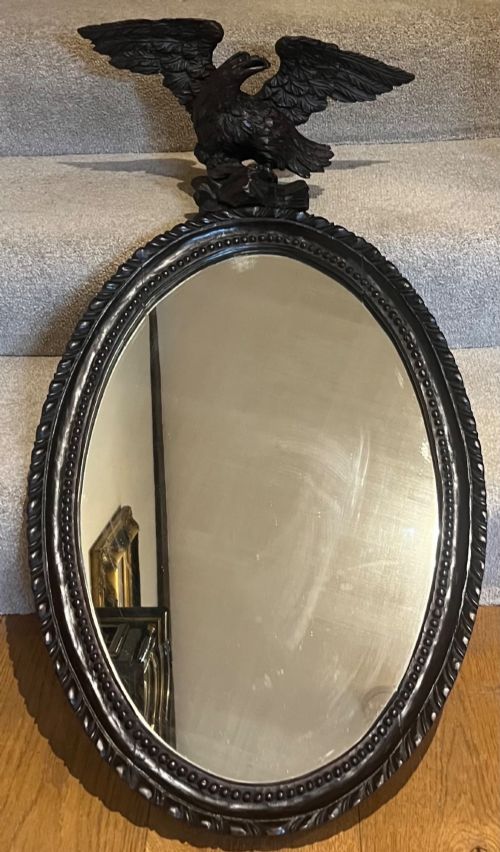
An ebonised frame mirror uses darkened timber to create a striking dark silhouette against a wall. The search phrase covers pieces ranging from seventeenth-century cushion designs to Victorian overmantels and mid-twentieth-century wall mirrors.
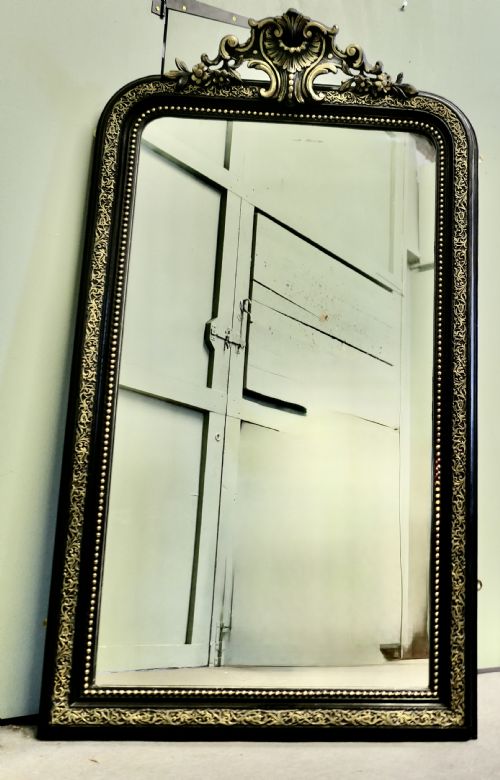
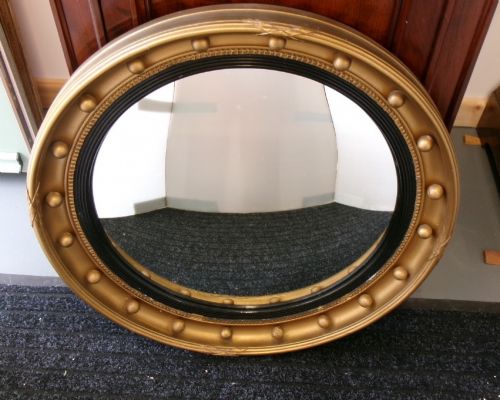
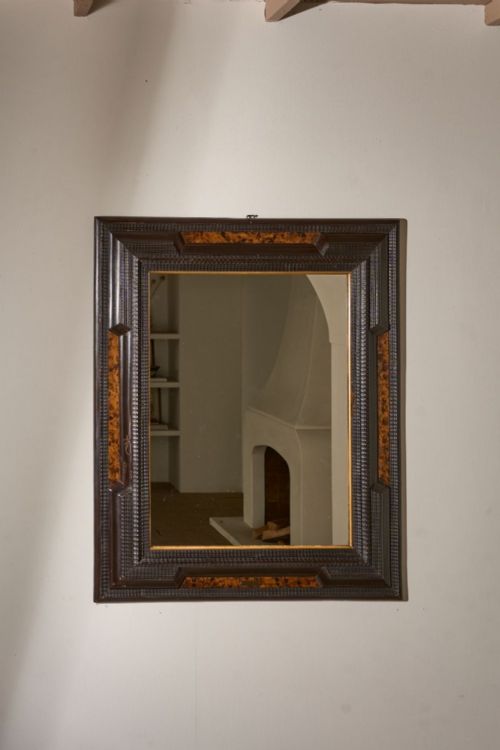
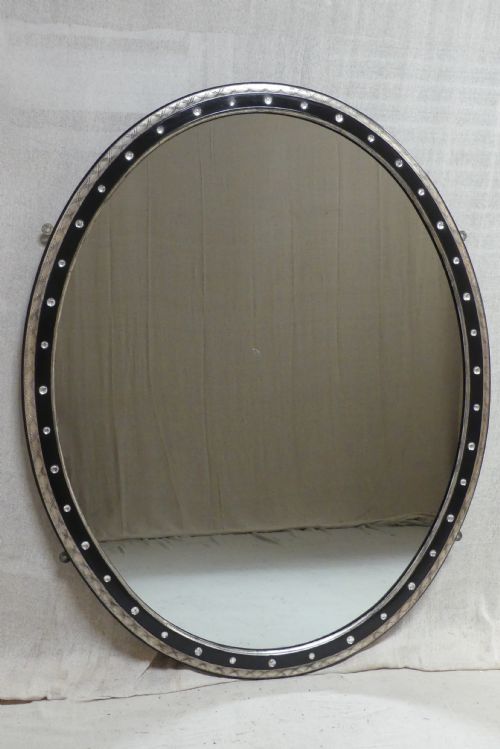
Large overmantel mirrors dominate the record, alongside cushion frames, Irish oval mirrors with facetted cut-glass cabochons, and ripple moulding profiles. French and Flemish influences appear across the nineteenth-century examples.
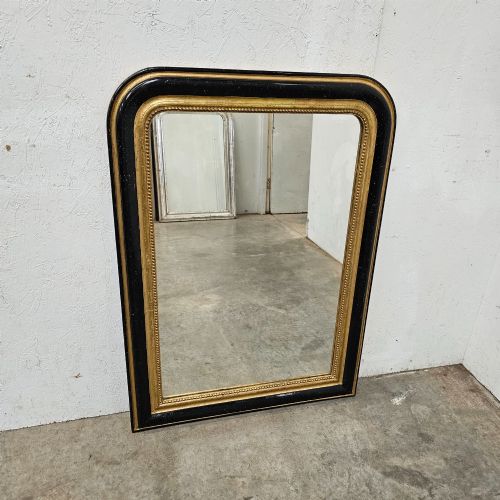
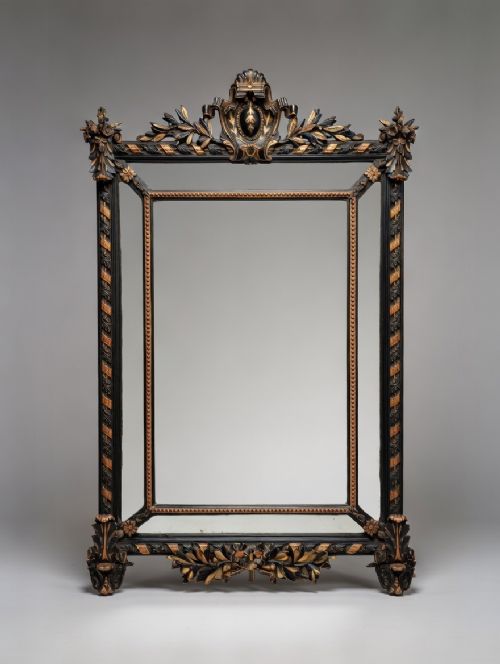
Buyers choose these mirrors for their combination of dark wood frames and contrasting gilt or parcel-gilt details. The form adapts from tall console placements to expansive wall hangings.
What varies in quality
The sophistication of the frame moulding dictates much of the character, from simple geometric profiles to deeply carved Victorian overmantels and intricate seventeenth-century cushion styles. The precision of the ebonising and the preservation of original gilding significantly influence the visual depth.
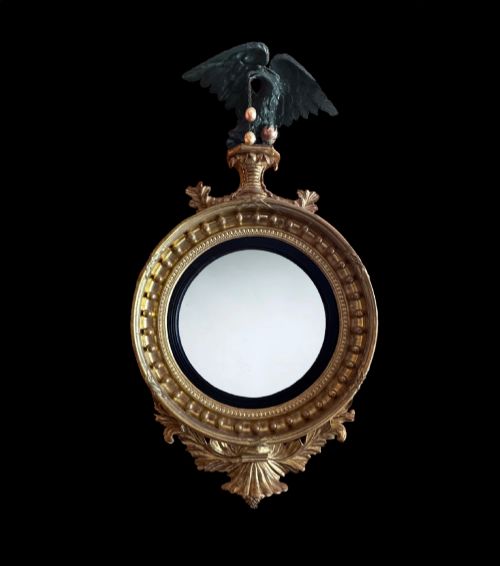
Secondary materials such as parcel-gilt highlights, silvered edges, and applied glass cabochons elevate specific regional pieces, particularly Irish oval examples with double bands of facetted cut-glass.
Retail Price Guide 2026
Typical UK retail prices for ebonised frame mirror, calculated from the Sellingantiques database of over a million retail prices indexed since 2003. This retail price guide relies exclusively on Sellingantiques data; no external sources or auction records are used, so the figures do not describe the wider market.
Listings feature ebonised wood combined with gilt, walnut, ceramic, and paint across periods ranging from the seventeenth century through to the 1940s.
The Ebonised Frame Mirror Glossary
- Ebonisation
- The process of staining or treating wood to resemble solid ebony. This technique darkens timber to a deep black finish commonly used on antique frames.
- Cushion frame
- A frame style with a rounded, convex profile that swells outward toward the outer edge. This volumetric shape creates strong shadowplay around the glass.
- Ripple moulding
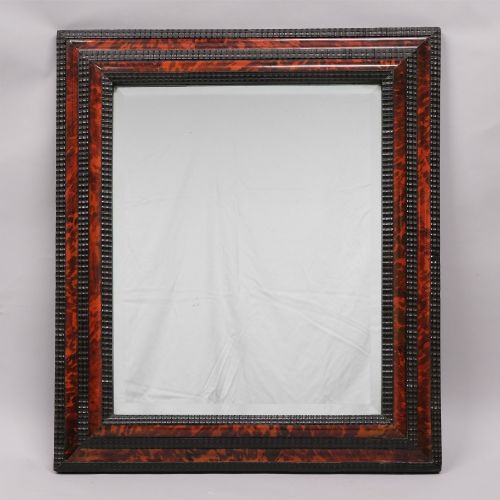
- A decorative wooden moulding carved with undulating wave patterns using specialised machinery. It produces a textured, light-catching surface popular on seventeenth-century and nineteenth-century frames.
- Parcel-gilt
- A finishing method where only specific portions of an object receive gold leaf or gilding. This technique highlights raised carvings against the dark ebonised background.
- Overmantel mirror
- A large horizontal mirror designed to hang specifically above a fireplace mantel. These pieces frequently feature substantial frames intended to anchor a room's interior scheme.
Frequently Asked Questions
Where should I hang an ebonised overmantel mirror?
These large horizontal mirrors anchor principal living spaces when mounted directly above a fireplace mantelpiece. Their substantial frames create a strong visual focal point in a traditional room.
Alternatively, position one on a main interior wall to reflect light and increase the sense of space. Ensure the wall structure securely supports the considerable weight of the timber and glass.
How do I identify a cushion frame mirror?
Cushion frame mirrors feature a distinctive convex, rounded moulding that swells outward from the central glass plate toward the outer edge. This profile gives the frame a padded, sculptural appearance.
Examples in the record span seventeenth-century styles and Flemish designs, often finished in deep ebonised wood with minimal ornamentation to emphasise the curved profile.
What is parcel-gilt on these mirrors?
Parcel-gilt refers to the application of gold leaf or gilt to selected raised areas of a frame while leaving the rest in the dark ebonised finish. This creates a sharp contrast between the black wood and the bright gold details.
You will find this technique on nineteenth-century Irish oval mirrors and Victorian overmantels, where it accentuates carved mouldings and inset glass cabochons.
How do ripple frame mirrors differ from standard frames?
Ripple frame mirrors feature intricate, wave-like geometric patterns machined into the wooden moulding. This creates a dense texture that catches light across multiple tiny ridges rather than presenting a flat surface.
This method appears on seventeenth-century styles and nineteenth-century interpretations, offering a highly tactile alternative to smooth ebonised profiles.