


Antique Circular Mirror
When you search for an antique circular mirror, you are looking at centuries of craftsmanship designed to catch and scatter light across a room.
Antique Circular Mirror
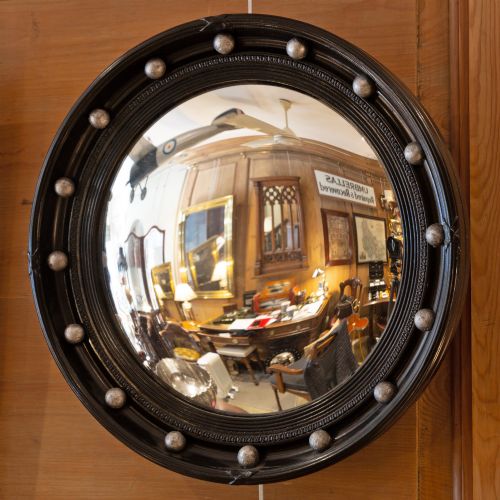
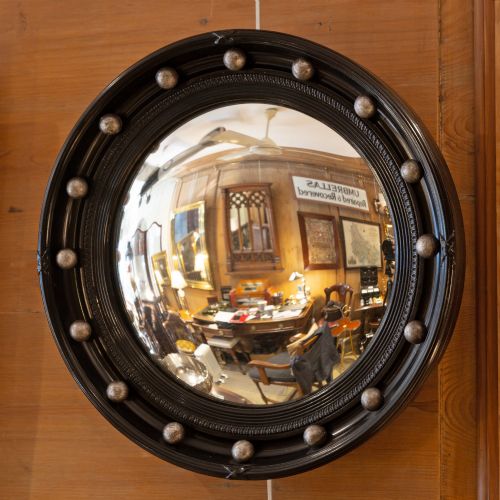
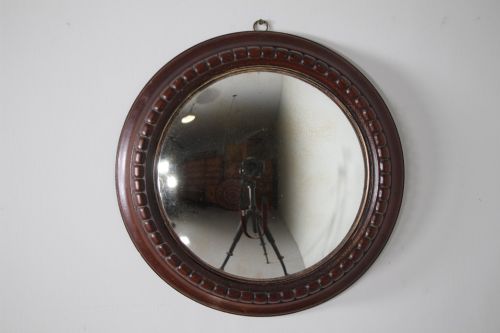
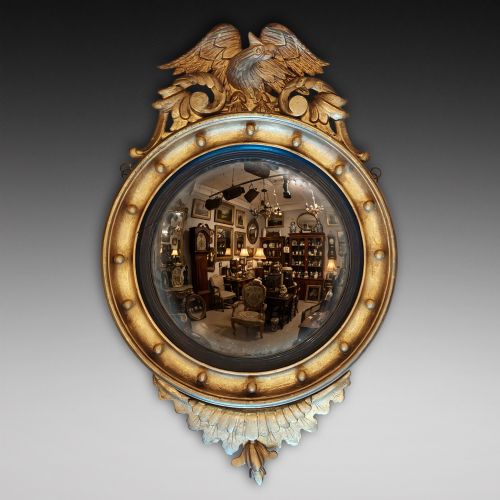
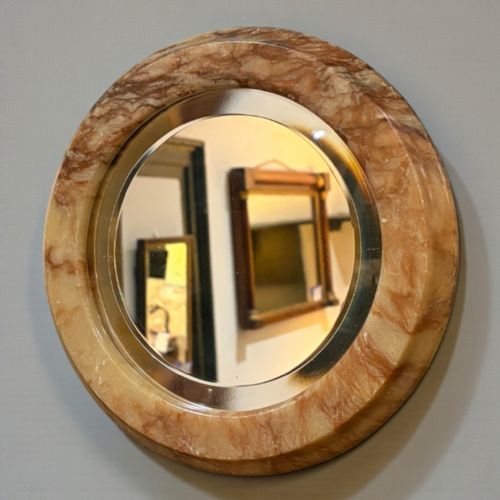
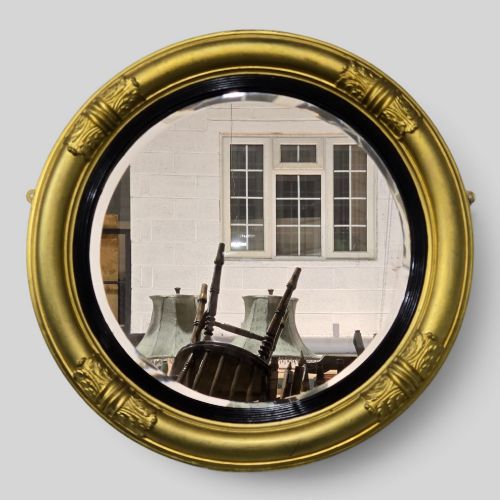
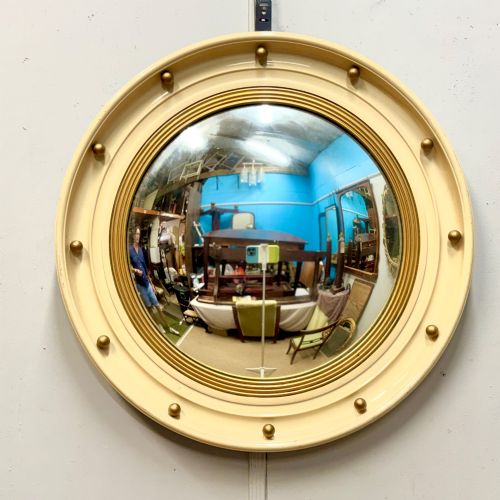
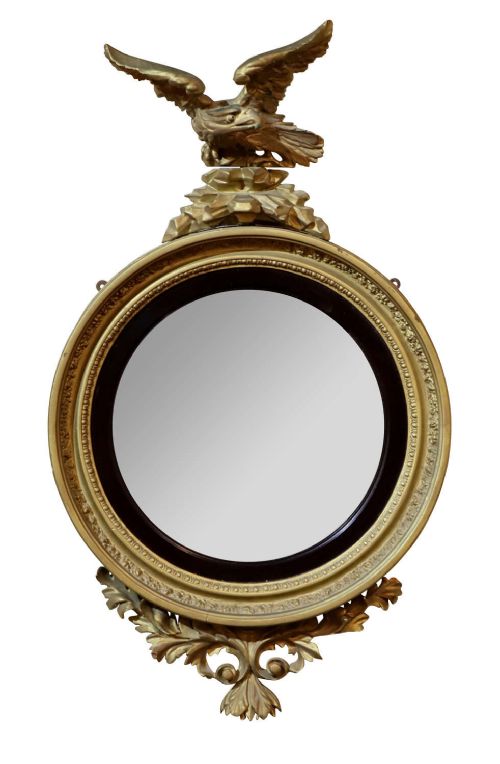
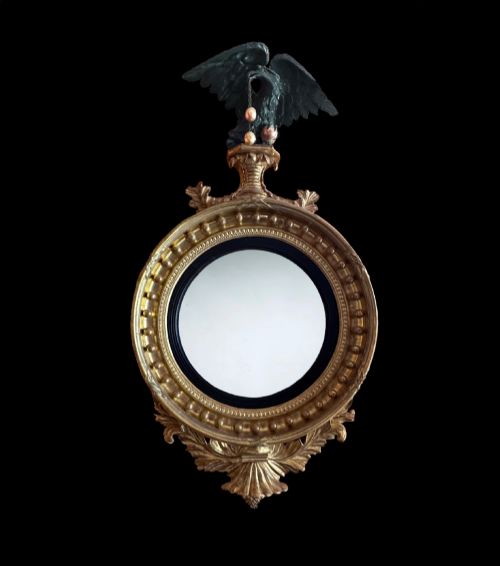
An antique circular mirror takes many forms, from domestic wall hangings and dressing table glasses to scientific instruments and small hand mirrors. The most common version met on this page is the convex wall glass, often referred to as a butler's mirror or porthole mirror.
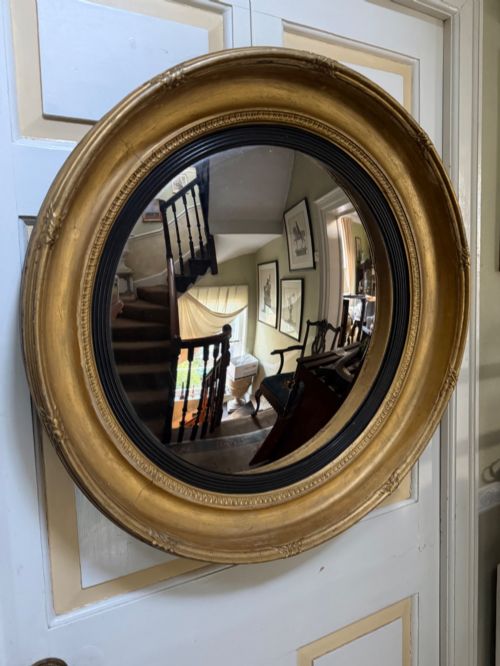
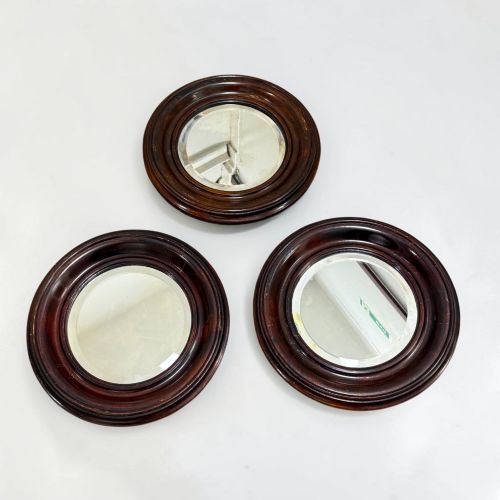
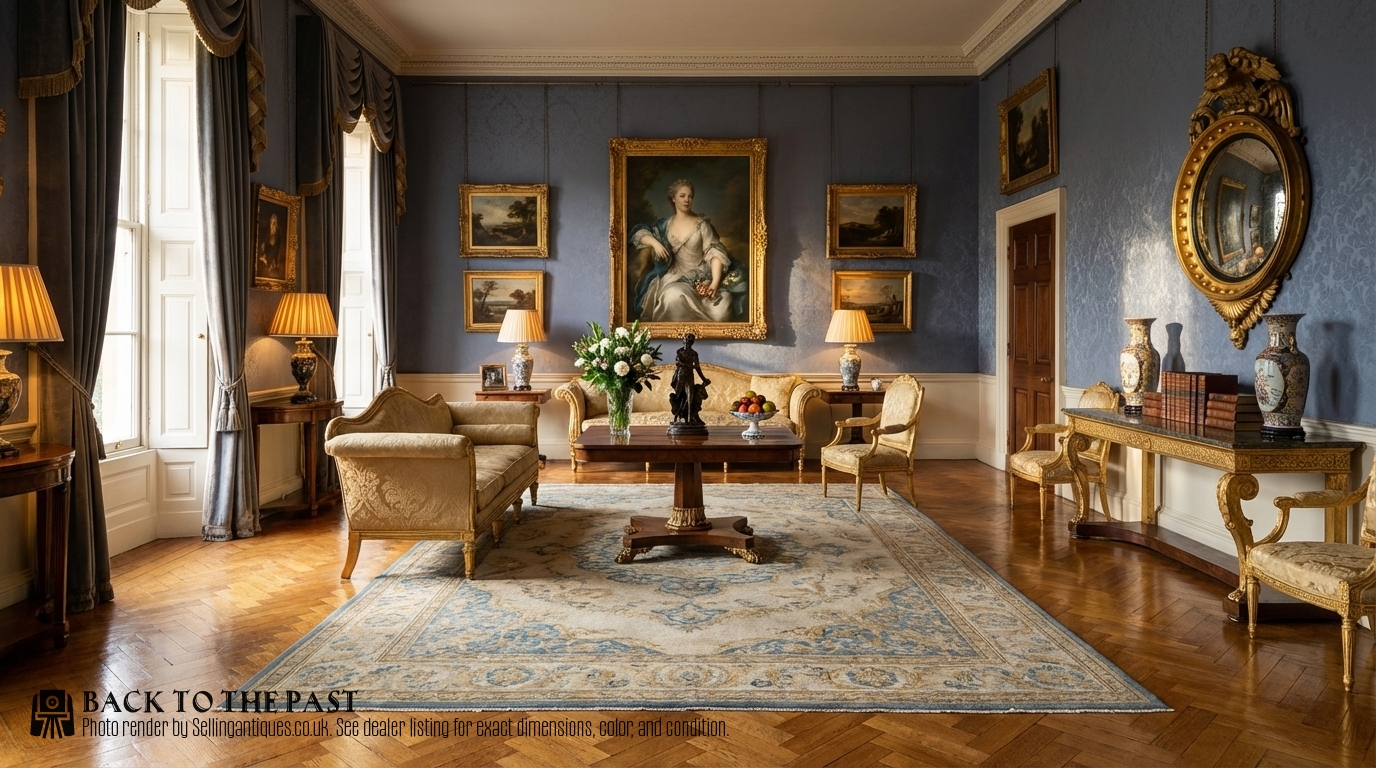
The periods represented span widely across the nineteenth and early twentieth centuries, with heavy representation from the Regency and Victorian eras. These round formats appear in simple wooden frames as well as elaborate giltwood surrounds topped with eagle mounts and dragon carvings.
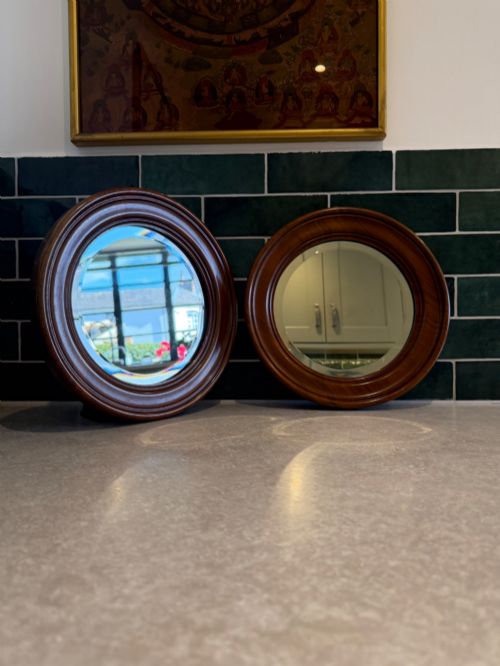
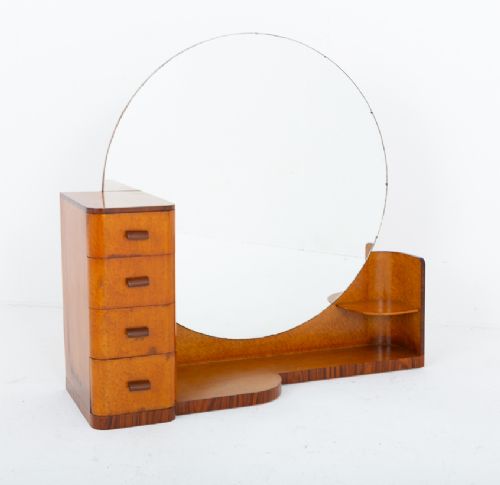
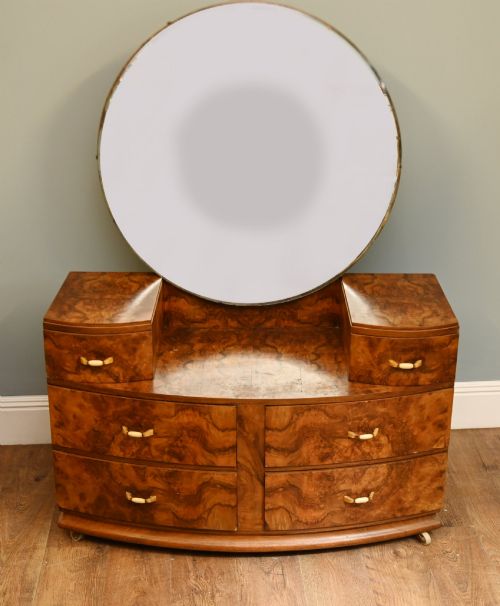
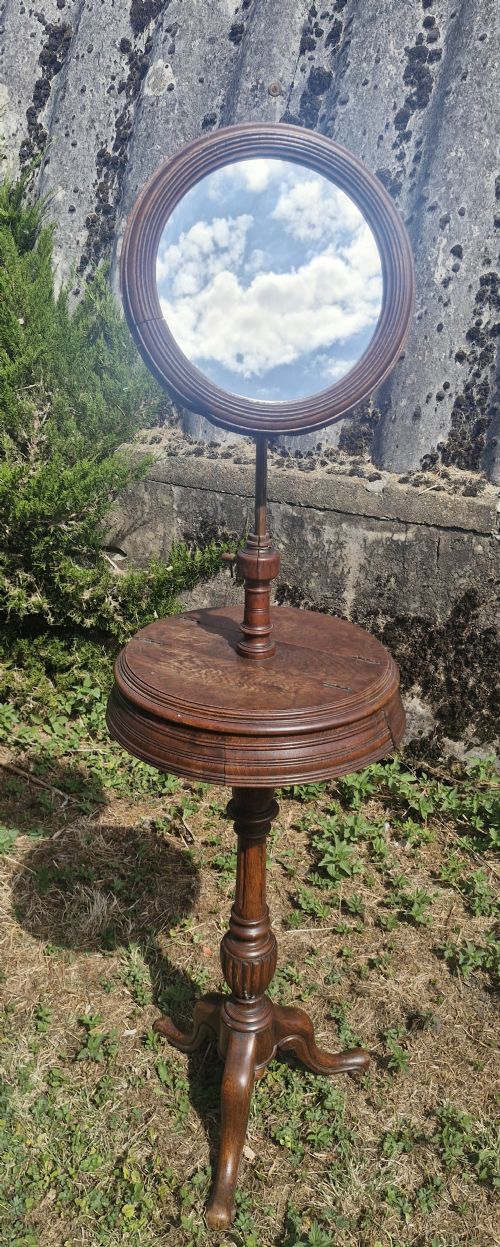
Beyond standard wall mirrors, the category includes functional objects such as mahogany shaving stands, plateau mirrors, and Art Deco dressing tables. Each iteration serves a distinct domestic purpose while utilising the distinctive round geometry.
How They Were Made
The construction of these pieces relies heavily on carved timber frames built from mahogany, walnut, fruitwood, and ebonised wood. Giltwood and gesso elements provide a gilded finish, often applied over intricate wooden moulds and plaster foundations.
Mirror plates include blown convex glass, known as bullseye glass, which creates a wide-angled reflection of the interior space. Supporting structures incorporate cast iron from foundries like Coalbrookdale, brass fittings, and sturdy wooden turnings for adjustable table stands.
Antique Circular Mirror Retail Price Guide 2026
Typical asking prices for circular mirror among the pieces listed under this phrase on Sellingantiques today, from the lower quarter to the upper quarter. They describe what is for sale here now, not the wider market.
What Varies in Quality
The distinction between tiers rests in the depth of carving and the integrity of the original surface finishes. Hand-carved wooden details and crisp gilding separate superior frames from simpler pressed compositions or later replacements.
The glass plate itself dictates the character of the object, where original convex or bevelled plates retain their distinct optical qualities and age-related foxing. Secondary woods, sturdy joinery, and intact original backs on wall mirrors further distinguish finer examples.
The Antique Circular Mirror Glossary
- Convex mirror
- A round mirror with an outward-curving glass plate that reflects a wide, distorted field of vision. These are frequently mounted in gilded frames with ball-studded bezels.
- Giltwood
- Timber coated with a thin layer of gold leaf over a prepared gesso ground. This technique creates a luminous surface characteristic of fine period frames.
- Gesso
- A plaster-like mixture applied to wood surfaces and carved before gilding. It allows for intricate decorative mouldings around the mirror edge.
- Ebonised wood
- Timber stained or treated to resemble ebony. This dark finish appears frequently on nineteenth-century frames to provide sharp contrast against gilt details.
- Plateaux
- Mirror bases originally placed on dining tables to reflect silver and candlelight. They share the same circular glass manufacturing techniques as wall mirrors.
Antique Circular Mirror: Frequently Asked Questions
How do I hang a heavy convex mirror?
Hanging a heavy convex mirror safely requires locating a secure wall stud or using heavy-duty structural fixings rated for the weight of the timber and plaster frame. The strap or ring on the back must be checked for stability before mounting.
Position the mirror at eye level where its wide optical field can capture the light and space of the surrounding room effectively.
What is a sorcerer's mirror?
A sorcerer's mirror, or witch's mirror, is a historical term for a convex round glass used historically to monitor servants or simply to survey a wide interior space from a single vantage point. The curved surface gathers light from the entire room into a compact reflection.
Victorian examples often feature decorative frames and were prized both as optical novelties and interior ornaments.
How do I clean an antique mirror plate?
Cleaning antique glass requires gentle methods to protect delicate silvering and foxed areas from further degradation. Use a soft, dry microfiber cloth to remove dust without applying pressure.
Avoid commercial liquid cleaners that can seep behind the frame edges and damage the original backing or the historic wooden joints.
Are these mirrors original to their period?
Many surviving pieces retain their original glass plates and frames, though some have undergone careful conservation or regilding over the centuries. Examining the backing boards, fixings, and the nature of the glass helps determine the age of the components.
Minor wear and foxing on the glass are normal indicators of genuine period manufacture rather than modern reproduction.