


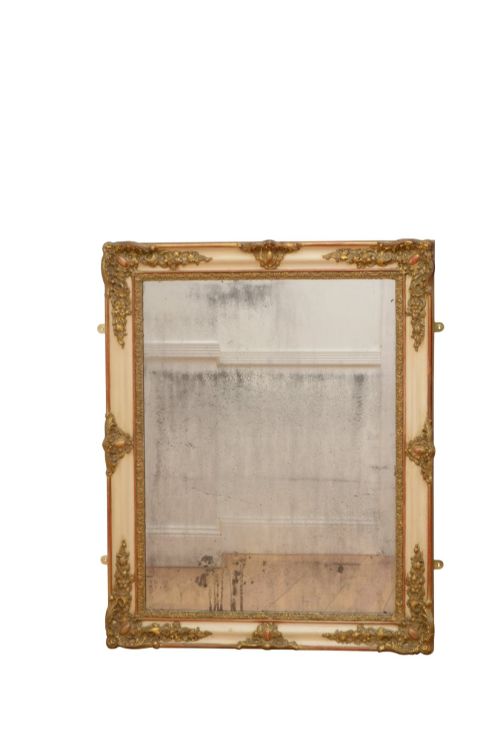

Antique Mirror Plate
An antique mirror plate grounds a room, reflecting light and space through glass forged centuries ago.
Antique Mirror Plate
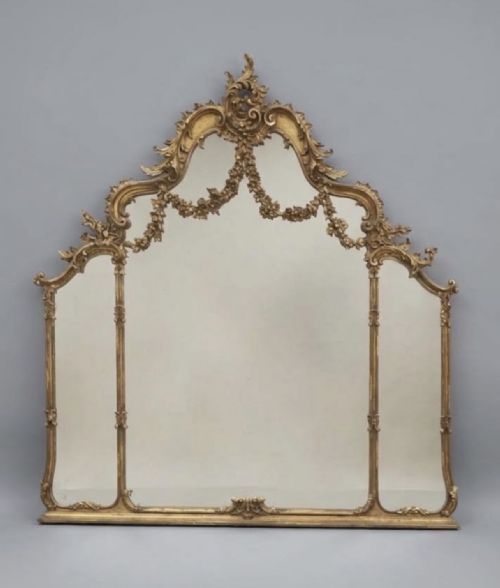
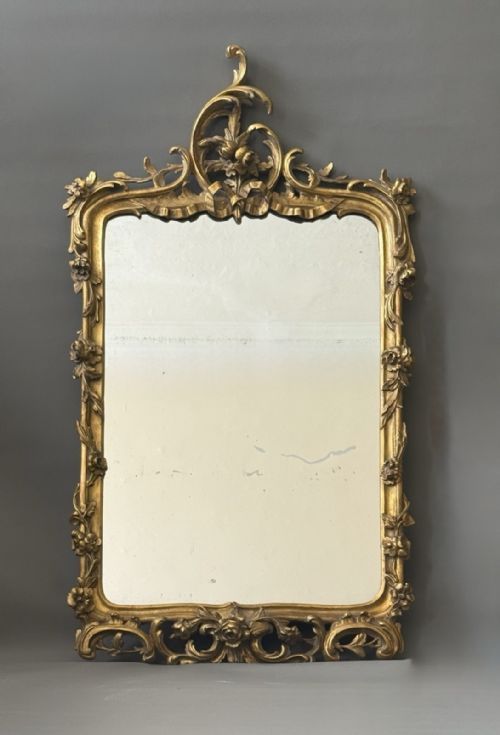
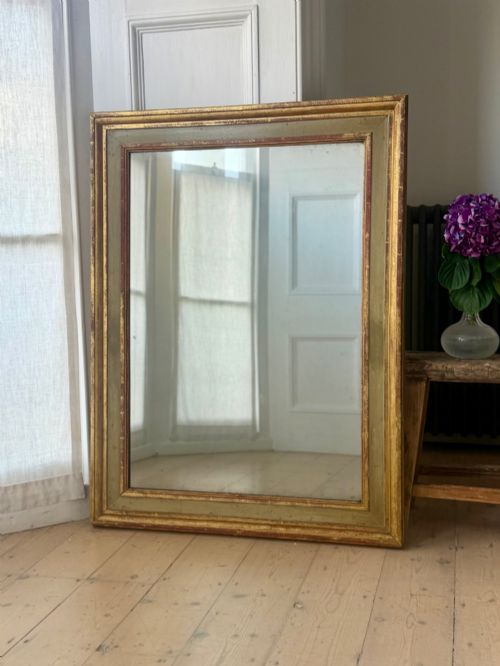
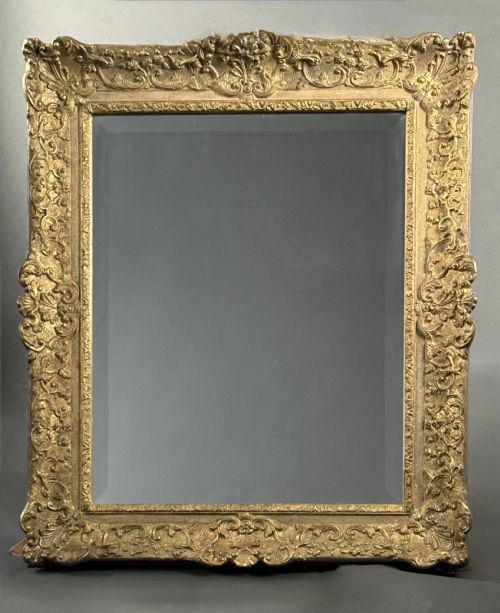
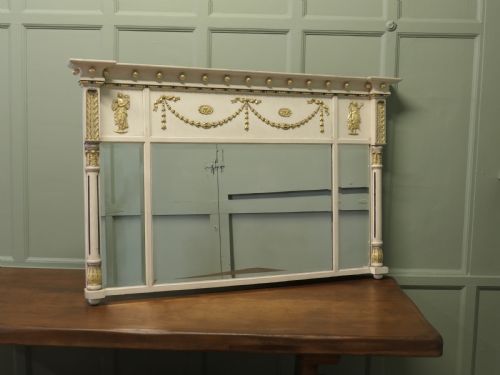
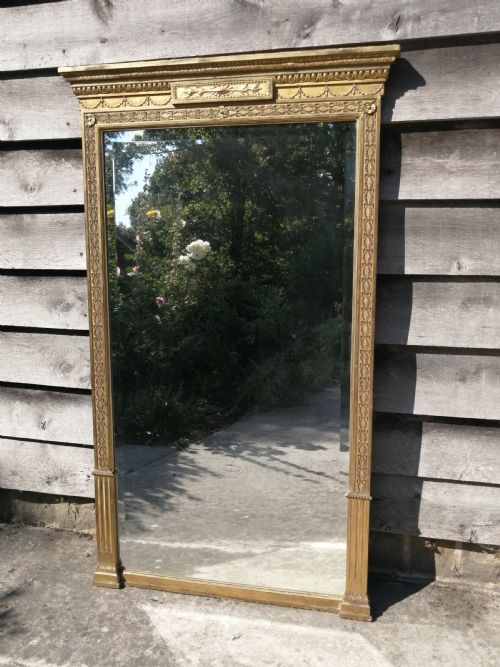
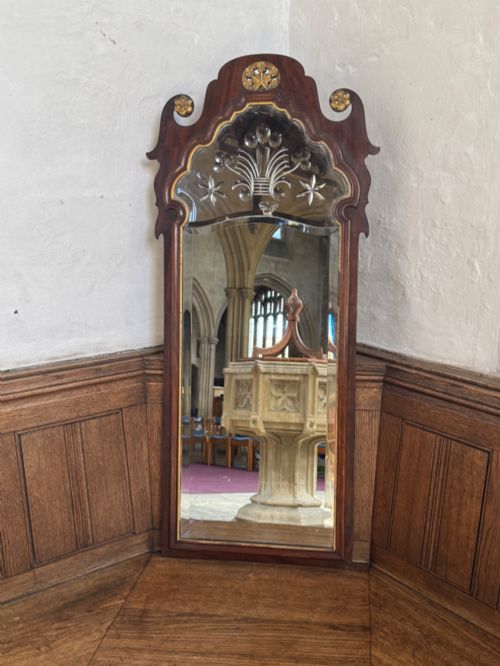
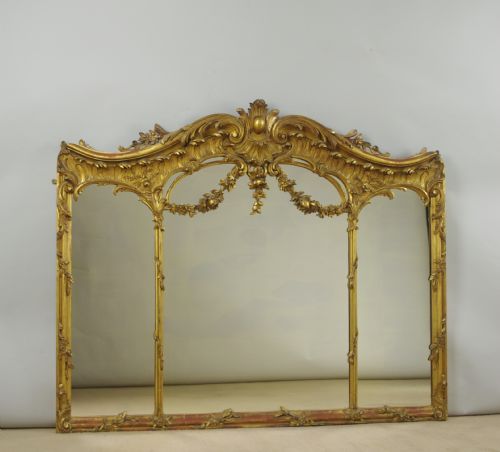
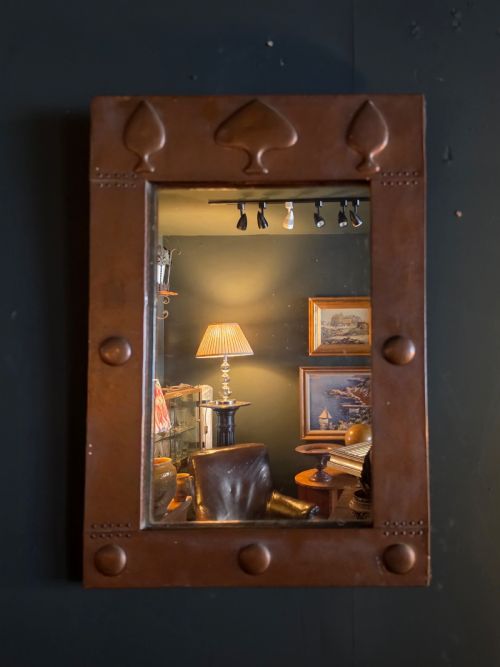
Buyers seeking an antique mirror plate encounter wall hangings, overmantels, and pier glasses spanning the eighteenth, nineteenth, and early twentieth centuries.
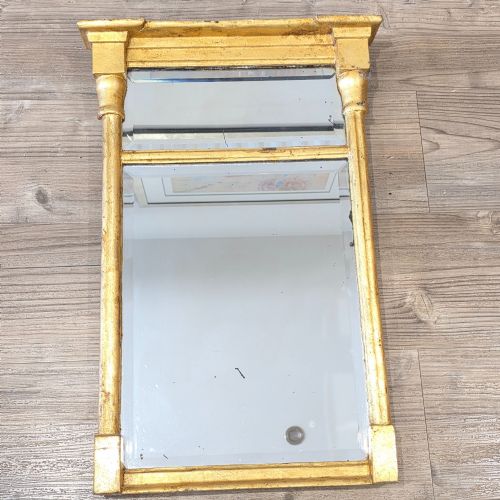
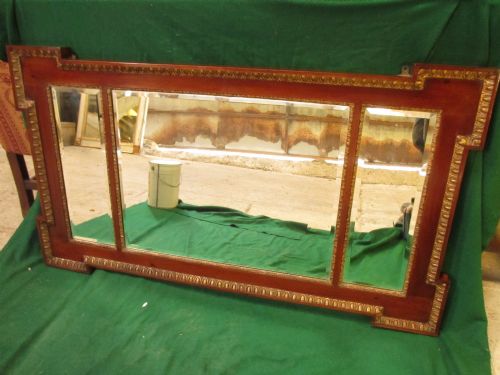
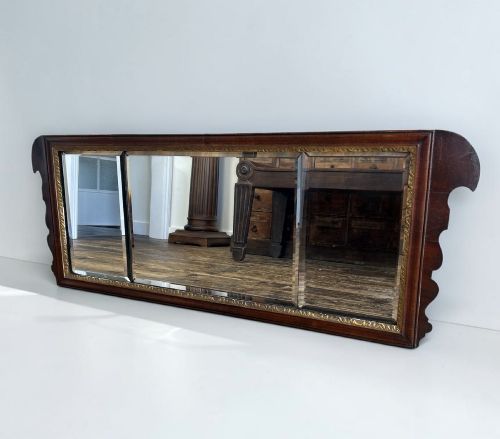
The selection ranges from large tripartite overmantels designed for nineteenth-century drawing rooms to smaller Georgian and Regency wall mirrors.
These pieces utilise historic silvering and framing techniques, predominantly appearing in carved giltwood, gesso, mahogany, and walnut.
Materials and construction methods
Frames rely on timber foundations like mahogany or pine, built up with carved gesso or covered in thin sheets of gold leaf.
Early glass production involves mercury silvering behind blown or cast sheets, creating characteristic dark speckling known as foxing.
Later nineteenth-century examples incorporate bevel-cut edges and silver plate finishes developed through industrial advancements.
Antique Mirror Plate Retail Price Guide 2026
Typical asking prices for mirror plate among the pieces listed under this phrase on Sellingantiques today, from the lower quarter to the upper quarter. They describe what is for sale here now, not the wider market.
The listings span the eighteenth to the twentieth centuries, utilising materials such as giltwood, mercury glass, mahogany, and copper.
Distinguishing quality factors
The integrity of the original glass surface dictates value, where untouched mercury backing or subtle oxidation distinguishes period pieces from replacements.
Carving depth and the crispness of gesso ornamentation reveal the hand of skilled makers rather than mass-produced moulding.
Structural cohesion in the wooden joinery and original gilding layers separate superior framing from later restoration.
Liberty and Company
The Antique Mirror Plate Glossary
- Mercury glass
- A type of glass silvered using a mixture of mercury and tin behind the plate, producing a warm, uneven reflection.
- Foxing
- Small dark spots and patches that develop within the silvering layer of older glass over decades of oxidation.
- Gesso
- A plaster mixture applied to wood frames and carved or gilded once dry.
- Overmantel mirror
- A wide horizontal mirror designed to hang directly above a fireplace mantelpiece.
- Pier mirror
- A tall, narrow mirror made to hang on the wall space between windows.
- Trumeau mirror
- A decorative mirror fitted into a wood-paneled wall or featuring an oil painting above the glass plate.
Antique Mirror Plate: Frequently Asked Questions
What makes antique mirror glass look different?
Older glass plates exhibit slight distortions, handmade imperfections, and varying thickness across the surface. These visual traits occur because historical manufacturing methods lacked modern industrial precision.
Furthermore, the backing materials age over time, resulting in characteristic clouding and dark spots that cannot be replicated by contemporary manufacturing.
How do I date an overmantel mirror?
Dating relies on examining the frame style, construction joints, and the backing of the glass. Georgian and Regency pieces often show hand-cut joinery and heavy giltwood moulding.
Later Victorian and Edwardian examples incorporate machine-bevelling and different backing boards. Comparing these physical traits with known period styles clarifies the era.
How should I hang a heavy antique mirror?
Hanging requires securing the weight directly into structural wall studs using appropriate brackets and steel fixings. Due to the dense wooden frames and thick glass plates, standard picture hooks are insufficient.
Professional installation ensures the frame remains supported without straining the historical joinery or original gesso ornamentation.