

Louis XVI Mirror
When you select a louis xvi mirror, you choose a piece of French neoclassical heritage defined by symmetry, classical restraint and gilded elegance.
Louis XVI Mirror
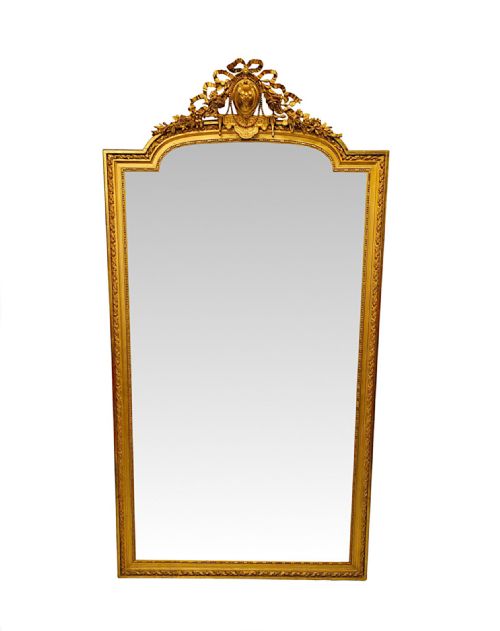
A louis xvi mirror brings restrained neoclassical proportion to an interior, often featuring straight lines, architectural framing and symmetrical ornament derived from classical antiquity.
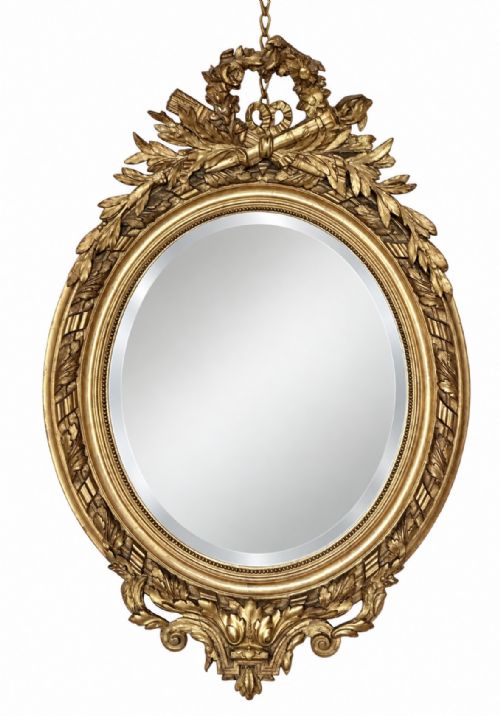
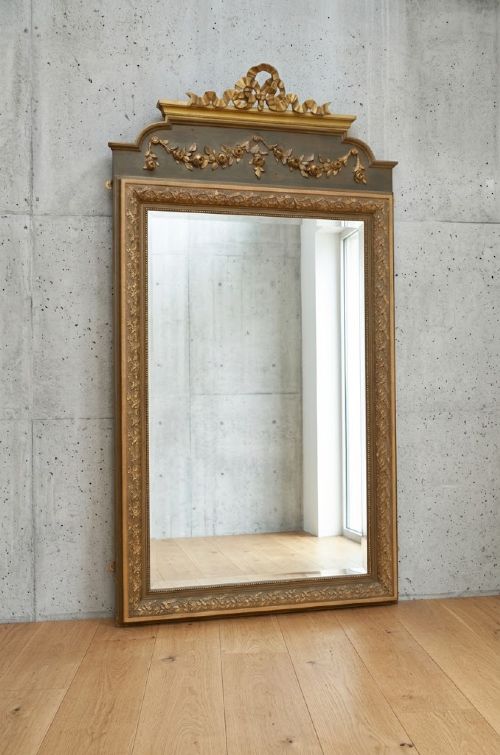
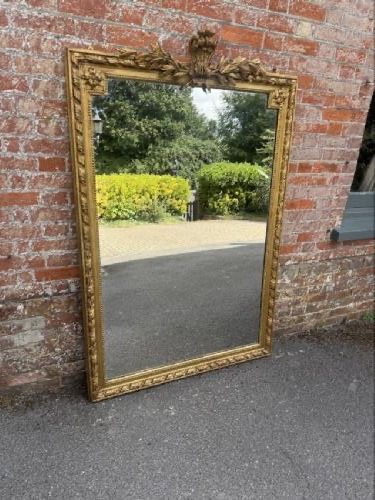
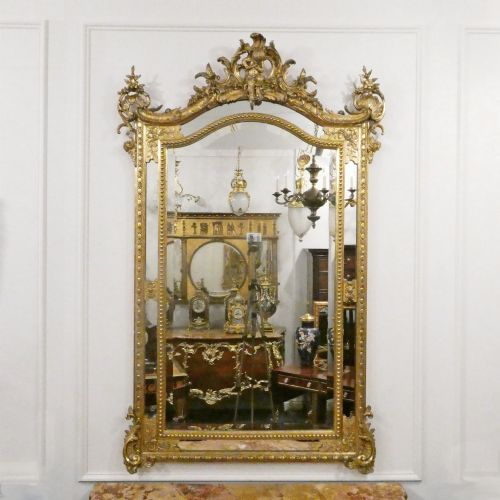
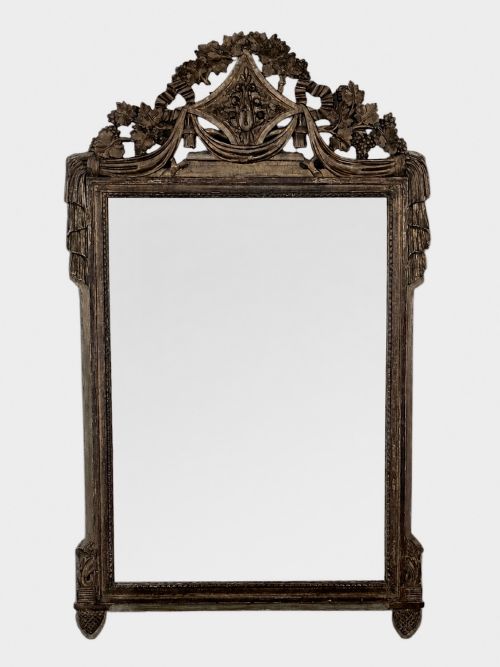
The version most commonly encountered on this page is the French wall mirror or pier mirror, frequently dating from the nineteenth century in the Louis XVI revival style alongside genuine eighteenth-century examples.
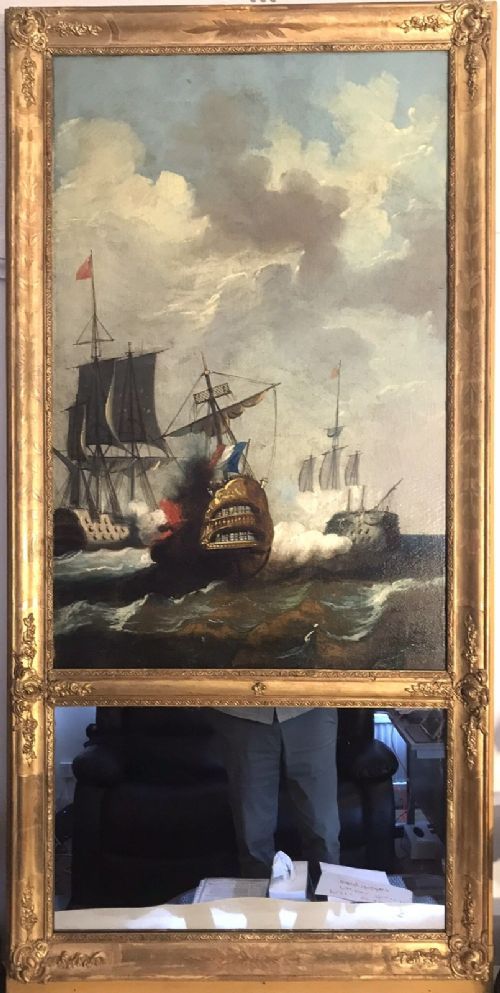
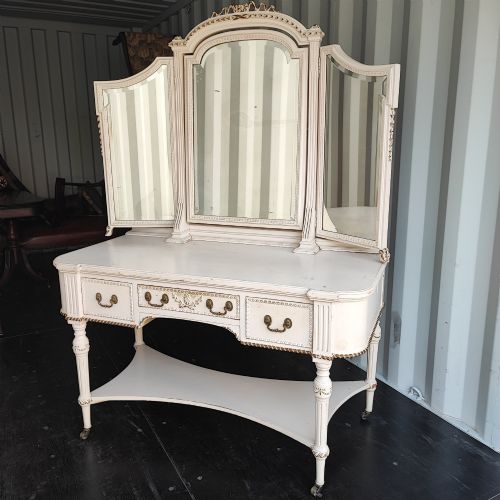
These pieces also appear as trumeau mirrors incorporating oil paintings or panels, marriage mirrors adorned with symbolic motifs, and dressing or cheval mirrors designed for the bedroom.
Materials and construction
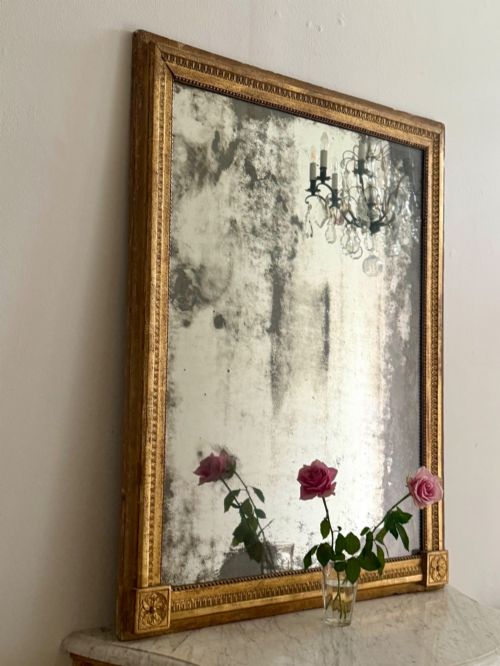
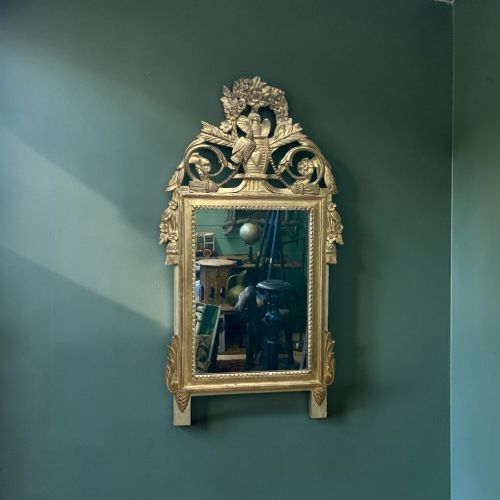
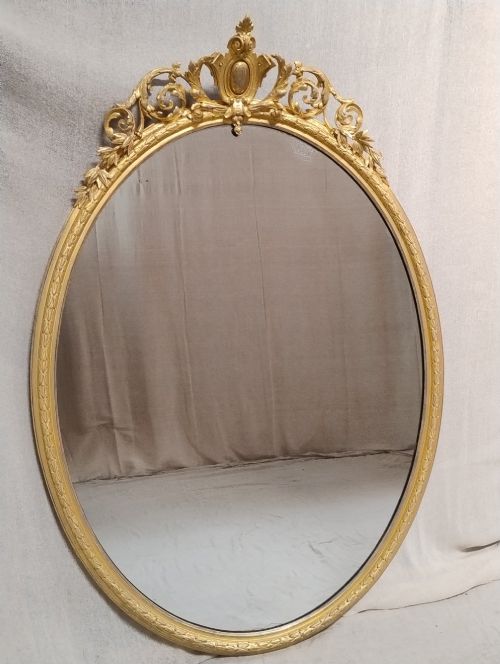
Carved wood and gesso form the structural base of traditional giltwood and painted frames, providing a receptive surface for layers of gold leaf or paint.
Mirrors from this selection incorporate historic glazing techniques, including mercury glass with natural foxing and later bevelled glass plates.
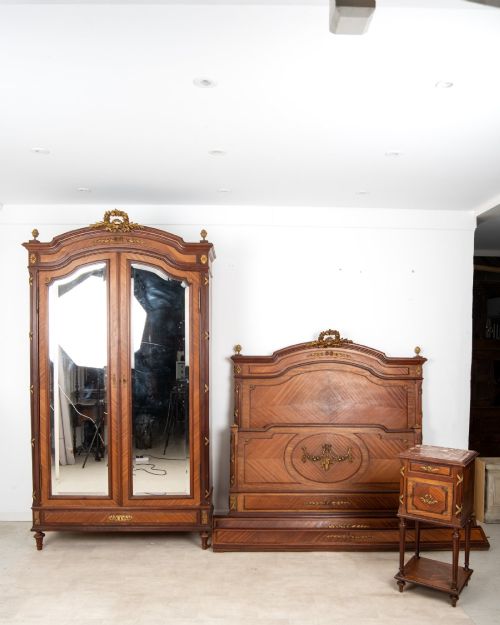
Ormolu mounts, gilt bronze details and painted silk elements appear on specific revival and period pieces, adding decorative contrast to the timber and gilt surfaces.
Louis XVI Mirror Retail Price Guide 2026
Typical asking prices for louis xvi mirror among the pieces listed under this phrase on Sellingantiques today, from the lower quarter to the upper quarter. They describe what is for sale here now, not the wider market.
Listings span the eighteenth, nineteenth and early twentieth centuries, featuring giltwood, mercury glass, painted timber and mahogany.
Distinguishing quality
Quality rests upon the crispness of the carved ornamentation, whether the motifs are hand-carved in wood or cast in composition material.
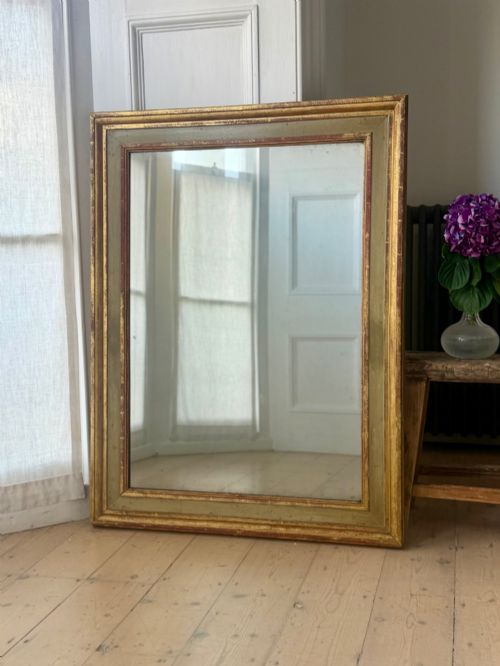
The integrity of the original gilding or paint finish dictates the visual depth of the frame, alongside the character and age of the glass plate it surrounds.
Maples of London and Paris·H and L Epstein
The Louis XVI Mirror Glossary
- Trumeau mirror
- A decorative mirror fitted into a wood-panelled wall or incorporating an integrated painted panel above the glass plate. These often depict pastoral or maritime scenes.
- Mercury glass
- An early type of mirror plate produced by pouring a mercury and tin amalgam behind double-walled blown glass. It develops characteristic dark spots and foxing over time.
- Giltwood
- Timber, usually softwood or gesso-coated wood, covered with thin sheets of gold leaf. This technique creates a warm, luminous metallic finish that matures with age.
- Girandole
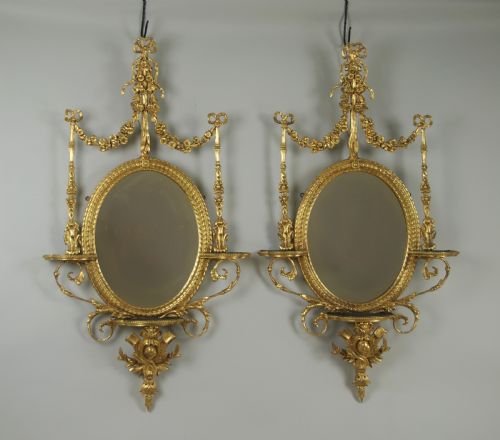
- A wall-mounted mirror featuring attached candle sconces or arms extending from the frame. The polished glass reflects candlelight to illuminate the room.
- Pier mirror
- A tall, narrow mirror specifically designed to hang on the wall space between two windows. They frequently match a console table positioned underneath.
- Ribbon crest
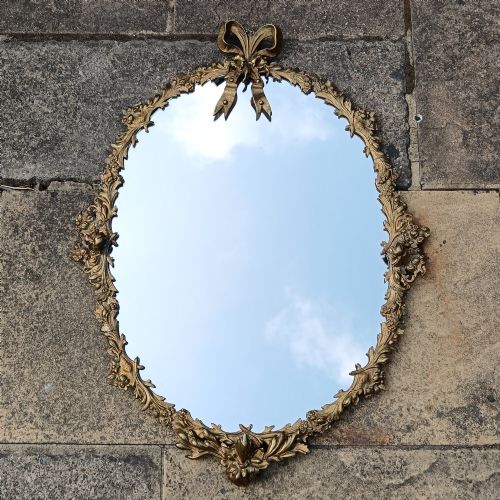
- A decorative carved motif shaped like a tied bow or ribbon situated at the top centre of the mirror frame. It is a frequent feature of French neoclassical design.
Louis XVI Mirror: Frequently Asked Questions
Where should I hang a louis xvi mirror?
These pieces suit placement above a mantelpiece, sideboard or console table where their vertical proportions can draw the eye upward.
They also function effectively between windows as pier mirrors to amplify natural light within a reception room or hallway.
How do I identify a genuine period mirror?
Examine the construction of the wooden frame behind, looking for hand-cut joinery, old fixings and the natural wear associated with age.
Check the glass plate for signs of mercury backing, foxing spots or hand-bevelled edges that distinguish older manufacturing methods.
How do I care for antique giltwood?
Dust the carved frame gently with a soft, dry brush to prevent the accumulation of dirt within the intricate recesses of the gesso.
Avoid using liquid cleaners, polishes or damp cloths on the gilded surface, as moisture can lift the delicate gold leaf.