


Antique Gold Frame Mirror
An antique gold frame mirror brings reflective depth and warmth to a room, drawing on centuries of skilled carving and gilding traditions.
Antique Gold Frame Mirror
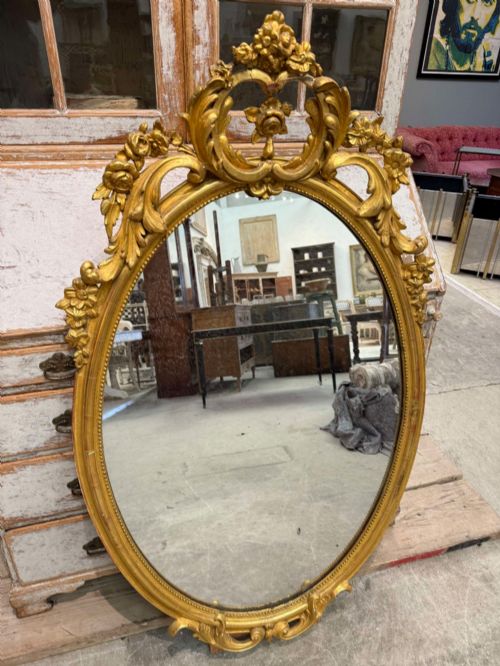
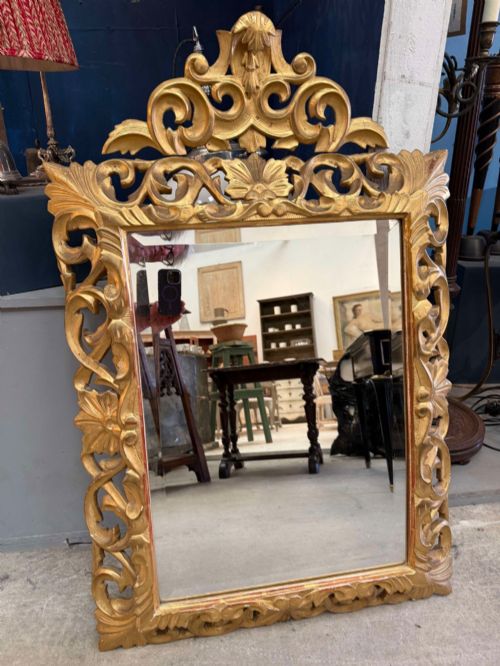
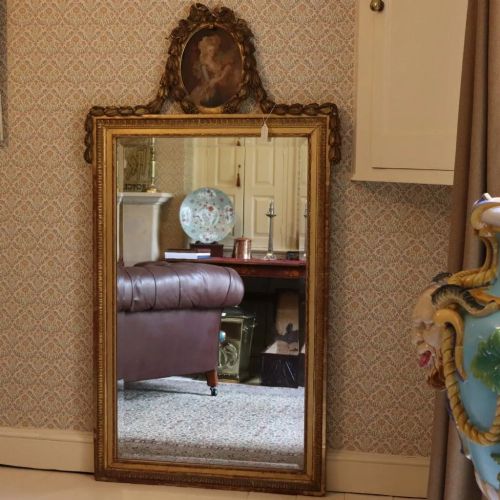
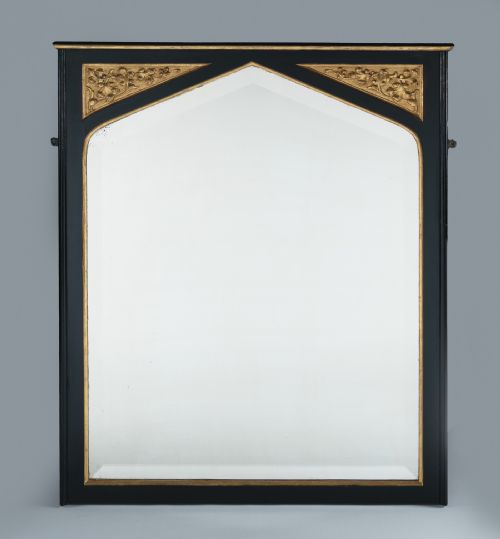
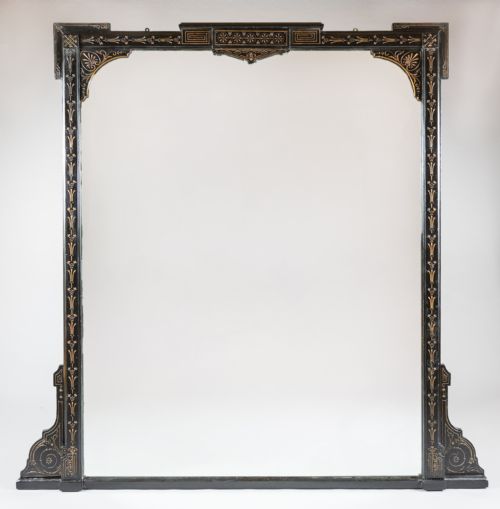
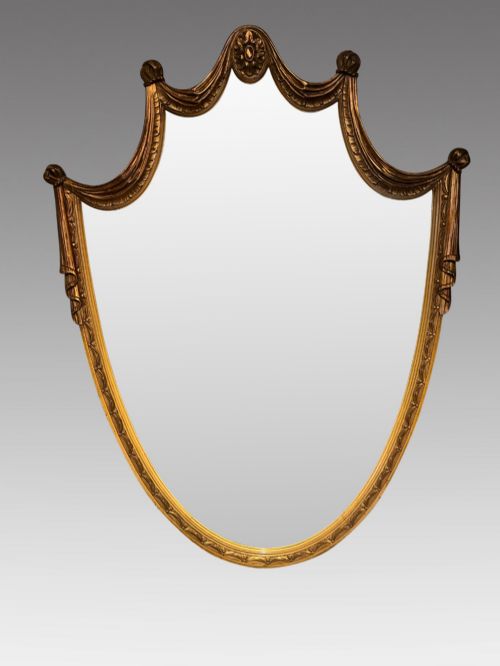
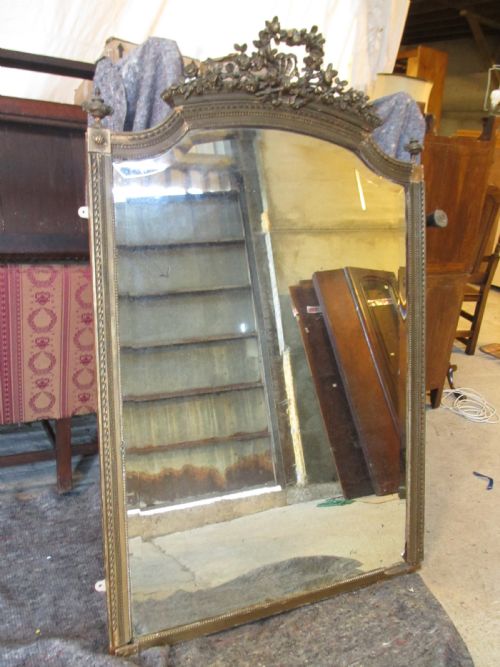
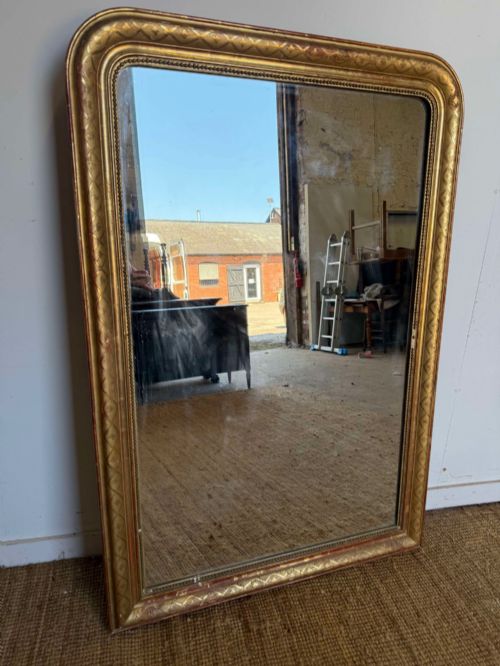
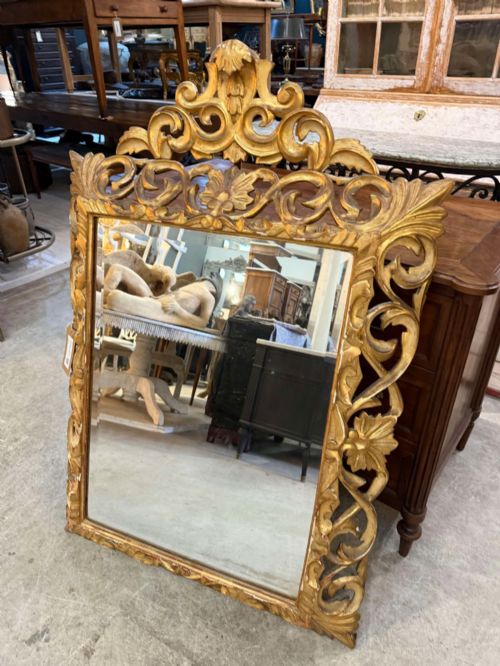
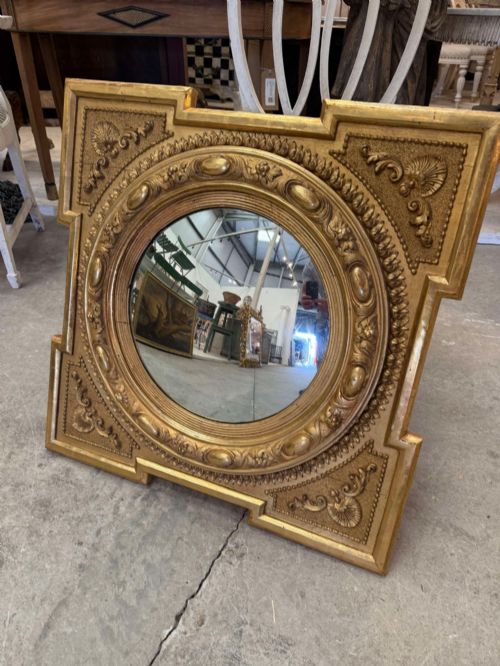
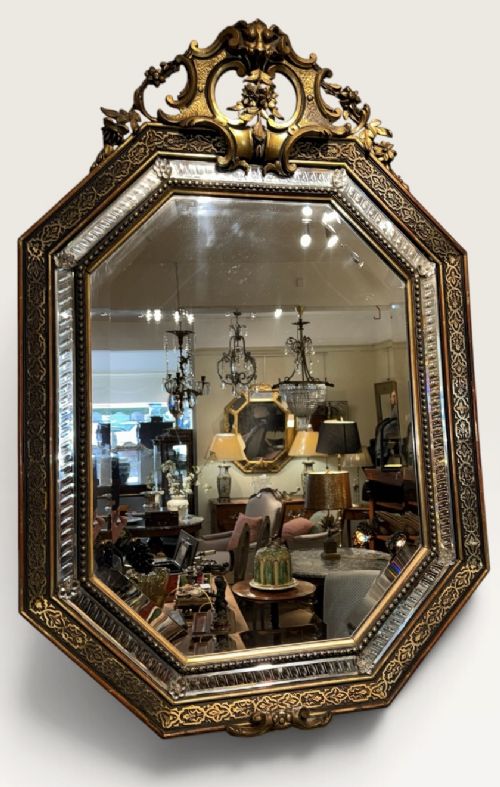
When searching for an antique gold frame mirror, collectors encounter an array of stately forms designed to reflect light and anchor a room's decor. The selection spans grand overmantels, smaller wall mirrors, pier glasses, and girandoles designed to hold candles.
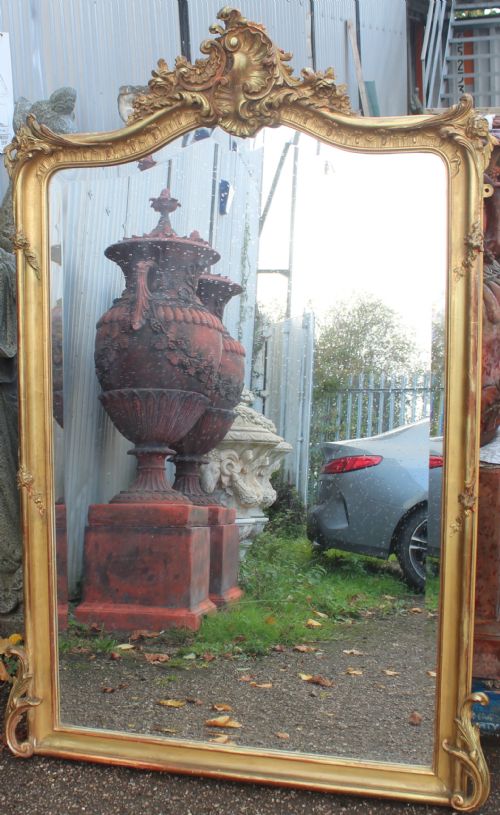
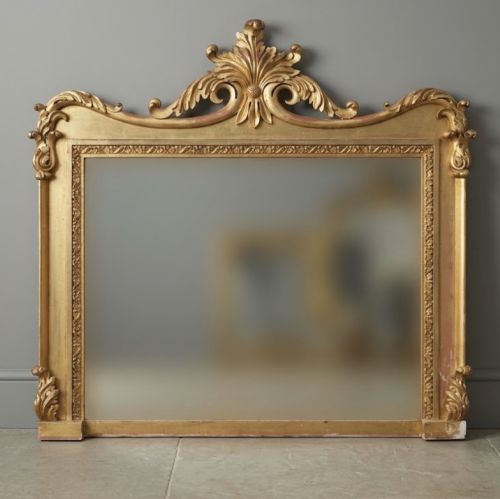
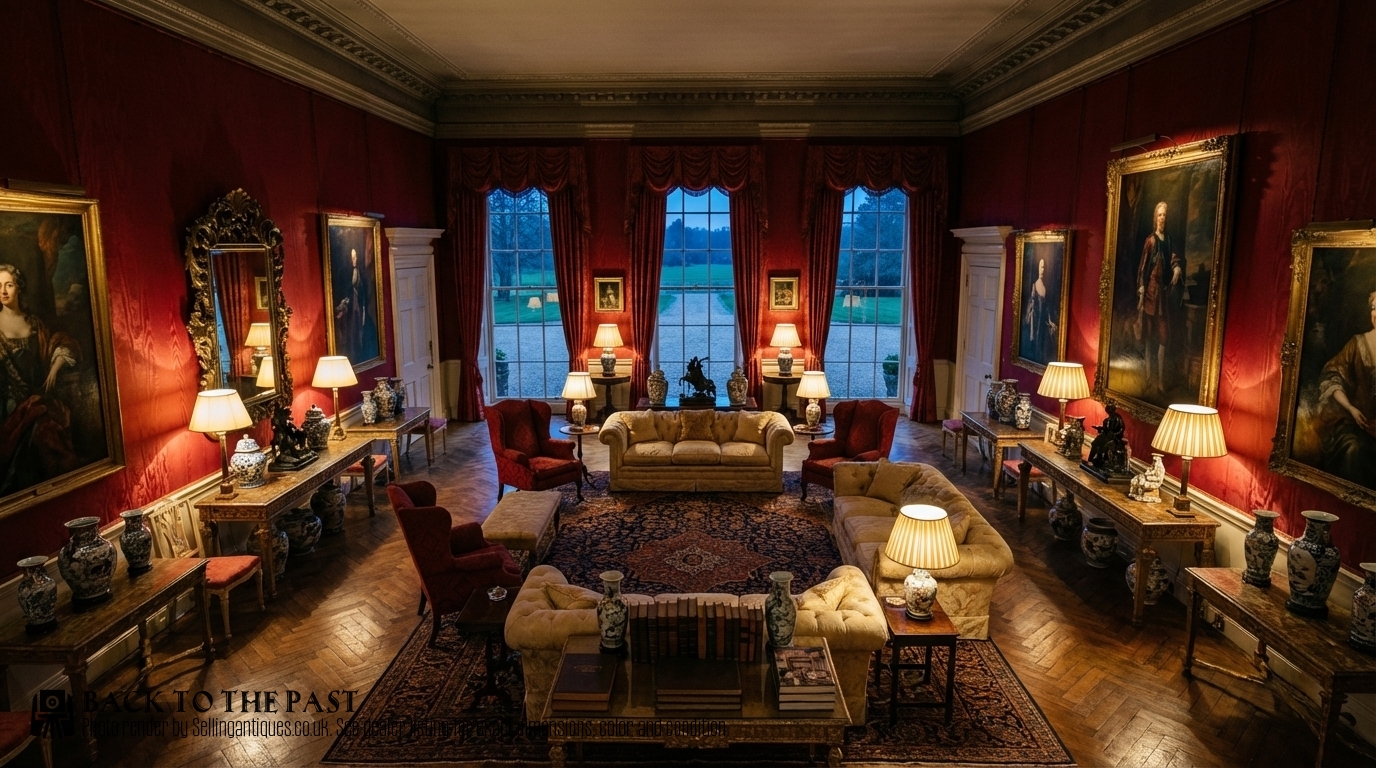
Nineteenth-century English and French pieces dominate the selection, featuring prominently in Victorian and Regency aesthetics. These larger overmantels and wall-hanging examples often display architectural proportions suited to traditional mantelpieces and principal reception rooms.
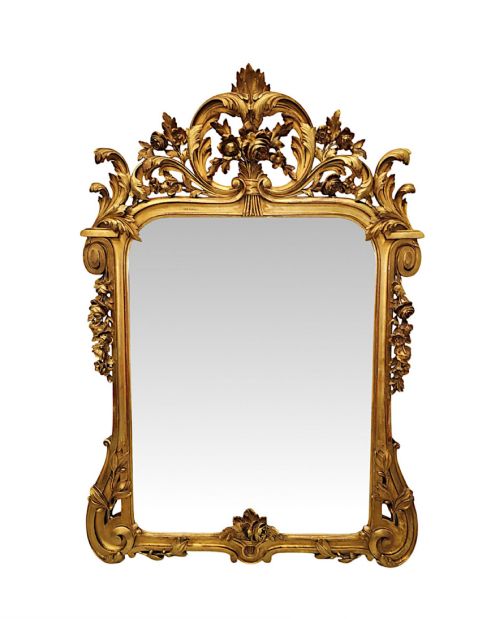
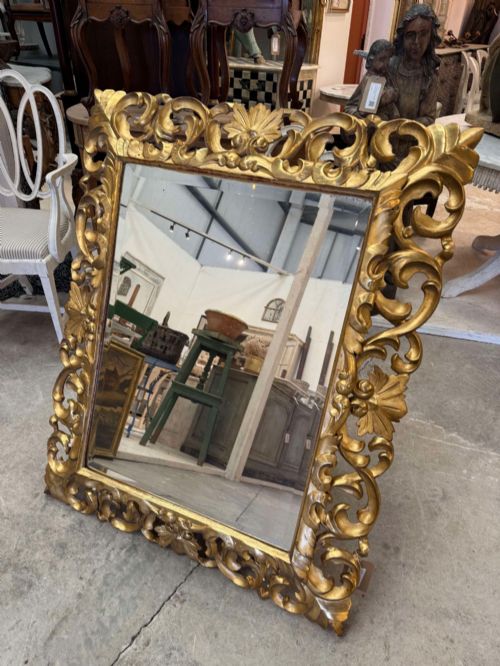
Earlier eighteenth-century variations appear alongside later Victorian and Edwardian interpretations, demonstrating stylistic shifts from restrained parcel gilt walnut to exuberant Rococo Revival ornamentation.
Materials and construction methods
Makers built the structural foundations of these frames from timber such as pine, oak, or walnut, carving directly into the wood or applying moulded composition ornaments. Gesso layers provided a smooth foundation for subsequent applications of gold leaf or liquid gilding.
Reflecting surfaces rely on traditional glass plates, occasionally featuring older mercury backing or noticeable foxing that indicates genuine age. Frames frequently combine carved wooden elements with moulded gesso detailing to achieve deep relief work such as acanthus leaves and ribbon crests.
Antique Gold Frame Mirror Retail Price Guide 2026
Typical asking prices for gold frame mirror among the pieces listed under this phrase on Sellingantiques today, from the lower quarter to the upper quarter. They describe what is for sale here now, not the wider market.
Materials recorded across the inventory include giltwood, gesso, mercury glass, walnut, and carved composition timber.
Judging the quality of gilding and carving
Superior examples display crisp, hand-carved detail in the timber and gesso work, whereas lesser pieces rely heavily on mass-produced composition mouldings that can appear blunt or uniform. The depth of the relief and the crispness of motifs like rope twists or floral garlands distinguish high-workshop output from standard commercial production.
The application of gold leaf versus paint alters the surface brilliance and how it ages over time. Fine pieces retain coherent gilding where burnished highlights contrast against recessed matte areas, showing minimal intervention or poor repainting.
Charles Nosotti
The Antique Gold Frame Mirror Glossary
- Giltwood
- Wood that has been coated with gold leaf or powder over a preparatory layer. This finish provides a luminous and durable surface that patinates gracefully.
- Gesso
- A plaster-like mixture applied to a wooden frame base to create a smooth surface for carving or gilding. It allows for intricate relief ornamentation.
- Overmantel mirror
- A large horizontal mirror specifically scaled to hang above a fireplace mantelpiece. These pieces frequently feature arched tops or decorative crests.
- Mercury glass
- An early type of double-walled silvered glass produced by pouring a mercury amalgam between two glass layers. It often develops characteristic dark spots known as foxing.
- Girandole
- A decorative wall mirror fitted with attached candle sconces or arms. The candles reflect dynamically in the glass plate.
Antique Gold Frame Mirror: Frequently Asked Questions
How do I hang a heavy overmantel mirror safely?
Large overmantel mirrors require robust wall fixings secured directly into masonry or solid structural studs. Professional mirror hangers usually employ heavy-duty brackets to distribute the considerable weight of timber and glass.
Position the mirror at a height that balances the proportions of the fireplace and the surrounding wall space. Ensure the hanging wire or integrated D-rings match the substantial load of the frame.
What causes dark spots on old mirror glass?
Dark spots and clouding, often called foxing, occur when moisture infiltrates the backing behind the glass plate over many decades. This chemical reaction affects older silvering or mercury applications, creating distinctive mottled patterns.
Many collectors value foxing as a definitive sign of authenticity and age. It distinguishes vintage and antique plates from modern manufactured glass.
How do I tell a Victorian mirror from a Regency one?
Regency mirrors frequently feature classical motifs such as rope twists, ball accents, and architectural cornices reflecting early nineteenth-century neoclassical tastes. The frames tend to emphasise clean lines alongside disciplined ornamentation.
Victorian pieces often display heavier, more exuberant decoration including naturalistic acanthus leaves, rose vines, and elaborate rococo scrolls. Their proportions lean towards ornate statement styling suited to mid-to-late nineteenth-century interiors.