

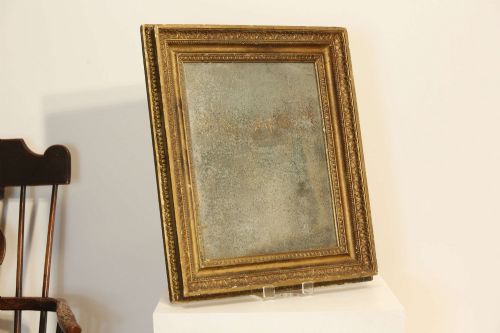
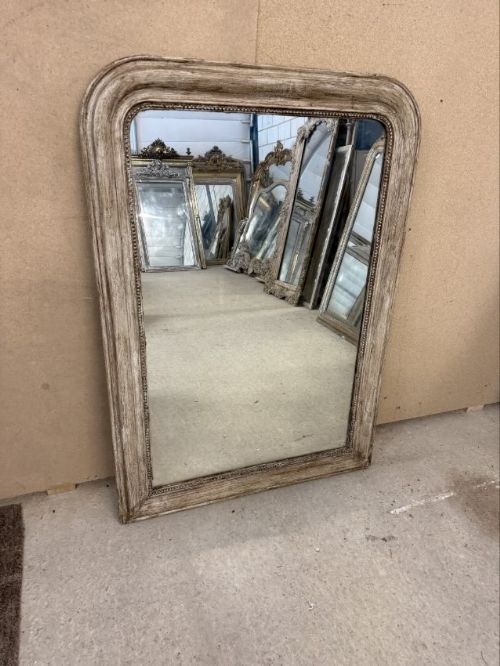
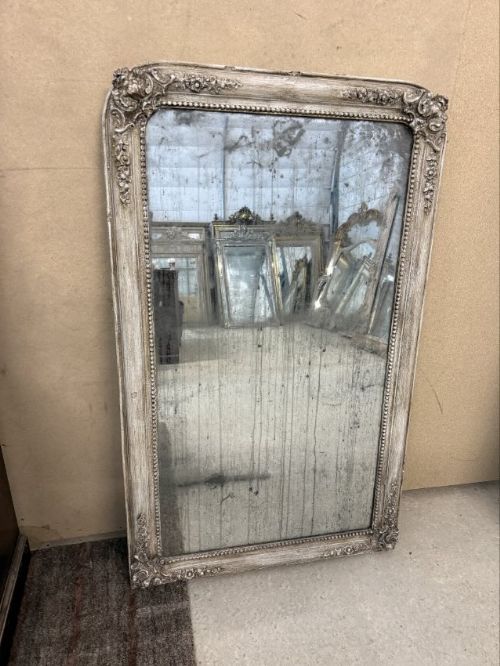
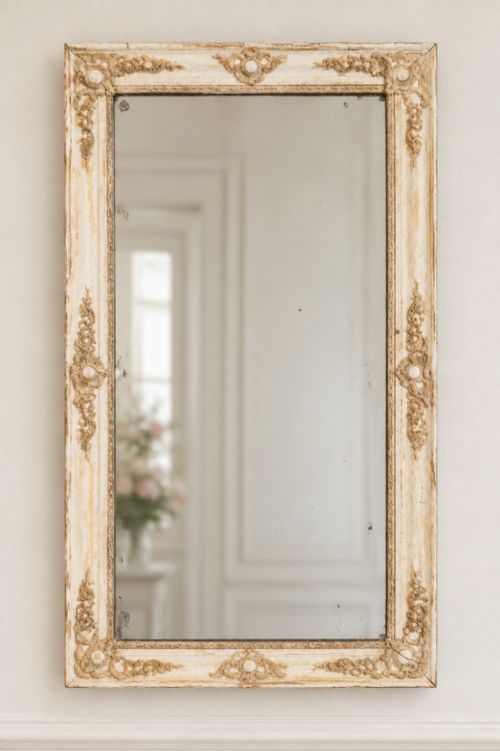


Distressed Glass Mirror
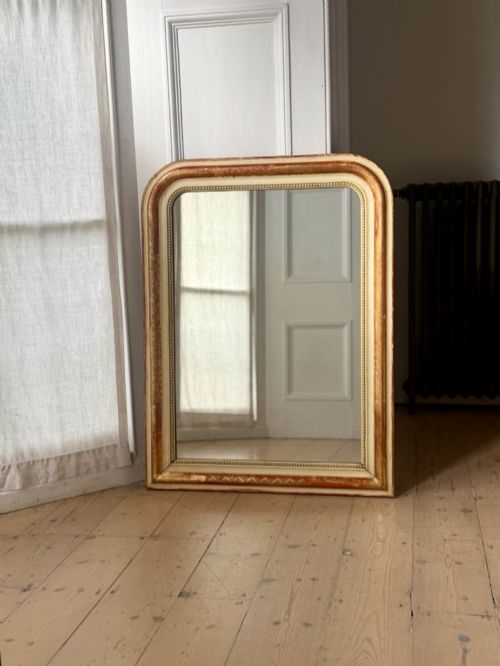
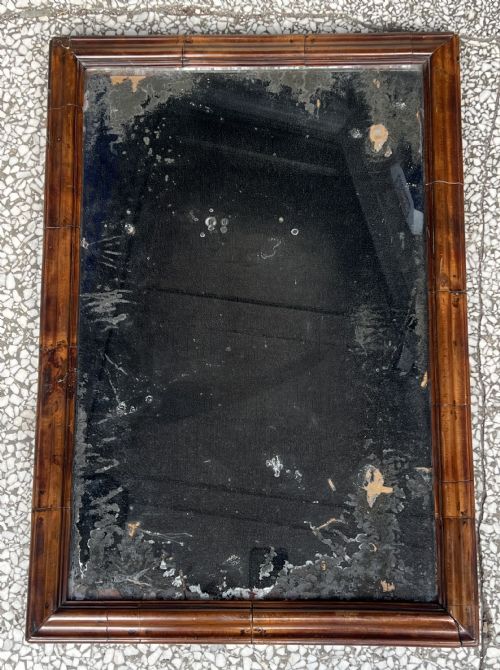
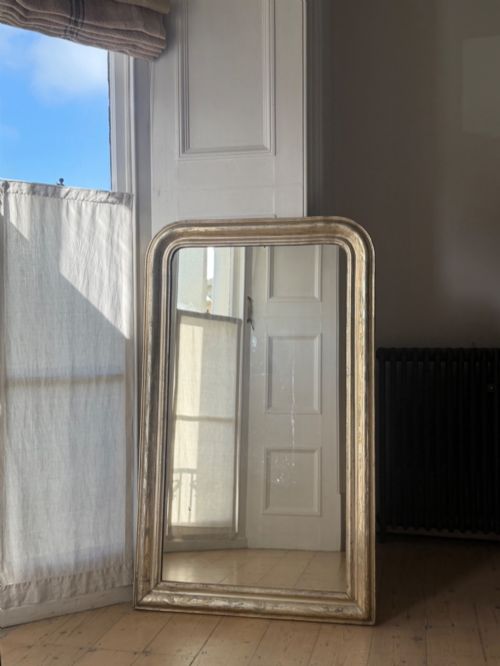
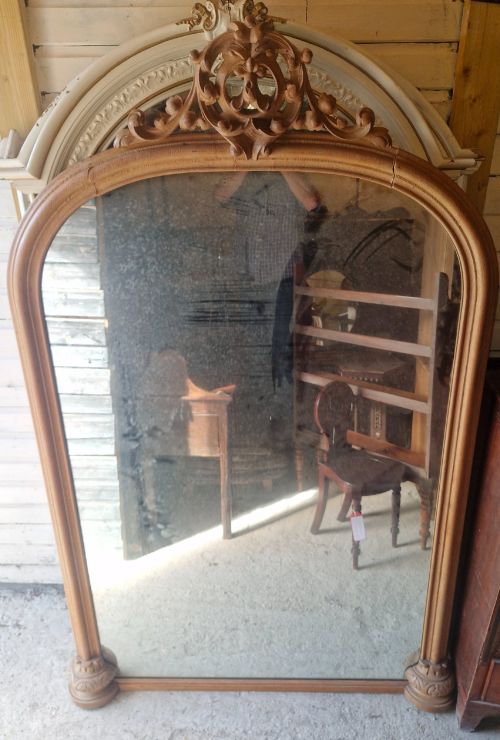
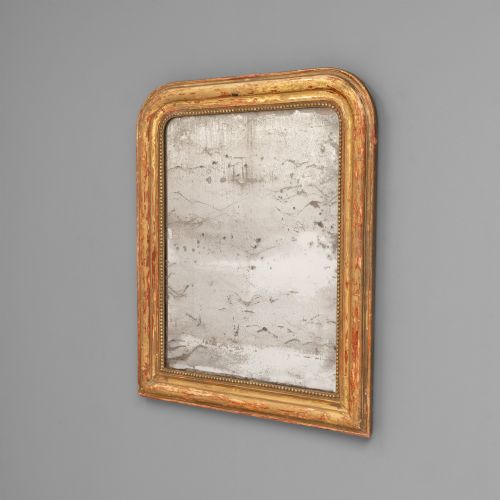
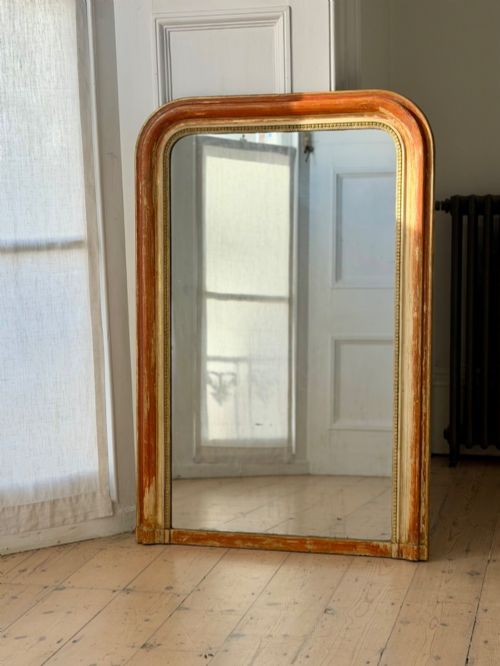
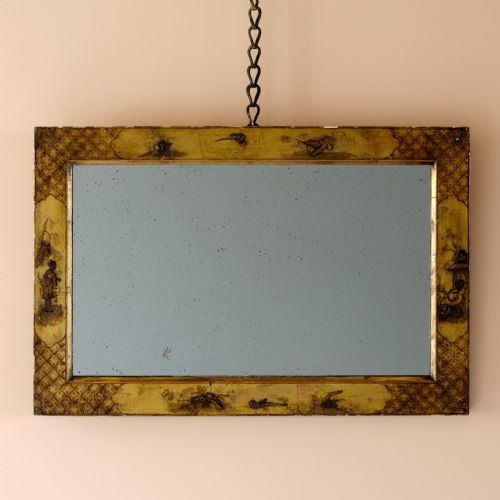
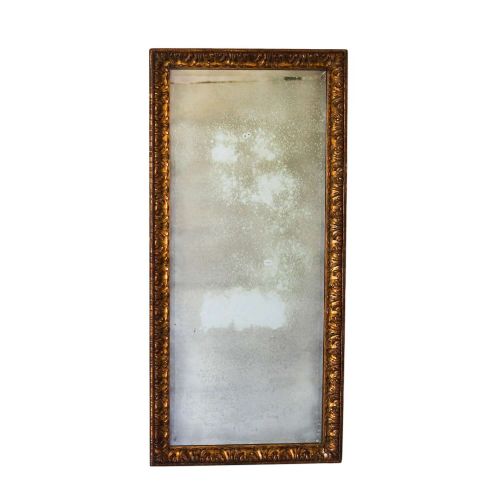
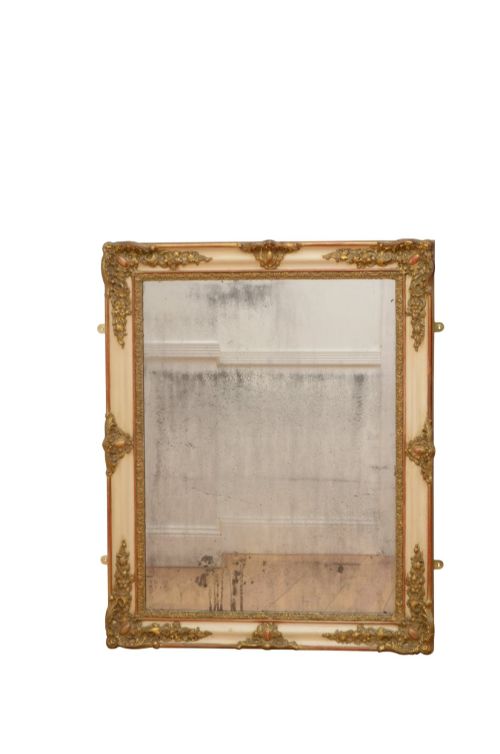
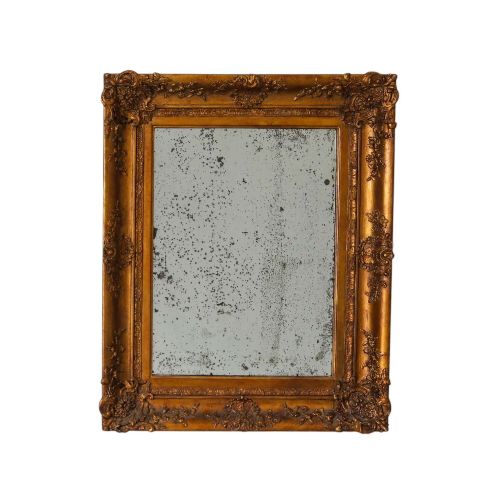
These pieces are a distressed glass mirror, sought after for the character of their aged, foxed plates and ornate period frames.
Distressed Glass Mirror
A distressed glass mirror brings together centuries of decorative tradition, predominantly spanning the eighteenth and nineteenth centuries with notable Georgian and Victorian examples. Buyers search for a distressed glass mirror to introduce authentic historic depth into a room through aged plates and weathered frames.
The selection here ranges from grand French trumeau and overmantle mirrors to smaller dressing table and girandole pieces. Regional styles heavily influence the form, taking in Italian Baroque and Rococo alongside English country house pieces and French provincial designs.
Materials and construction
Frames are constructed from wood, carved wood, and gesso, frequently finished with gold leaf, oil gilt, or paint. These traditional materials provide the structural foundation for intricate ornamentation such as giltwood carvings and painted motifs.
The reflective surfaces utilise original mercury glass or silvered plates that naturally degrade over time, producing the characteristic foxed and distressed appearance seen across the selection.
Distressed Glass Mirror Retail Price Guide 2026
Typical asking prices for distressed glass mirror among the pieces listed under this phrase on Sellingantiques today, from the lower quarter to the upper quarter. They describe what is for sale here now, not the wider market.
Carousel mirrors occasionally slip into the collection, bringing unexpected fairground charm to antique wall decor.
Assessing quality and craftsmanship
Quality rests in the harmony between the original mercury glass plate and the depth of the hand-carved gesso frame. Finer examples display crisper detail in the carved wood elements and a more uniform, natural degradation across the mirror plate rather than artificial ageing.
The distinction between standard and superior pieces also lies in the integrity of the original gilding and paintwork, where genuine layered gold leaf or period oil paint shows an authentic patina earned through decades of history.
The Distressed Glass Mirror Glossary
- Mercury glass
- A type of glass popular in antique mirrors, created by pouring a silvering mixture between double-walled glass, which naturally develops foxing and dark spots over time.
- Foxing
- The speckled, mottled degradation on an antique mirror plate caused by the breakdown of the backing material, creating dark patches.
- Trumeau mirror
- A decorative mirror designed to fit into the wood-panelled wall of a room or above a fireplace, often incorporating painted panels or carvings above the glass.
- Gesso
- A plaster-like mixture applied to wood frames to create a smooth surface for subsequent gilding or painting.
- Overmantle mirror
- A large horizontal mirror specifically scaled to hang on the wall directly above a mantelpiece.
Distressed Glass Mirror: Frequently Asked Questions
What is a distressed glass mirror?
A distressed glass mirror is an antique looking-glass featuring an aged plate with foxing, silver loss, or dark spots, housed within a period frame of wood, gesso, or gilt.
These pieces showcase historical manufacturing techniques from the eighteenth and nineteenth centuries, offering a decorative focal point with deep character.
How do I hang a heavy antique mirror?
Hanging a heavy antique mirror requires securing fixings directly into the structural wall studs or masonry rather than relying solely on plasterboard.
Professional wall-mounting hardware rated for the specific weight of carved wood and gesso frames ensures the piece remains safely supported.
Are the mirror plates original?
Many listings feature original mercury glass or early silvered plates that have naturally aged and developed foxing over time.
Examining the back of the plate and the consistency of the degradation helps distinguish authentic period glass from later replacements.
How do I clean distressed glass?
Cleaning distressed glass requires a soft, dry microfibre cloth to gently remove dust without disturbing the delicate aged surface.
Harsh chemical cleaners or excessive moisture must be avoided, as they can penetrate behind the plate and accelerate damage to the original backing.