

Antique Mercury Mirror
When choosing an antique mercury mirror, buyers select pieces defined by historic glass plates and carved wooden frames originating across eighteenth and nineteenth century Europe.
Antique Mercury Mirror
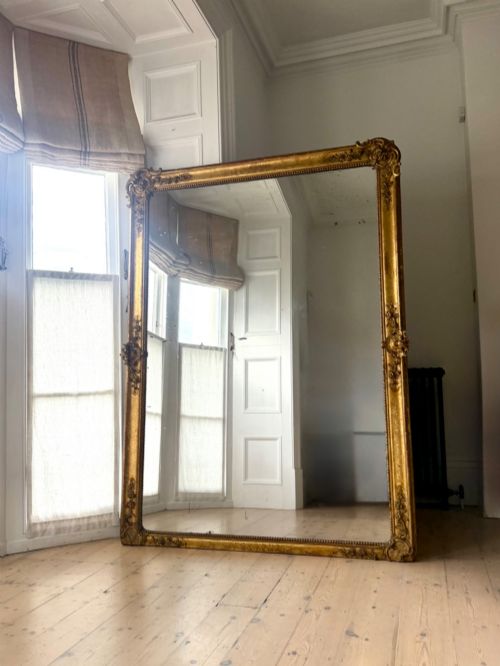
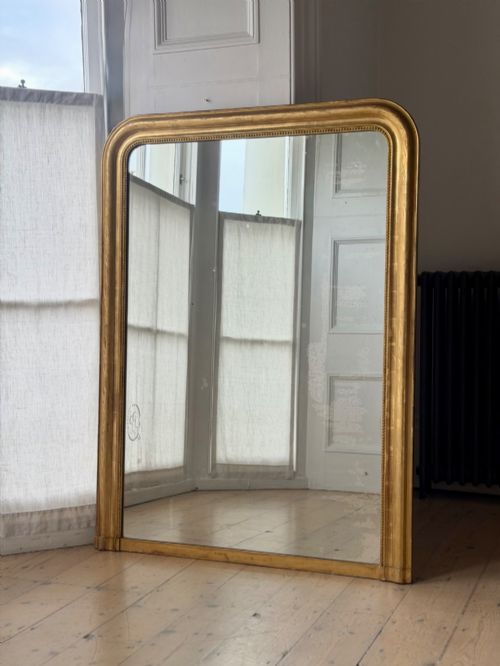
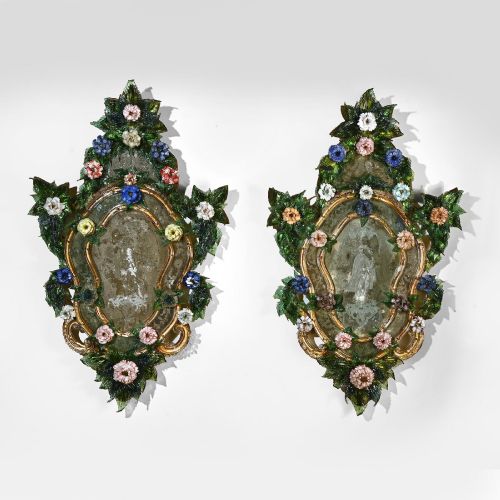
The search for an antique mercury mirror reveals pieces intended for wall hanging, overmantel placement, and pier glass display. These objects emerge predominantly from eighteenth and nineteenth century French workshops, alongside English, Italian, and regional European makers.
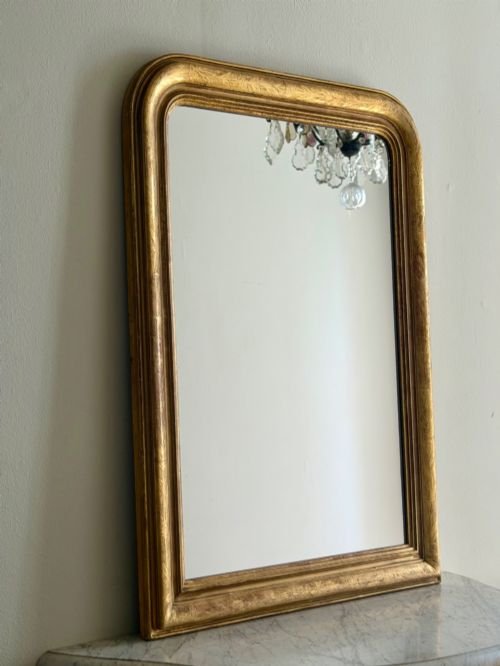
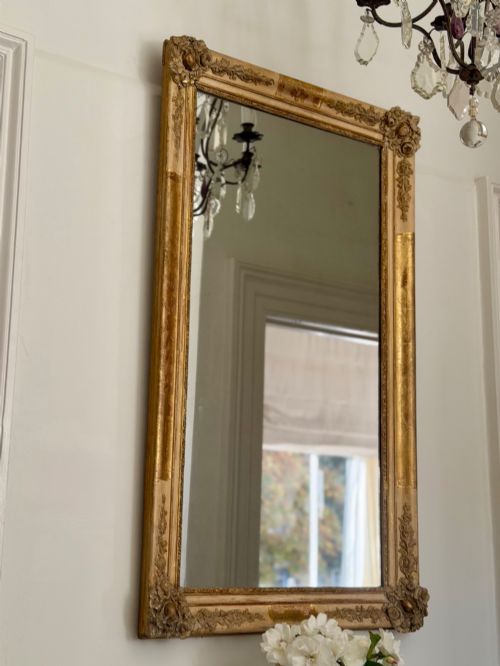
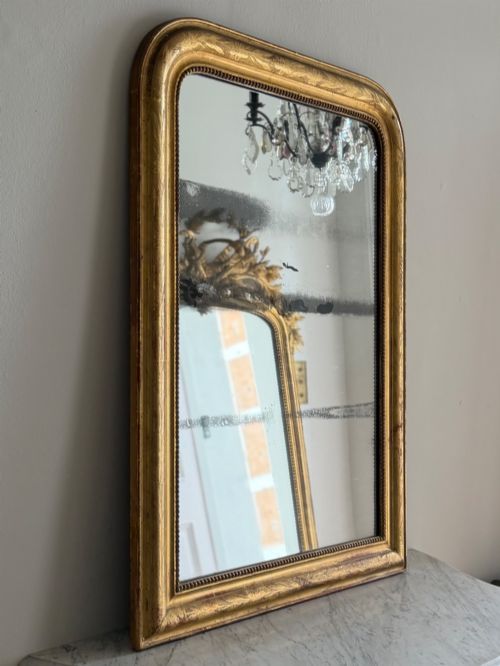
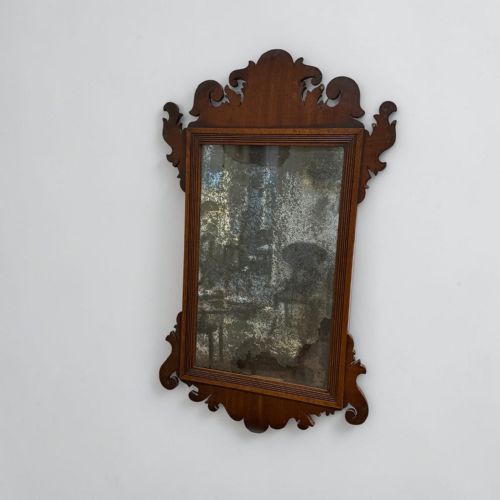
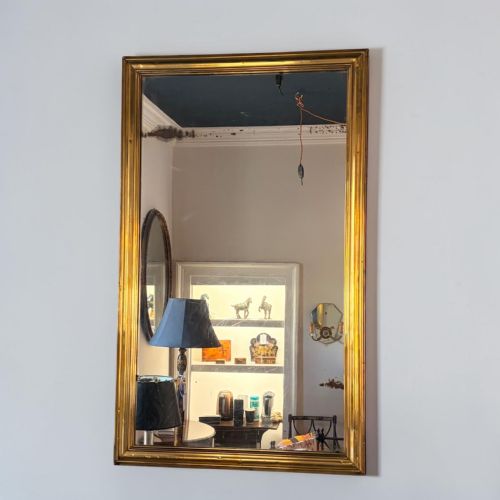
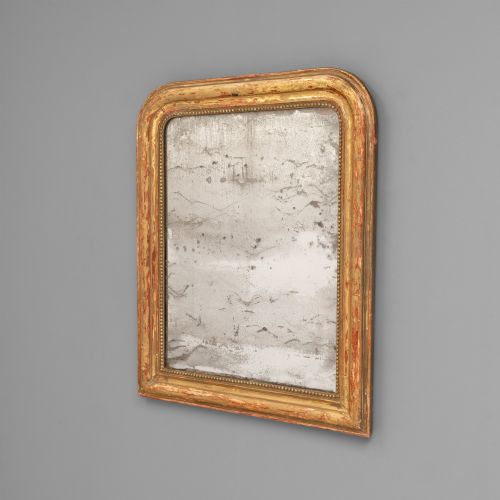
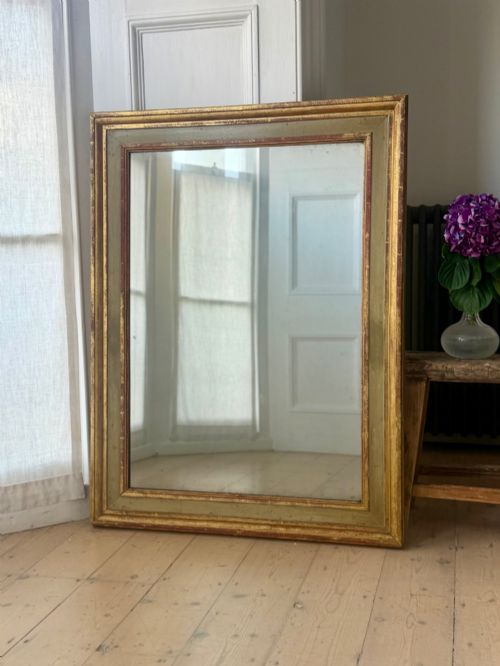
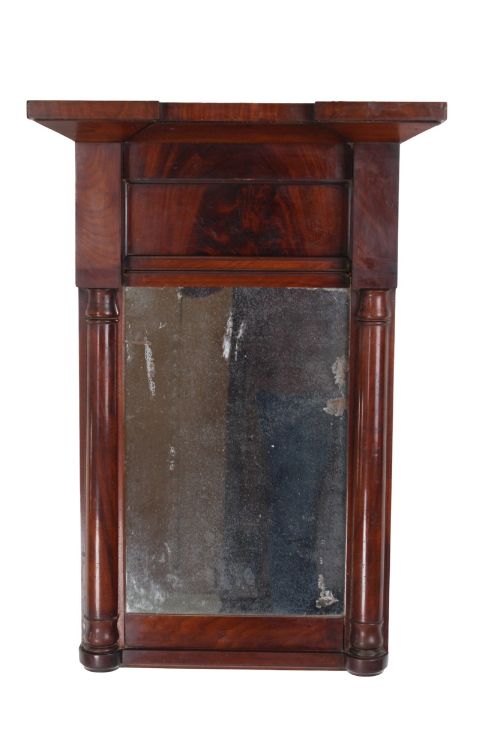
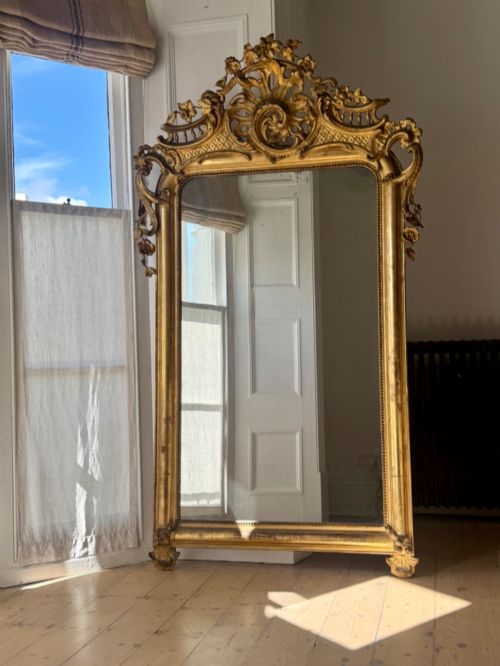
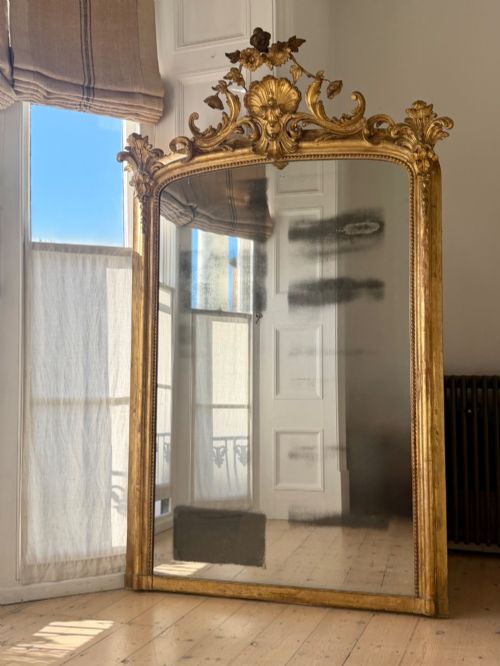
Buyers encounter grand scale trumeau frames, tall bistro mirrors, and carved giltwood styles alongside simpler mahogany and painted surrounds. The most frequent examples on this page are French giltwood wall mirrors bearing original or foxed mercury glass plates from around eighteen hundred.
Forms extend beyond domestic wall art to include barometers, pendant lights, and dressing table accessories utilising silvered glass. Each variation retains the heavy weight and distinctive reflective quality characteristic of early mirror manufacturing methods.
How they were made
Makers constructed these frames using timber substrates such as mahogany, pine, and birch, applied with layers of gesso before finishing with gold leaf or paint. Giltwood and brass mounts provide the decorative structure surrounding the fragile glass panels.
The reflective plates relied on a tin and mercury amalgam applied to the rear of the float glass, a technique distinct from modern silver nitrate processes. This historical method produces the characteristic depth and subtle imperfections seen on the plates today.
Some nineteenth century sorcerer mirrors offered distorted reflections designed to amuse guests in Victorian parlours.
What varies in quality
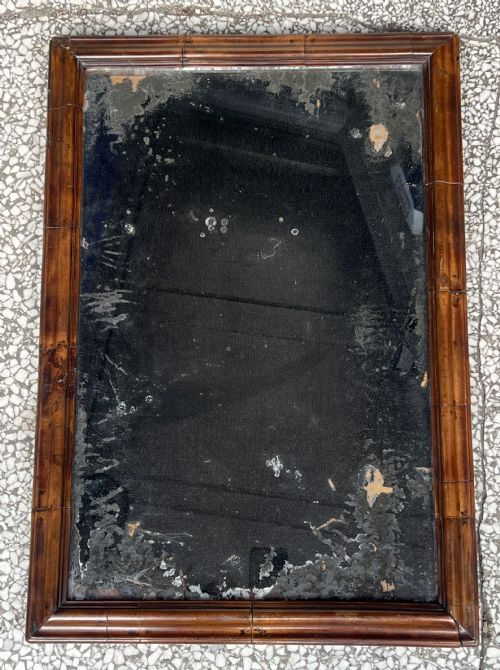
The integrity of the original mercury plate dictates the desirability of a piece, with undisturbed silvering sitting at one end and heavily foxed or degraded surfaces at the other. Originality of the glass and frame combination remains paramount for collectors.
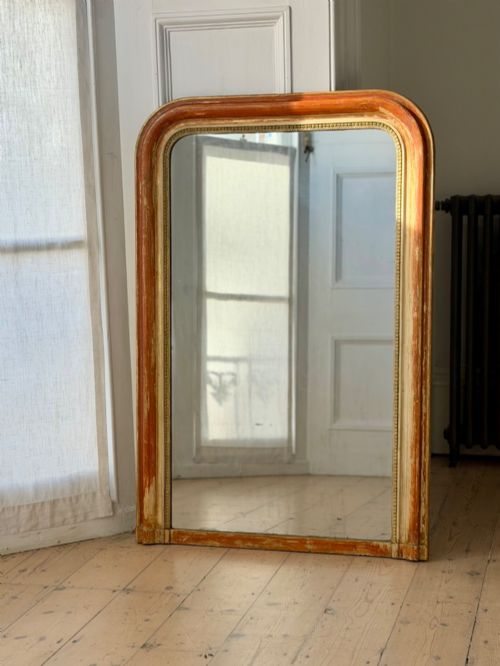
Carving depth and the preservation of original gilding or paint layers distinguish standard domestic items from grand scale salon pieces. Fine execution in the gesso work and joinery reflects the standing of the original workshop.
Jenkins Of Old Swindon
The Antique Mercury Mirror Glossary
- Mercury glass
- A blown or flat glass plate backed with a tin and mercury amalgam rather than modern silver. This historical medium creates a warm, deep reflection that darkens gracefully over time.
- Foxing
- The appearance of dark spots, speckles, or cloudy patches within the mirror plate caused by the degradation of the backing amalgam. Collectors prize this ageing for the visual texture it brings.
- Pier mirror
- A tall, narrow glass designed to hang on the wall space between windows. These pieces often feature matching console tables or lower frames tailored to architectural proportions.
- Trumeau mirror
- An ornate wall glass incorporating a painted panel or oil painting within the upper section of the frame. Originating in neoclassical interiors, these pieces served as permanent architectural fittings.
- Giltwood
- Timber carved and coated with fine layers of gold leaf over a prepared gesso base. This finish provides the bright metallic lustre seen on formal European frames.
Antique Mercury Mirror: Frequently Asked Questions
What is an antique mercury mirror?
An antique mercury mirror is a historic looking glass utilising a tin and mercury amalgam backing rather than modern chemical silvering. These pieces date primarily from the eighteenth and nineteenth centuries.
Craftsmen set these heavy glass plates into frames of carved giltwood, mahogany, or painted gesso. They served as functional furnishings and decorative architectural elements in period interiors.
Why does the glass look spotted?
The spots and clouds, known as foxing, occur as the historical mercury backing slowly oxidises and separates from the glass plate over centuries. Environmental exposure and humidity accelerate this chemical transformation.
Many collectors value this natural degradation because it proves the glass is an original mercury plate rather than a modern replacement. The mottling creates a soft, atmospheric reflection unique to each piece.
Where should I hang a pier mirror?
Pier mirrors were originally built to occupy the narrow wall space between two windows, reflecting additional light into dimly lit historic rooms. Placing one above a low sideboard, console table, or mantelpiece achieves a similar balanced proportion in a modern interior.
Because these frames are often tall and heavy, secure wall fixings attached directly to structural studs are essential for safe installation.
How do I care for antique glass?
Cleaning requires a soft, dry microfiber cloth to remove dust without disturbing the delicate surface of the frame or the aged glass plate. Avoid commercial liquid glass cleaners, as moisture can seep behind the frame and worsen the degradation of the mercury backing.
Keeping the mirror away from direct sunlight and damp environments preserves both the gilded wood and the remaining silvering on the plate.