

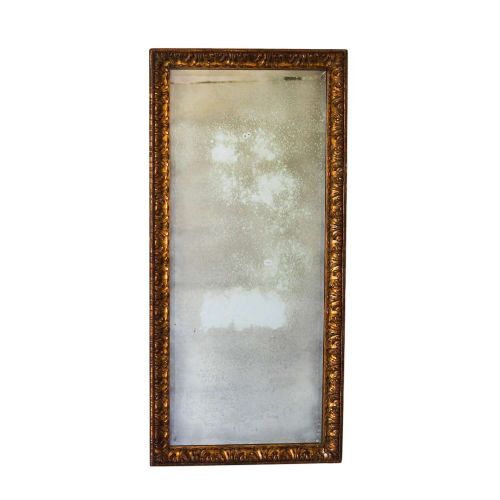
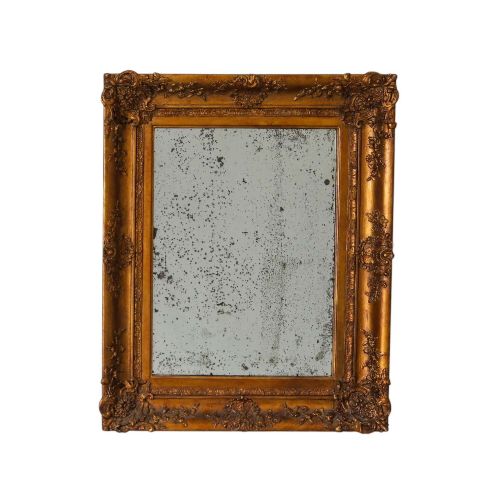
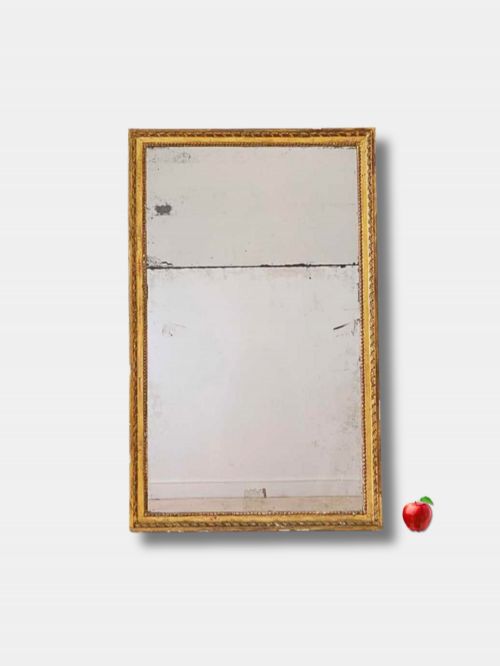
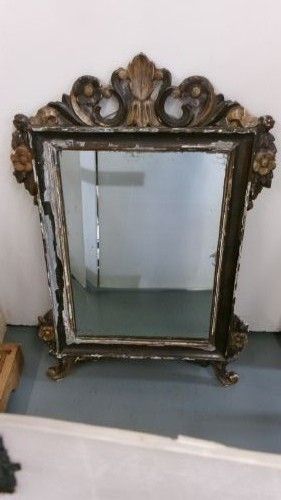
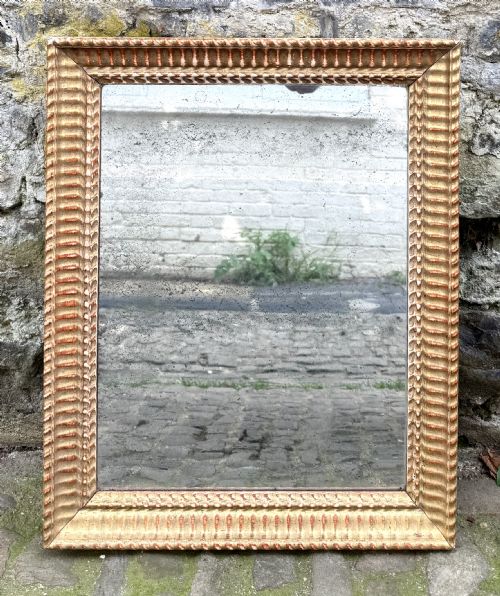


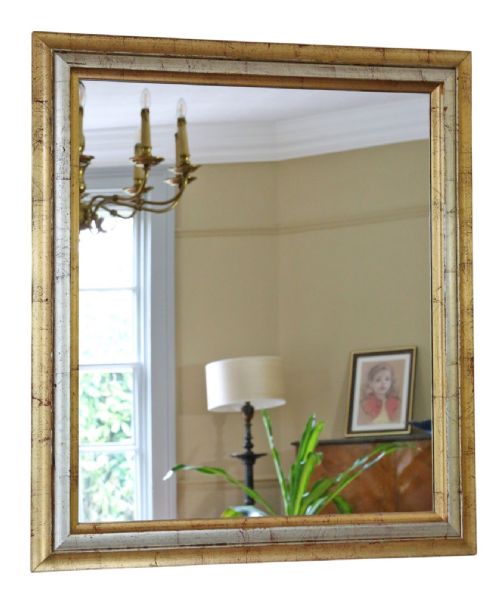


Distressed Gilt Mirror
A distressed gilt mirror brings aged elegance to an interior, combining weathered surfaces with classical nineteenth-century design.
Defining the Distressed Gilt Mirror
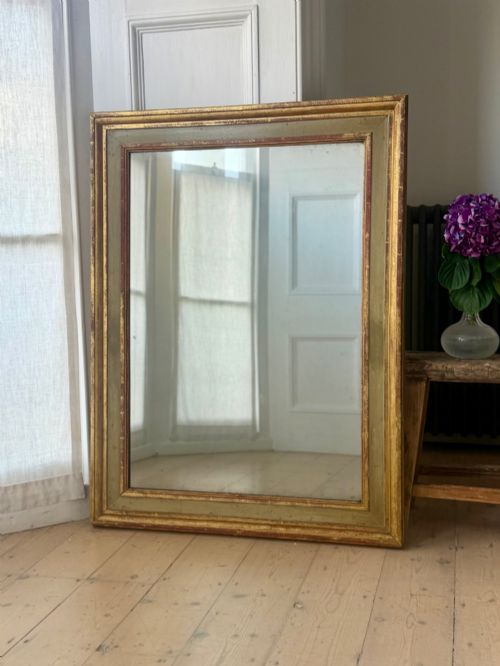
A distressed gilt mirror serves as a prominent focal point in both residential and commercial spaces, frequently taking the form of large wall mirrors and overmantel mirrors. Buyers selecting a distressed gilt mirror encounter numerous nineteenth-century examples originating from France and England.
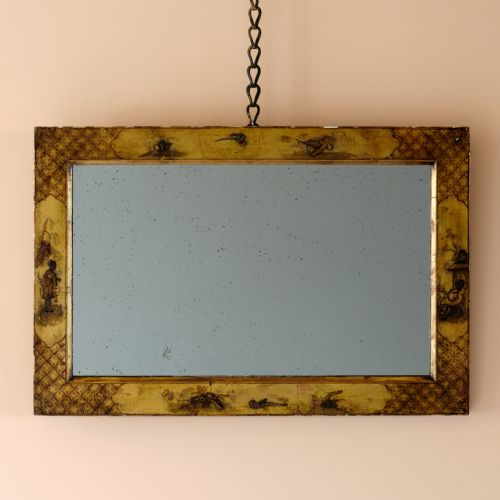
The inventory demonstrates a strong preference for specific traditional formats, including Louis Philippe, Regency, and Rococo styles. These pieces range from compact hanging hall mirrors to substantial architectural overmantels designed to sit above a fireplace.
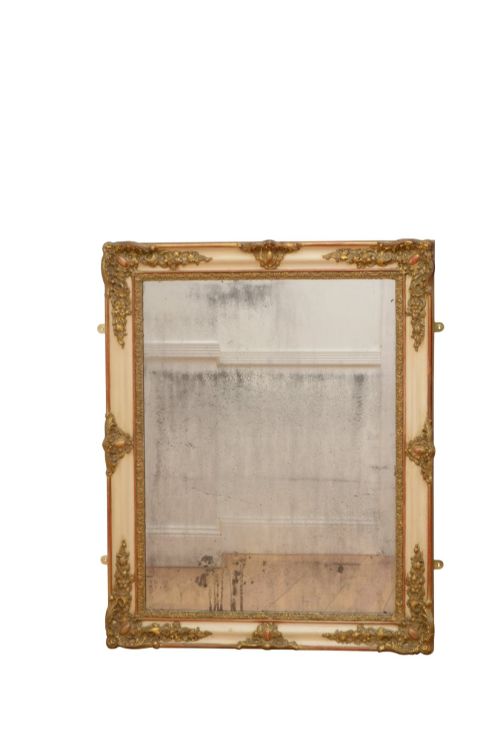
Makers and artisans of the period produced variations incorporating arched tops, shaped frames, and rectangular formats. Many pieces exhibit original cream paint or ebonised wood alongside the characteristic metallic finish.
Materials and Construction
Frames are constructed primarily from carved wood overlaid with gesso, a plaster-like material that accepts intricate moulding and detail. Artisans then applied gold leaf, silver leaf, or metallic paint to the prepared surface.
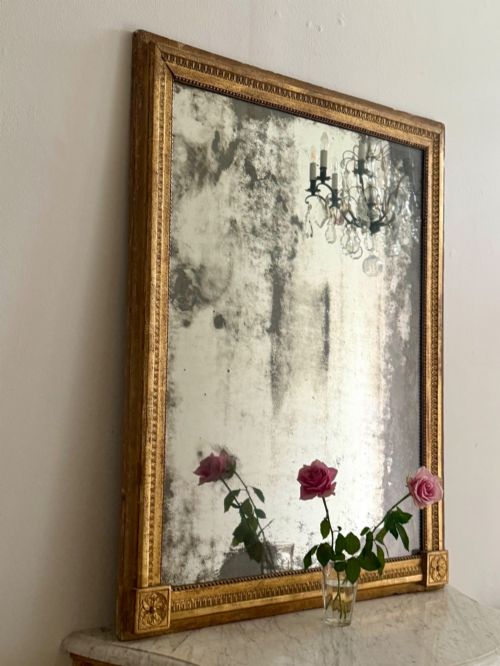
Many surviving examples display layered treatments combining paint finishes such as cream or white with exposed gilding. Glass plates are set within these frames, often showing age-related foxing and distressing accumulated over the centuries.
Retail Price Guide 2026
Typical UK retail prices for distressed gilt mirror, calculated from the Sellingantiques database of over a million retail prices indexed since 2003. This retail price guide relies exclusively on Sellingantiques data; no external sources or auction records are used, so the figures do not describe the wider market.
Some nineteenth-century French bistro mirrors carry the quiet ghost of past Parisian cafes within their gently foxed glass plates.
Distinguishing Quality
The sophistication of the carved wood and gesso ornamentation dictates the calibre of the piece. Crisp, deeply defined scrolling and foliate motifs indicate skilled craftsmanship during the moulding process.
The integrity of the original surface finish establishes the distinction between standard examples and exceptional pieces. Original combinations of gilding, paint, and untouched glass plates hold greater artistic weight than later restorations.
Charles Nosotti
The Distressed Gilt Mirror Glossary
- Gesso
- A prepared mixture of chalk, binder, and pigment applied to wood frames to create a smooth surface for carving and gilding. This material allows for crisp relief details on nineteenth-century frames.
- Giltwood
- Timber that has been coated with thin sheets of gold leaf or metallic powder. It provides a warm, reflective surface that ages into a characteristic patina.
- Overmantel Mirror
- A large mirror specifically proportioned to hang above a mantelpiece or fireplace. These pieces often feature horizontal orientations or arched tops designed to anchor a room.
- Louis Philippe
- A mid-nineteenth-century French style characterised by understated elegance, gently rounded top corners, and minimal ornamentation. It remains a popular form among surviving decorative mirrors.
- Foxing
- The natural oxidation and ageing process of mirror glass that creates dark spots or a mottled appearance. Collectors value authentic ageing on antique plates.
Frequently Asked Questions
Where should I hang a large overmantel mirror?
These mirrors traditionally sit directly above a fireplace mantel to reflect light and anchor the room's proportions. They also function effectively on main walls in reception rooms to create an illusion of greater space.
Ensure the wall construction supports the substantial weight of carved wood and gesso frames before installation.
How do I identify a Louis Philippe mirror?
Louis Philippe mirrors feature distinctive gently rounded top corners combined with simple, clean frame profiles. They offer a more restrained aesthetic compared to ornate Rococo or Baroque designs.
Most examples date from the mid-nineteenth century and originate from France.
What causes the dark spots on antique mirror glass?
The spots, known as foxing, result from the gradual degradation of the reflective backing material over decades of exposure to air and moisture. This natural oxidation process creates a mottled appearance unique to antique glass.
Collectors prize authentic foxing as an indicator of genuine age rather than a defect.
Are these mirrors suitable for hallways?
Smaller formats such as hanging hall mirrors or compact rectangular pieces fit narrow circulation spaces effectively. They brighten darker corridors by reflecting available natural and artificial light.
Verify dimensions and hanging mechanisms carefully before placing them in high-traffic areas.