



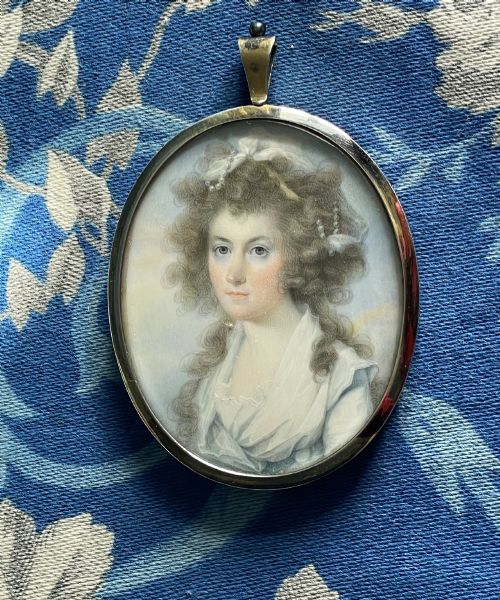
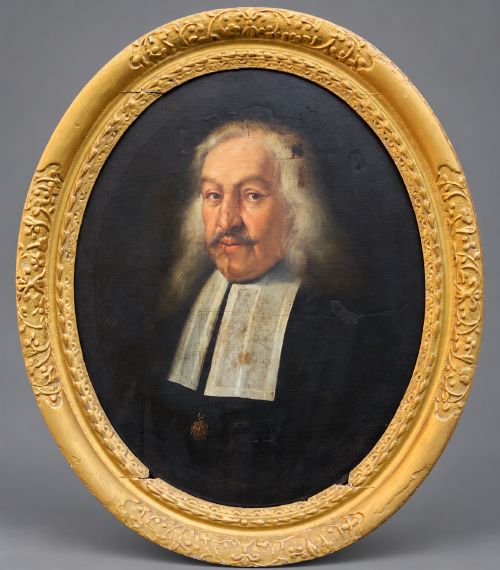
Antique Oval Frame
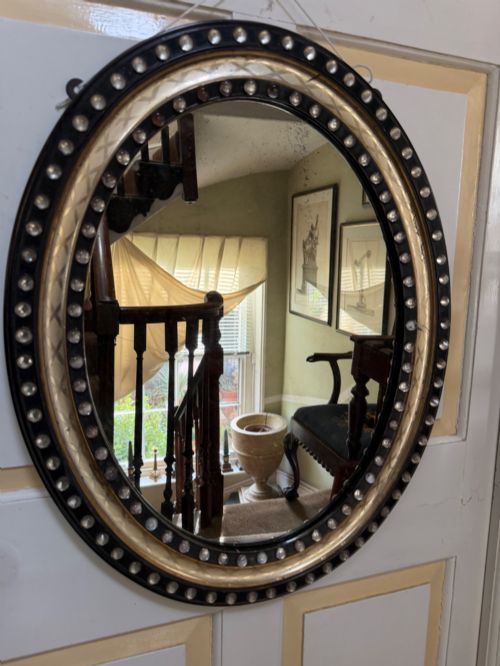
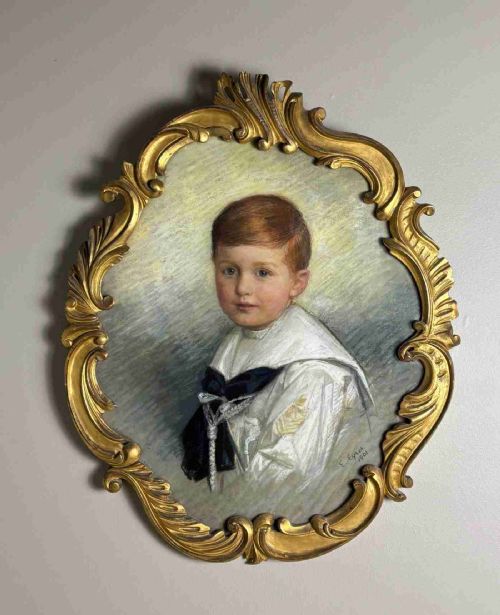
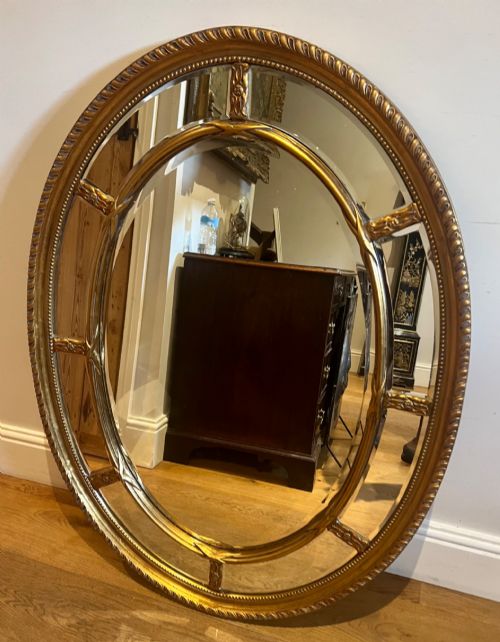
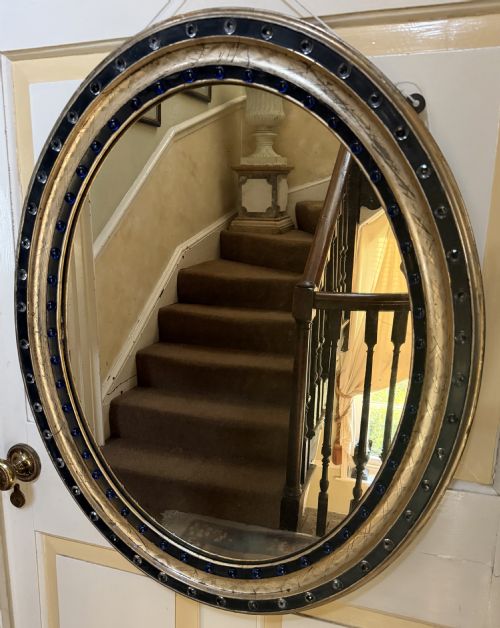
An antique oval frame holds centuries of portraiture and glass, shaping light and line with curved timber, metal, and gilt.
Antique Oval Frame
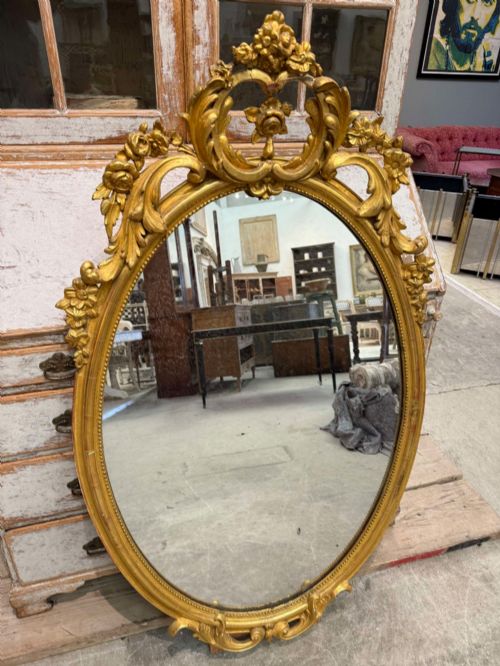
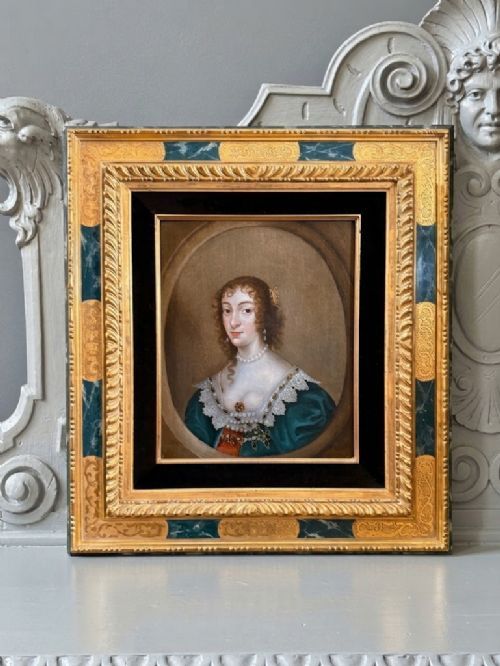
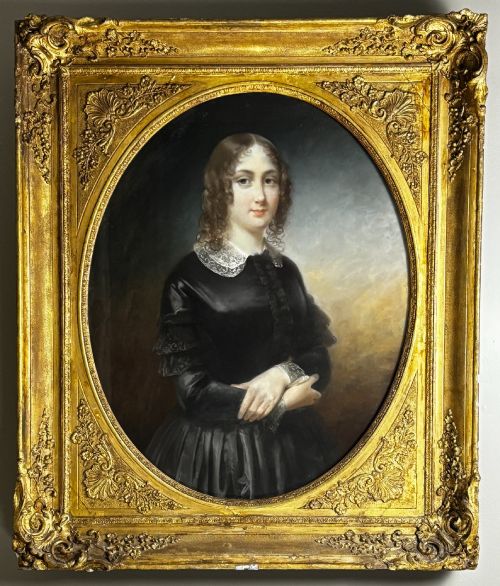
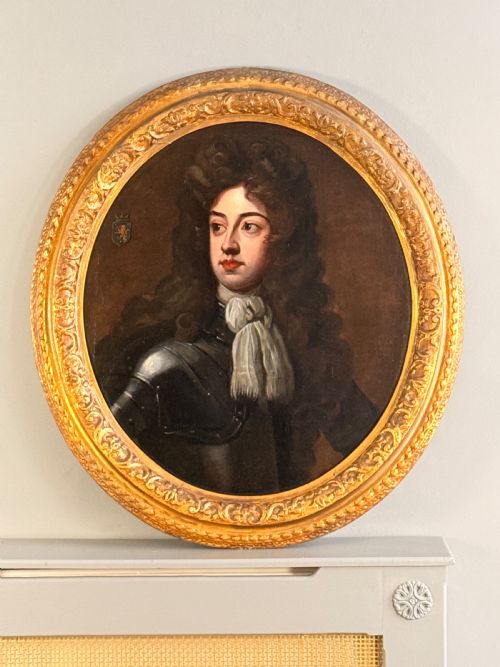
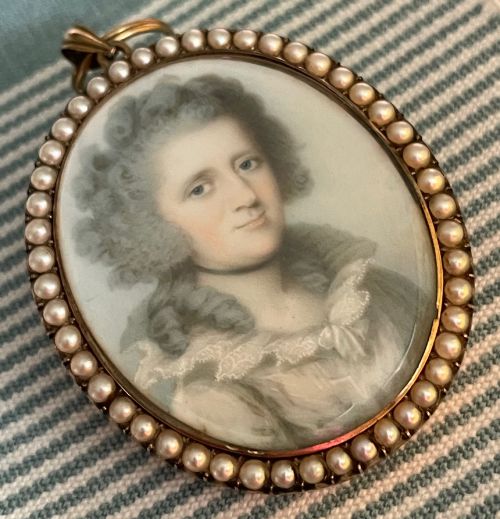
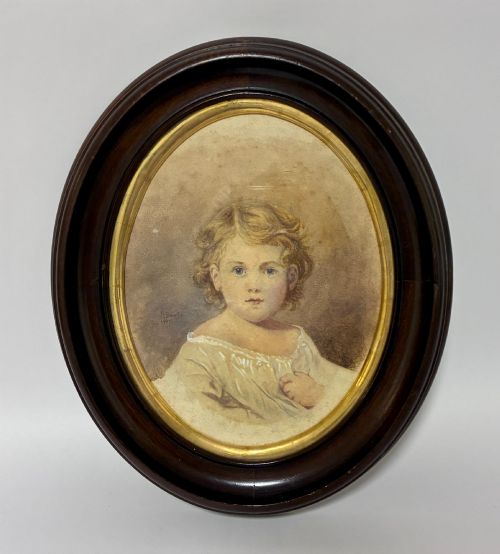
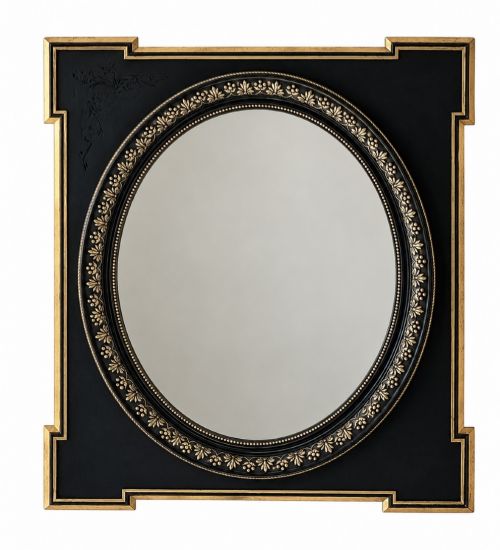
The antique oval frame category encompasses domestic items designed to contain portraits, mirrors, and photographs within a curved perimeter. Buyers encounter various formats on this page, ranging from grand wall mirrors and overmantels to miniature picture frames and butler's trays.
Surviving examples span the seventeenth century through the twentieth century, covering Georgian, Victorian, and Edwardian periods. Many pieces combine structural woodwork with paintings, prints, silhouettes, and photographs created by artists across British and European workshops.
The objects serve multiple decorative and functional roles within domestic interiors. While some function as standalone wall art with elaborate carvings, others operate as small tabletop photo holders or functional serving items.
How They Were Made
Craftsmen built these items using native and imported timber, applying layers of gesso and gold leaf to wooden foundations for gilded finishes. Carved oak, mahogany, and giltwood provided structural integrity for heavy wall mirrors and picture housings.
Makers utilised cast bronze, sterling silver, and brass for smaller photograph holders, incorporating hinged struts and velvet or oak backs. Decorative details relied on hand carving, floral painting, reverse painting on glass, and cast ornamentation.
Antique Oval Frame Retail Price Guide 2026
Typical asking prices for oval frame among the pieces listed under this phrase on Sellingantiques today, from the lower quarter to the upper quarter. They describe what is for sale here now, not the wider market.
Materials range from traditional giltwood and oil on canvas to sterling silver, brass, and reverse-painted glass.
What Varies in Quality
The definition of the carved ornament and the crispness of the gilt layers separate standard domestic items from high-end commissions. Superior examples display deep relief work in wood and gesso, retaining original gilding without heavy modern intervention.
Material selection dictates longevity and visual depth, distinguishing solid hardwoods and precious metals from painted softer woods or plated substitutes. The integration between the internal painting or mirror glass and the surrounding structure reflects the maker's original skill.
Sir Godfrey Kneller·Thomas Murray·John Scougall·Henry Bone·James Sharples·John Vanderbank·Michael Dahl·Henry Booty·Negretti and Zambra
The Antique Oval Frame Glossary
- Giltwood
- Wood coated with gold leaf or thin gold powder over a prepared gesso base. This finish provides a reflective surface that catches natural light in period rooms.
- Gesso
- A plaster mixture applied to wood frames to create a smooth surface for carving and gilding. Artisans moulded intricate relief patterns into this compound.
- Portrait Miniature
- A small, detailed painting executed on vellum, card, or ivory, often housed in an oval metal or wooden frame. These intimate works were collected as personal mementos.
- Butler's Tray
- A portable wooden serving tray that lifts off a folding stand. Oval iterations feature raised rims and drop-flaps for domestic service.
- Girandole
- A decorative wall mirror featuring attached candle sconces. The candle light reflects directly off the glass and the surrounding gilt frame.
Antique Oval Frame: Frequently Asked Questions
What periods do these frames cover?
The selection spans from the seventeenth century through the Victorian and Edwardian eras up to the twentieth century. Early examples often accompany oil paintings, while later pieces frequently house photographs or watercolours.
Craftsmanship evolved across these centuries, shifting from hand-carved British and European giltwood to silver and bronze manufacturing during the nineteenth century.
How were these frames used originally?
Larger pieces hung in principal rooms as decorative wall mirrors or housed oil portraits of family members. Smaller items functioned as portable photograph holders on desks or dressing tables.
Table formats like butler's trays served domestic dining functions before transitioning into decorative furniture. Portrait miniatures were kept close as personal tokens or worn as jewellery.
How do I identify the period?
Dating relies on construction methods, timber species, backing materials, and stylistic motifs associated with Georgian, Regency, or Victorian design. Examining fixings, fixings oxidation, and panel construction helps determine the age.
Paintings or photographs set inside the bezels often provide secondary clues, such as sitter costume, inscriptions, or artist signatures.
How do I care for an antique frame?
Maintenance requires dry dusting with a soft brush to protect fragile gilt and gesso surfaces from moisture damage. Avoid chemical cleaning agents and keep items away from direct sunlight and temperature fluctuations.
Stable indoor environments prevent timber from warping and preserve the integrity of original silver or gold leaf layers.