
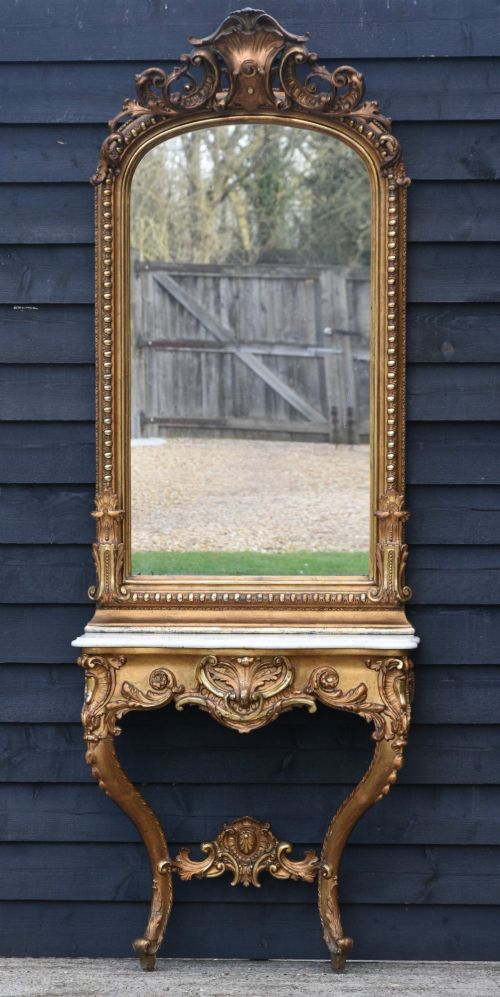
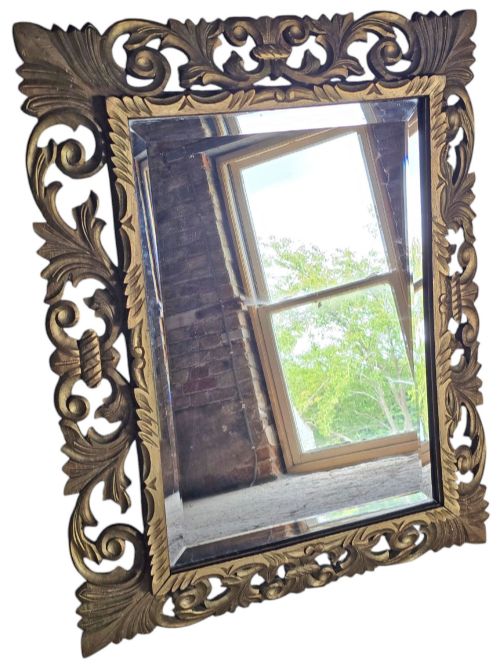
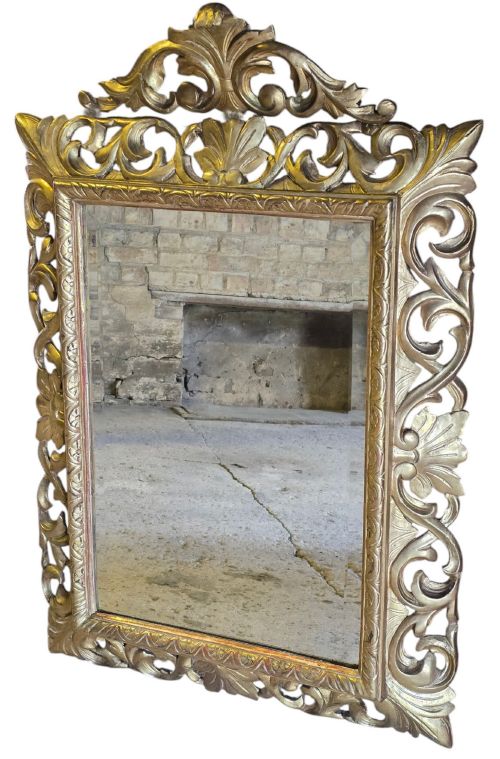
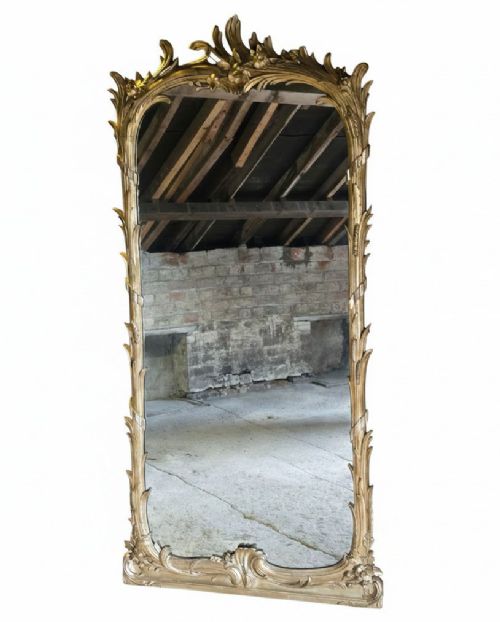


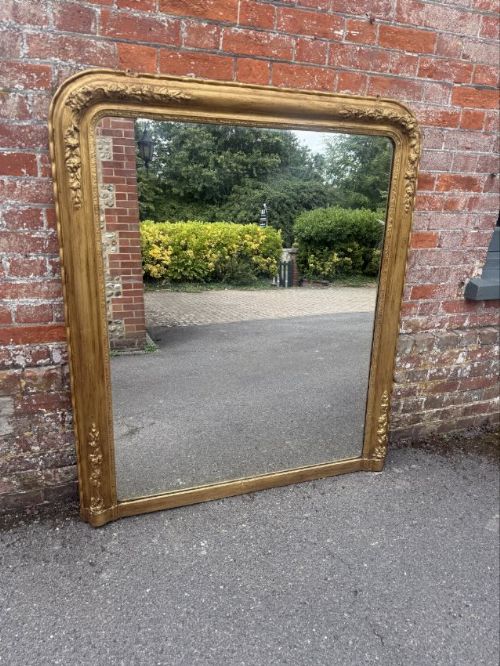
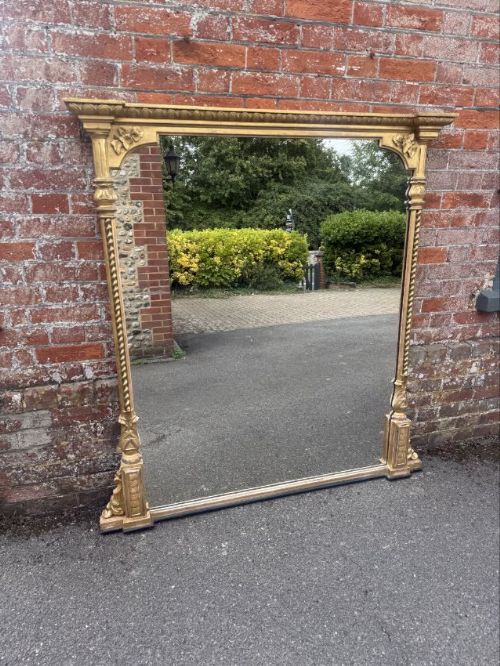
Carved Giltwood Mirrors
Carved giltwood mirrors bring a brilliant, reflective warmth to a room, cast in carved timber and coated in gold leaf.
What carved giltwood mirrors are
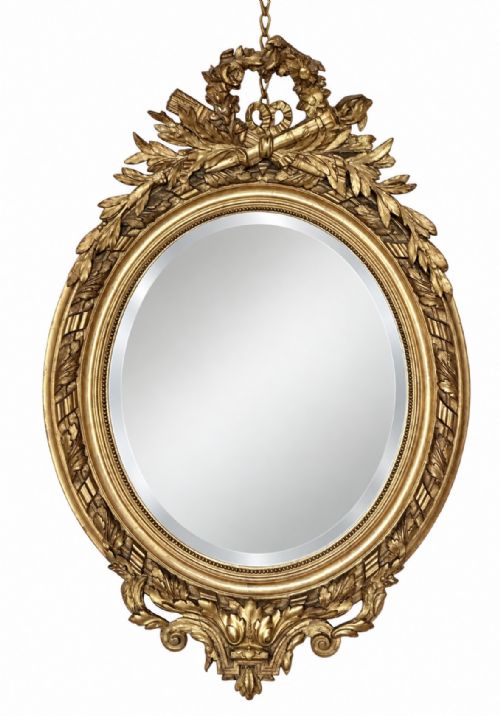
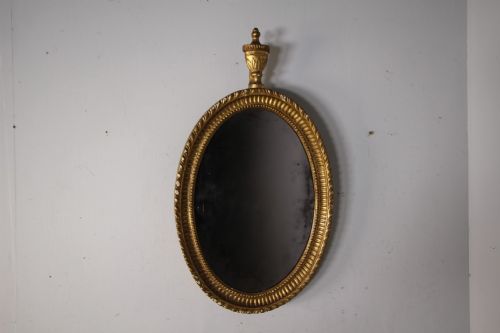
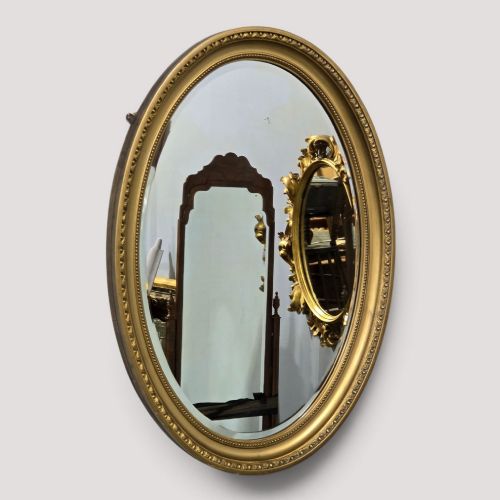
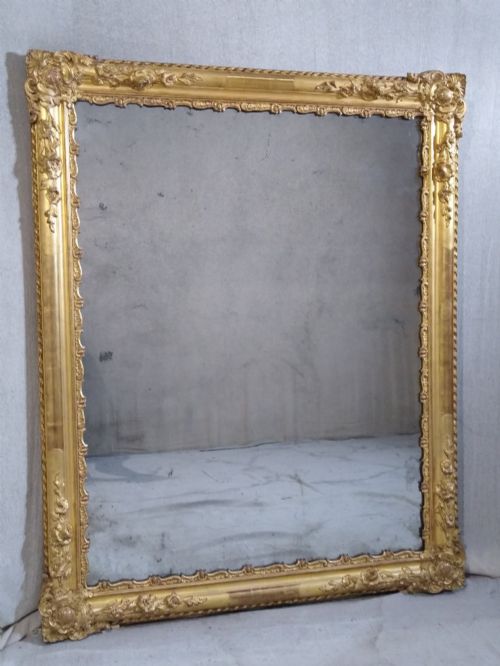
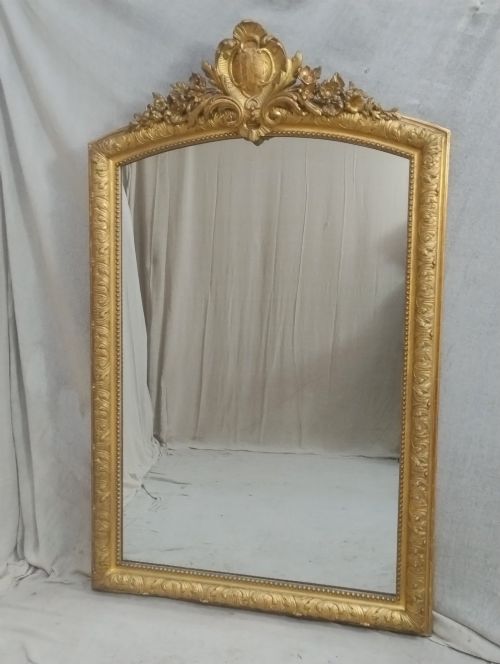
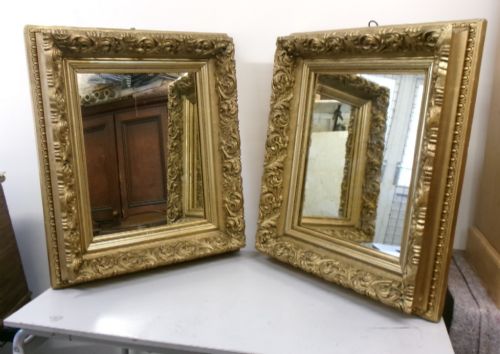
Carved giltwood mirrors are wall-hanging looking glasses housed in elaborately carved wooden frames covered in gold leaf. You will frequently encounter pairs on this page, spanning the Georgian, Regency, Victorian and early twentieth-century periods.
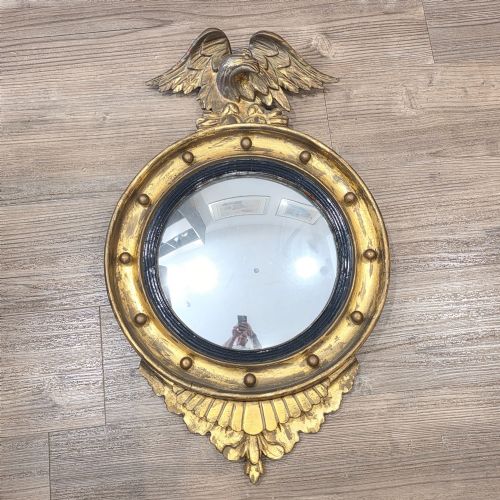
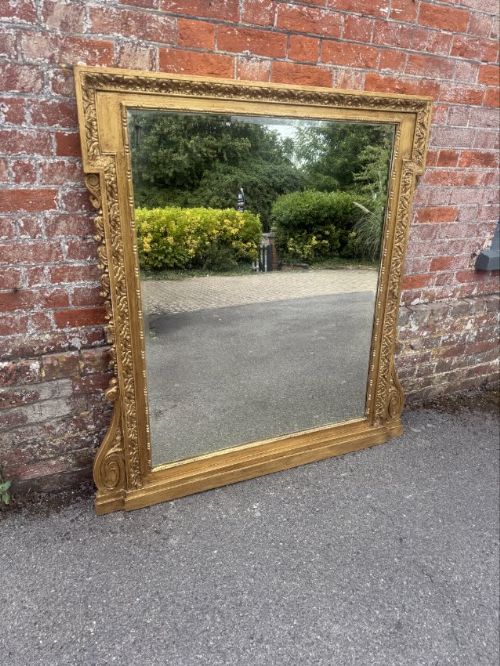
The styles range from French Rococo and Neoclassical to Venetian and Chinese Chippendale. They appear in circular, oval and rectangular wall formats, alongside larger overmantel and pier mirror designs.
How they were made
Makers constructed these frames primarily from wood, utilising walnut and general timber carved into intricate scrollwork, foliage and architectural motifs. Layers of gesso provided a smooth preparation surface before the application of gold leaf or gilt finish.
Mirrors incorporated flat glass plates, sometimes divided into triple plates or shaped to fit circular and oval Venetian frames. Metal and brass components occasionally reinforced the structural backing of these heavy wall pieces.
Retail Price Guide 2026
Typical UK retail prices for carved giltwood mirrors, calculated from the Sellingantiques database of over a million retail prices indexed since 2003. This retail price guide relies exclusively on Sellingantiques data; no external sources or auction records are used, so the figures do not describe the wider market.
Some antique mirror plates retain the gentle distortion of early glass-blowing methods, reflecting your room back with a dreamy, undulating warmth.
What varies in quality
Quality rests upon the depth and precision of the initial wood carving, where crisp undercut foliage distinguishes superior work from softer, shallower moulding. The application and burnishing of the gilding further separates standard frames from masterworks.
The integrity of the original mirror glass and the harmony of proportion between the carved frame and the reflective plate dictate the overall standing of each piece.
Butti and Son
The Carved Giltwood Mirrors Glossary
- Giltwood
- Timber coated with a thin layer of gold leaf or metallic powder. This finish creates the characteristic bright, reflective surface seen on antique frames.
- Gesso
- A plaster mixture applied to the carved wooden base to create a smooth surface for gilding. It holds crisp detail before the gold leaf is laid down.
- Girandole
- A decorative wall mirror featuring attached candle sconces. The candles reflect brightly against the glass and the gilded frame.
- Pier mirror
- A tall wall glass designed to hang on the narrow pier of wall space between windows. These pieces often feature elaborate top crests.
- Overmantel mirror
- A wide looking glass proportioned to hang directly above a fireplace mantel. They frequently utilise multiple mirror plates.
Frequently Asked Questions
Where should I hang a carved giltwood mirror?
These mirrors function best on primary drawing room walls or above fireplaces where they can capture and multiply natural light.
Ensure the wall fixings safely bear the substantial weight of timber, gesso and glass.
Are these mirrors original antique glass?
Many retain their early mirror plates, which often display subtle foxing, silvering loss and tiny age spots.
Original glass adds historical depth to the piece, while replacements offer a clearer, brighter reflection.
How do I identify a Regency mirror?
Regency frames frequently incorporate classical motifs such as reeding, ball drops, ebonised details and convex circular plates.
These early nineteenth-century designs lean heavily on Roman and Greek architectural revival forms.