
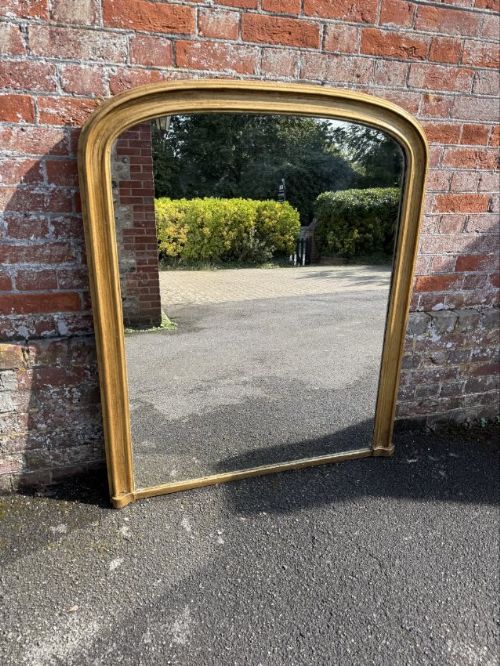
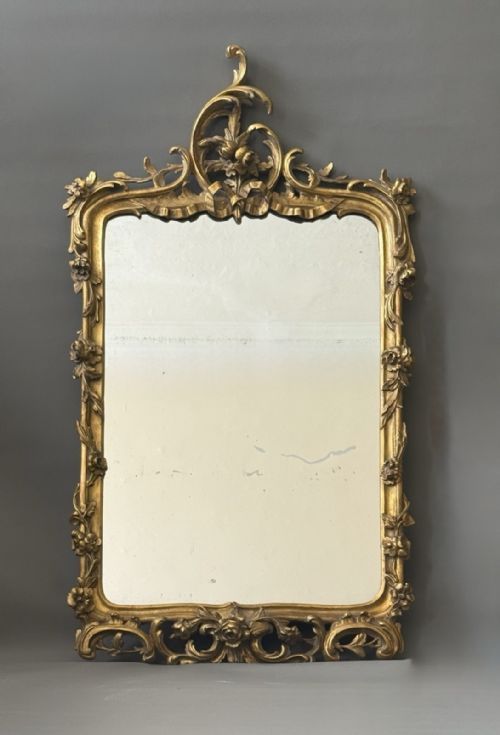
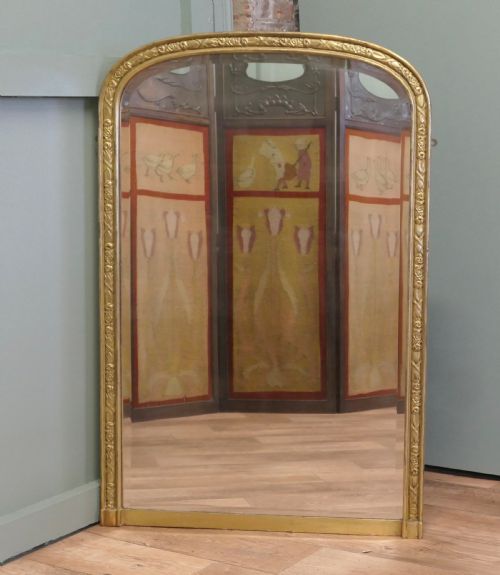
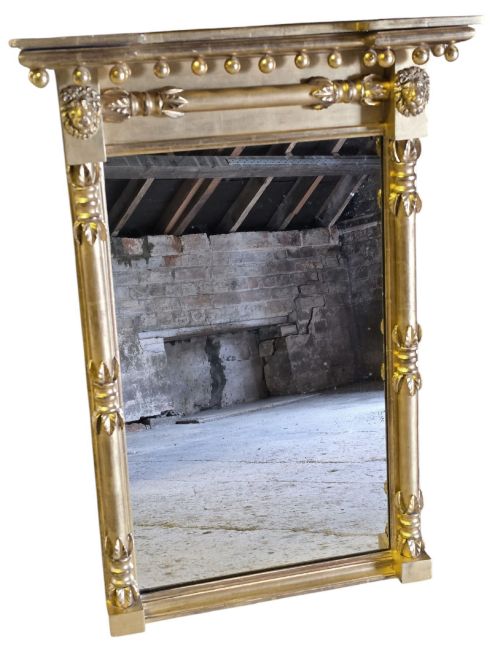


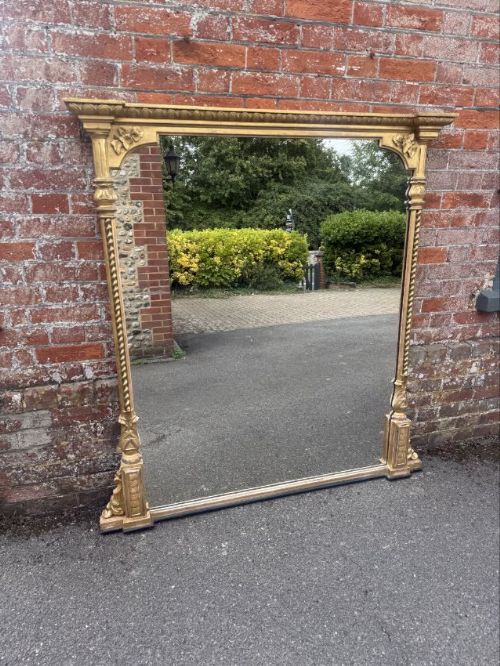
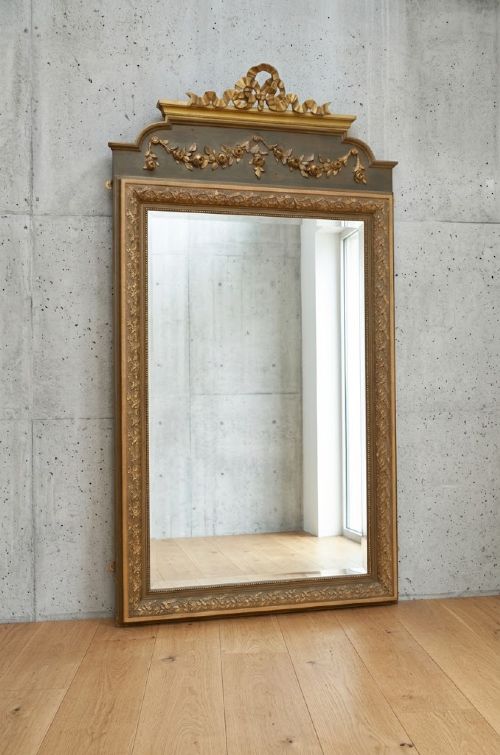
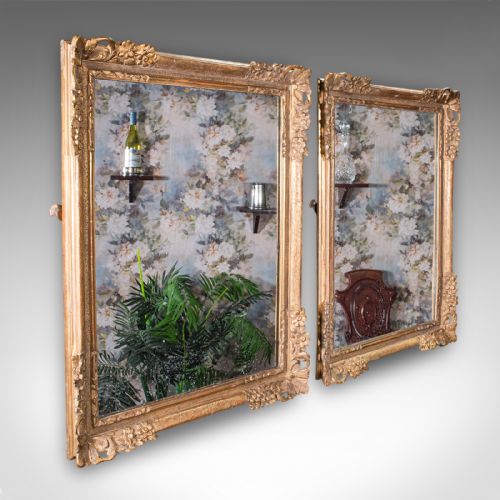
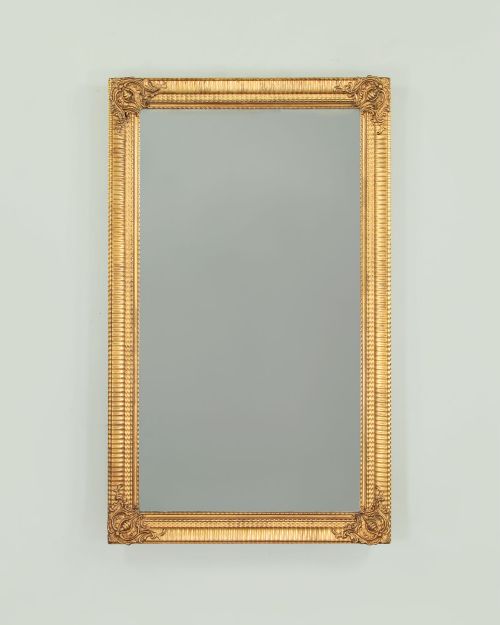
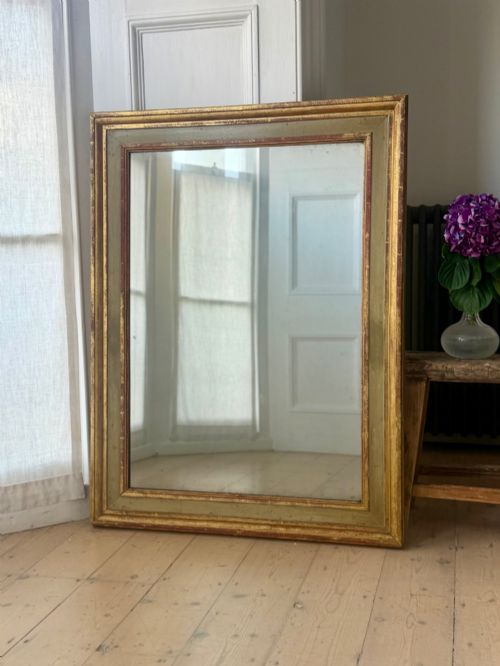
Gold Leaf Wall Mirrors
Gold leaf wall mirrors bring reflective depth and warmth to a room, appearing in walnut, giltwood, and gesso across several distinct periods.
Identifying gold leaf wall mirrors
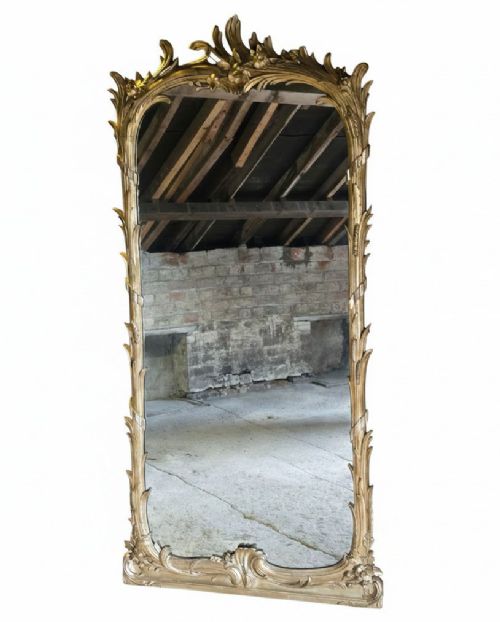
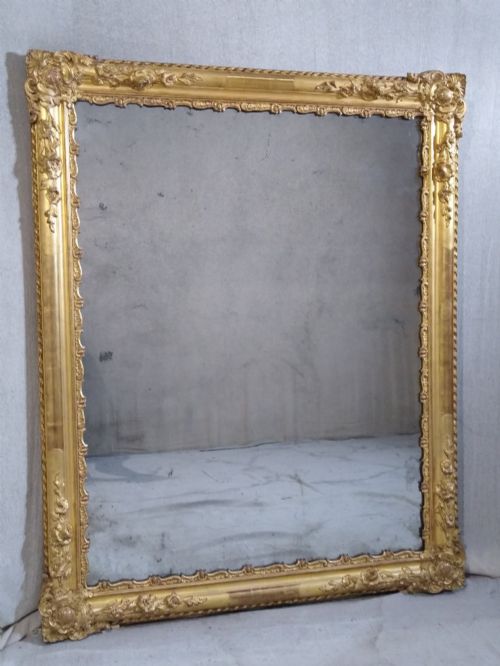
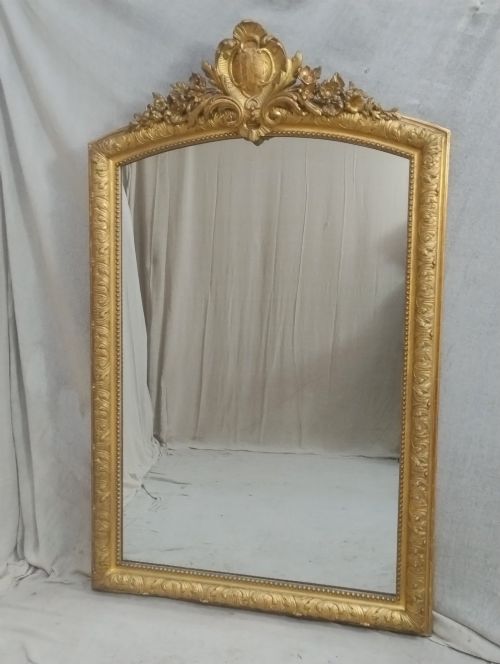
Buyers seeking gold leaf wall mirrors examine pieces spanning the Georgian, Regency, and Victorian eras, alongside mid to late nineteenth-century examples. The selection includes French Rococo, George II, Regency, Neoclassical, and Victorian Neoclassical styles.
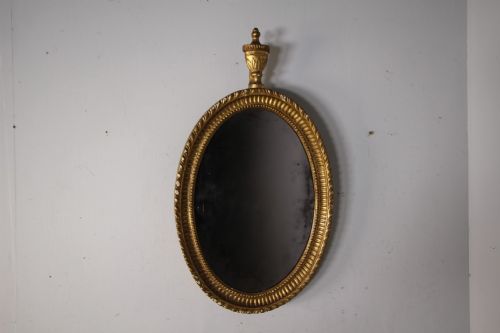
The forms recorded on this page consist primarily of wall mirrors and mirrors, including oval shapes and pairs. Examples range from miniature giltwood oval mirrors to larger pairs housed in gilt wood frames.
Most entries reflect specific historic periods such as eighteen hundred, eighteen fifty, and eighteen eighty, showing how domestic mirror designs evolved across Britain and France.
Materials and construction
Construction relies heavily on traditional timber frameworks, with walnut and giltwood providing the primary structural support. Craftsmen applied gesso to wooden bases to prepare the surface for gilding.
The finishing process incorporates actual gold leaf applied to the prepared surfaces, complemented by fitted mirror glass. Metal components also appear alongside wood in certain framing traditions.
Retail Price Guide 2026
Typical UK retail prices for gold leaf wall mirrors, calculated from the Sellingantiques database of over a million retail prices indexed since 2003. This retail price guide relies exclusively on Sellingantiques data; no external sources or auction records are used, so the figures do not describe the wider market.
Materials recorded across these listings include glass, giltwood, gesso, walnut, gold leaf, and metal.
Assessing quality and finish
Quality in these pieces rests on the precision of the carved woodwork and the smoothness of the gesso layer beneath the gold leaf. Finer examples display crisp detail in the Regency and George II styles.
The richness of the gilding and the clarity of the original mirror glass further distinguish finer specimens from simpler Victorian or later nineteenth-century production.
The Gold Leaf Wall Mirrors Glossary
- Giltwood
- Wood that has been coated with gold leaf or a gold-coloured finish. This material defines the bright, reflective frames typical of many antique wall mirrors.
- Gesso
- A plaster-like mixture applied to wood frames to create a smooth surface for gilding. It allows craftsmen to carve intricate decorative details before applying gold leaf.
- Regency
- A British design period spanning the early nineteenth century. Pieces from this era often feature clean classical lines and refined proportions.
- George II
- An eighteenth-century Georgian design style known for rich ornamentation and dark woods like walnut. Mirrors from this period show early mastery of symmetrical carving.
- Neoclassical
- A style drawing inspiration from classical antiquity. It emphasises symmetry, restraint, and orderly decorative motifs.
Frequently Asked Questions
What periods do these mirrors come from?
The available selection spans the Georgian and Regency eras through to the Victorian period, including specific dates such as eighteen hundred, eighteen fifty, and eighteen eighty.
These dates reflect traditional manufacturing periods across British and French workshops.
Are these mirrors sold as pairs?
Several listings consist of matched pairs, including miniature giltwood oval mirrors and larger English oval designs.
Pairs offer symmetry for hanging on either side of a fireplace or architectural feature.
What materials are used in the frames?
Frames are constructed from timber such as walnut, coated in gesso, and finished with gold leaf or gilt wood.
Some pieces also incorporate metal elements alongside the primary wooden structures.
How do French and English styles differ?
French examples on this page lean towards ornate Rococo curves, whereas English pieces often follow George II, Regency, or Neoclassical designs.
Each regional style employs distinct proportions and decorative vocabulary.