

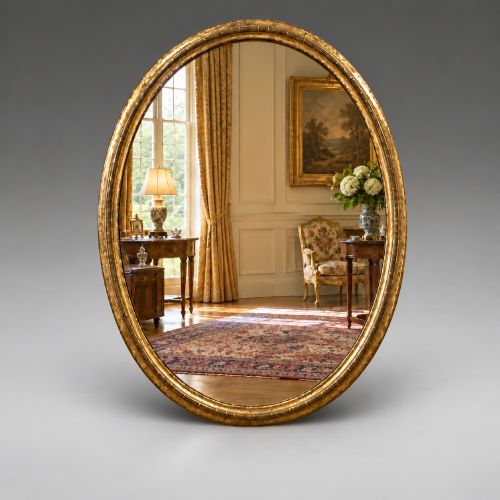
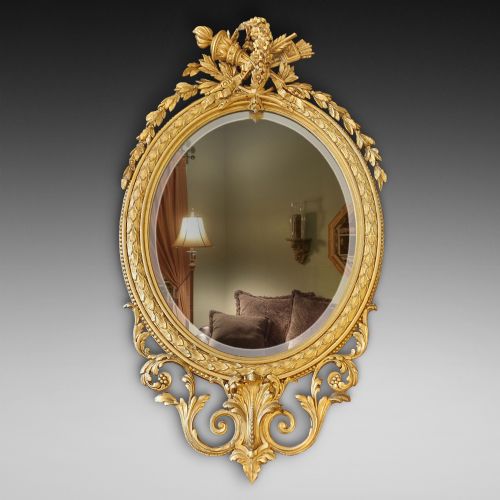
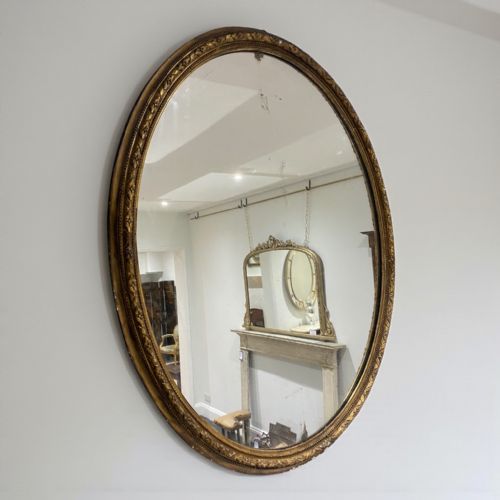
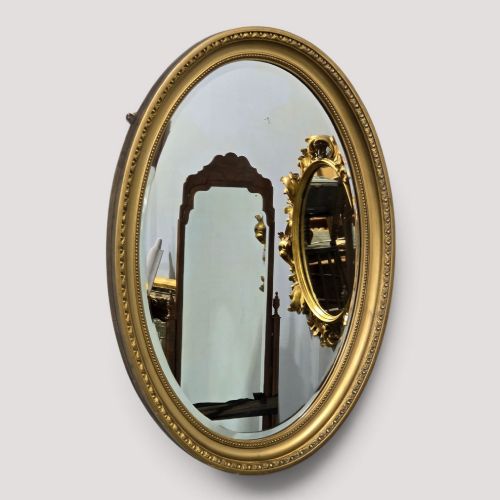

Victorian Oval Gilt Mirror
A victorian oval gilt mirror brings warmth and reflected light to a room through curved frames shaped in the nineteenth century.
Victorian Oval Gilt Mirror
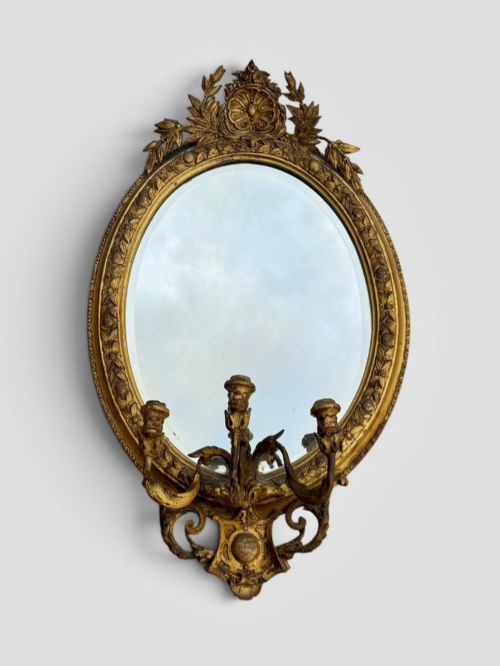
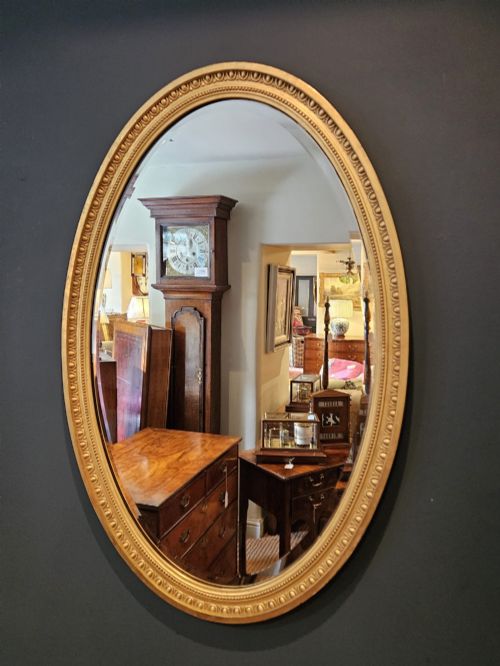
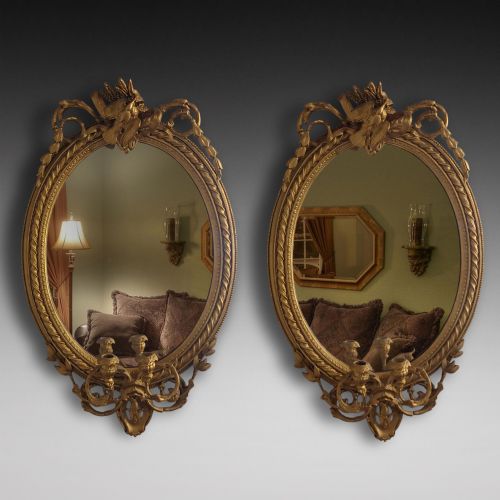
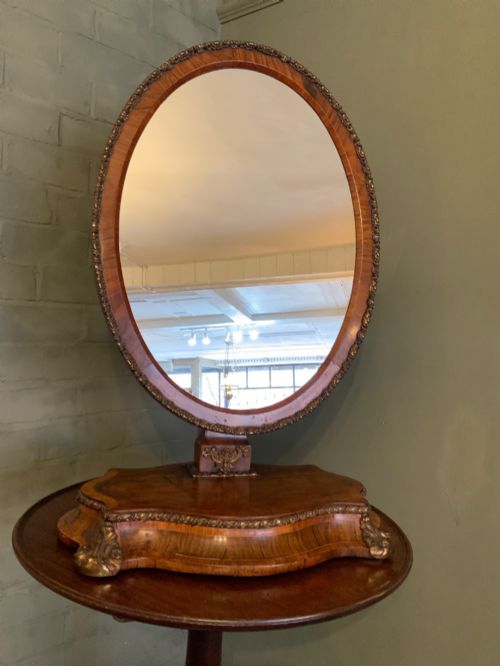
The search for a victorian oval gilt mirror encompasses wall pieces, girandoles, and small dressing table variants created during the nineteenth century. These objects function primarily as decorative wall furniture or functional toilet glasses designed for bedrooms and halls.
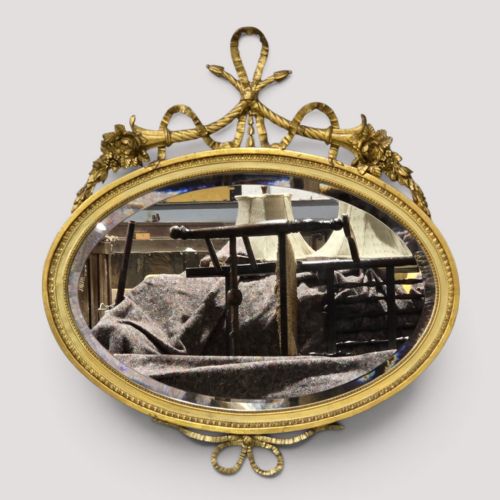
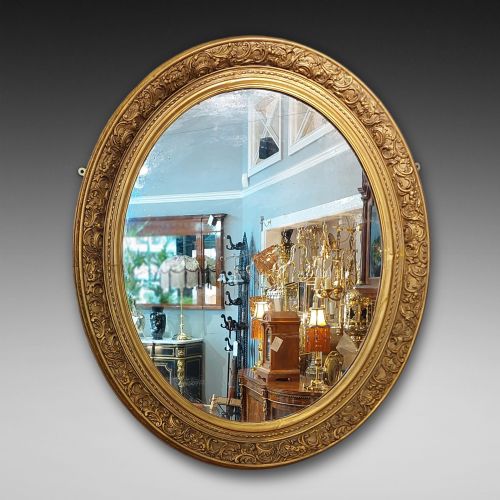
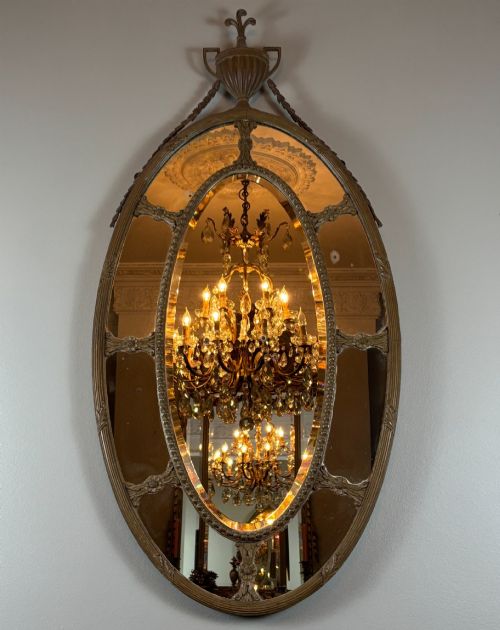
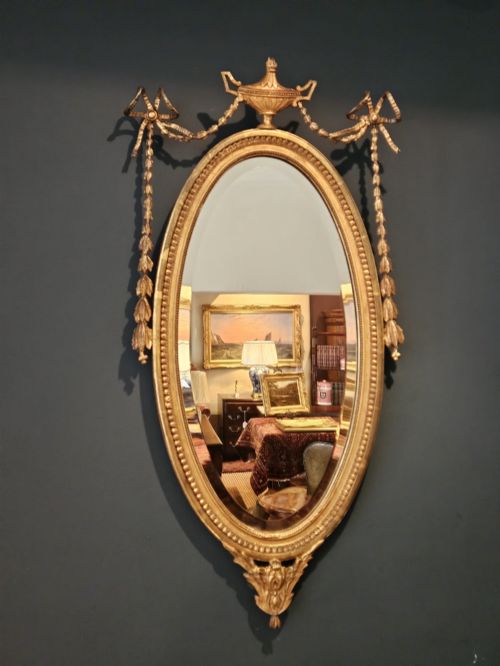
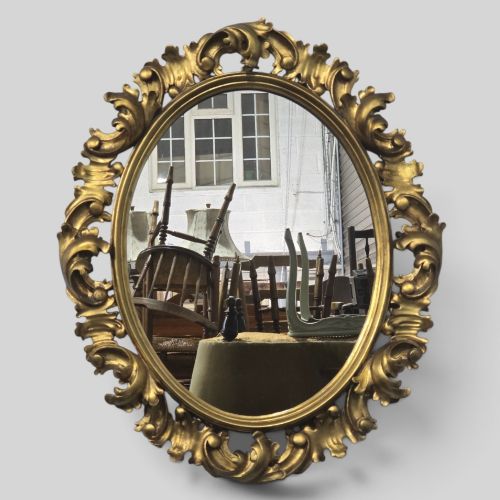
Most examples encountered on this page belong to the mid to late nineteenth century, spanning decades from the eighteen-sixties to the end of the Victorian era. They appear in styles ranging from plain timber frames to ornate Rococo Revival and Adam designs.
Wall mirrors dominate the selection, frequently paired with display brackets, candle sconces, or intricate ribbon pediments. Buyers also find tabletop and toilet mirrors scaled for dressing furniture alongside grander pier glasses.
Materials and Construction
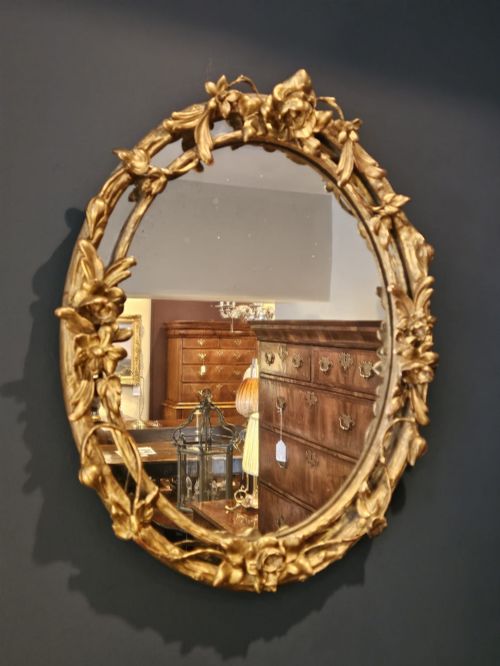
Makers constructed the foundation frames from timber, such as walnut or general wood, applying layers of plaster and gesso to build up decorative relief details. Artisans then gilded these surfaces using gold leaf, bronze paint, or standard gilt finishes to achieve a metallic sheen.
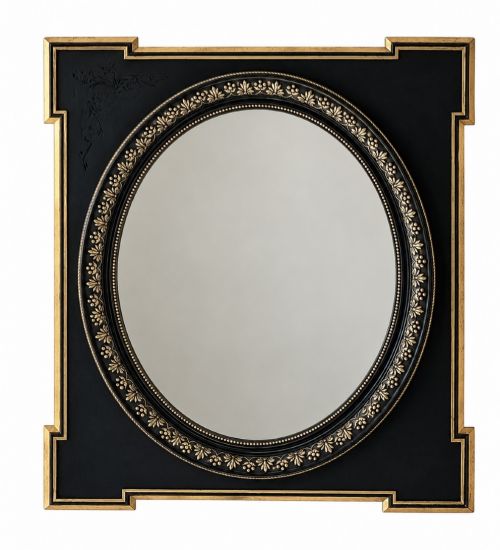
Carved wooden elements frequently feature floral motifs, vine leaves, patera flower rosettes, and gadrooned edging. Specialised pieces incorporate brass, ormolu, ebonised sections, or champleve enamel details within the frame assembly.
Victorian Oval Gilt Mirror Retail Price Guide 2026
Typical asking prices for victorian oval gilt mirror among the pieces listed under this phrase on Sellingantiques today, from the lower quarter to the upper quarter. They describe what is for sale here now, not the wider market.
Several mirrors include carved vine leaves and trailing grapes, allowing you to bring a literal nineteenth-century vineyard onto your landing.
Distinctions in Craftsmanship
Depth and crispness of the carved ornamentation separate standard production pieces from masterwork examples. Deeply undercut gesso and hand-carved giltwood display sharper botanical and architectural details than moulded plaster equivalents.
The preservation of the original mercury or silvered glass plate contributes significantly to the integrity of an antique mirror. Frames retaining their original gilding without excessive overpainting demonstrate superior historical survival.
The Victorian Oval Gilt Mirror Glossary
- Gesso
- A plaster-like mixture applied to wooden frame bases to form a smooth surface for subsequent carving and gilding. This compound allows for intricate relief mouldings.
- Girandole
- A decorative wall mirror featuring attached candle sconces or branches designed to reflect candlelight. These fixtures date frequently to the nineteenth century.
- Gadrooned
- A decorative carved border pattern consisting of convex curves or flutes. This edge treatment appears frequently on Victorian frames.
- Overmantle
- A large mirror designed specifically to hang above a fireplace mantelpiece. These pieces often span significant horizontal or vertical dimensions.
- Parcel-Gilt
- A framing technique where only specific raised portions of an object are gilded while the background remains ebonised or in natural wood. This creates a contrasting two-tone visual effect.
Victorian Oval Gilt Mirror: Frequently Asked Questions
Where should I hang an oval mirror?
These mirrors suit narrow wall spaces, hallways, or above dressing tables where vertical dimensions balance room proportions. Their curved outlines soften rigid architectural lines in traditional interiors.
Larger versions function effectively above mantelpieces or console tables to amplify natural light and create an illusion of depth.
How do I date a Victorian mirror?
Dating relies on combining style clues, such as Rococo Revival curves or Adam neoclassical motifs, with construction evidence on the reverse. Frame materials like ebonised wood or composition gesso provide additional chronological markers.
Backboards, fixings, and the composition of the glass plate further indicate the manufacturing decade within the nineteenth century.
Are these mirrors heavy?
Weight varies considerably depending on the timber bulk and the thickness of the gesso and plaster build-up. Large wall and overmantle variants require secure wall fixings to support the timber and glass mass.
Tabletop and dressing versions possess lighter frames suited for mobility on furniture surfaces.