
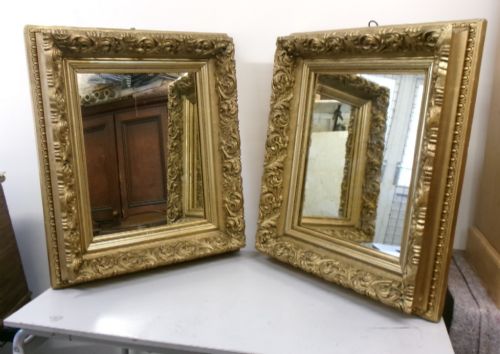
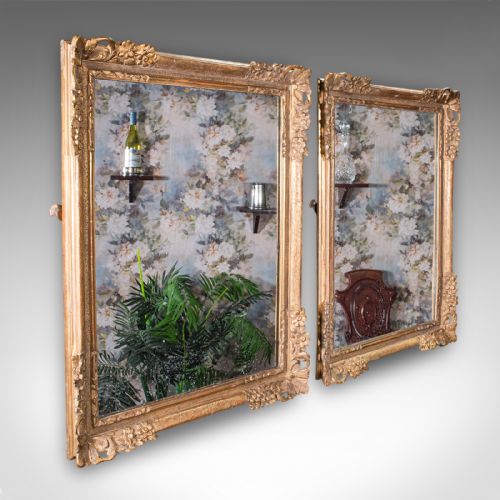
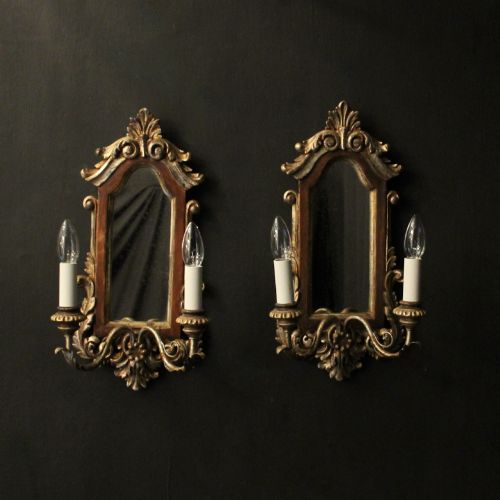
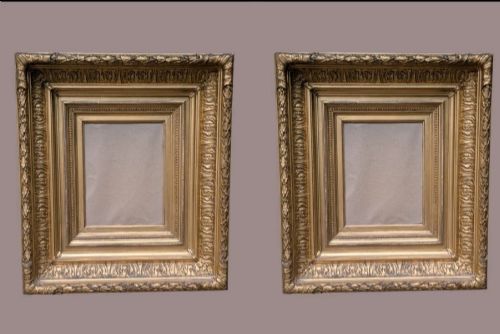
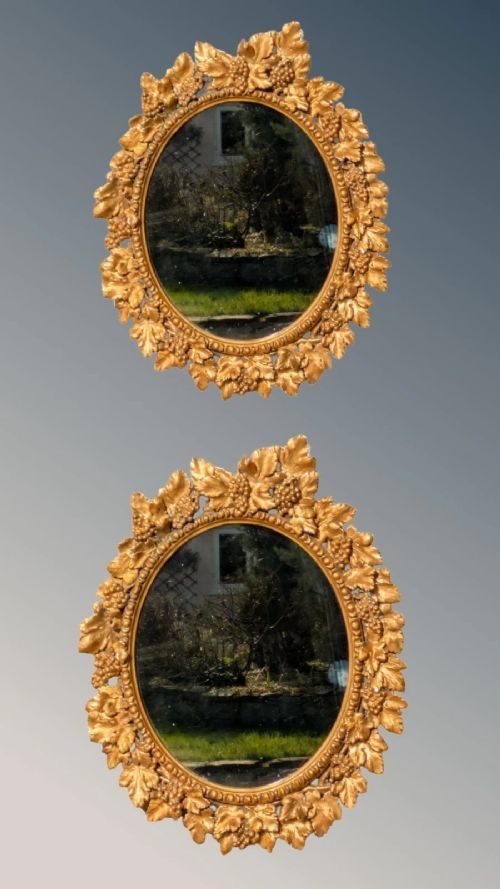
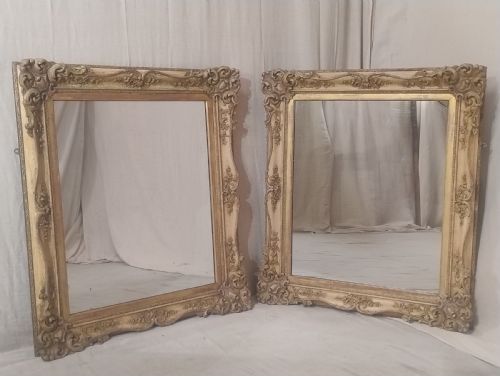
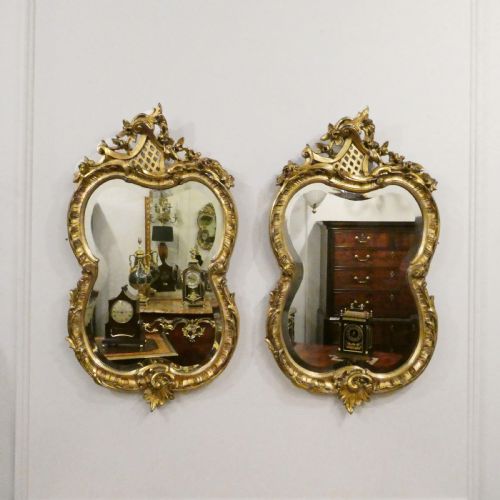
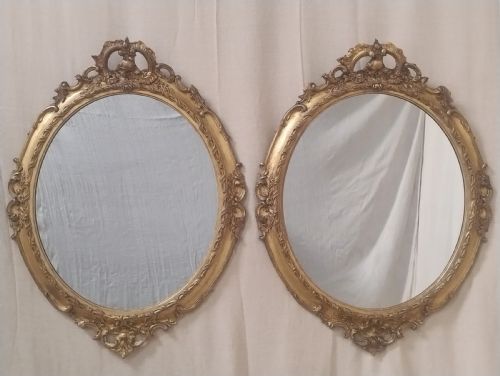
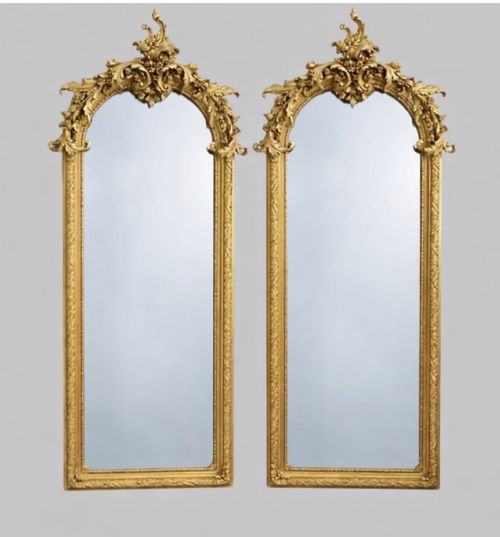
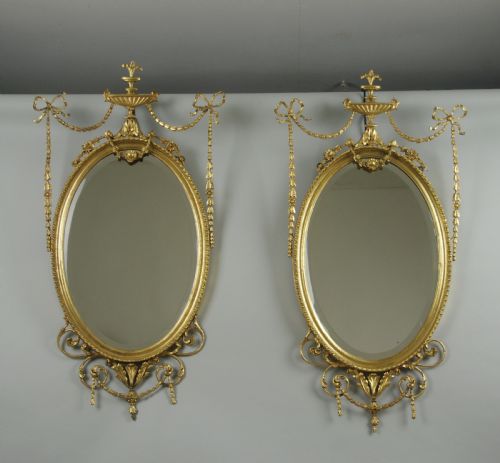

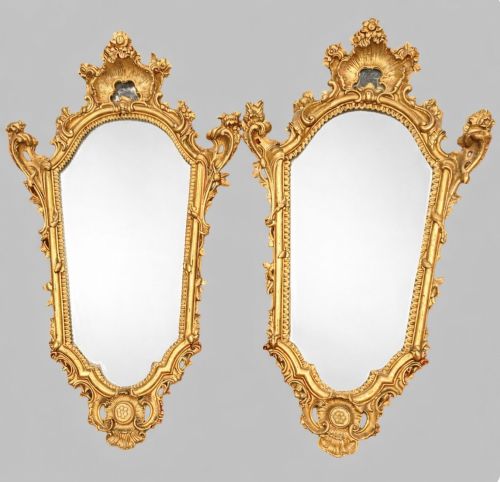
Pair Gold Frame Mirrors
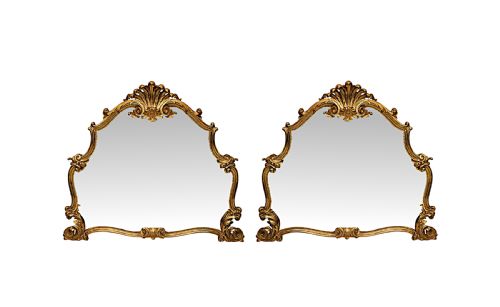
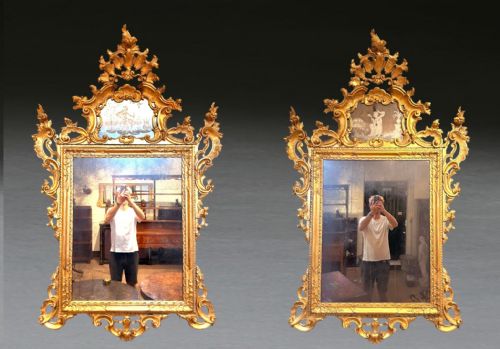
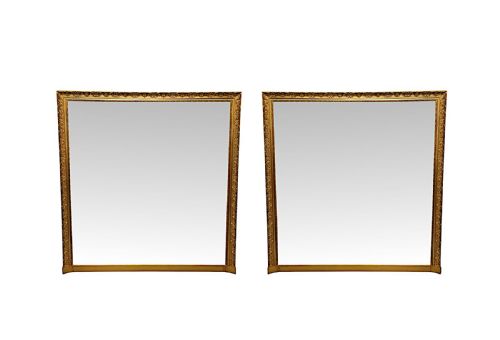
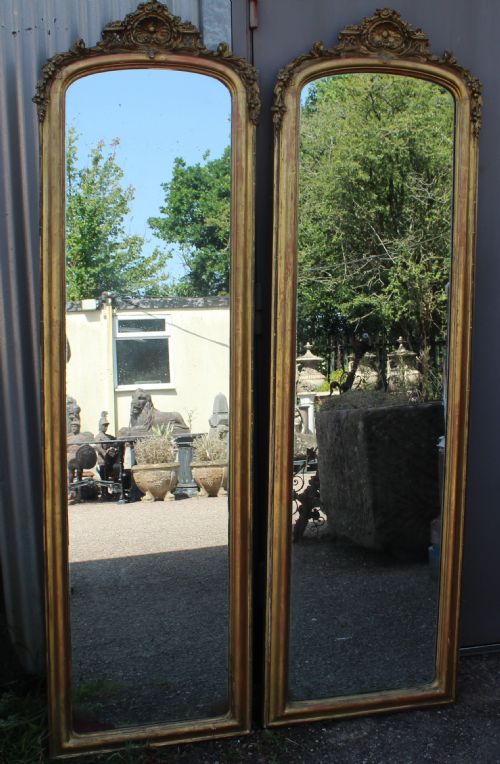
Pair gold frame mirrors bring symmetry and reflection into a room, utilising gilded surfaces to catch the natural light.
Pair Gold Frame Mirrors
When searching for pair gold frame mirrors, buyers encounter a diverse selection of matching reflective pieces designed to balance interior spaces. The inventory spans decorative wall hanging items, overmantel designs, and grand pier mirrors intended for placement between windows.
Most examples originate from the nineteenth century and the early decades of the twentieth century. Forms range from oval shapes and simple rectangular formats to elaborate Rococo and Baroque revivals bearing intricate carved details.
How they were made
Master artisans constructed the foundational structures from wood, applying layers of gesso and composition material to create high-relief ornamentation before gilding. Gold leaf and water gilding techniques provided the brilliant metallic sheen seen on these historic frames.
Makers also utilised cast brass and bronze for specialised metal frames, while mirror glass was silvered by hand to achieve the characteristic depth and slight imperfections found in period silvering.
Materials documented across the inventory include composition, gesso, brass, bronze, and traditional timber substrates.
What varies in quality
The sophistication of the carved detailing separates standard production from superior craftsmanship. Crisp, hand-carved acanthus leaves and scrolls demonstrate a high level of artisanal skill compared to heavily moulded composition ornament.
Originality of the gilding and the preservation of the antique mirror plates determine the overall integrity of the piece. Untouched water gilding retains a warmth that distinguishes museum-grade items from later restorations.
The Pair Gold Frame Mirrors Glossary
- Giltwood
- Wood that has been coated with gold leaf or a metallic powder finish. This material forms the primary structure for the most decorative frames.
- Gesso
- A plaster mixture applied to wood frames to create a smooth surface for carving and gilding. It allows for intricate relief work.
- Girandole
- A branched wall mirror featuring candle sconces attached to the frame. The reflective glass multiplies the candlelight in the room.
- Pier glass
- A tall mirror designed to hang on the narrow wall space between two windows. These pieces often coordinate with matching console tables.
- Overmantel
- A large mirror specifically proportioned to hang above a fireplace mantelpiece. They visually expand the hearth area.
Pair Gold Frame Mirrors: Frequently Asked Questions
Where should I hang pair gold frame mirrors?
These matching items find natural placement flanking a fireplace, above a sideboard, or facing each other across a hallway to create an illusion of expansive space.
Symmetrical arrangement amplifies the architectural rhythm of a room while doubling the ambient light reflection.
How do I date an antique mirror?
Dating relies on examining the construction methods of the wooden frame, the style of the carving, and the characteristics of the glass plate.
Hand-beveled edges, old backboards, and oxidized mercury or silvering provide reliable indicators of nineteenth-century or earlier origins.
Are the mirror plates original?
Many surviving pieces retain their original glass, which often exhibits subtle foxing, minor speckling, and gentle distortion.
Replacement glass frequently appears clean and uniform, though period-correct silvering techniques can be found in historical restorations.
How do I care for gilded frames?
Maintenance requires gentle dusting with a soft, dry brush to protect the delicate gold leaf and gesso ornamentation.
Moisture and chemical cleaning products must be avoided entirely to prevent lifting the historic metallic surface from the wood.