



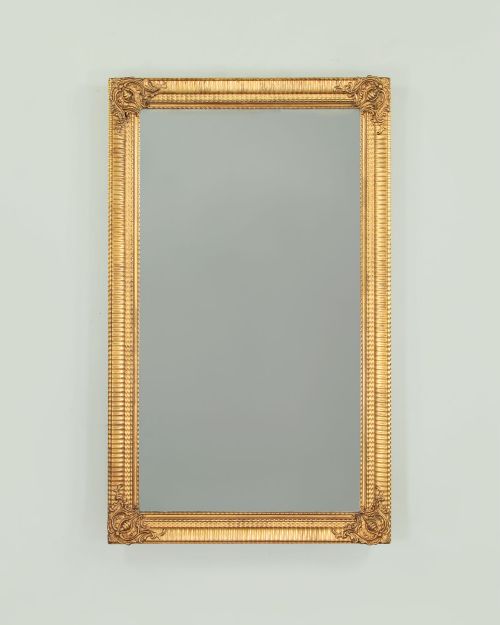
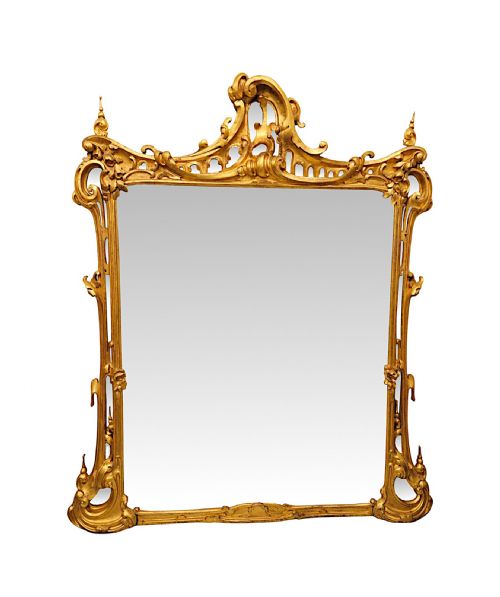
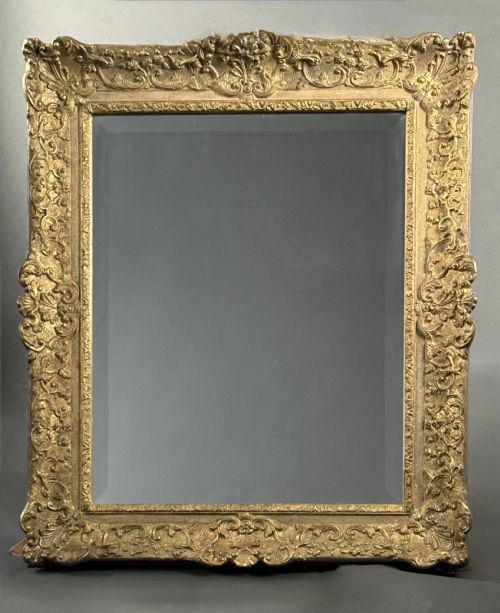
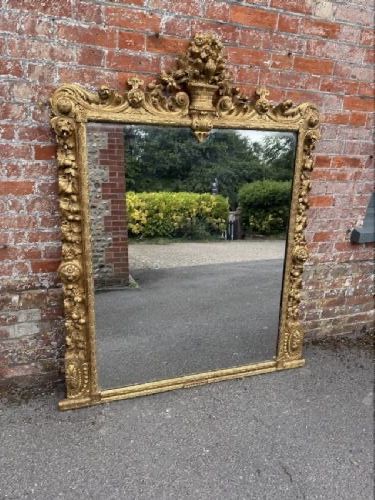
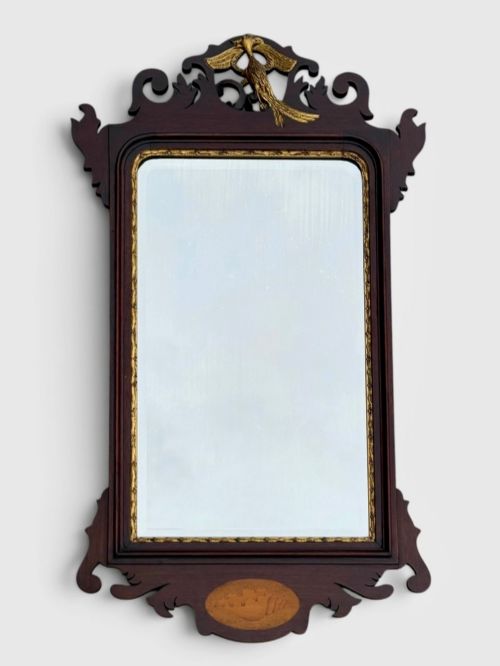
Victorian Gilded Wall Mirror
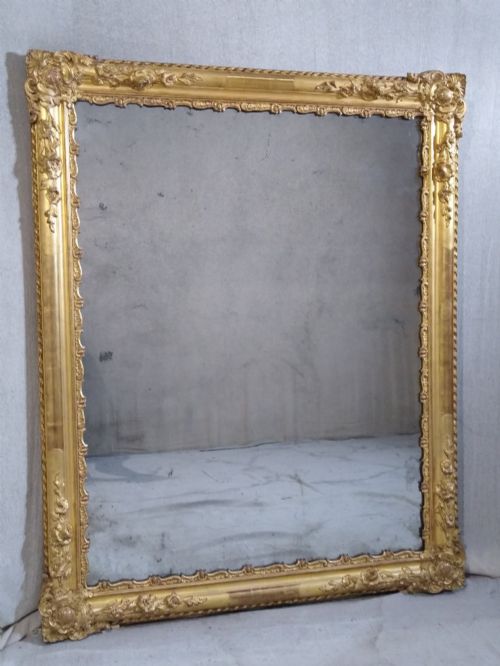
A victorian gilded wall mirror brings scale, reflected light and heavy ornamental carving into a room.
Victorian Gilded Wall Mirror
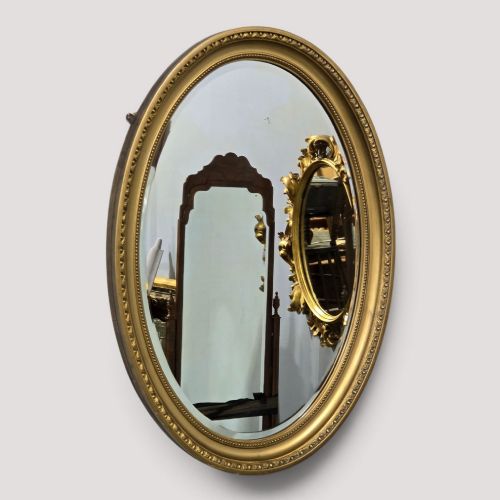
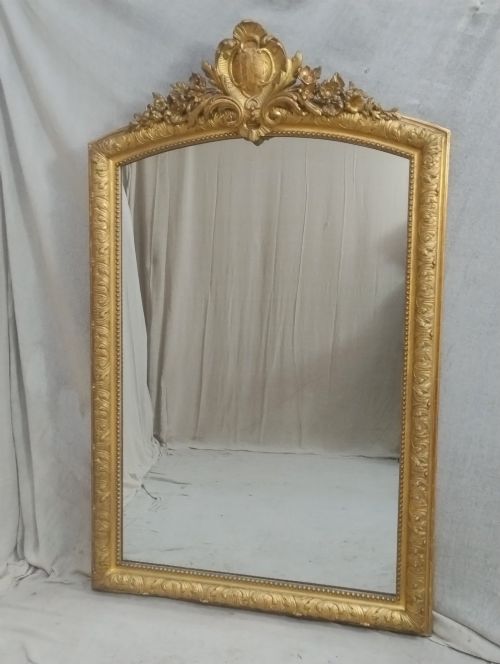
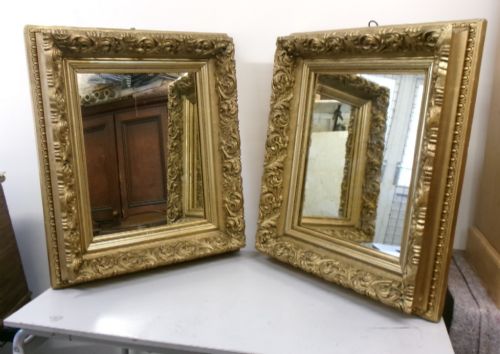
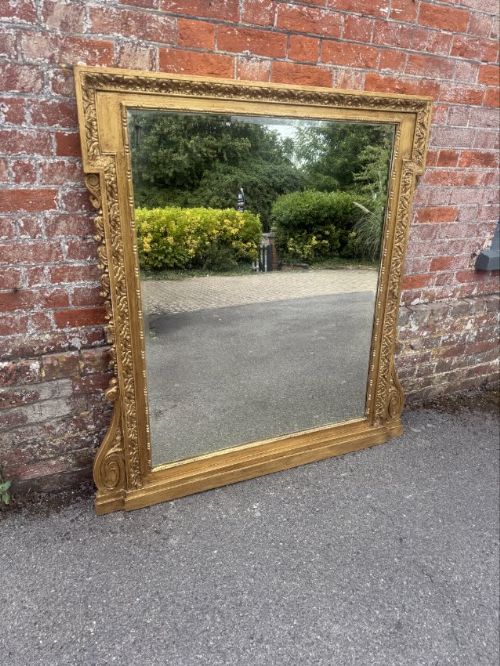
A victorian gilded wall mirror takes many forms across this selection, from tall rectangular overmantel pieces designed to sit above a fireplace to smaller oval and architectural shapes. Many examples originate from the nineteenth century, spanning decades such as the 1860s, 1870s and 1880s alongside later Edwardian interpretations.
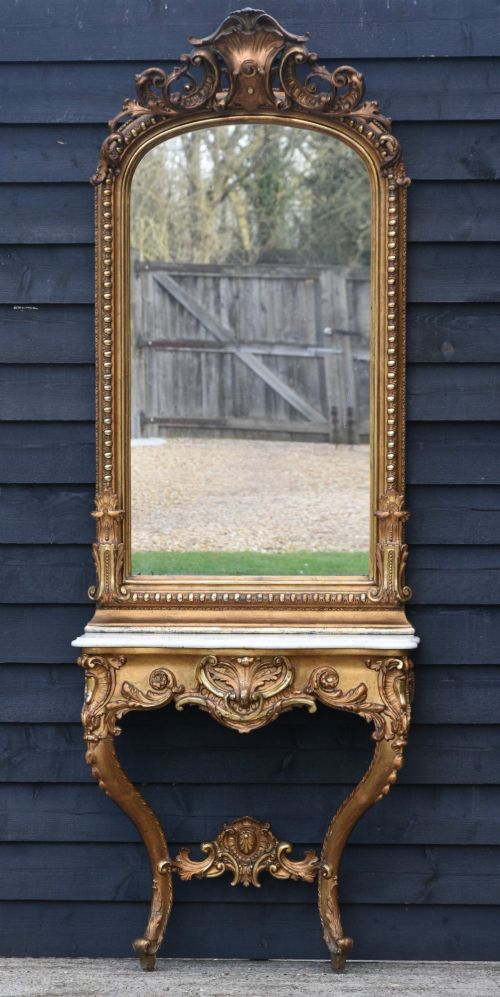
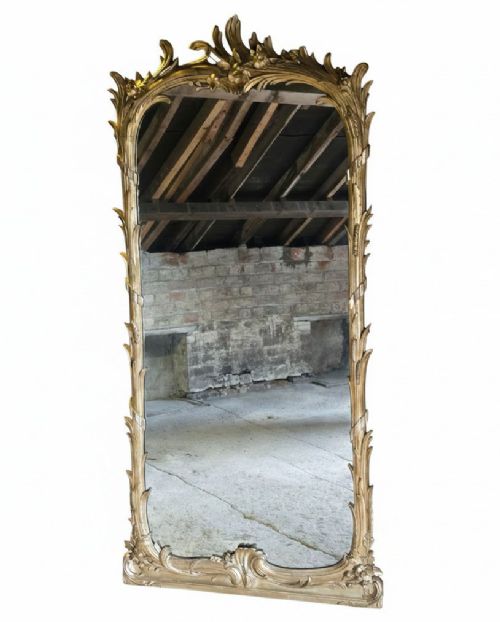
Overmantel mirrors dominate the listings, frequently displaying arched tops, crested ornamentation and substantial proportions suited to large interior walls. Buyers also encounter pier mirrors designed for narrow wall spaces between windows, console table pairings and smaller decorative wall glasses.
English and French workshops produced the majority of these pieces, employing revival aesthetics that draw heavily on rococo, classical and chateau traditions. The scale ranges from compact oval vanity frames to monumental architectural statements exceeding one hundred and eighty centimetres in height.
How they were made
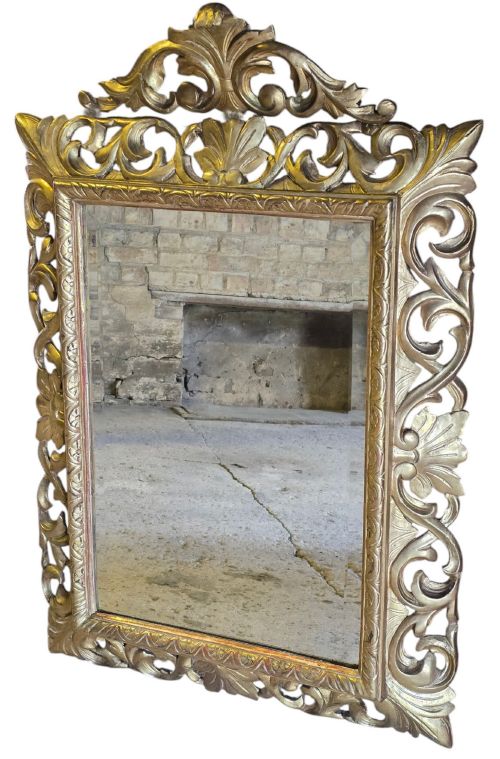
Carved wood provides the primary structural foundation for the finest frames, utilising timber such as pine or hardwood to support complex decorative mouldings. Artisans applied layers of gesso, a fine plaster mixture, directly onto the wooden base to build up relief details like acanthus leaves, rope twists and scrollwork before gilding.
Gold leaf and liquid gilding create the characteristic luminous surface finish, applied over preparatory bole layers to achieve a rich metallic sheen. Composition ornament, a moulded paste of whiting, resin and glue, was frequently pressed into metal dies and applied to wooden frames to accelerate the creation of intricate repeating motifs.
Mirror glass plates within these frames vary from original silvered surfaces displaying age spots to later bevelled replacements. Heavy timber backs and iron strapwork secure the glass within the ornate outer housing, ensuring structural stability for large wall and overmantel formats.
Victorian Gilded Wall Mirror Retail Price Guide 2026
Typical asking prices for victorian gilded wall mirror among the pieces listed under this phrase on Sellingantiques today, from the lower quarter to the upper quarter. They describe what is for sale here now, not the wider market.
Listings feature 19th-century and Edwardian periods, utilising materials such as gesso, giltwood, composition and original mirror glass across multiple regional origins.
What varies in quality
The depth and crispness of the hand-carved woodwork distinguish superior examples from simpler moulded pieces. Frames featuring deep, undercut carving in solid wood show a level of craftsmanship absent in items relying entirely on heavy composition ornament.
The integrity of the gilded surface alters the visual impact significantly. Pieces retaining their original gold leaf display a softer, warmer patina over time, whereas inferior or later re-gilding often appears flat and uniform.
Structural scale and proportion dictate the desirability of an overmantel or wall mirror. Monumental heights, substantial timber frames and intact original mirror plates separate everyday decorative items from exceptional statement pieces.
The Victorian Gilded Wall Mirror Glossary
- Gesso
- A fine plaster mixture applied to wooden frame foundations to create a smooth base for relief ornamentation and gilding. Artisans carved and shaped this material to form intricate decorative scrolls and leaves.
- Giltwood
- Timber that has been coated with gold leaf or metallic paint to give the appearance of solid gold. This material defines the bright, reflective character of nineteenth-century frames.
- Overmantel
- A large mirror specifically proportioned to hang on the wall directly above a fireplace mantelpiece. These pieces often feature wide horizontal or arched formats designed to reflect interior light.
- Pier glass
- A tall, narrow mirror designed to hang on the wall space between two windows, frequently paired with a matching console table below. They maximise natural illumination in period reception rooms.
- Rococo Revival
- A nineteenth-century design style emulating the ornate, asymmetrical curves and natural motifs of the French eighteenth century. Frames in this taste showcase flamboyant C-scrolls and floral motifs.
- Composition
- A durable moulded paste made from whiting, linseed oil and resin pressed into decorative shapes. It allowed makers to produce elaborate ornamental mouldings more rapidly than hand carving alone.
Victorian Gilded Wall Mirror: Frequently Asked Questions
What is the difference between an overmantel and a pier mirror?
An overmantel mirror is built wide and often arched to sit horizontally above a fireplace opening. Its proportions balance the width of the mantel shelf below.
By contrast, a pier mirror is tall and narrow, engineered to fit the solid strip of wall between two windows. Pier mirrors frequently accompany matching console tables placed underneath.
How should I clean a gilded antique frame?
Dust the carved gesso and giltwood surfaces gently with a soft, dry brush to prevent accumulation. Moisture can damage fragile historic gilding and compromise the underlying gesso.
Avoid chemical polishes or modern cleaning sprays entirely. Water or solvent contact will strip original gold leaf and dissolve composition ornament.
Are original mirror plates common on these pieces?
Original mirror glass frequently shows foxing, dark oxidation spots and light distortion acquired over the decades. These imperfections confirm the historic authenticity of the piece.
Many surviving mirrors retain their original plates, though some suffered breakage and received clean replacement glass during their working life.