

Nineteenth Century Wall Mirror
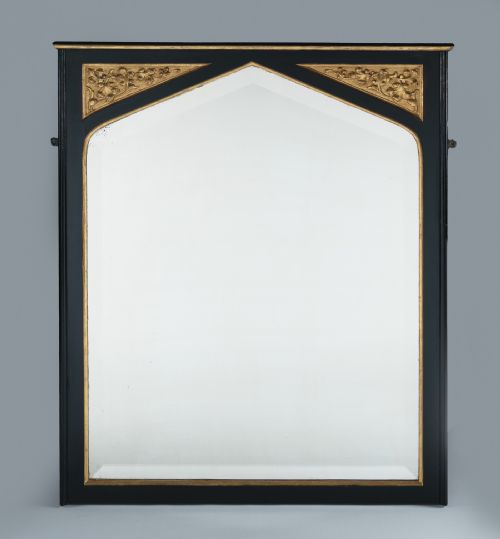
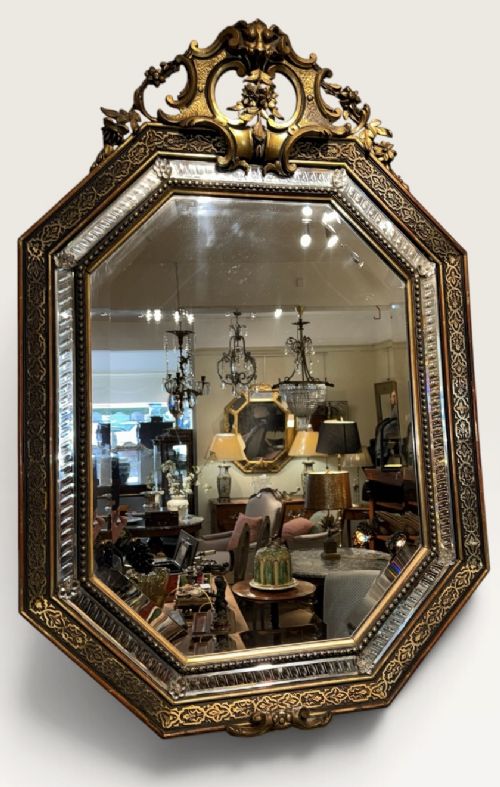
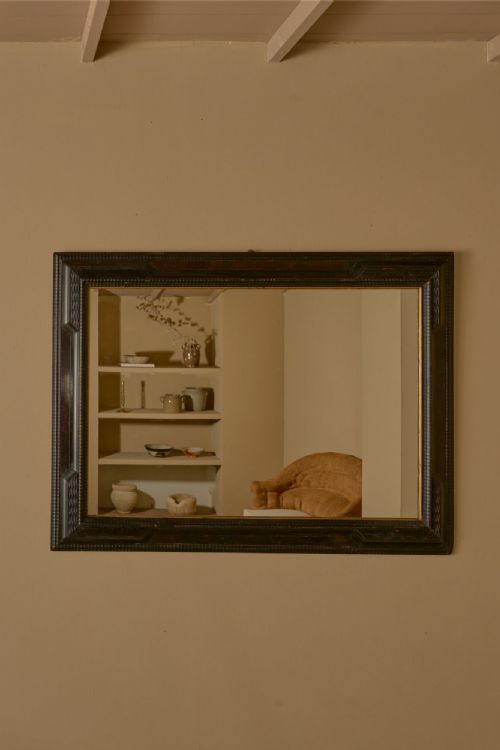
A nineteenth century wall mirror brings grand scale and golden light into a room, framed in carved wood, gesso, or rich rosewood.
Nineteenth Century Wall Mirror
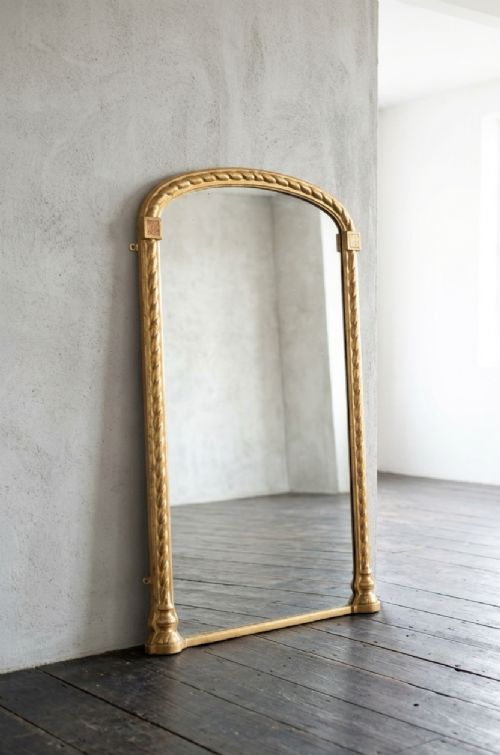
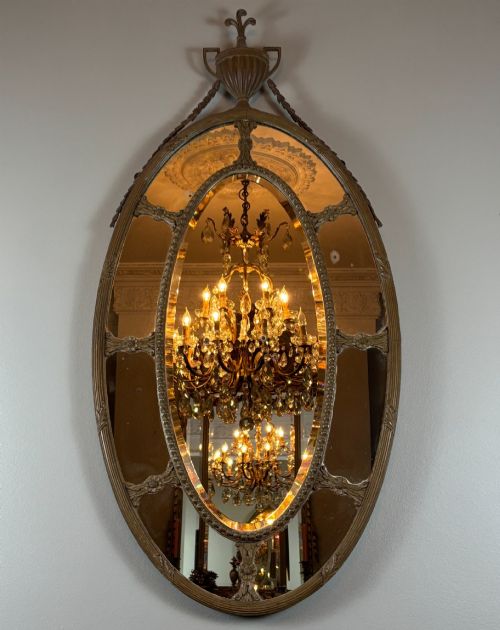
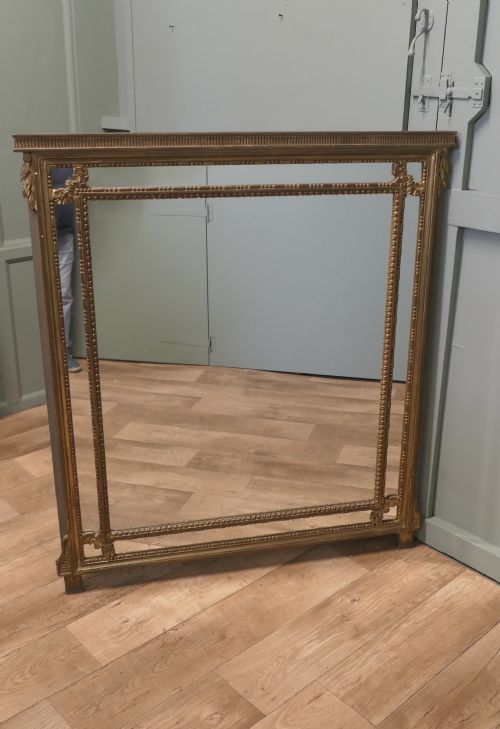
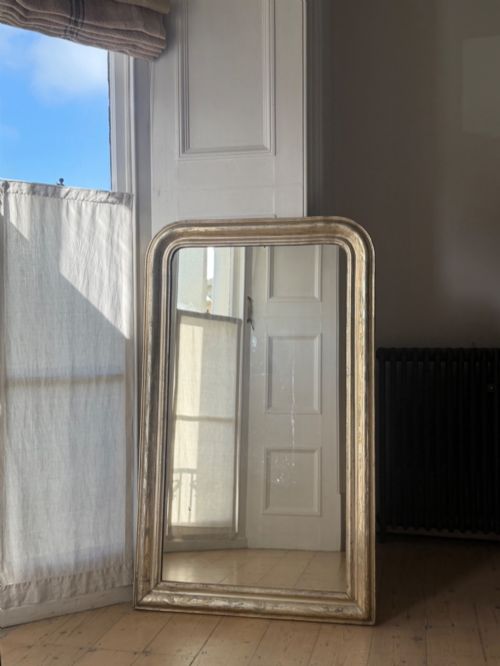
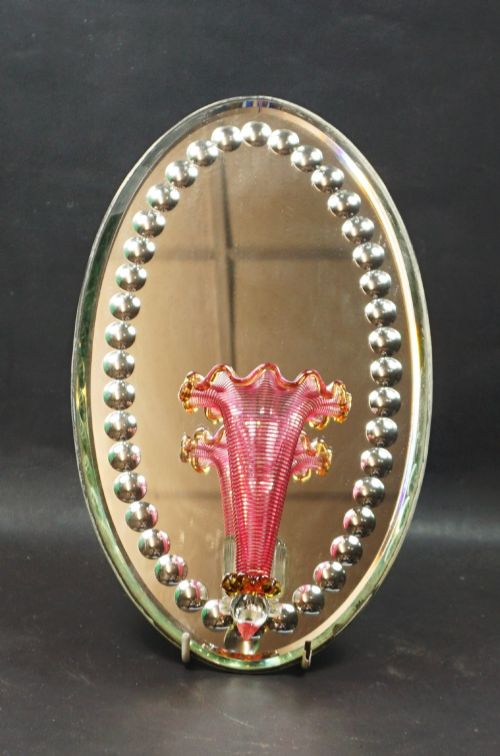
A nineteenth century wall mirror encompasses large overmantel frames, tall pier mirrors, and country house ovals originating from English and French workshops. These pieces served practical dressing functions as well as architectural roles above fireplaces and consoles.
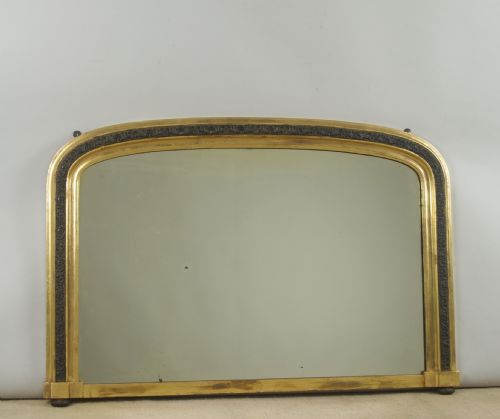
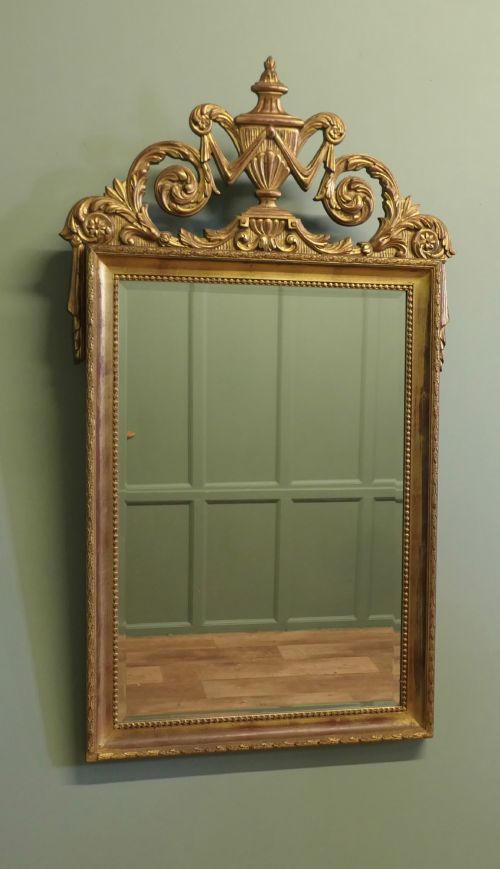
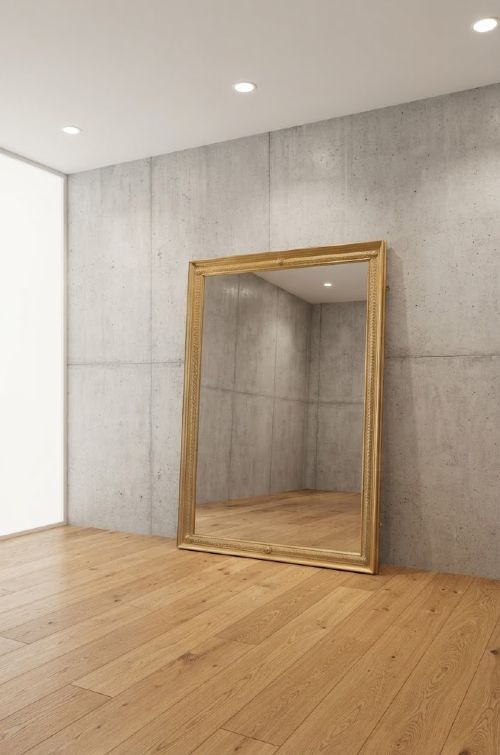
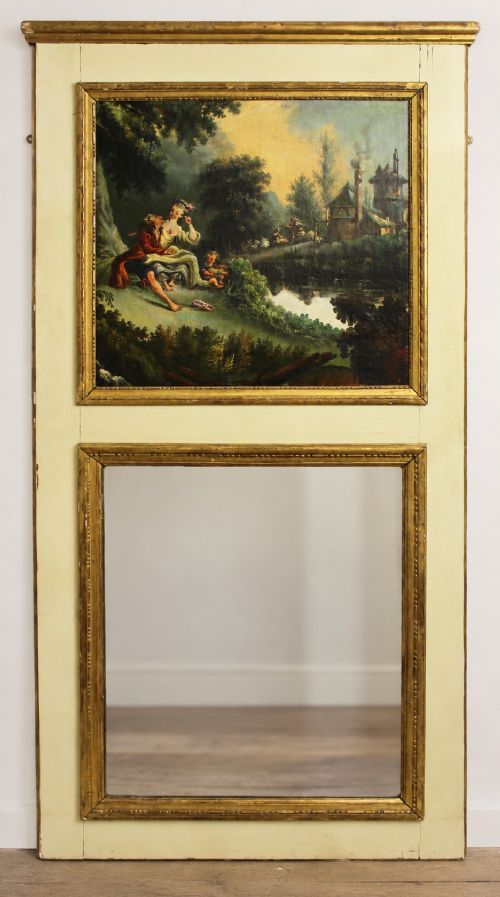
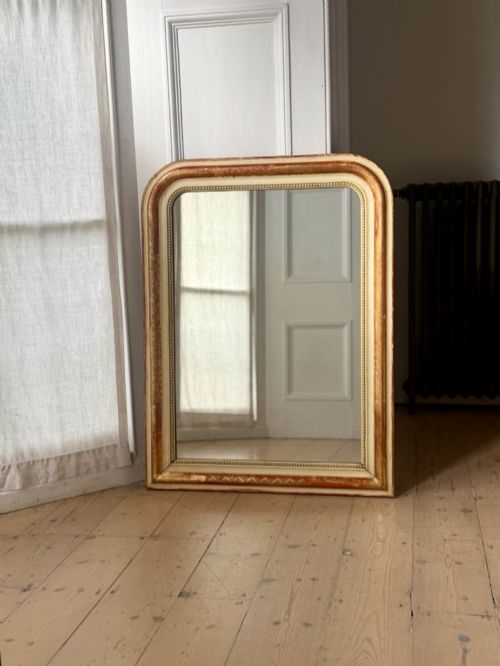
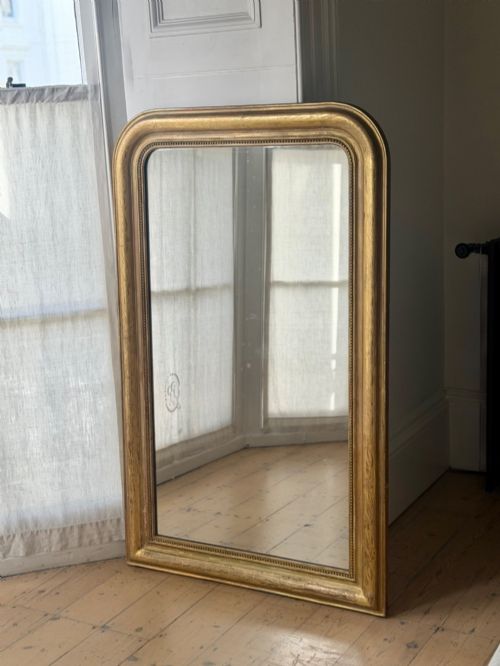
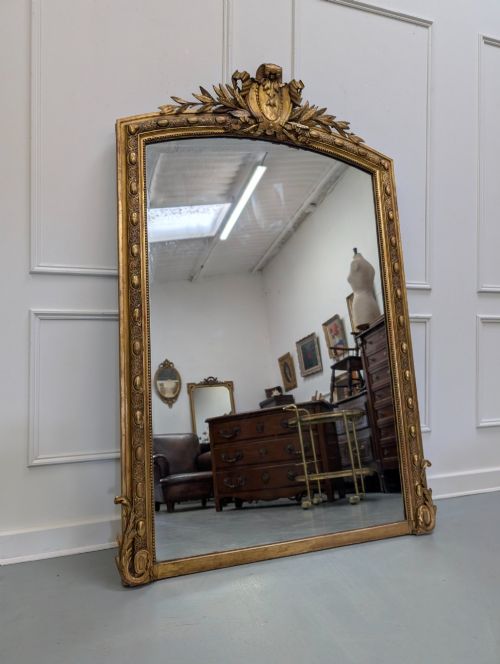
The most common versions met on this page are large giltwood overmantle mirrors with arched tops, alongside French trumeau and Louis XV style pieces. These formats utilise substantial carved wood and gesso frames designed to reflect light across grand rooms.
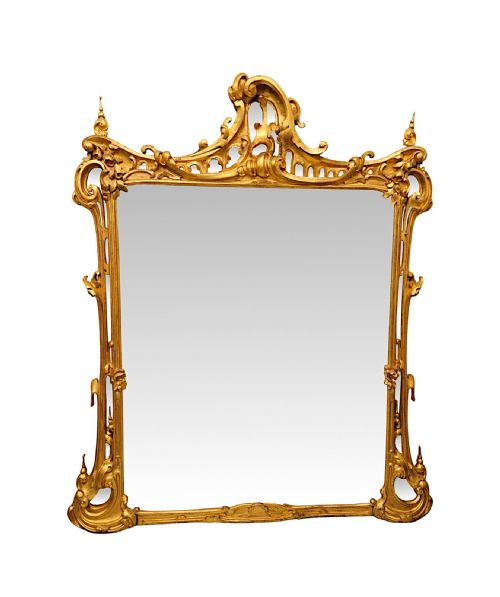
Objects range from ornate Victorian and Regency designs with acanthus leaf decoration to simpler mahogany and oak frames. Regional variations include parcel gilt highlights, painted surfaces, and verre eglomise panels.
How they were made
Giltwood and composition ornaments were built over carved wooden carcases of oak, mahogany, or pine, applying thin layers of gold leaf or paint to the prepared surface. Gesso provided the malleable base for intricate mouldings like ribbons, flowers, and scrollwork.
Early glass plates relied on mercury silvering techniques before giving way to modern bevelled mirror glass in later Victorian examples. Original plates frequently display subtle ageing marks that distinguish them from later replacements.
Nineteenth Century Wall Mirror Retail Price Guide 2026
Typical asking prices for nineteenth century wall mirror among the pieces listed under this phrase on Sellingantiques today, from the lower quarter to the upper quarter. They describe what is for sale here now, not the wider market.
Period styles represented on this page include Georgian, Regency, Victorian, Louis XVI, and Rococo Revival designs.
What varies in quality
The depth and crispness of the hand-carved woodwork dictate the refinement of a nineteenth century wall mirror, separating deeply undercut gesso mouldings from flat, mass-produced composition castings. Original gilding retains subtle tonal variations and burnished highlights lost through heavy modern repainting.
Structural integrity depends on the preservation of the original wooden frame joints and backboards behind the glass plate. Surviving original mirror glass and untouched mercury plates hold greater historical completeness than replaced modern glass.
The Nineteenth Century Wall Mirror Glossary
- Overmantel mirror
- A wide mirror specifically designed to hang on the wall directly above a mantelpiece or fireplace. These frames often feature arched tops to fit architectural chimney breasts.
- Gesso
- A plaster-like material applied to wooden frames and carved or moulded into decorative reliefs before gilding. It forms the textured surface for traditional gold leaf application.
- Trumeau mirror
- A tall wall mirror paired with an oil painting or decorative panel within the upper section of the wooden frame. Originating in French interiors, these pieces fitted narrow wall spaces between windows.
- Verre eglomise
- A traditional technique involving cold painting and gilding on the reverse side of glass panels. These decorative panels frequently appear in the upper sections of Regency pier mirrors.
- Pier mirror
- A tall, narrow mirror created to hang on the wall space between two windows, often positioned above a matching console table. They expanded visual space and reflected natural light in period rooms.
Nineteenth Century Wall Mirror: Frequently Asked Questions
How do I clean an antique mirror?
Use a soft, dry microfibre cloth to gently remove dust from the carved frame and glass surface without applying pressure.
Avoid commercial liquid cleaners entirely, as moisture can seep behind the glass plate and damage the original mercury silvering or foil backing.
How do I spot original glass?
Original glass plates often show faint foxing, tiny dark specks, and subtle surface distortions created by nineteenth century manufacturing methods.
Completely uniform reflection without any ageing marks usually indicates a modern replacement glass panel.
Where should I place an overmantel mirror?
Mount an overmantel mirror centrally above a fireplace mantelpiece to anchor the focal point of a living room or reception space.
Positioning the frame opposite a window helps maximise natural light distribution throughout the entire interior.