
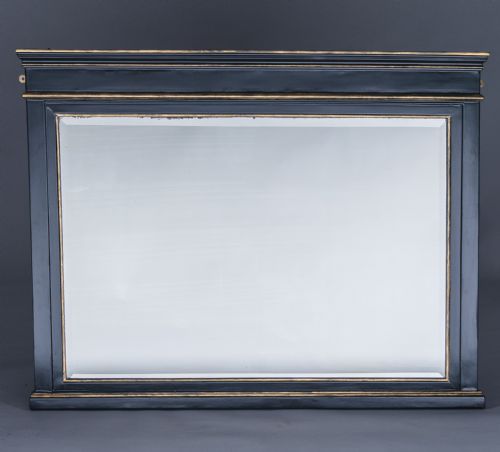
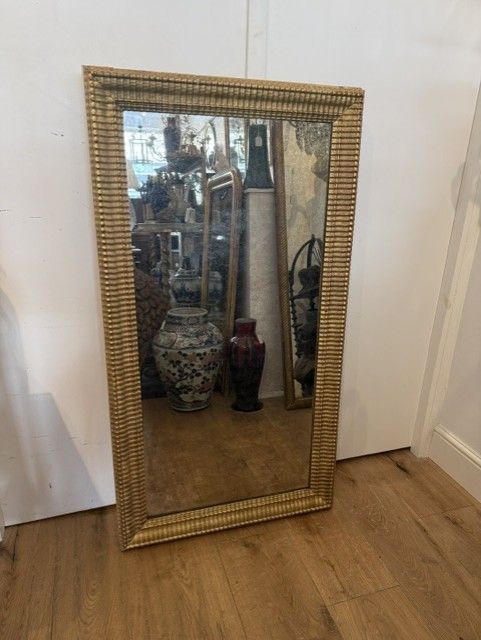
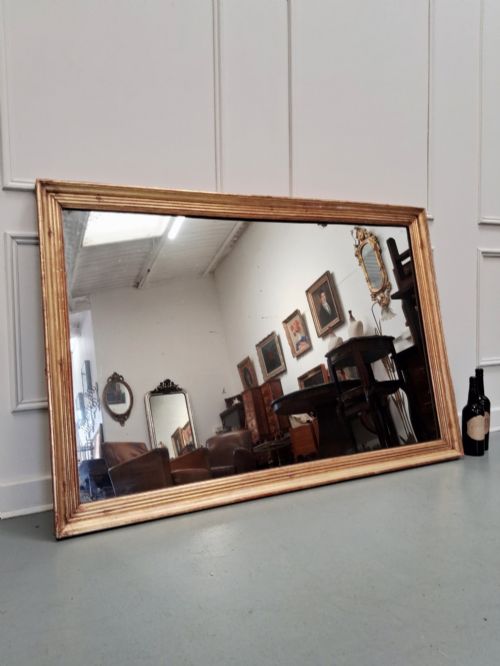
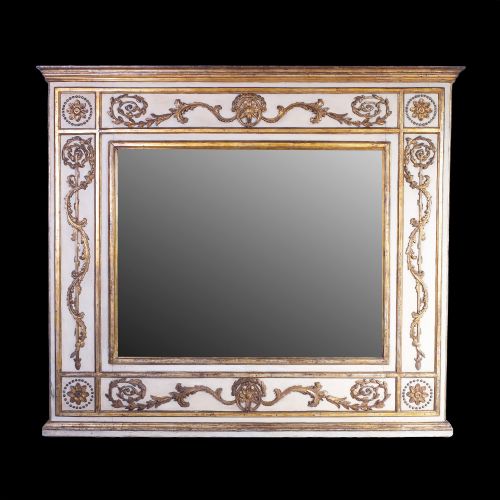
Large Rectangular Wall Mirror
A large rectangular wall mirror brings light and scale to a room, framing reflections with the weight of nineteenth-century craftsmanship.
Large Rectangular Wall Mirror
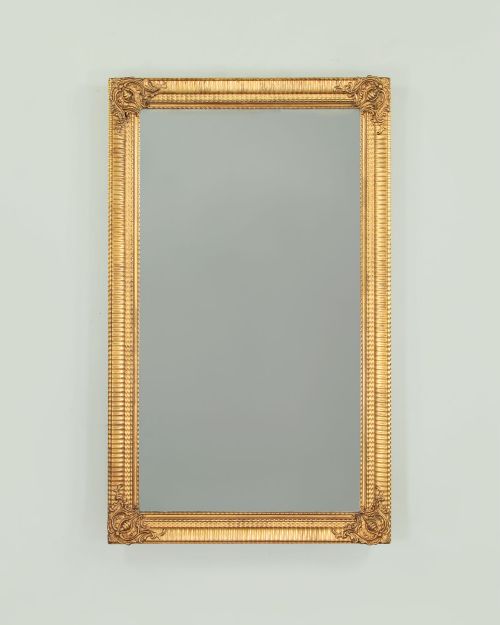
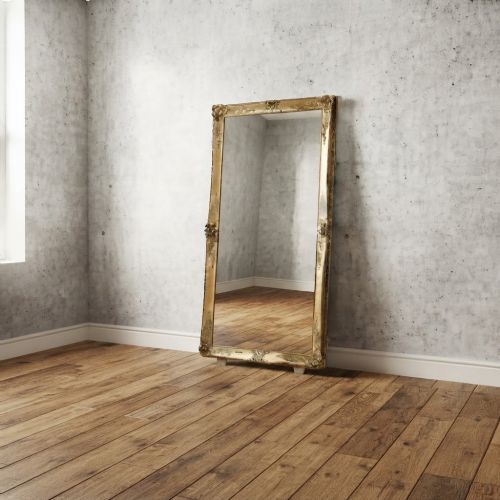
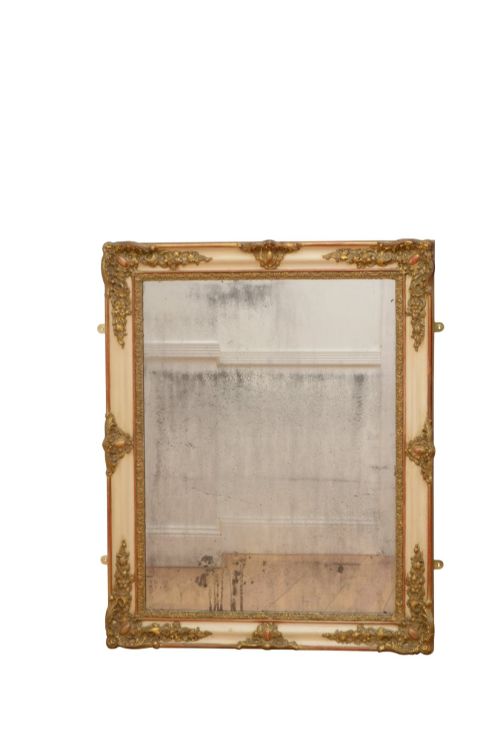
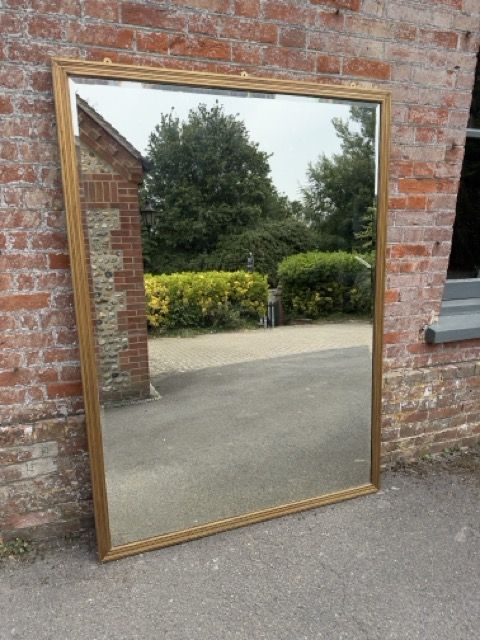
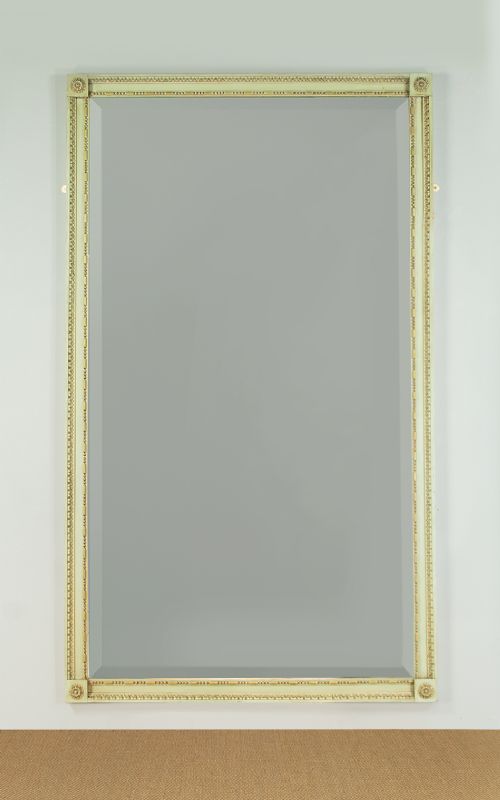
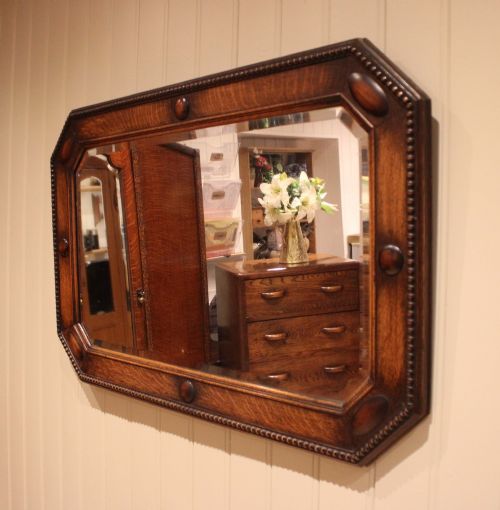
A large rectangular wall mirror serves both a functional purpose and a decorative focal point within a domestic interior. These pieces appear primarily in nineteenth-century and early twentieth-century formats, drawing from French, English, and Italian traditions.
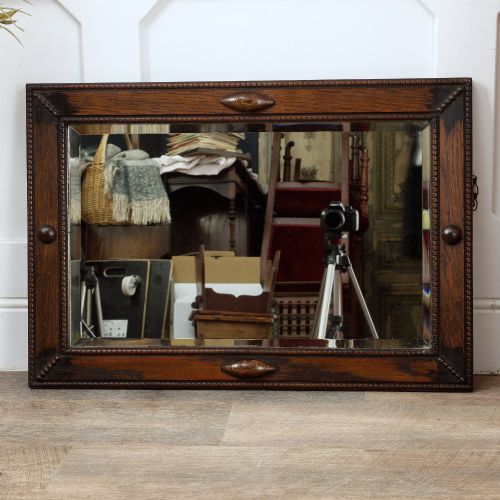
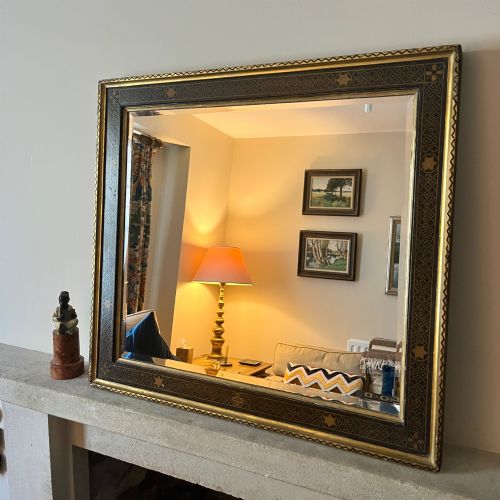
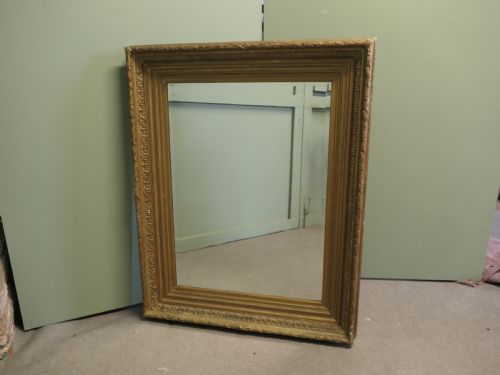
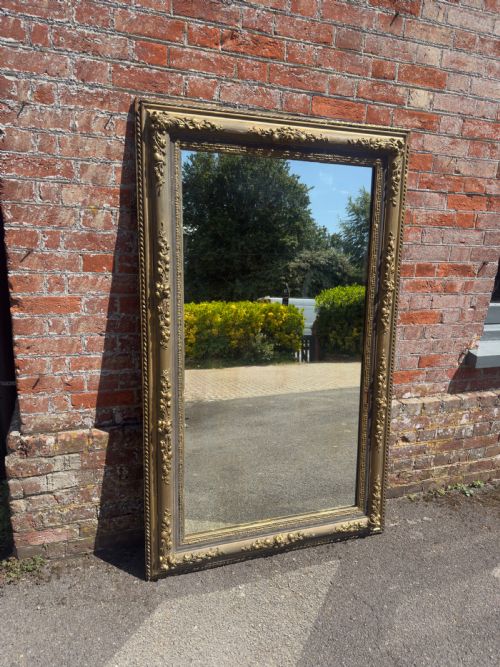
The most common examples on this page are nineteenth-century giltwood and gesso pieces, alongside overmantel mirrors and French bistro mirrors. Overmantel mirrors traditionally sat above a fireplace, while pier mirrors occupied the wall space between windows.
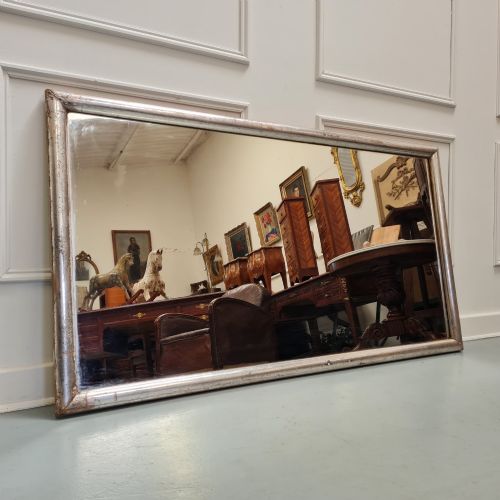
Makers and workshops produced these rectangular forms in varied proportions, ranging from tall leaner mirrors to wider landscape formats designed for prominent wall placement.
How They Were Made
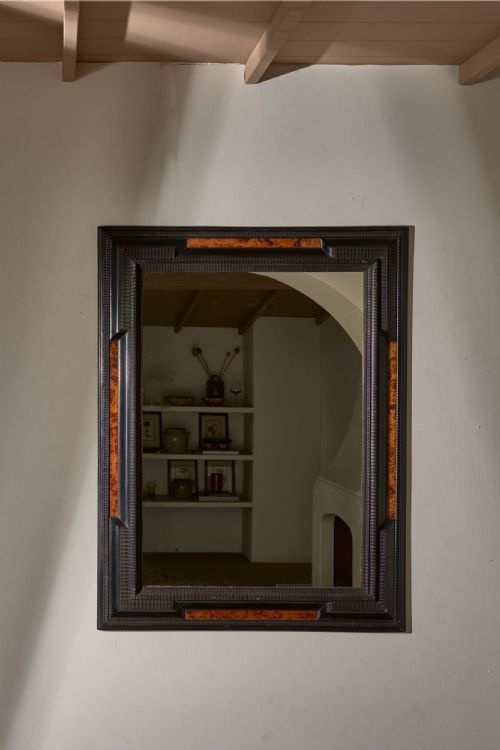
Makers built the foundational frames using timber such as oak, wood, and ebonised substrates, frequently applying gesso to create moulded decorative reliefs. Craftsmen then finished these surfaces with gold leaf, silver gilt, paint, or brass elements.
Glass plates were set within the frames, with older pieces often retaining their original mirror glass alongside examples fitted with new glass.
Large Rectangular Wall Mirror Retail Price Guide 2026
Typical asking prices for large rectangular wall mirror among the pieces listed under this phrase on Sellingantiques today, from the lower quarter to the upper quarter. They describe what is for sale here now, not the wider market.
Some nineteenth-century French bistro mirrors arrived with brass frames designed to withstand the humidity of busy Parisian cafes.
What Varies in Quality
The depth and intricacy of the carved wood and gesso ornamentation separate standard utility frames from finer examples. Deeply carved motifs, crisp ribbing, and well-executed ripple frames demand greater artisan skill than simpler mouldings.
The integrity of the original gilding and the preservation of the mirror plate dictate the character of the piece. Aged surfaces that retain their authentic patina and substantial timber construction carry the distinct mark of period workshop practice.
The Large Rectangular Wall Mirror Glossary
- Gesso
- A plaster-like mixture applied to wooden frames as a base for gilding or painting. Artisans carved intricate details directly into this layer once dry.
- Giltwood
- Timber that has been coated with gold leaf or metallic powder. It forms the lustrous surface seen on many nineteenth-century frames.
- Overmantel Mirror
- A wide mirror designed specifically to hang on the wall above a fireplace mantelpiece. These pieces often feature landscape rectangular proportions.
- Pier Mirror
- A tall mirror designed to fit the narrow pier of wall space situated between two windows. They frequently reflect additional light into darker rooms.
- Ripple Frame
- A frame featuring concentric undulating mouldings carved into the wood. This technique created textured geometric patterns popular in period frames.
Large Rectangular Wall Mirror: Frequently Asked Questions
Where should I hang a large rectangular wall mirror?
These mirrors suit placement above a fireplace mantel, along a main hallway, or opposite a window to maximise natural light.
Their substantial scale allows them to anchor a room and create an illusion of greater spatial depth.
How do I identify a nineteenth-century frame?
Look for traditional construction methods such as hand-carved wood, applied gesso ornamentation, and heavy timber backboards.
Period pieces often display subtle wear to the gilding and natural foxing within the mirror glass.
What is an overmantel mirror?
An overmantel mirror is a horizontal wall glass traditionally positioned directly above a chimney breast. Their proportions match the width of the fireplace below.
They formed a central element of Victorian and nineteenth-century interior decoration.
Can I replace the mirror glass?
Many surviving frames have received new mirror glass over their long history to ensure a clear reflection. Original glass often shows age spots and uneven silvering, which collectors appreciate for authenticity.