




Bevelled Edge Wall Mirror
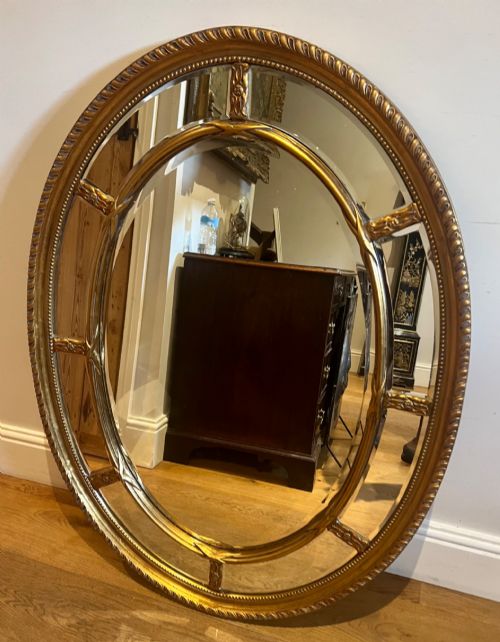
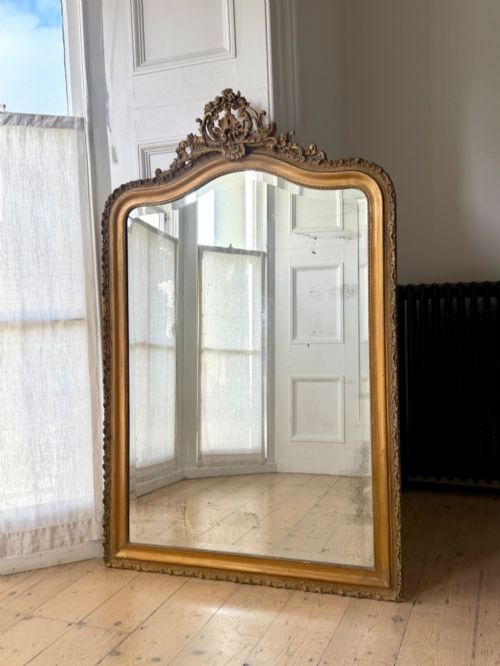
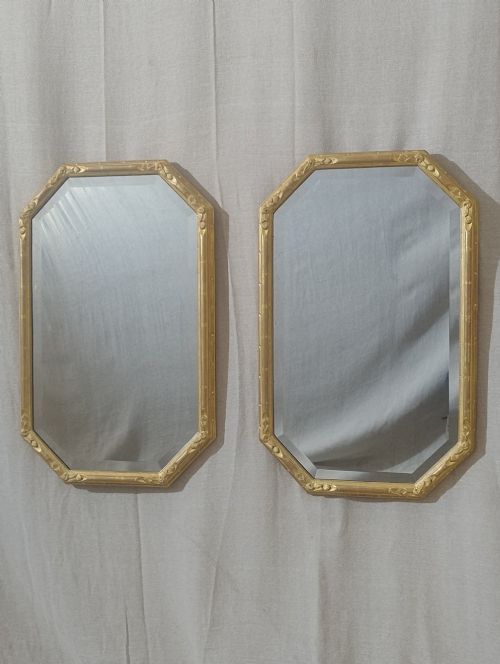
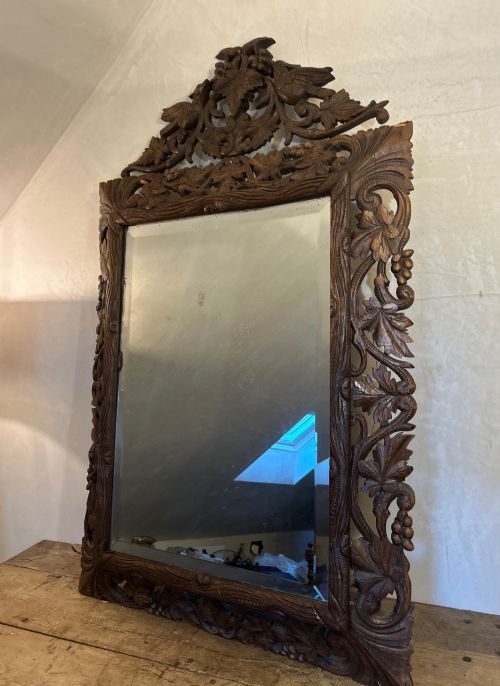
A bevelled edge wall mirror brings depth and reflective light to a room through angled glass, spanning periods from Victorian to Art Deco.
Bevelled Edge Wall Mirror
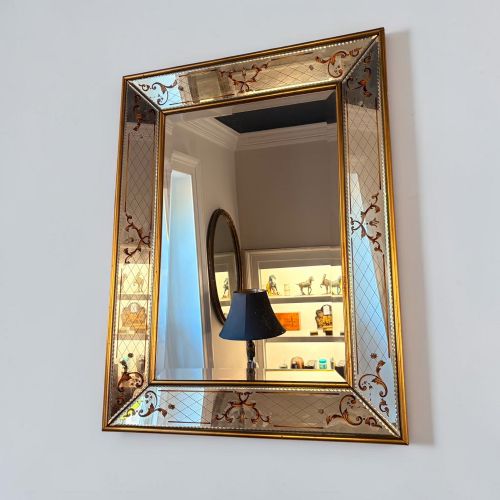
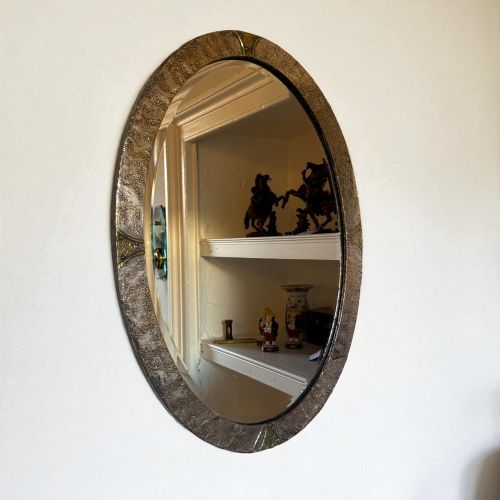
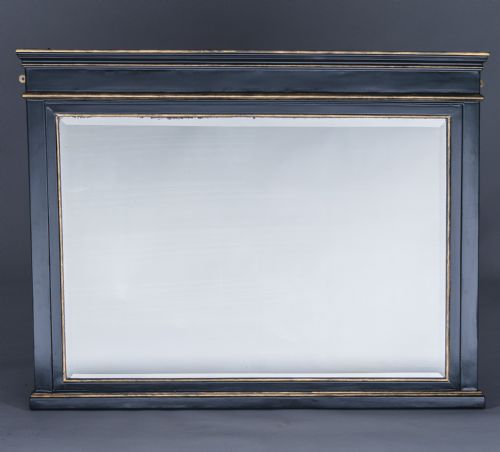
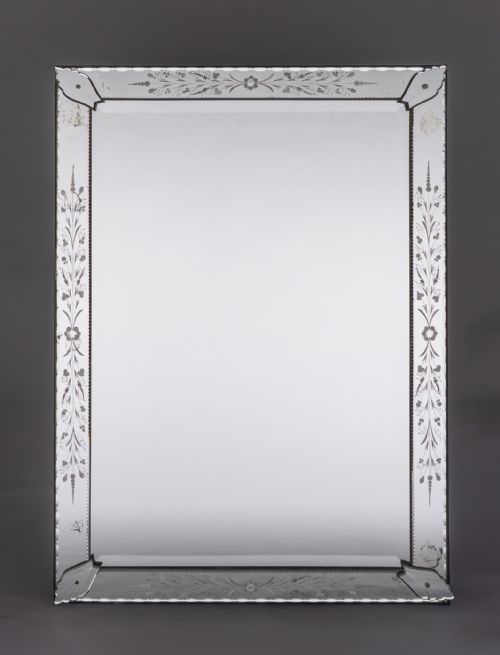
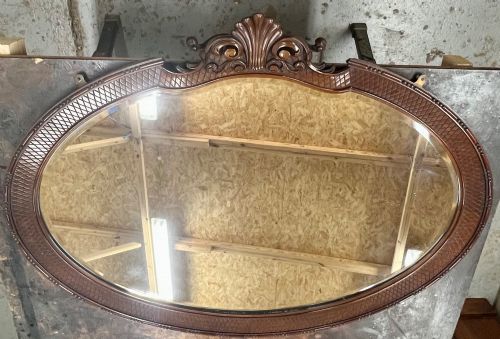
A bevelled edge wall mirror is chosen for its ability to catch light and add presence to interior spaces, appearing across Victorian, Edwardian, and Art Deco periods. When searching for a bevelled edge wall mirror, buyers encounter diverse forms ranging from overmantle pieces to hall mirrors and compact circular designs.
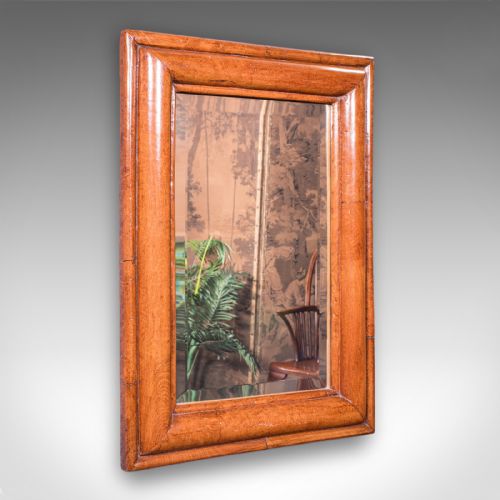
The materials framing these glasses vary widely, encompassing mahogany, walnut, oak, giltwood, gesso, brass, and alabaster. Pieces originate from English, French, and Italian workshops, reflecting regional carvers and metalworkers from the nineteenth and early twentieth centuries.
Standards of Execution
Quality rests in the crispness of frame carving, the depth and clarity of the glass bevel, and the integrity of original gilt or wood finishes. Finer examples display meticulous hand-chiselled detailing on brass mounts and deeply undercut woodwork rather than shallow moulded decoration.
The retention of original fittings, backboards, and mercury or silvered mirror plates further distinguishes superior specimens from later replacements. Balance in proportions and harmony between frame material and glass shape dictate the overall success of the piece.
Bevelled Edge Wall Mirror Retail Price Guide 2026
Typical asking prices for bevelled edge wall mirror among the pieces listed under this phrase on Sellingantiques today, from the lower quarter to the upper quarter. They describe what is for sale here now, not the wider market.
Listings feature glass, mahogany, brass, mirror glass, wood, metal, giltwood, and gesso across eight distinct historical periods.
The Bevelled Edge Wall Mirror Glossary
- Bevel
- An angled edge ground along the perimeter of a glass plate to catch and refract light. This technique adds depth and decorative character to the glass surface.
- Gesso
- A plaster-like mixture applied to wood frames and carved or gilded. It provides a smooth base for gold leaf and intricate relief ornamentation.
- Overmantle
- A large mirror designed to hang directly above a fireplace mantelpiece. These pieces often feature extended horizontal proportions.
- Fret-cut
- Woodwork shaped using a fretsaw to create openwork patterns and geometric silhouettes. This technique defines many Georgian revival frames.
- Ormolu
- Gilded bronze mounts applied to furniture and mirror frames. The process creates rich metallic highlights popular in continental decorative arts.
Bevelled Edge Wall Mirror: Frequently Asked Questions
How do I hang a heavy antique wall mirror safely?
Heavy pieces require fixing directly into wall studs or using heavy-duty masonry anchors suited to the weight of the timber and glass.
Ensure the original hanging rings or wire on the back are secure and capable of supporting the load before mounting.
What indicates an Art Deco mirror style?
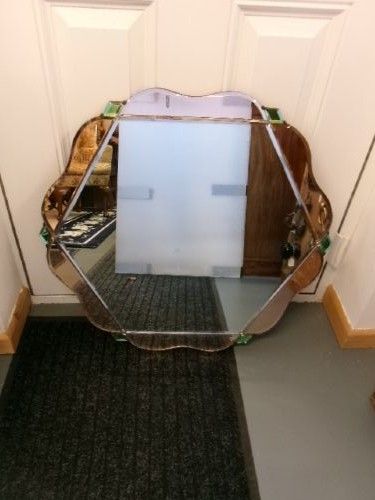
Art Deco mirrors typically feature geometric shapes, etched glass motifs, segmented frameless designs, and materials like chrome, brass, or green-edged glass.
These pieces reflect the modernist aesthetic of the 1920s and 1930s with an emphasis on clean lines and symmetrical patterns.
Can I place an overmantle mirror on a normal wall?
Overmantle mirrors function effectively on standard walls provided the wall construction and fixings support their substantial horizontal scale.
Their wide proportions make them suitable for hanging above sideboards, sofas, or long console tables.
Why do some antique mirrors have dark spots on the glass?
Dark spots or foxing occur when moisture penetrates the silvering behind the glass over decades of atmospheric exposure.
Many collectors view this natural ageing process as evidence of genuine antiquity and character rather than a defect.