


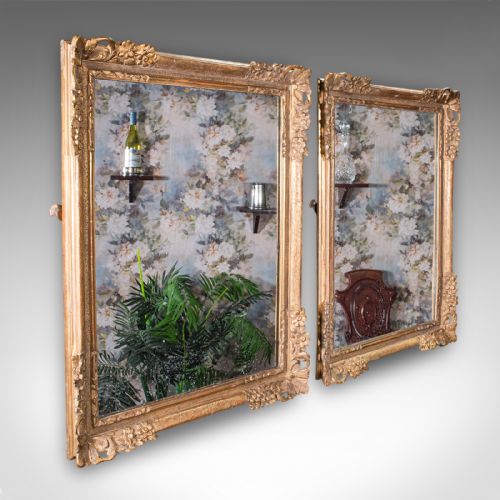
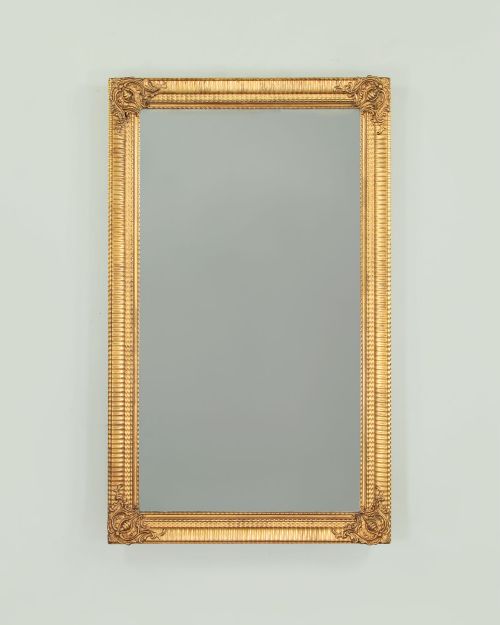
Large Gilded Wall Mirror
When you search for a large gilded wall mirror, you are looking at substantial decorative pieces designed to reflect light and anchor a room.
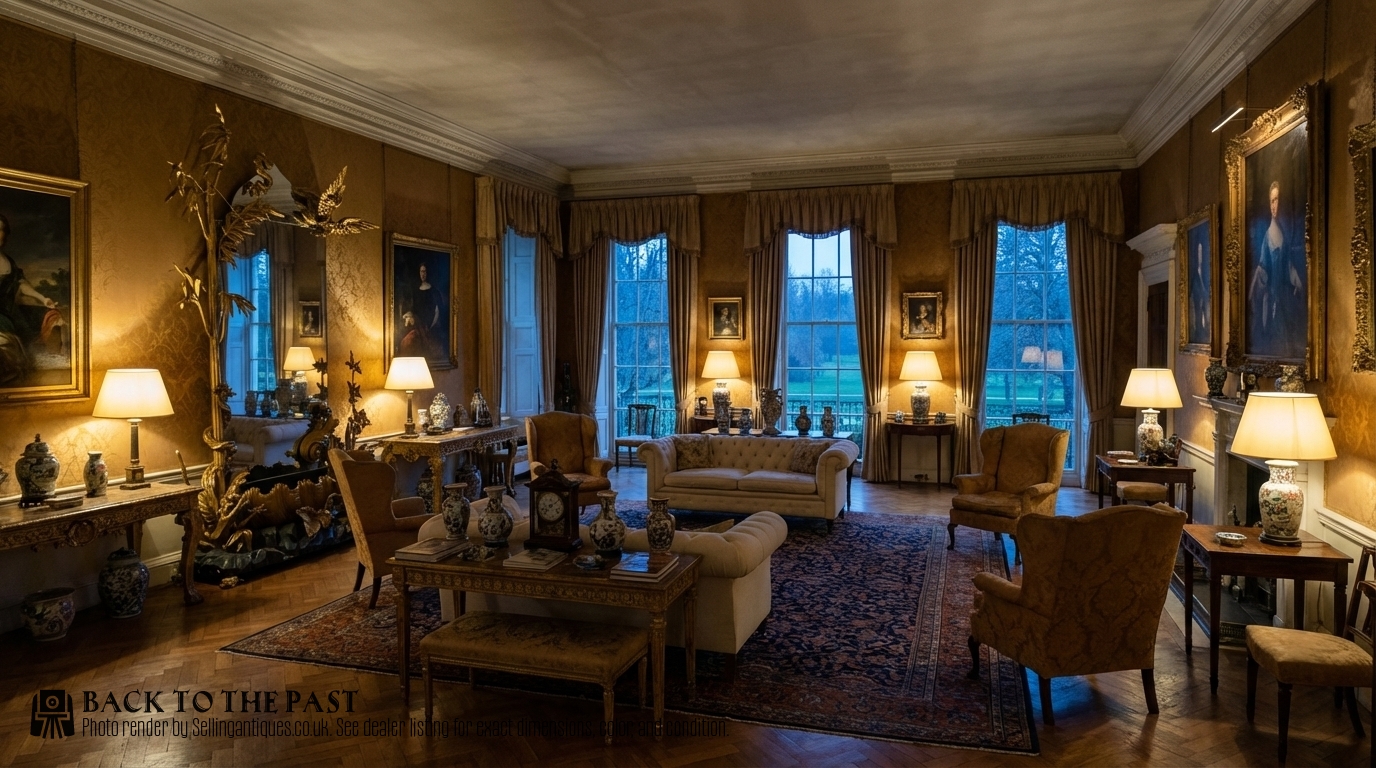
Large Gilded Wall Mirror
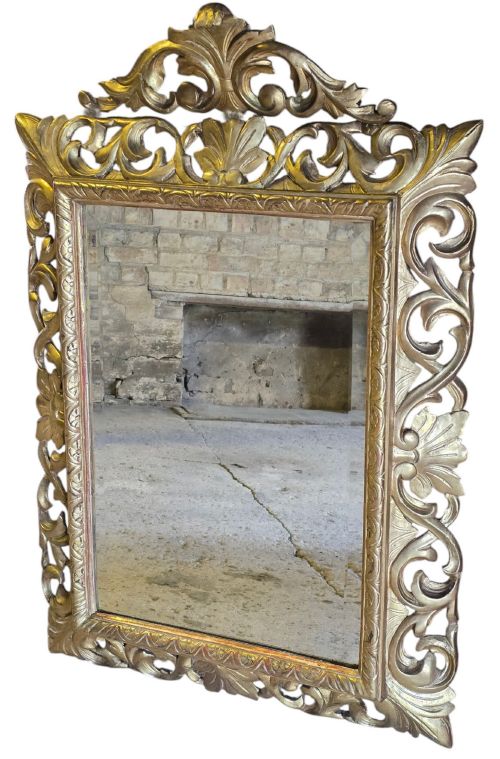
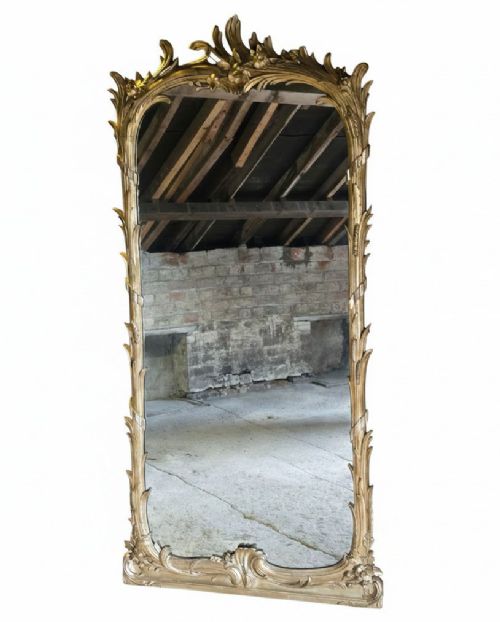
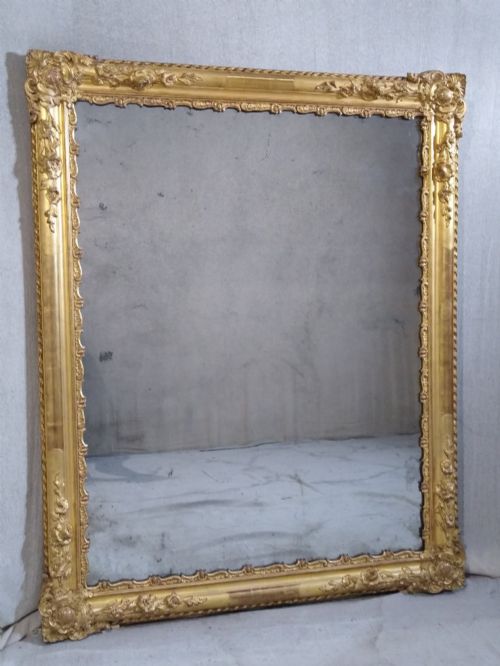
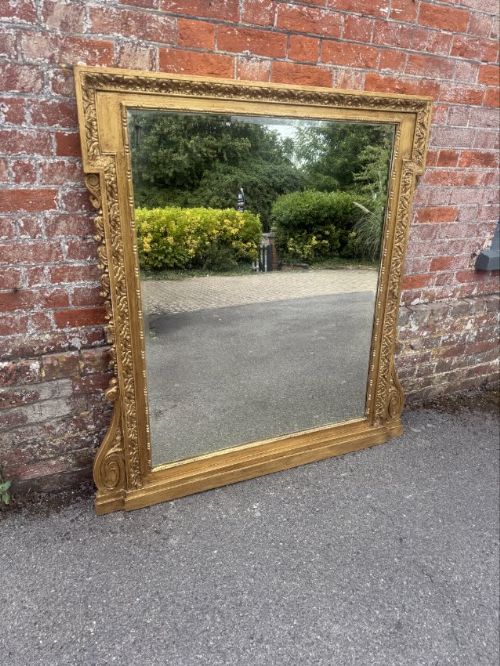
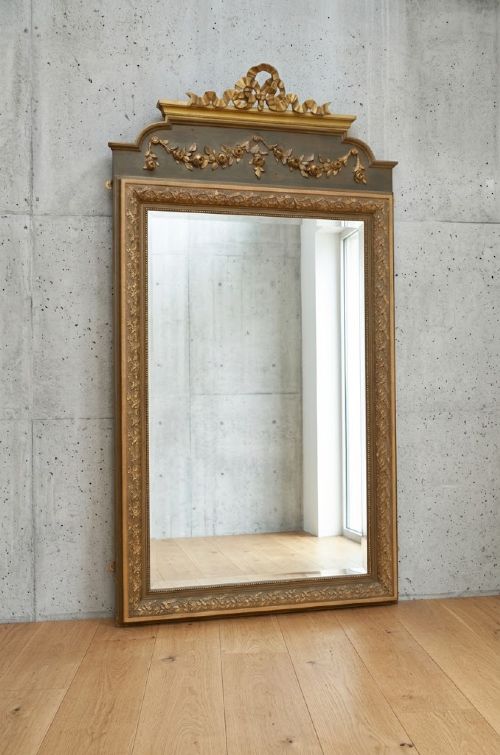
A large gilded wall mirror serves as a dominant focal point within a domestic interior, frequently positioned above a fireplace or a console table. These pieces encompass various forms including overmantel mirrors, pier mirrors, and full-length leaner mirrors originating from domestic and chateau settings.
The selections available range across multiple periods, with nineteenth-century examples dominating the inventory. Buyers encounter English and French craftsmanship spanning from the Georgian and Regency eras through to Victorian and Belle Époque productions.
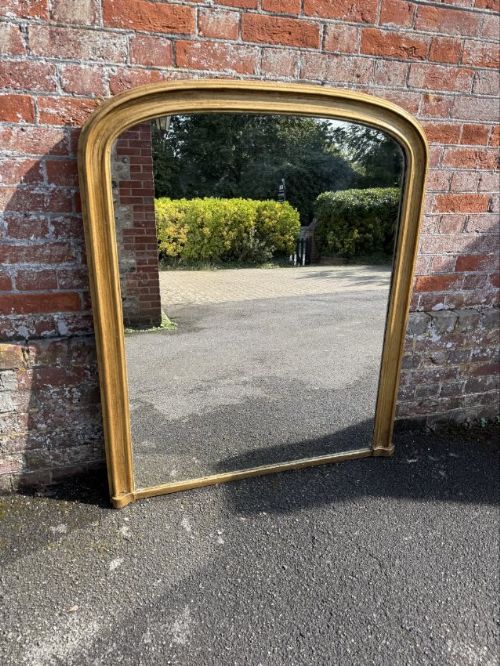
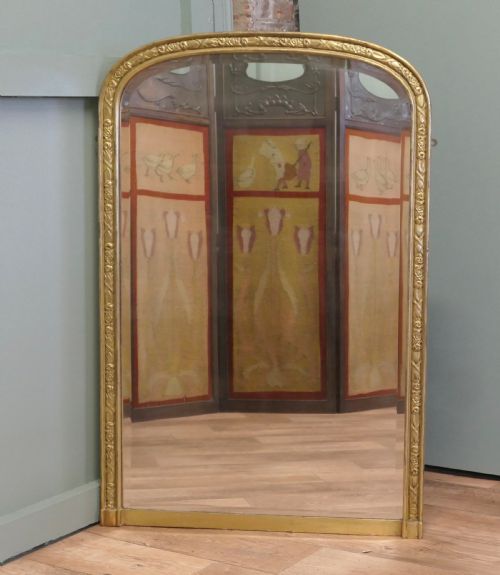
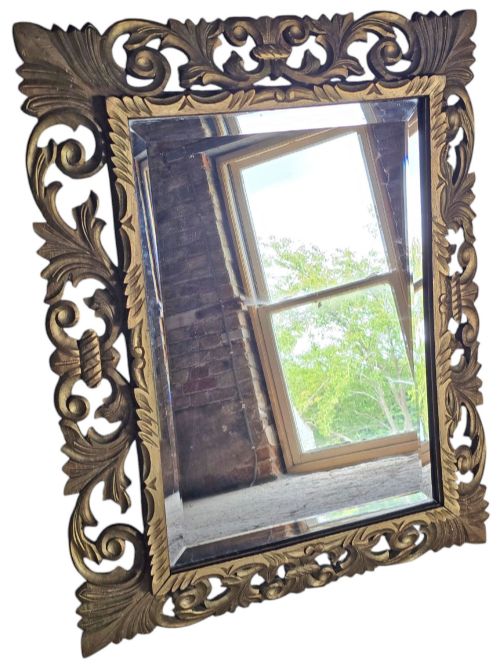
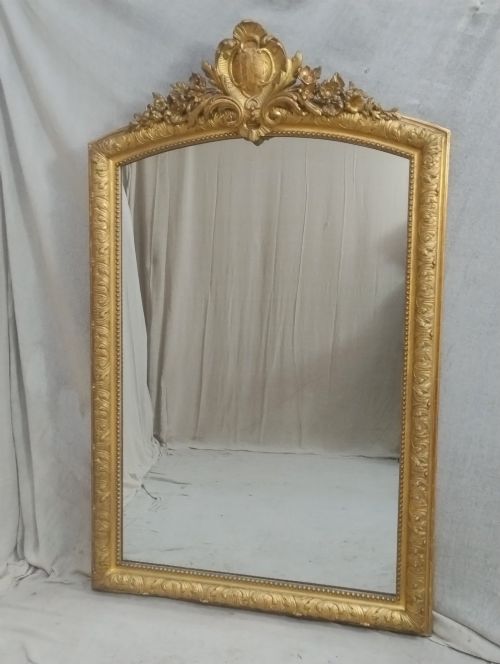
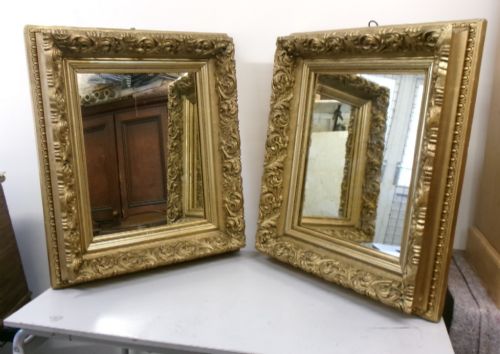
Typical formats include arched tops, rectangular overmantels, and ornate frames featuring carved wooden elements or crests. Such objects fulfil both functional reflective needs and grand decorative requirements in period and contemporary spaces alike.
How they were made
The construction of these frames relies primarily on carved wood, gesso, and composition applied to wooden substrates. Artisans sculpted intricate motifs, ribbons, and foliate designs into the wood or moulded composition details to achieve high relief before applying gold leaf or liquid gilding.
Mirror plates consist of glass, occasionally retaining original mercury backing or exhibiting natural foxing over time. Older examples utilise traditional silvering methods, while frames incorporate gold leaf and gesso layers built up over the base timber.
Large Gilded Wall Mirror Retail Price Guide 2026
Typical asking prices for large gilded wall mirror among the pieces listed under this phrase on Sellingantiques today, from the lower quarter to the upper quarter. They describe what is for sale here now, not the wider market.
Listings feature eighteenth-century French and Georgian pieces alongside nineteenth-century Victorian and Regency examples.
What varies in quality
The standard of a large gilded wall mirror depends heavily on the depth and crispness of the hand-carved wooden ornament versus moulded composition substitutes. Superior examples exhibit finely detailed carving that retains sharp contours beneath layers of gold leaf.
Integrity of the original gilding and the condition of the mirror plate itself dictate the echelon of the piece. Untouched surfaces displaying period mercury glass command greater interest than later replacements or crude over-gilding.
Nosotti
The Large Gilded Wall Mirror Glossary
- Gesso
- A plaster-like mixture applied to wood frames to create a smooth surface for gilding. It is built up in layers and can be deeply carved or moulded once dry.
- Giltwood
- Timber that has been coated with gold leaf or metallic powder. It provides a warm, reflective metallic finish characteristic of high-status frames.
- Overmantel mirror
- A large horizontal mirror specifically designed to hang above a fireplace mantelpiece. These often feature low profiles to sit comfortably against chimney breasts.
- Pier mirror
- A tall, narrow mirror traditionally hung on the pier, the solid wall space between two windows. They frequently paired with console tables placed underneath.
- Foxed glass
- Mirror glass that has developed spots, patches, or a cloudy discoloration due to the degradation of the reflective backing over decades. This ageing process is valued by collectors for its authenticity.
- Trumeau
- A decorative wall mirror incorporating an oil painting or panel within the upper section of the frame. Originating in France, these pieces combine artwork and reflection into a single architectural unit.
Large Gilded Wall Mirror: Frequently Asked Questions
What is the difference between an overmantel and a pier mirror?
Overmantel mirrors are built wide to span the horizontal expanse of a fireplace opening. Pier mirrors are constructed tall and narrow to fit the wall space between windows.
Placement traditionally dictated their form and proportion within a period interior. Overmantels anchor the living room hearth, while pier mirrors draw vertical light into darker architectural spaces.
How should I clean antique giltwood frames?
Dust the carved surfaces gently with a soft, dry brush to remove loose particles without disturbing the delicate gold leaf. Avoid liquid cleaners, chemical solvents, or abrasive cloths entirely, as these strip the historic gilt finish.
Water can soften the underlying gesso and ruin the composition ornaments. Regular, gentle maintenance preserves the metallic surface integrity over decades of ownership.
How can I tell a Regency mirror from a Victorian one?
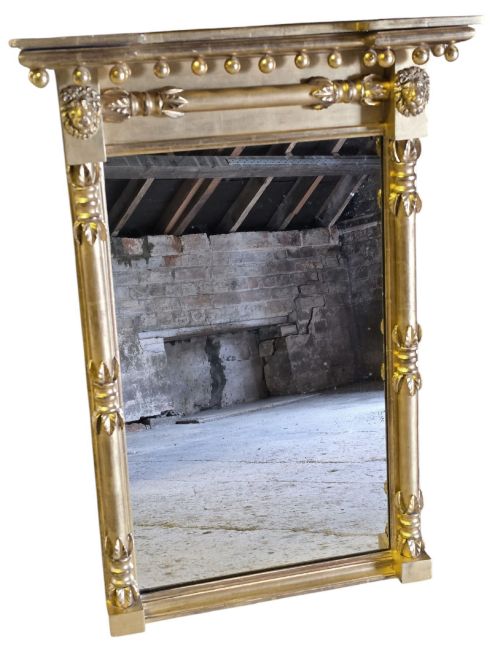
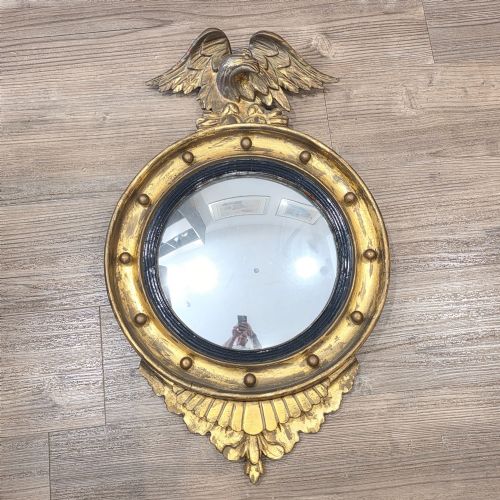
Regency pieces often display neoclassical motifs, classical proportions, and specific framing details like ball-bearing friezes or convex surfaces. Victorian examples frequently embrace heavier, more exuberant revival styles with deeper relief carving and elaborate crests.
Examining the construction joints, timber types, and backing boards provides further chronological clues. Comparative study of period catalogues helps solidify attribution dates.