

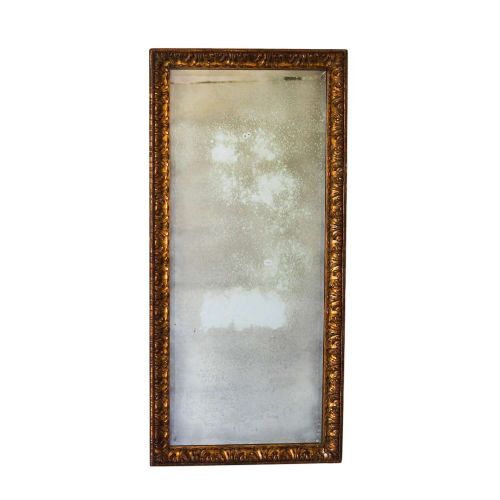
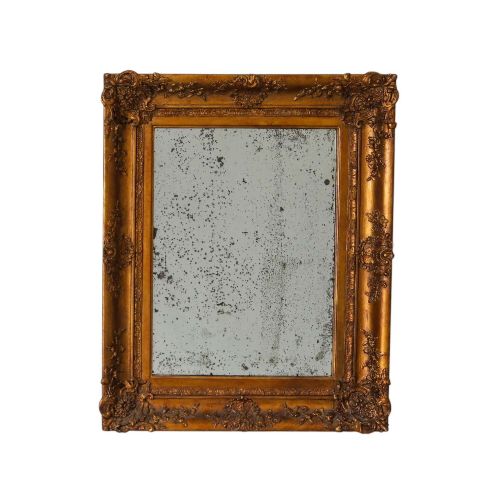
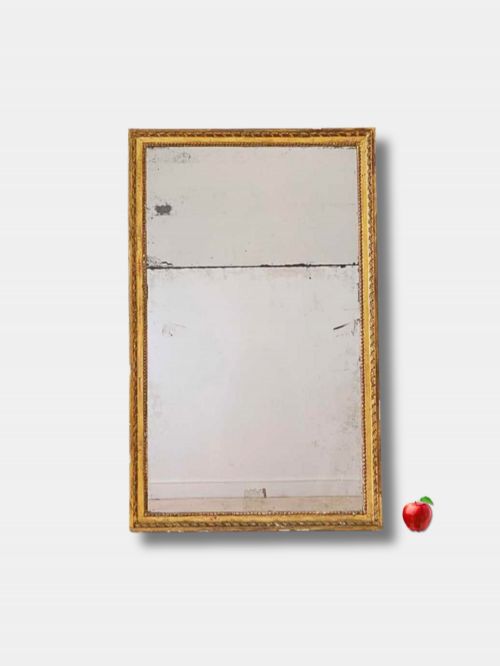
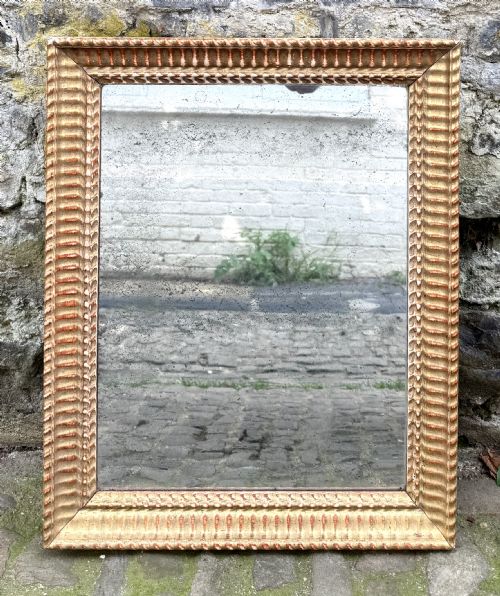


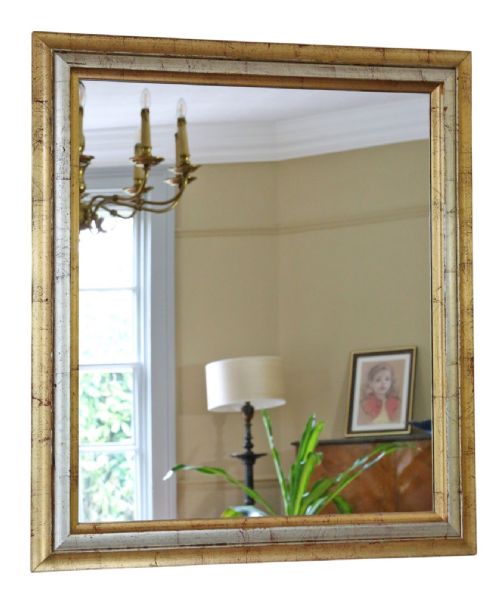


Distressed Gold Mirror
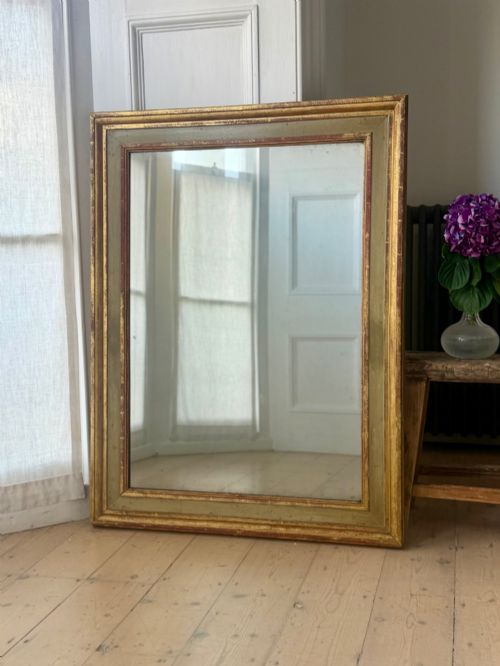
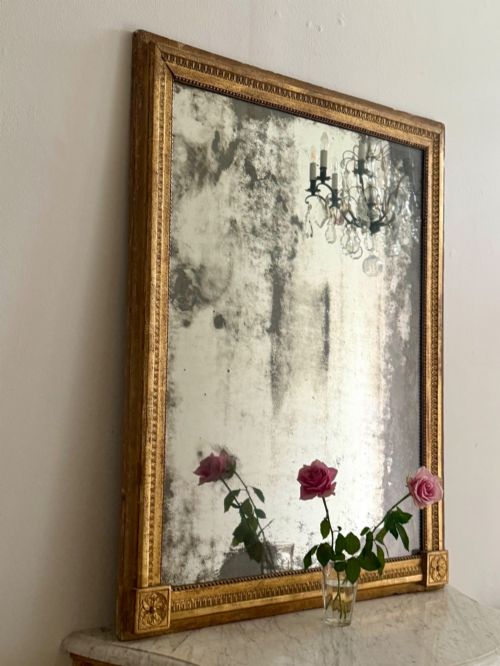
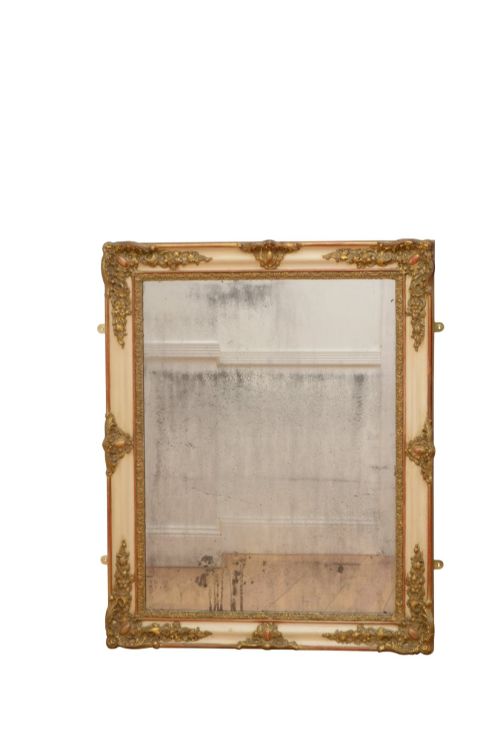
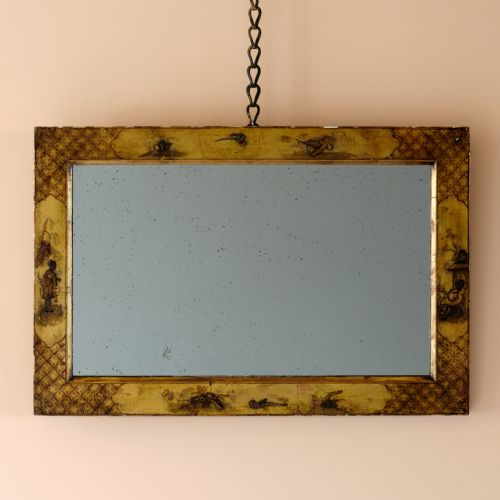
These distressed gold mirror pieces bring aged character to a room, offering authentic 19th-century French and Rococo forms alongside mid-century finds.
Identifying a distressed gold mirror
A distressed gold mirror presents aged metallic surfaces across wall-hanging forms from the nineteenth and twentieth centuries. Buyers seeking a distressed gold mirror encounter items spanning French Rococo Revival and Louis Philippe styles, alongside vintage twentieth-century examples.
The selection ranges from arched tops to large carved wooden frames finished in gilt or painted gold leaf. Pieces originate from English and French workshops, utilising classic European design traditions to create substantial decorative focal points.
Materials and construction
Construction relies on timber foundations shaped into carved wood and gesso frames, which receive applications of gold leaf or gilt paint. Mirror glass sits within these structures, bearing the natural degradation of time.
Makers shaped wooden frames into architectural arches and elaborate Rococo curves before applying the layered surface treatments that subsequently age into a distressed appearance.
Retail Price Guide 2026
Typical UK retail prices for distressed gold mirror, calculated from the Sellingantiques database of over a million retail prices indexed since 2003. This retail price guide relies exclusively on Sellingantiques data; no external sources or auction records are used, so the figures do not describe the wider market.
Mirrors retain the quiet witness of centuries spent watching rooms change.
Distinguishing quality
Quality reveals itself in the depth of the carved wood and gesso ornamentation, where finer examples display crisper detail and more substantial proportions. The integrity of the original gilt and painted surfaces also separates superior items from simpler productions.
Scale influences standing, with larger architectural pieces demanding greater craftsmanship in their wooden frames to support heavy mirror glass. The harmony between the original structure and its natural distressing dictates the overall standing of each piece.
The Distressed Gold Mirror Glossary
- Gesso
- A plaster-like mixture applied to wood frames to create a smooth surface for gilding. It allows craftsmen to carve intricate relief details before applying gold leaf.
- Gilt
- A thin layer of gold applied to the surface of wood or gesso. This finish provides the metallic sheen characteristic of these frames.
- Louis Philippe
- A nineteenth-century French style characterised by understated elegance and often featuring simple arched tops. It marks a transition from heavier ornamentation.
- Rococo Revival
- A nineteenth-century design movement favouring asymmetrical curves, scrollwork, and natural motifs. Mirrors in this style display elaborate, flowing wooden carvings.
- Gilded Wood
- Timber coated with gold leaf or metallic powder. The underlying wood provides structural strength beneath the decorative metallic finish.
Frequently Asked Questions
How do I date a gold mirror?
Dating relies on examining the construction methods of the wood frame, the style of the carving, and the characteristics of the mirror glass. Nineteenth-century examples often feature hand-carved gesso details and distinct framing proportions.
Twentieth-century pieces display different manufacturing techniques and lighter wooden structures. Comparing the stylistic markers against known periods provides a reliable guide to age.
What is a Louis Philippe mirror?
A Louis Philippe mirror is a nineteenth-century French design type recognised by its subtle arched top and restrained framing. These pieces focus on clean architectural lines rather than heavy ornamentation.
They integrate easily into various interior schemes due to their balanced proportions. The style bridges classic formality with more accessible decorative forms.
Where should I hang a large wall mirror?
Large wall mirrors work effectively above mantelpieces, sideboards, or along substantial hallway walls to reflect light and expand spatial perception. Their weight requires secure anchoring into solid wall structures.
Positioning them opposite windows maximises natural illumination within a room. The substantial scale of these frames makes them natural focal points.
What causes the distressing on these mirrors?
Distressing occurs through decades of natural ageing, wear, and environmental exposure acting upon the paint, gesso, and gold leaf. The metallic surfaces oxidize and thin over time.
Original painted and gilt finishes acquire a patina that cannot be easily replicated by modern manufacturing. This gradual degradation gives each frame its individual character.