

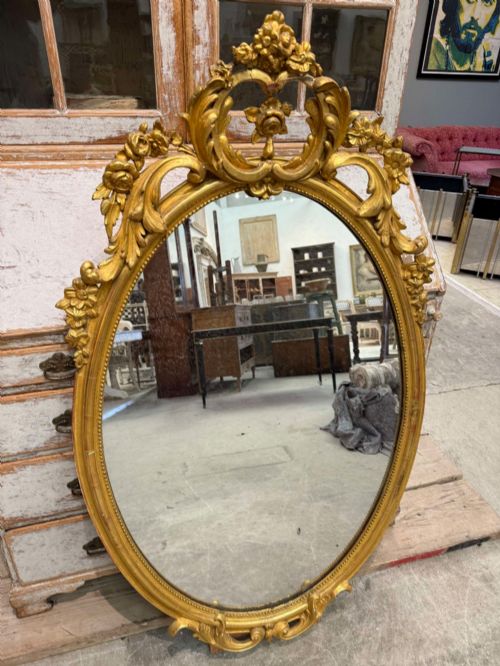
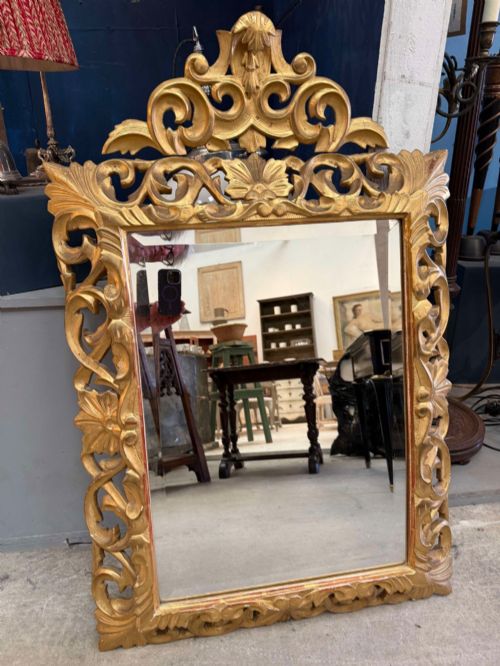
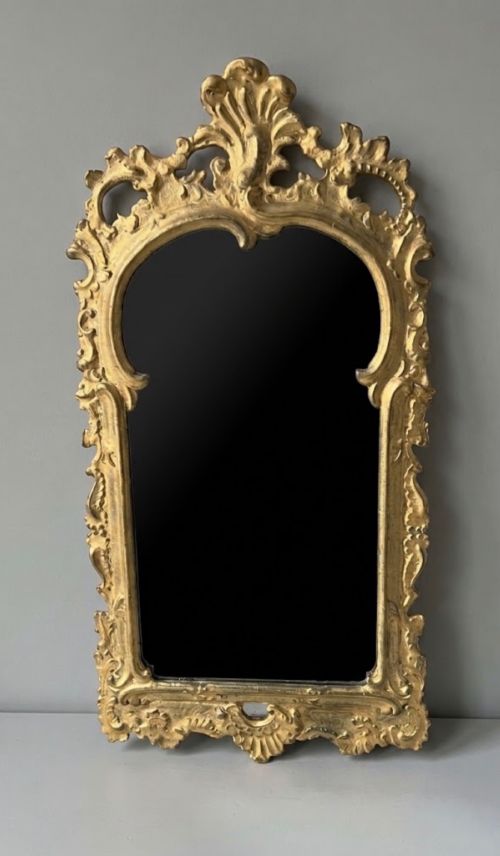
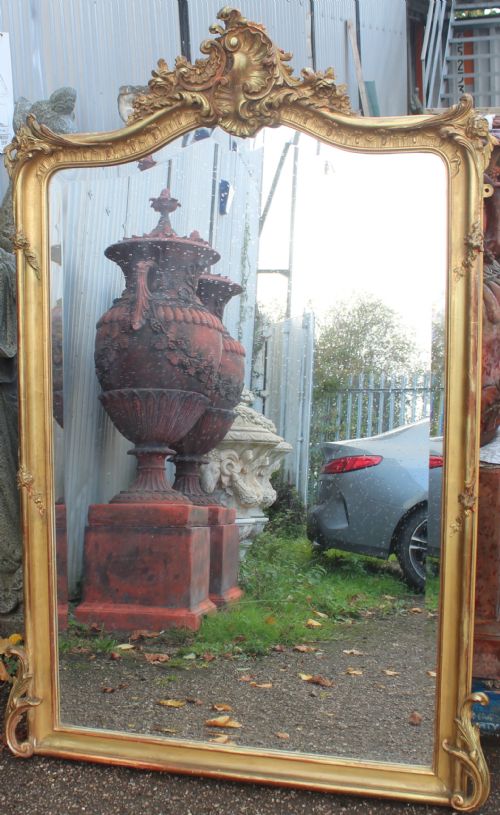

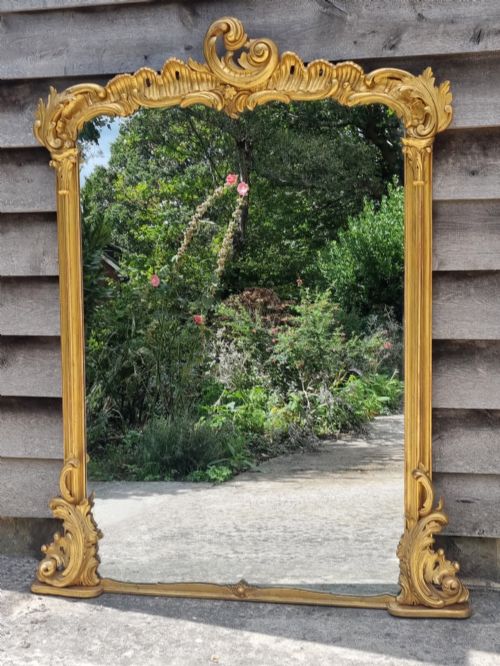
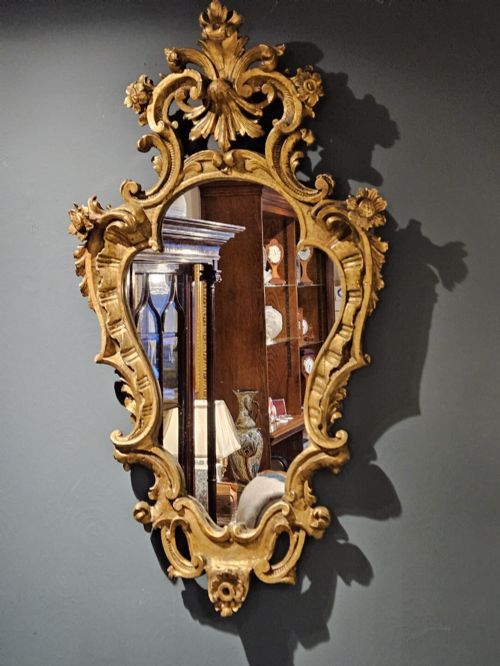
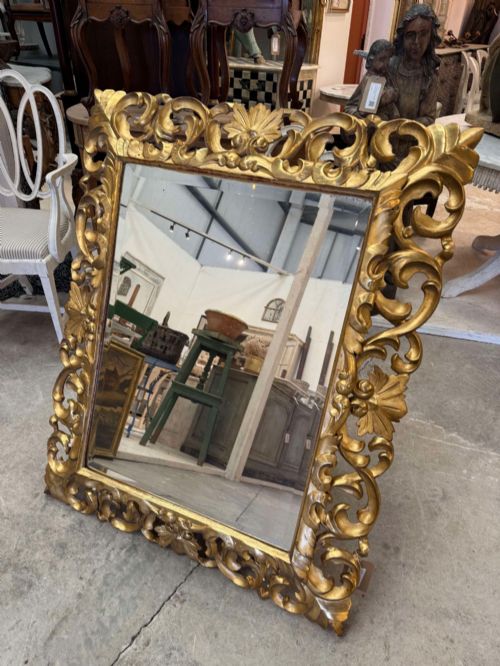
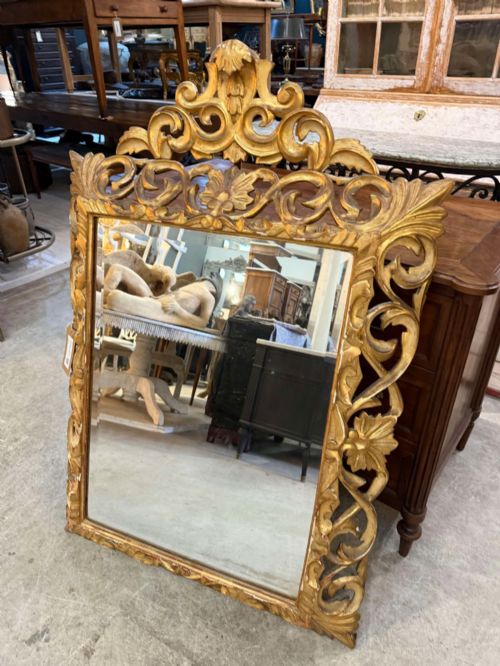
Antique Rococo Mirror
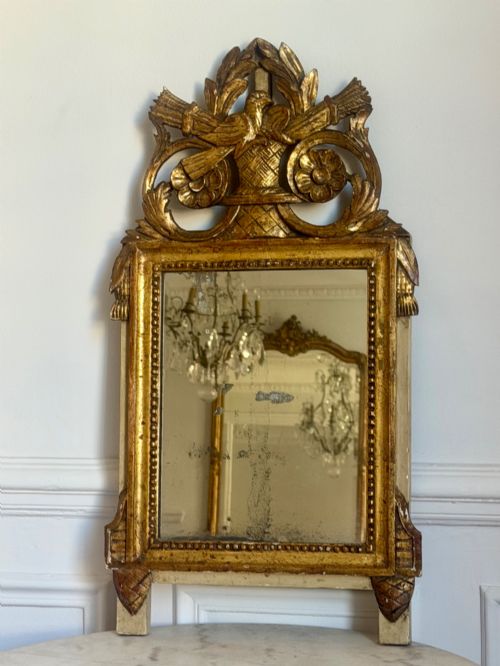
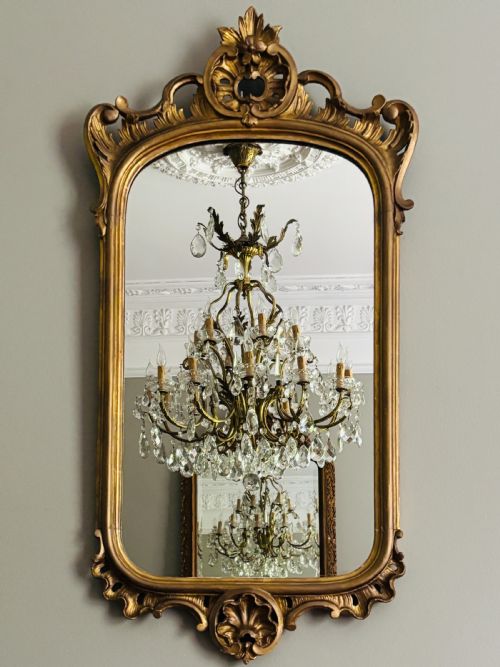
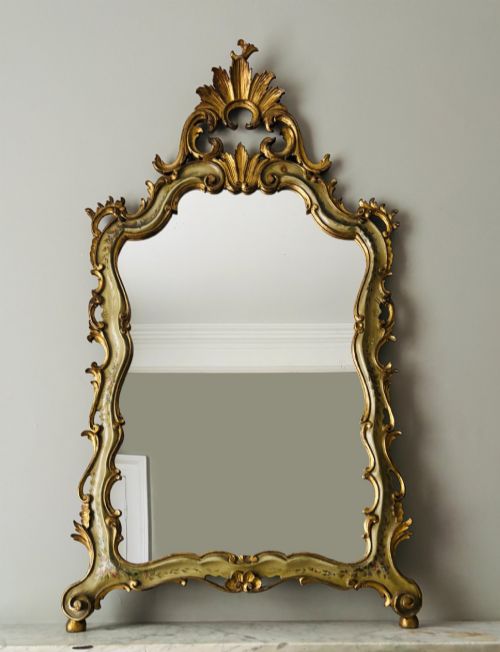
An antique rococo mirror brings flowing asymmetric curves and elaborate gilded ornamentation to a room, drawing the eye with classic 18th-century French and Victorian revival styling.
Antique Rococo Mirror
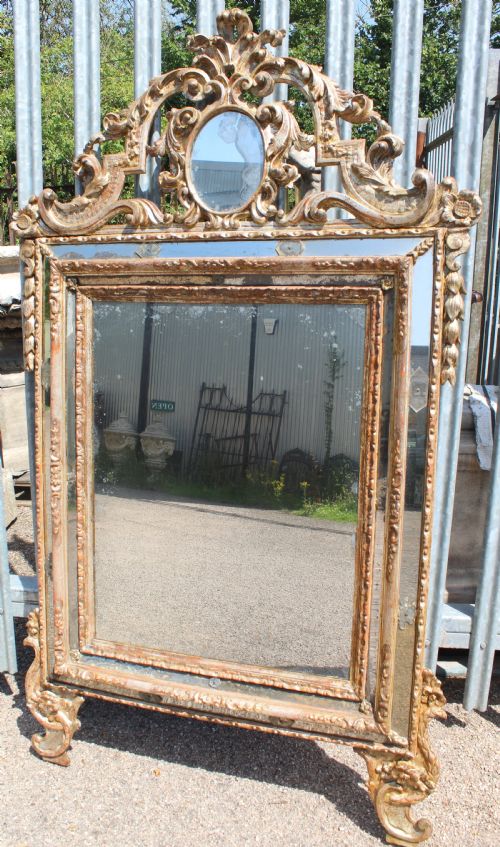
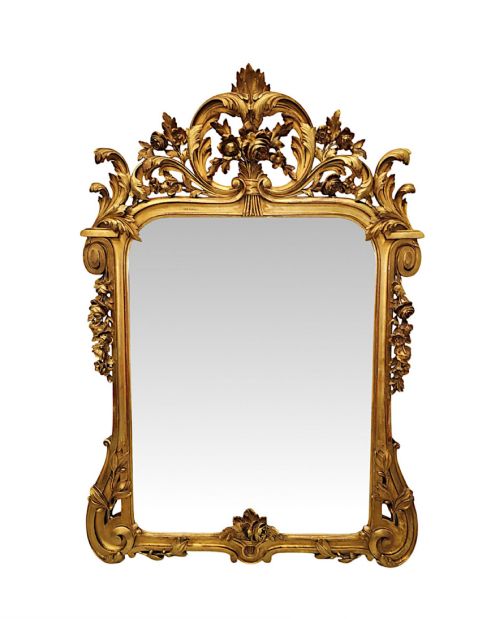
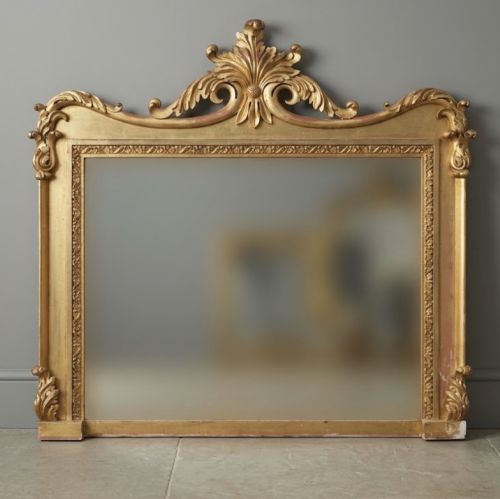
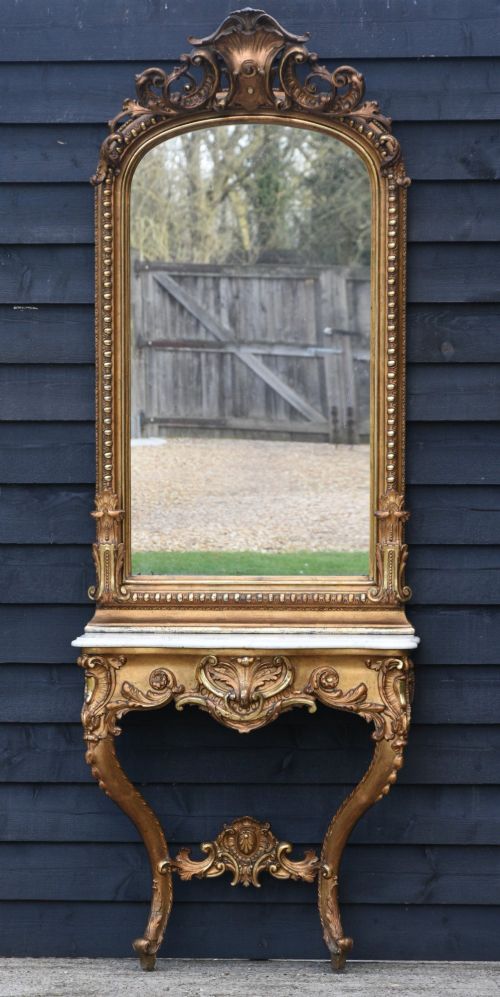
An antique rococo mirror search leads through an extensive selection of wall mirrors, large overmantel frames, and console tables with integrated pier glasses dating predominantly from the nineteenth and eighteenth centuries.
The selection ranges from smaller dressing table mirrors to monumental taller leaner plates designed for grand reception rooms.
Materials and construction
Makers built the foundational framework using carved timber, oak, walnut, or layered gesso over wood, applying gold leaf and silver-gilt finishes to achieve a luminous metallic sheen.
Reflective surfaces include traditional mercury glass with natural foxing alongside bevelled mirror plates set securely within intricate pierced wooden or cast brass mounts.
Antique Rococo Mirror Retail Price Guide 2026
Typical asking prices for rococo mirror among the pieces listed under this phrase on Sellingantiques today, from the lower quarter to the upper quarter. They describe what is for sale here now, not the wider market.
Pieces span eighteenth-century Venetian craftsmanship through to Edwardian and Victorian revivals.
Craftsmanship and detail
The distinction between tiers rests upon the depth and dexterity of the hand-carved ornamentation, where crisp acanthus leaves and fluid scrolls outclass shallow, machine-moulded composition work.
Original mercury glass plates exhibiting authentic age spots command greater appreciation than modern replacements, reflecting the enduring integrity of an untouched period piece.
The Antique Rococo Mirror Glossary
- Giltwood
- Timber coated with a thin layer of gold leaf over a prepared gesso base. This technique creates the brilliant metallic finish seen on formal European frames.
- Gesso
- A plaster mixture applied to wood frames to provide a smooth surface for gilding. Carvers sculpt intricate decorative details directly into this hardened compound.
- Overmantel mirror
- A wide looking glass designed specifically to hang above a fireplace mantel. These expansive pieces often feature heavy crested frames and landscape proportions.
- Mercury glass
- A double-walled glass blown with a silvering mixture inside. Older examples display characteristic dark oxidation spots known as foxing.
- Pier glass
- A tall mirror intended to hang on the narrow wall space between windows. They frequently pair directly with console tables placed underneath.
Antique Rococo Mirror: Frequently Asked Questions
How do I hang a heavy antique mirror safely?
Heavy gilded frames require professional wall fixings secured directly into structural masonry or timber studs. Using a sturdy french cleat distribution system ensures the substantial weight of large timber and gesso frames remains balanced.
Overmantel mirrors positioned above fireplaces need particularly secure anchoring due to their scale. Consulting a specialist installer prevents strain on the original wooden joints and antique fixings.
What is mercury glass in an old mirror?
Mercury glass refers to double-walled glass manufactured during the nineteenth century using a silvering solution poured into the cavity. Despite the name, traditional recipes actually utilised silver nitrate rather than liquid mercury.
Over decades, atmospheric exposure causes the backing to degrade into dark patches called foxing. Collectors prize this natural oxidation as a definitive sign of genuine age.
How do I clean an antique gilt frame?
Dust delicate carved giltwood surfaces gently using a very soft, dry artist brush or ostrich feather duster. Avoid applying pressure to raised gesso or gold leaf areas.
Liquid cleaners, moisture, and chemical sprays damage fragile historical finishes permanently. Keeping the mirror away from direct sunlight and damp environments preserves the original gilding.
How do I distinguish 18th century from revival pieces?
Eighteenth-century originals display hand-forged joinery, subtle tool marks, and hand-carved wooden frames showing organic asymmetry. The underlying construction timbers often match regional European species typical of the period.
Nineteenth-century revival pieces from the Victorian era frequently utilise standardised machine-cut components and heavier composition mouldings. Examining the backboards and framing fixings reveals the manufacturing techniques of later periods.