

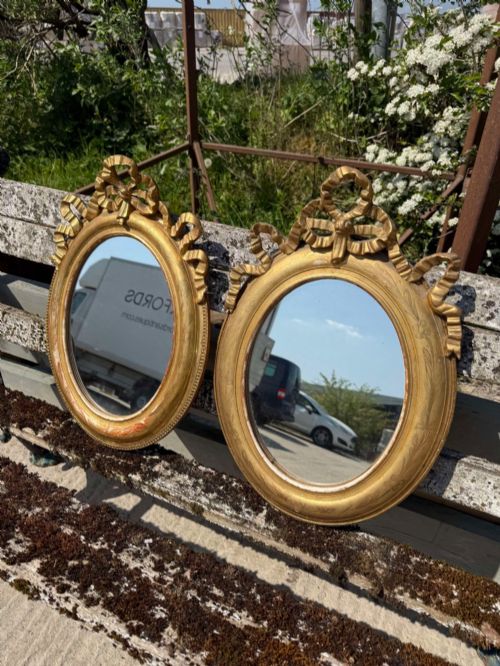
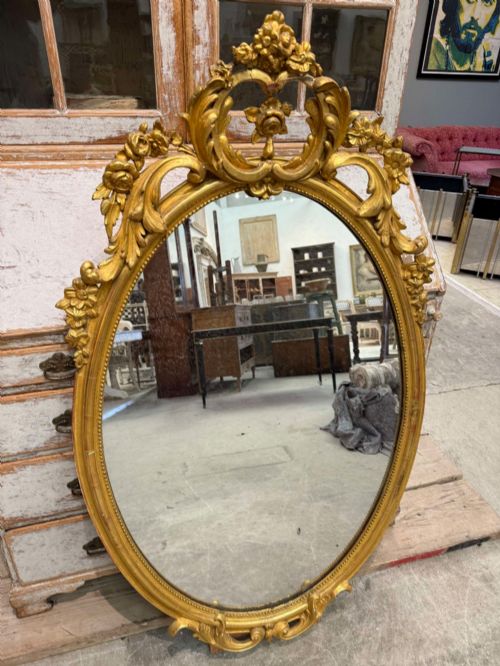
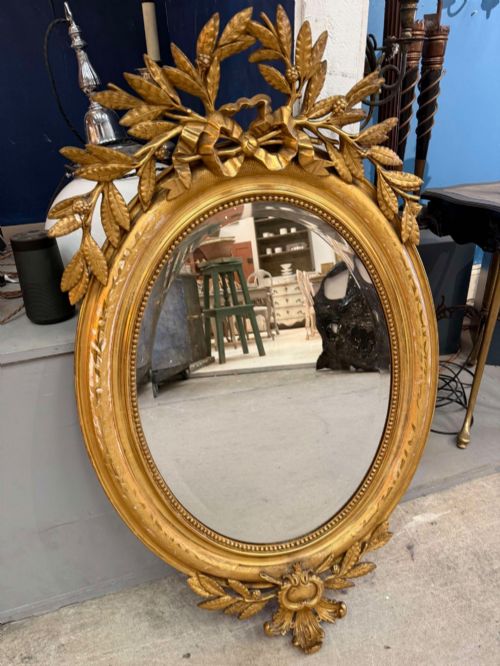
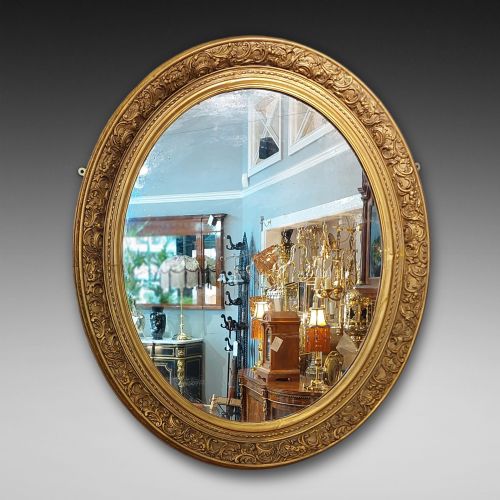
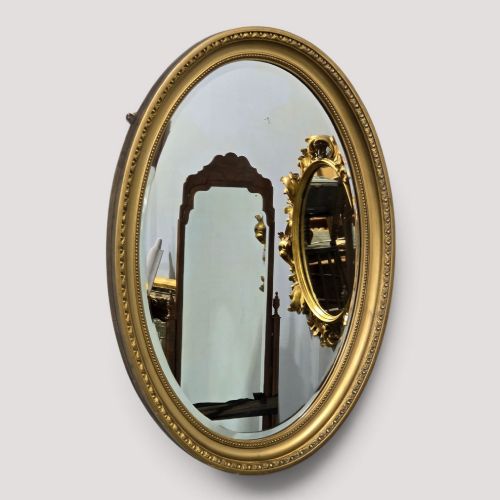
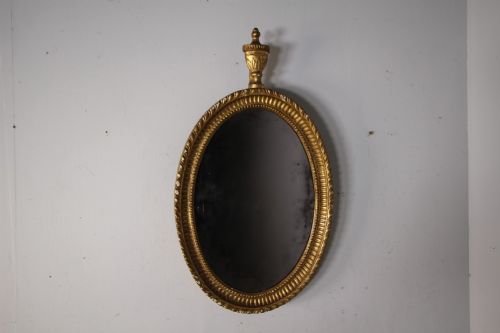
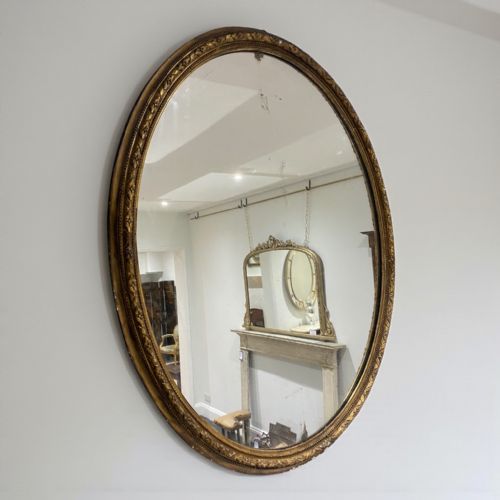
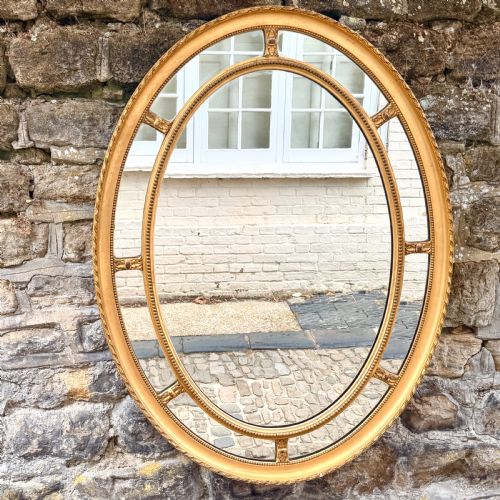
Gilded Oval Mirror
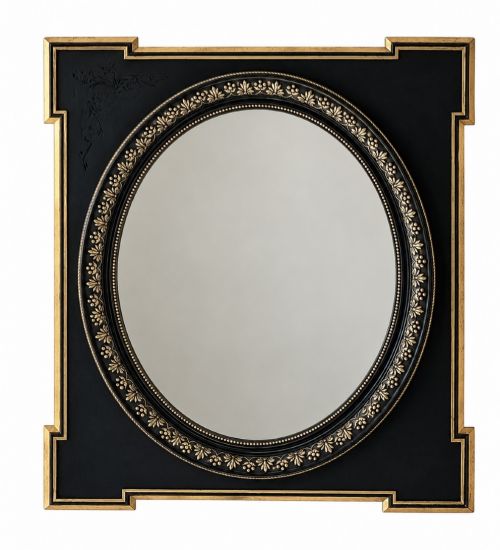
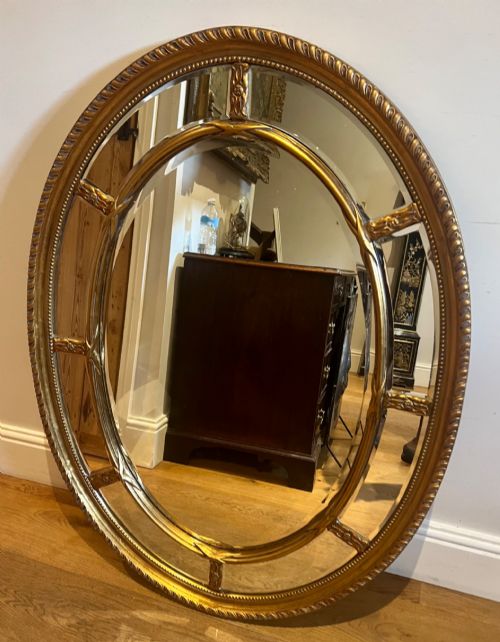
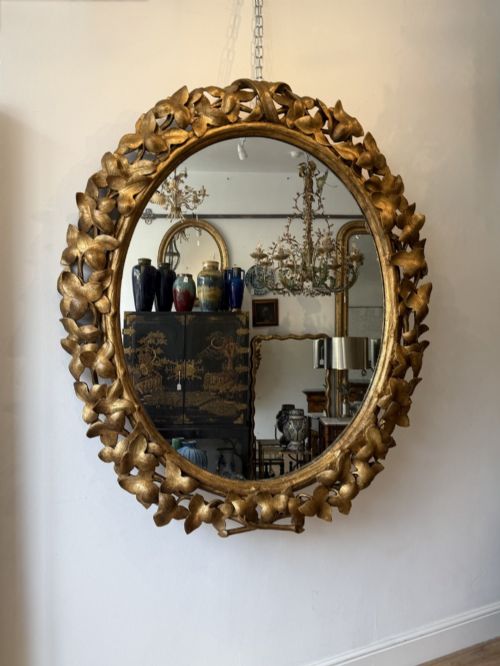
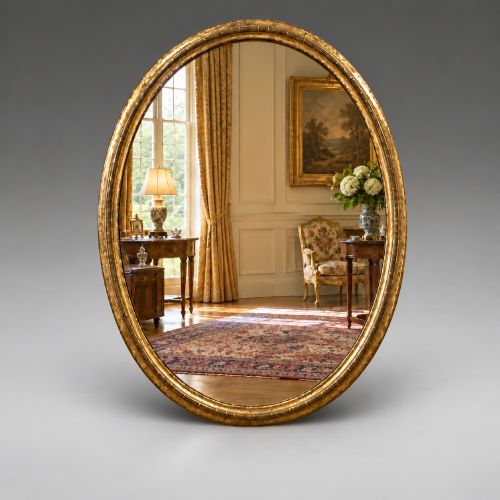
A gilded oval mirror brings depth and reflective warmth to an interior, catching light across carved wooden and gesso frames from centuries past.
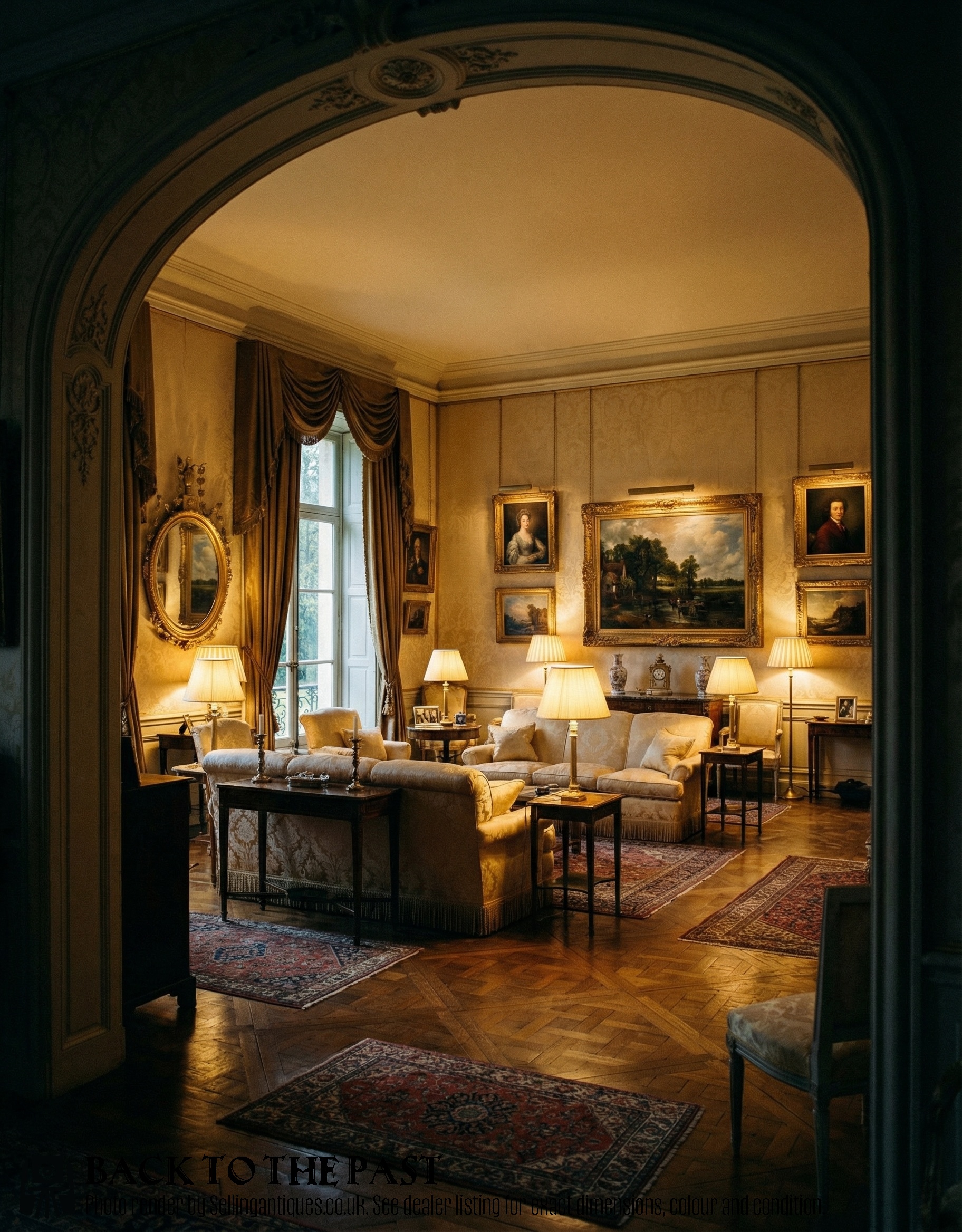
Gilded Oval Mirror
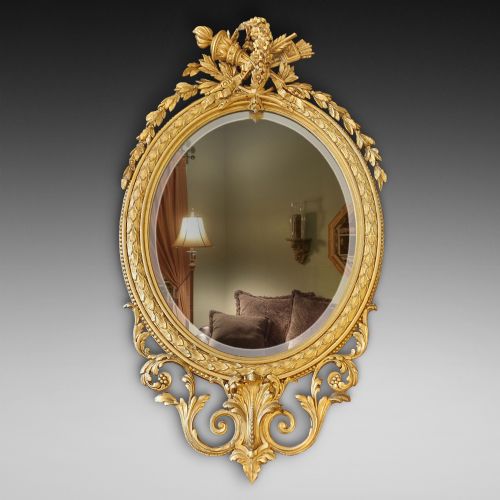
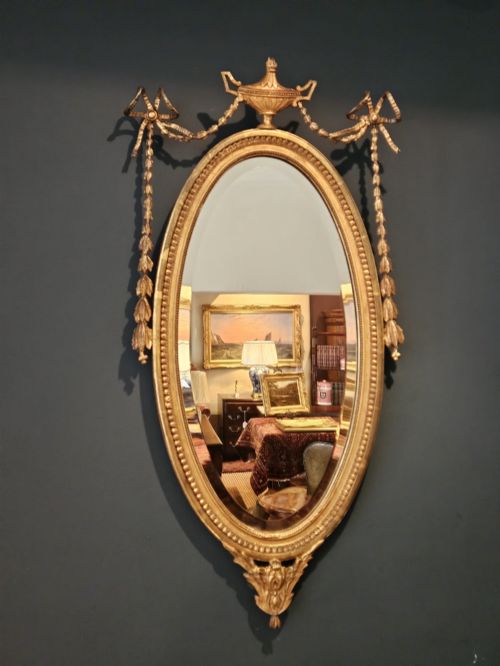
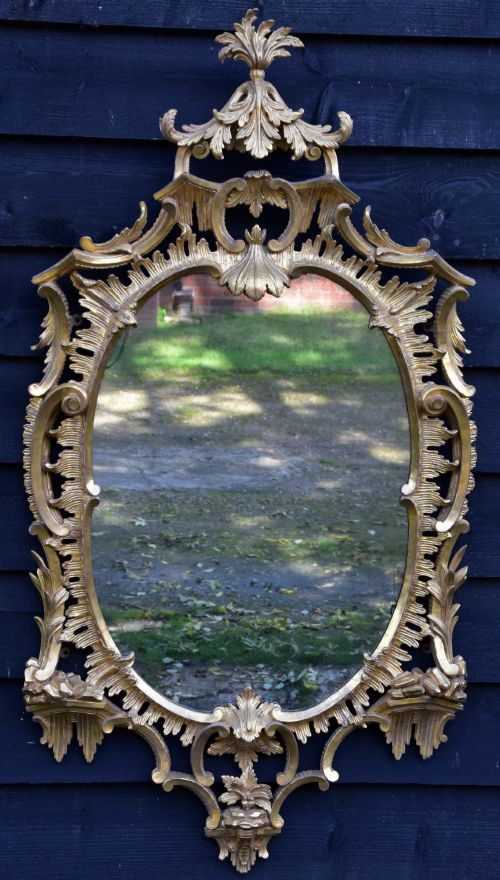
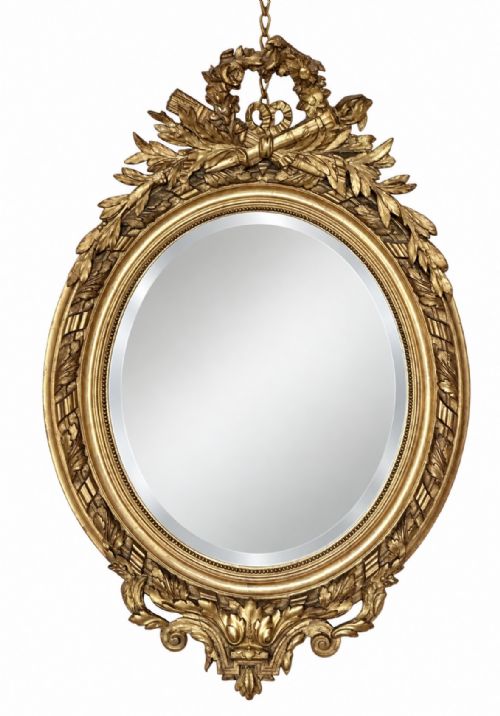
A gilded oval mirror serves as a classic focal point in domestic spaces, historically hung above mantelpieces, dressing tables, and console piers. The selection spans grand overmantel pieces and girandoles to smaller toilet and table mirrors.
Nineteenth-century Victorian interpretations and Georgian examples dominate the available selection, often presenting ornate moulded decoration, rope twists, and classical urn motifs.
French regional styles, notably Louis-inspired revivals and French Chateau designs, appear regularly alongside English cabinetmaker output from the eighteenth and nineteenth centuries.
Materials and Construction
Carved timber forms the structural base for many frames, utilising hardwoods and softwoods shaped by hand before receiving decorative layers.
Gesso, a mixture of plaster and glue, is applied over the wood to create smooth surfaces or relief ornament that can be carved and burnished.
Water gilding or oil gilding applies thin sheets of gold leaf or composition metal over the prepared ground, creating a reflective metallic finish.
Gilded Oval Mirror Retail Price Guide 2026
Typical asking prices for gilded oval mirror among the pieces listed under this phrase on Sellingantiques today, from the lower quarter to the upper quarter. They describe what is for sale here now, not the wider market.
Listings span multiple centuries, ranging from eighteenth-century Georgian and Regency pieces through to Victorian and Edwardian examples.
Assessing Craftsmanship
The crispness of hand-carved detail in the gesso and woodwork separates finely modelled pieces from simpler moulded production.
The depth and application of the original gilding, whether water-gilded gold leaf or applied metal, dictate the richness of the surface patination.
The retention of original mirror glass, mercury backing, and structural wooden backboards contributes significantly to the historical integrity of the object.
The Gilded Oval Mirror Glossary
- Gesso
- A plaster-based mixture applied to wooden frames as a smooth base for subsequent gilding or painting. It allows intricate decorative motifs to be moulded directly onto the substrate.
- Girandole
- A decorative wall mirror featuring attached candle holders or sconces that project forward from the frame. The polished metal or gilt surface amplifies the flickering candlelight.
- Water Gilding
- A traditional technique using liquid size to adhere thin sheets of gold leaf to a prepared gesso ground. This method permits the gold to be highly polished using an agate stone.
- Composition
- A moulded paste of whiting, resin, glue, and oil pressed into ornamental shapes while warm. It provided a faster alternative to hand-carving repeating floral or classical swags.
Gilded Oval Mirror: Frequently Asked Questions
Where should I hang an oval mirror?
These mirrors work effectively above mantelpieces, in hallways as pier mirrors, or positioned above bedroom dressing tables. Their curved shape softens the rigid vertical and horizontal lines typical of standard room architecture.
Ensure the wall fixings match the weight of the timber and gesso frame, particularly for larger nineteenth-century examples that carry substantial mirror glass.
How do I clean an antique gilt frame?
Dust the carved surfaces gently with a soft, dry brush to prevent accumulation in the recesses of the gesso work. Avoid commercial chemical cleaners and excessive moisture.
Water and harsh solvents can lift delicate gold leaf or soften the underlying gesso layers, permanently damaging the historic finish.
Are these mirrors heavy?
Many period pieces possess dense wooden foundations combined with heavy plaster gesso and thick glass plates. Larger overmantel and pier formats require secure structural wall anchoring.
Smaller dressing table and table mirrors remain freestanding or attach to pivot stands designed for tabletop placement.
How can I tell the period?
Frame profiles, carving styles, and construction techniques offer clear chronological indicators. Georgian examples often display restrained neoclassical symmetry, whereas Victorian pieces favour elaborate rope twists, vine leaves, and heavy crestings.
Backboards, fixings, and the manufacturing characteristics of the mirror glass itself provide further confirmation of age.