

French Style Oval Mirror
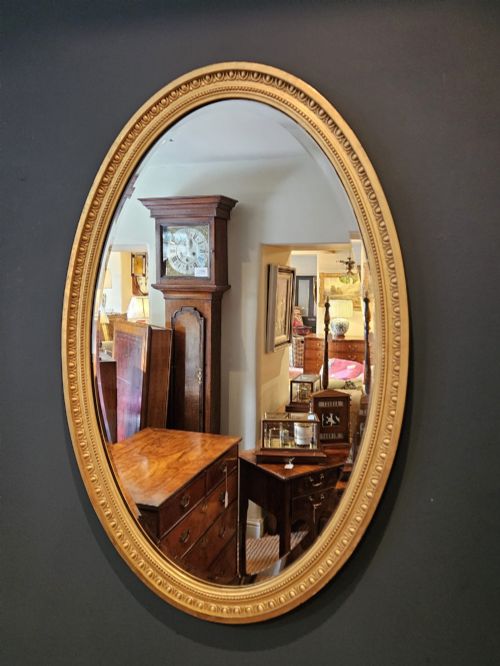
A French style oval mirror brings elegance to a room through its curved frame and gilded finish.
French Style Oval Mirror
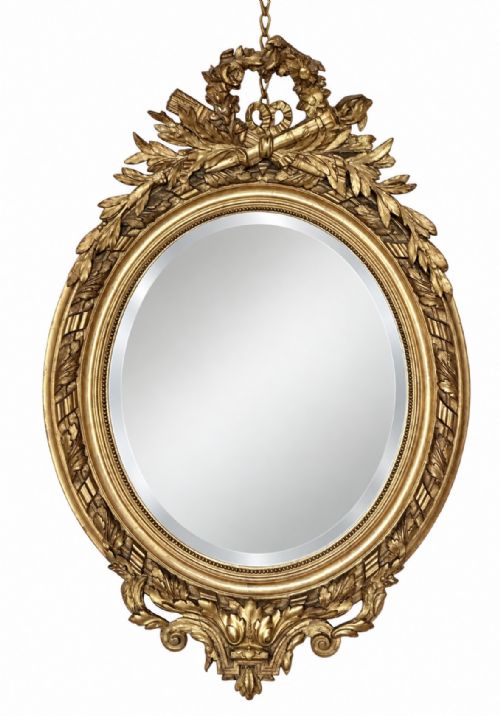
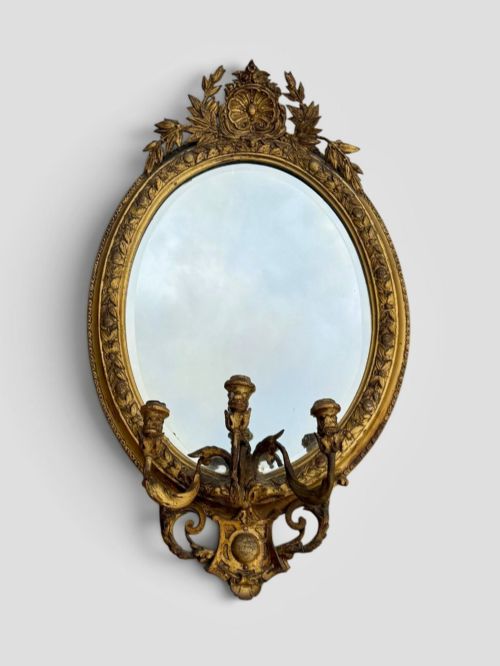
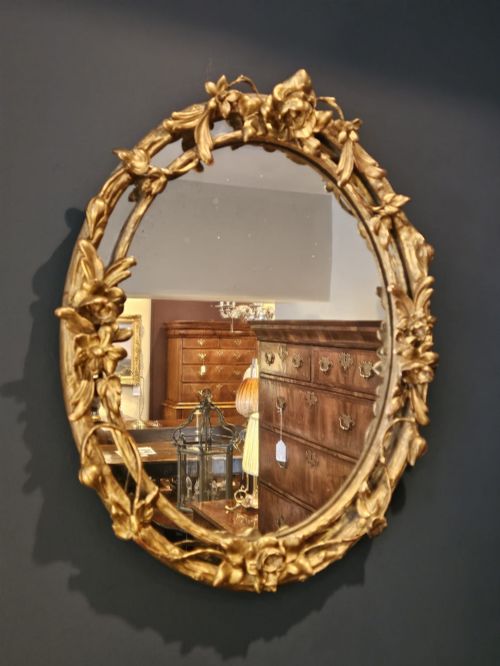
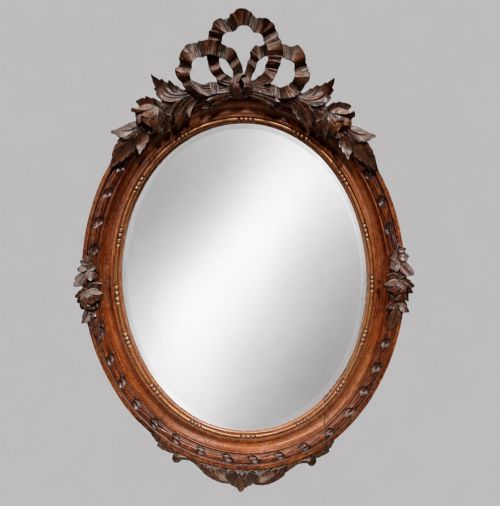
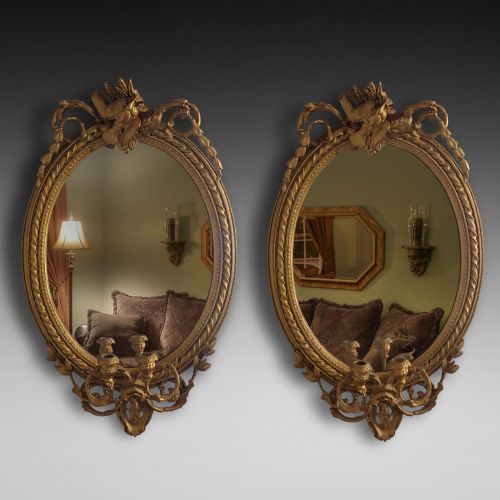
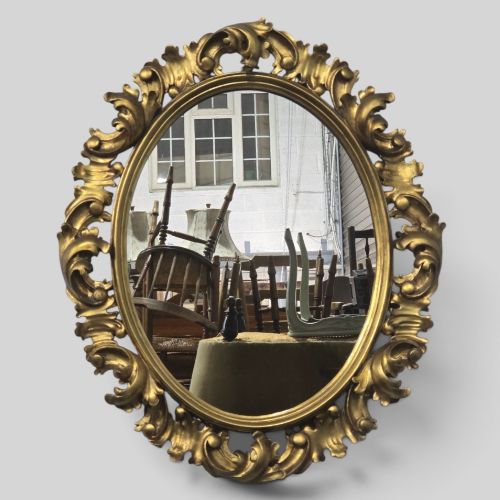
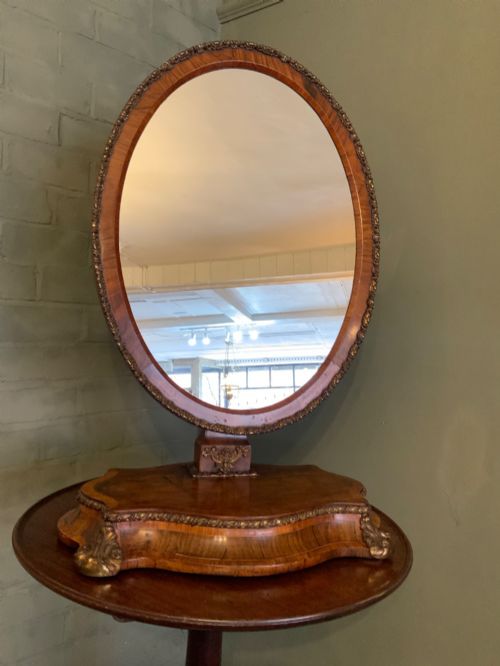
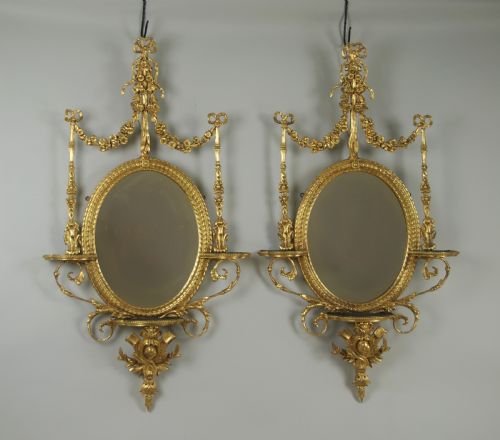
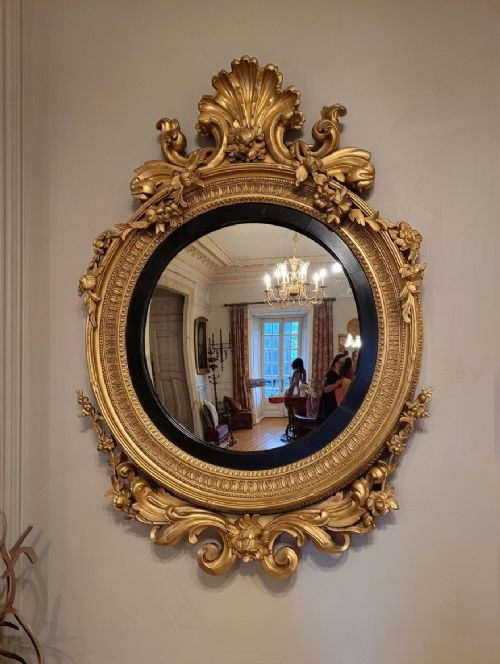
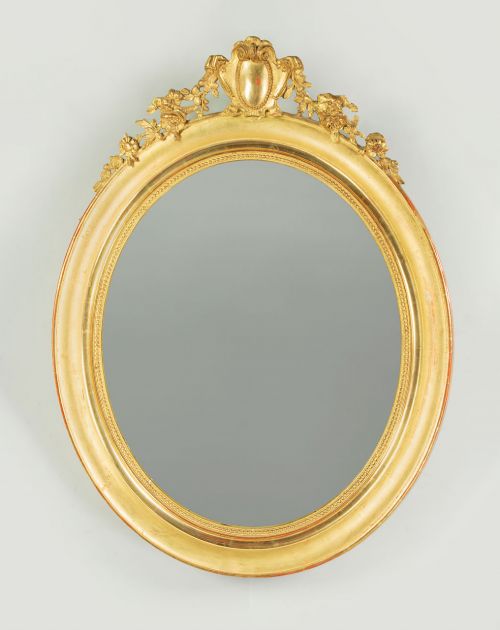
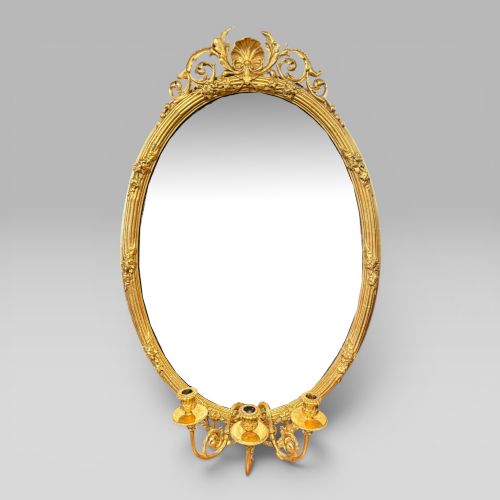
A french style oval mirror is typically encountered as a wall mirror or girandole dating from the nineteenth century, finished with decorative gilding. These pieces reflect historical revivals such as Rococo and Louis XVI, capturing ornate continental tastes through curved frames and elaborate crests.
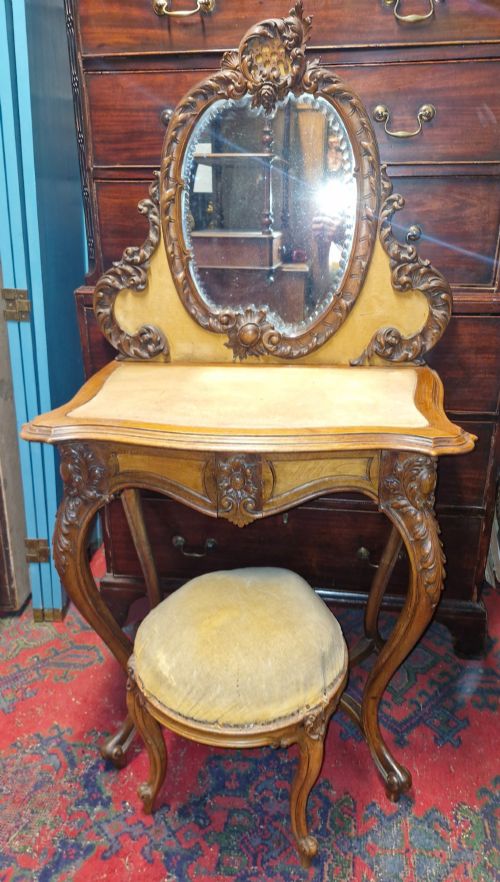
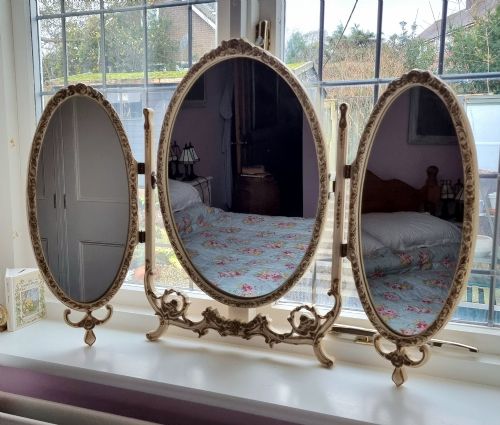
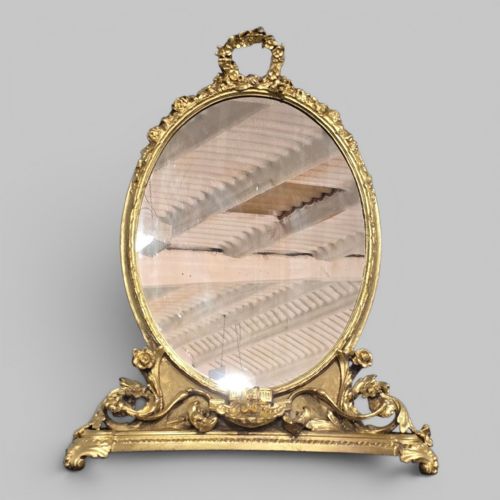
The selection ranges from large overmantle pieces to smaller dressing table mirrors and paired wall hangings. Walnut, timber, and brass also appear alongside the more common gilded wooden frames.
Materials and Construction
Frames are constructed from wood, carved directly or built up with gesso and composition mouldings to achieve intricate relief work. Artisans applied gold leaf or paint over these prepared surfaces to create a luminous finish.
Mirror glass is set within these frames, sometimes featuring bevelled edges, and held by traditional backboards. Metal elements like ormolu and brass are utilised in specific mountings and toilet mirrors.
French Style Oval Mirror Retail Price Guide 2026
Typical asking prices for french style oval mirror among the pieces listed under this phrase on Sellingantiques today, from the lower quarter to the upper quarter. They describe what is for sale here now, not the wider market.
Object forms on this page include girandoles, dressing table mirrors, and large wall mirrors reflecting Rococo and Neoclassical revival styles.
Quality Variations
Quality is determined by the depth and crispness of the carving in the wood and gesso rather than a simple assessment of surface wear. Hand-carved giltwood shows a sharpness in floral and vine motifs that moulded composition cannot fully replicate.
The weight and stability of the frame construction, along with the clarity and original state of the mirror glass, separate standard production pieces from finer examples.
The French Style Oval Mirror Glossary
- Giltwood
- Wood that has been coated with gold leaf. This finish provides a bright, reflective surface that defines many antique frames.
- Gesso
- A plaster-like mixture applied to wood frames to create a smooth surface for carving and gilding. It allows for intricate decorative relief work.
- Girandole
- A wall mirror featuring attached candle sconces. These fixtures combine illumination with reflection.
- Ormolu
- Gilded bronze used for decorative mounts and hardware. It adds metallic detail to wooden frames and dressing mirrors.
- Rococo
- An ornate design style marked by asymmetry and curved scrollwork. This aesthetic heavily influences nineteenth-century revival mirrors.
French Style Oval Mirror: Frequently Asked Questions
How do I hang a heavy antique oval mirror?
Heavy frames require secure wall fixings suited to the weight of wood and gesso construction. Professional installation ensures the piece hangs safely from appropriate structural points.
Weight distribution matters greatly with large wall mirrors, so use brackets that engage directly with wall studs or solid masonry.
What periods do these mirrors come from?
The listings span the nineteenth century and early twentieth century, incorporating Victorian and Edwardian examples. Revival styles draw inspiration from earlier periods like Louis XV and Louis XVI.
Dates are established through construction methods, frame materials, and stylistic markers recorded in the titles and historical archives.
Are girandoles different from standard wall mirrors?
Girandoles include integrated candle sconces attached to the frame. These added arms provided functional lighting in dimly lit rooms.
Standard wall mirrors lack these candle holders and focus entirely on the reflective glass and decorative frame.
How should I clean a gilded frame?
Dust gilded surfaces gently with a soft, dry brush to avoid damaging the delicate gold leaf. Moisture can lift gesso and composition work.
Chemical cleaners must be kept away from antique frames and mirror glass edges to preserve the original finishes.