


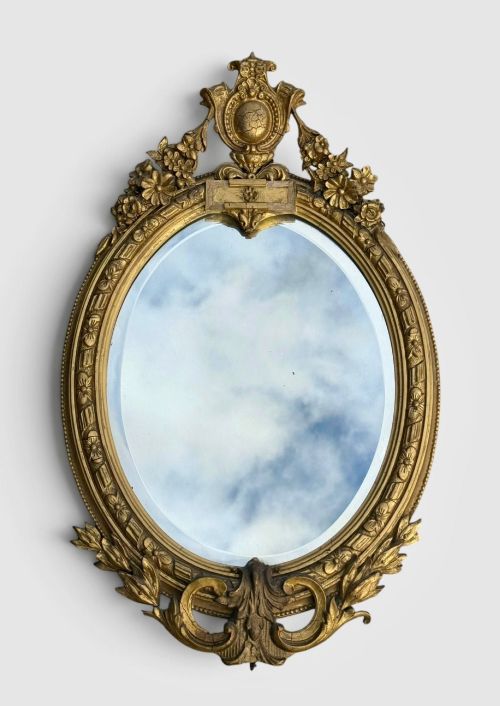
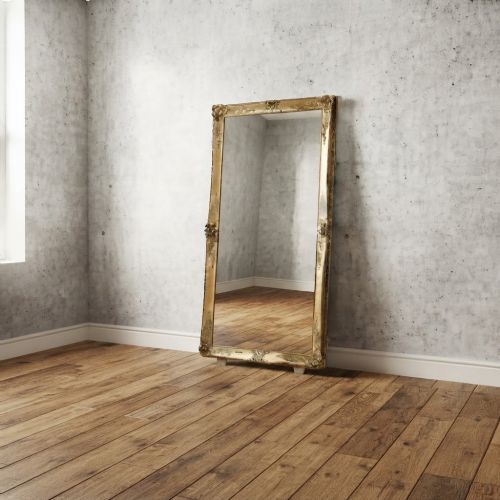
Vintage Gilded Wall Mirror
These vintage gilded wall mirror pieces catch the light and expand a room, bringing period character and reflective depth to an interior.
What a vintage gilded wall mirror is
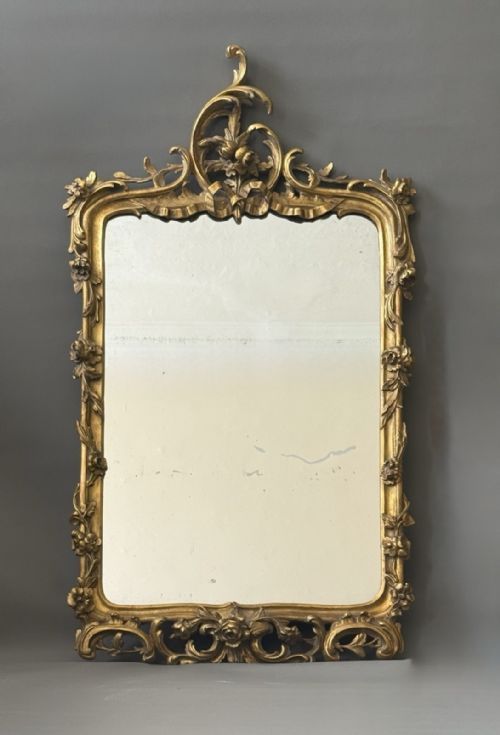
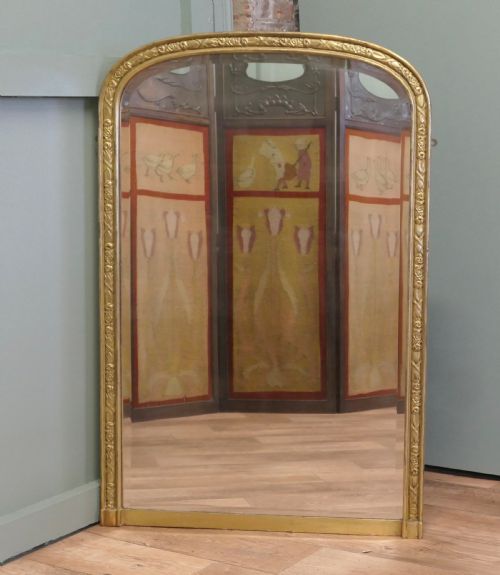
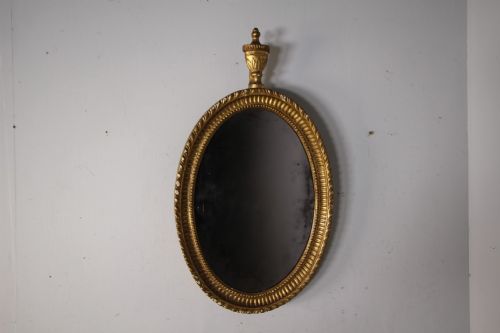
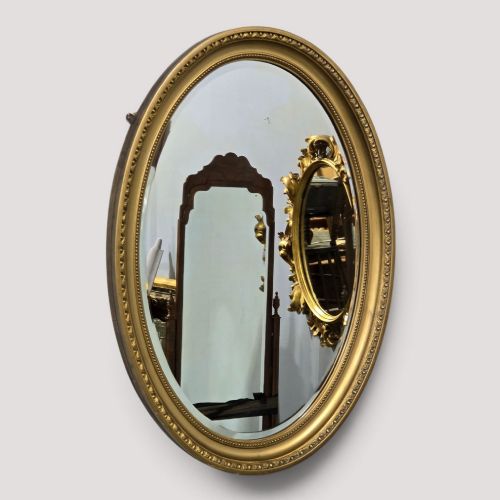
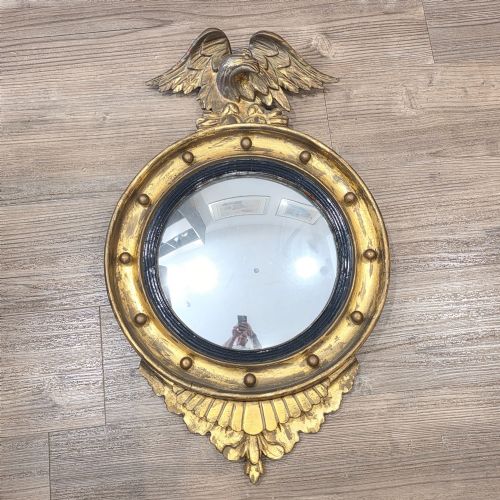
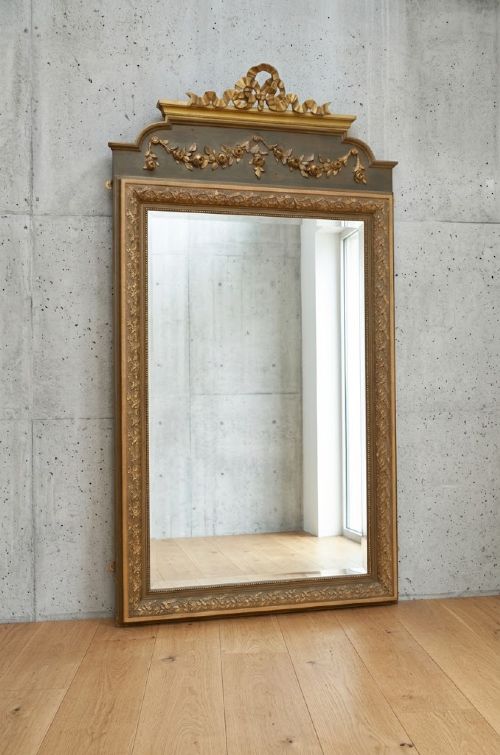
A vintage gilded wall mirror is a decorative looking glass designed for hanging, framed in wood treated with metallic leaf or paint. These objects span several historic eras, appearing in forms from simple ovals to grand architectural frames.
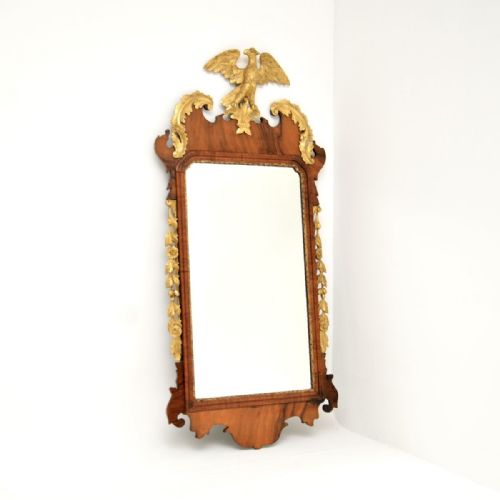
Buyers seeking a vintage gilded wall mirror will most frequently encounter nineteenth-century examples and Victorian pieces on this page. Other items reach back into the eighteenth century or draw on Regency and Baroque revivals.
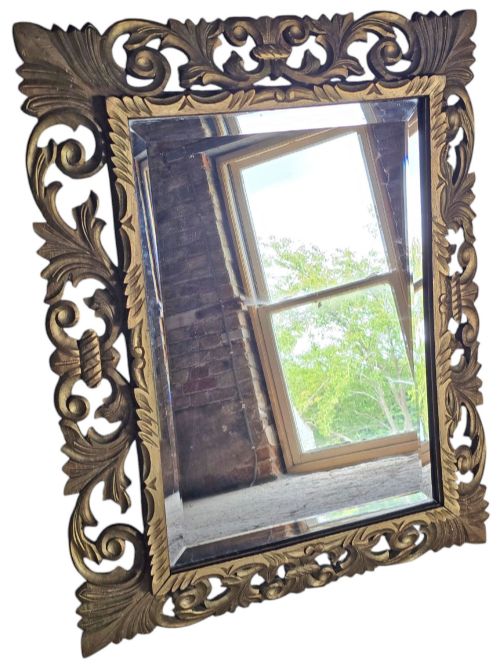
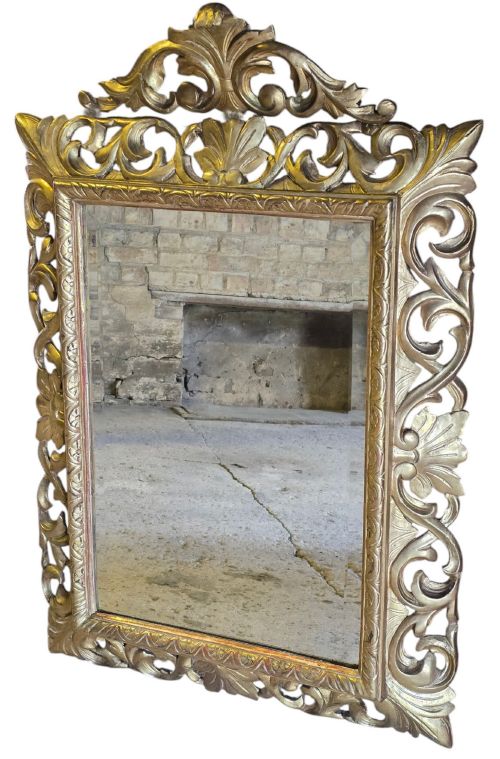
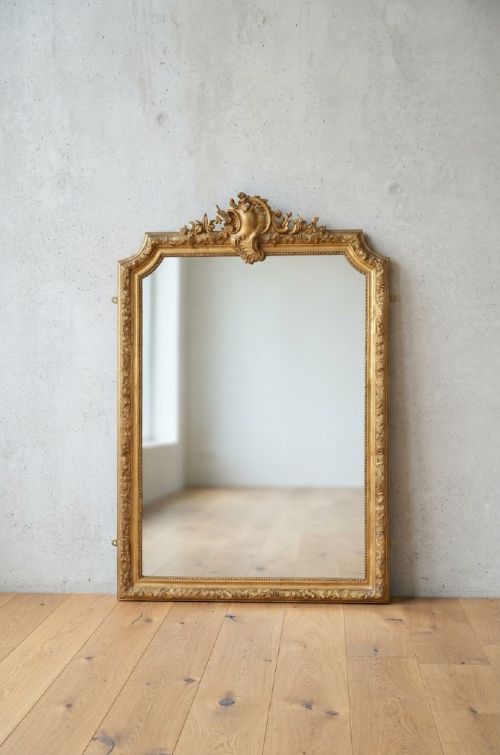
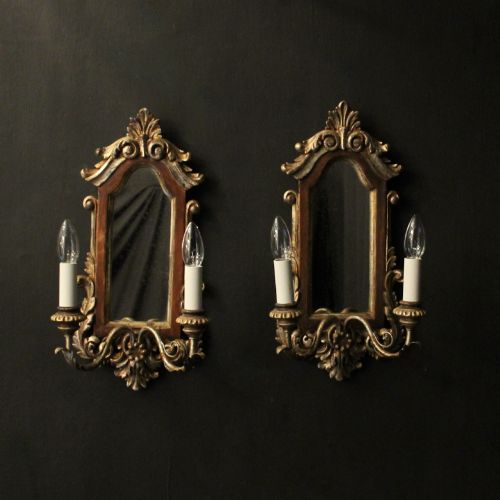
The selection ranges from large French wall hangings to carved Florentine designs and English period frames. Each object brings distinct proportions and ornamentation suited to period interiors.
How they were made
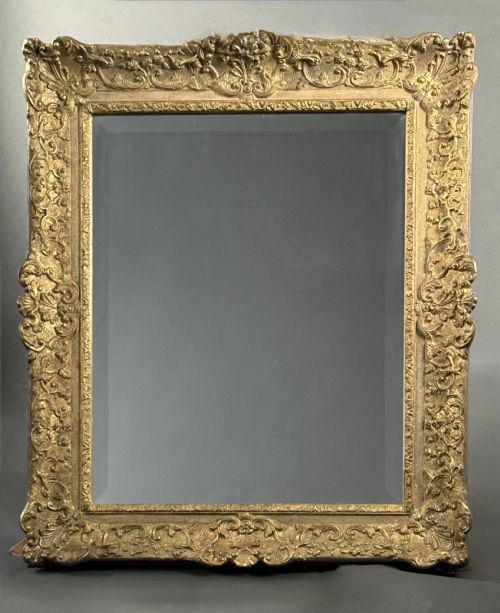
Frames are constructed from wood, often utilising gesso as a smooth preparation layer before the application of gold leaf or other gilding materials. Carved wooden elements define styles such as the Florentine and Baroque revivals.
Glass plates provide the reflection, fitted securely into carved or moulded giltwood surrounds. The physical construction combines traditional woodworking techniques with surface finishing designed to catch and reflect light.
Retail Price Guide 2026
Typical UK retail prices for vintage gilded wall mirror, calculated from the Sellingantiques database of over a million retail prices indexed since 2003. This retail price guide relies exclusively on Sellingantiques data; no external sources or auction records are used, so the figures do not describe the wider market.
Listings feature periods from the eighteenth century through to the early twentieth century, utilising glass, giltwood, gesso, and gold leaf.
What varies in quality
Quality in these mirrors rests on the crispness of the carved detail and the depth of the gilding. Hand-carved wooden frames display greater definition and refinement than moulded alternatives.
The integrity of the frame construction and the preservation of the original gold leaf or gilt surface distinguish higher grade examples. Age and honest handling leave subtle traces that separate master craftsmanship from later reproductions.
The Vintage Gilded Wall Mirror Glossary
- Giltwood
- Wood that has been coated with gold leaf or a gold-coloured finish. This material forms the primary visual frame for the mirrors.
- Gesso
- A plaster-like mixture applied to wood frames to create a smooth surface for gilding. It allows carvers to achieve sharp detail before applying the gold leaf.
- Neoclassical
- A style drawing on classical antiquity, visible in the restrained proportions and symmetrical ornamentation of certain frames. It reflects eighteenth and nineteenth-century design revivals.
- Baroque
- An ornate artistic style characterised by dramatic curves and rich surface decoration. Revival pieces borrow these lavish motifs for heightened visual impact.
Frequently Asked Questions
How do I hang a heavy gilt mirror?
Heavy gilt mirrors require secure fixings anchored directly into wall studs or masonry using appropriate weight-rated brackets. Professional installation is recommended to support the substantial weight of wood and glass.
Ensure the hanging wire or integrated D-rings are robust and matched to the load capacity of the chosen wall hardware.
Are these mirrors original period pieces?
The listings span genuine eighteenth-century, nineteenth-century, and Victorian periods alongside later revival styles from around nineteen hundred. Each title and description indicates the specific era of origin.
Reviewing the materials, such as gesso and gold leaf, helps confirm the historic context and manufacturing methods of each individual looking glass.
What rooms suit a large gilt wall mirror?
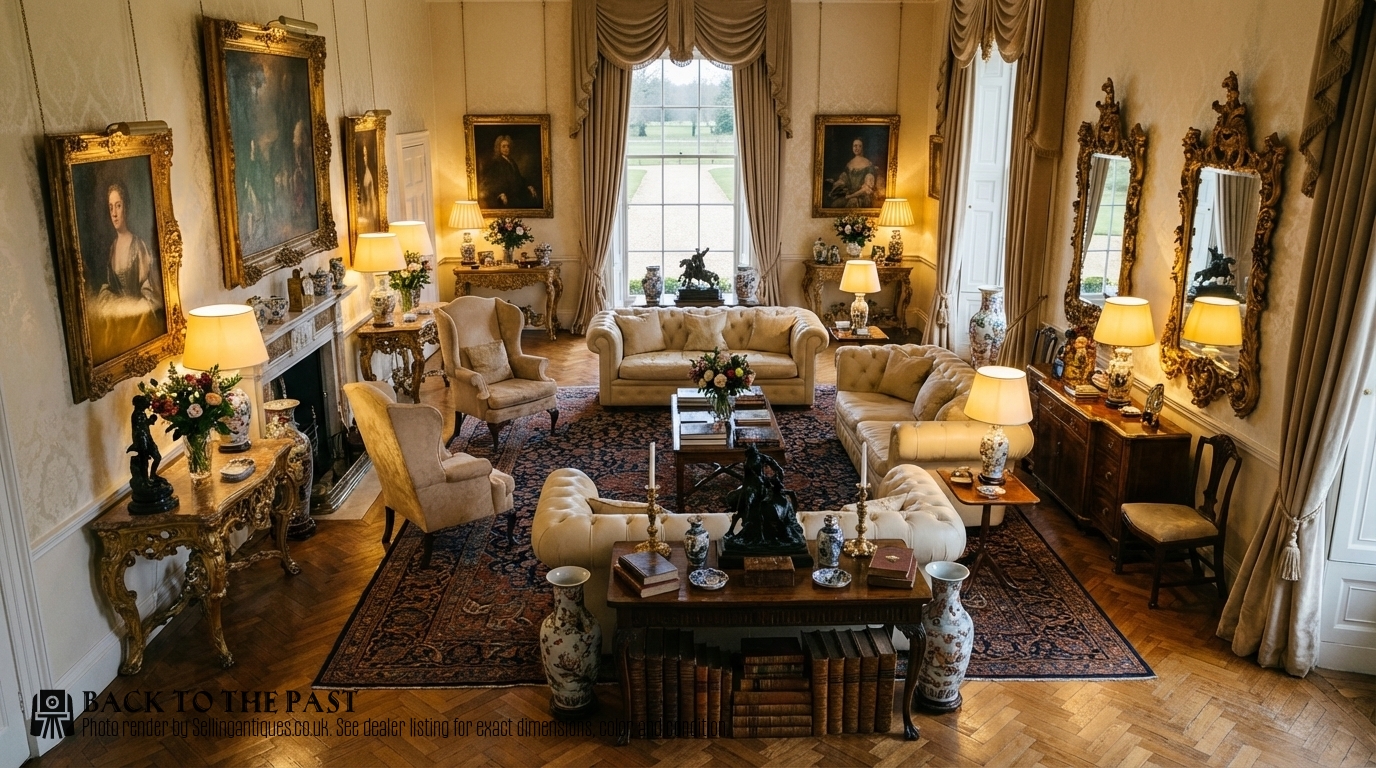
Large gilt mirrors work effectively above living room mantelpieces, in hallways, or as focal points in dining rooms. Their reflective qualities amplify natural light and create an impression of greater spatial depth.
Pairing them with period furniture enhances the cohesive aesthetic of traditional and eclectic interiors alike.