


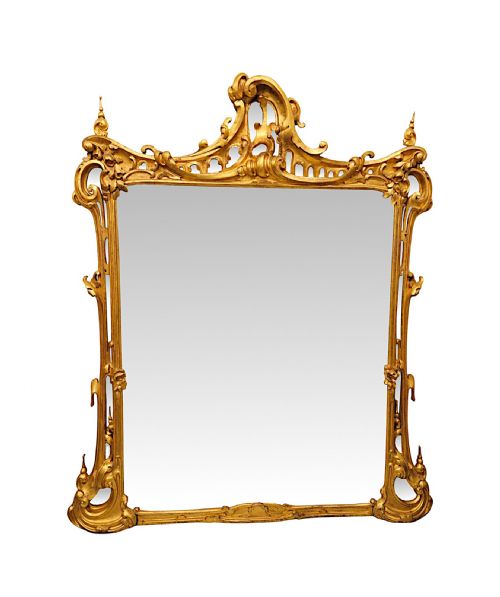
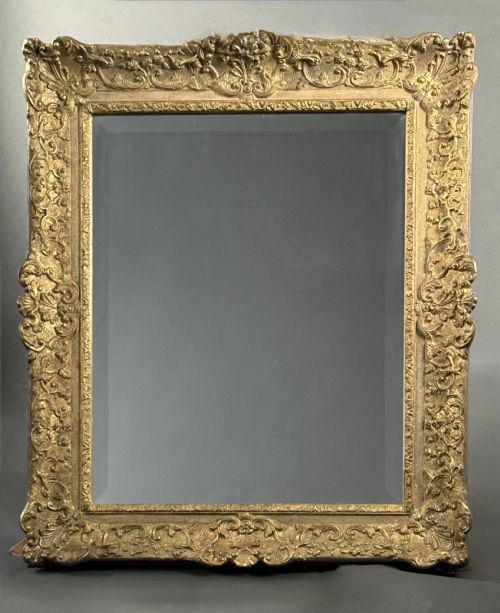
Victorian Carved Gilt Mirror
A victorian carved gilt mirror brings height and reflected light to a room through heavy nineteenth-century frames finished in gold leaf or composition.
Victorian Carved Gilt Mirror
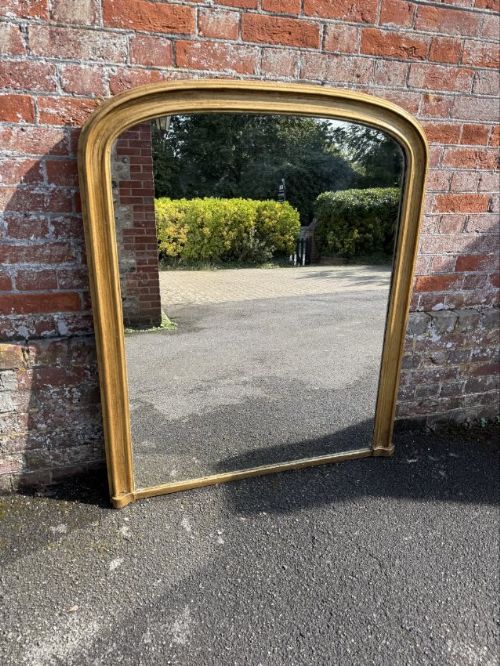
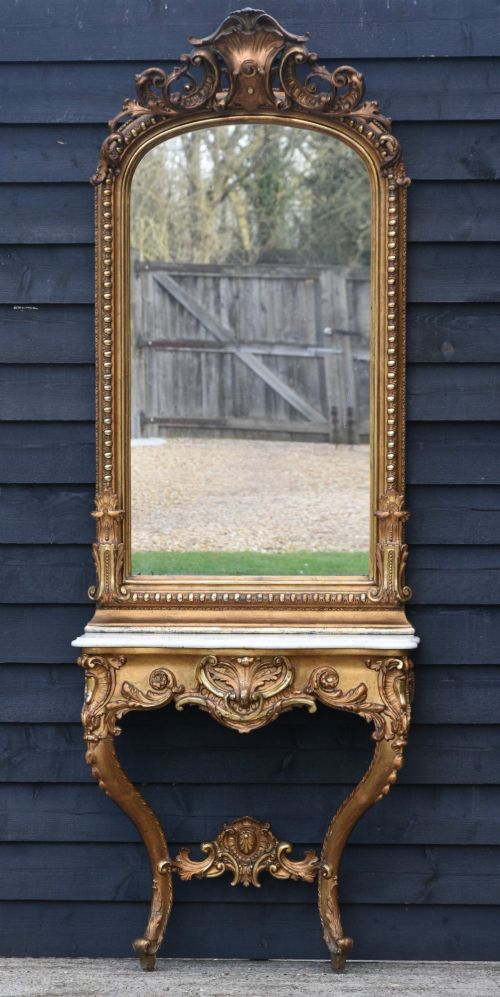
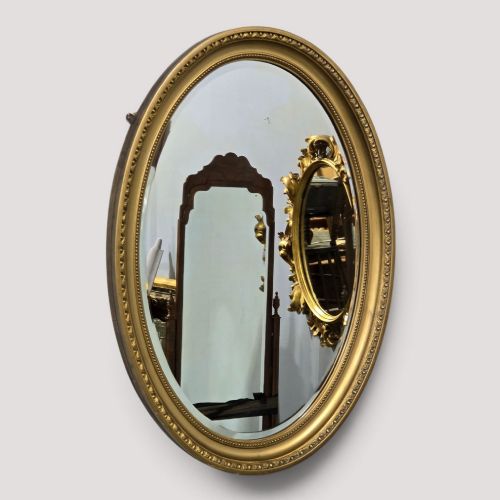
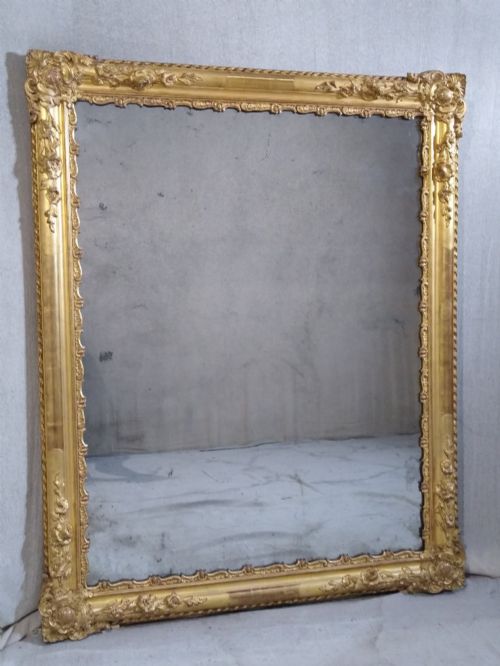
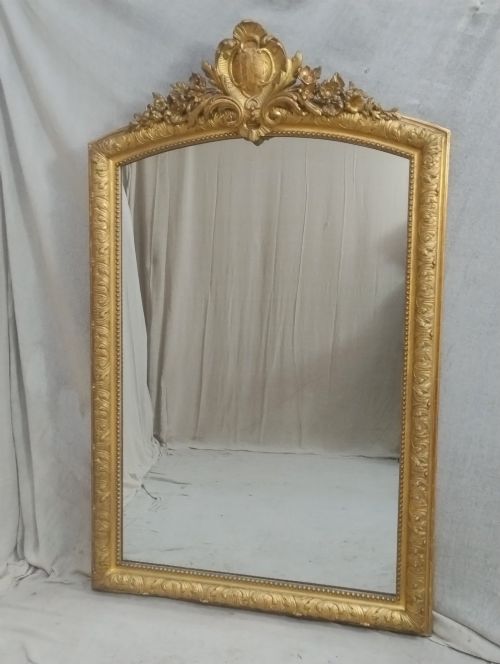
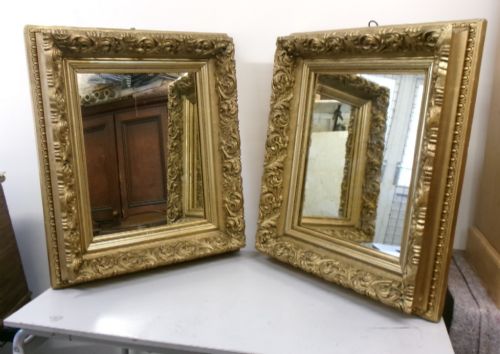
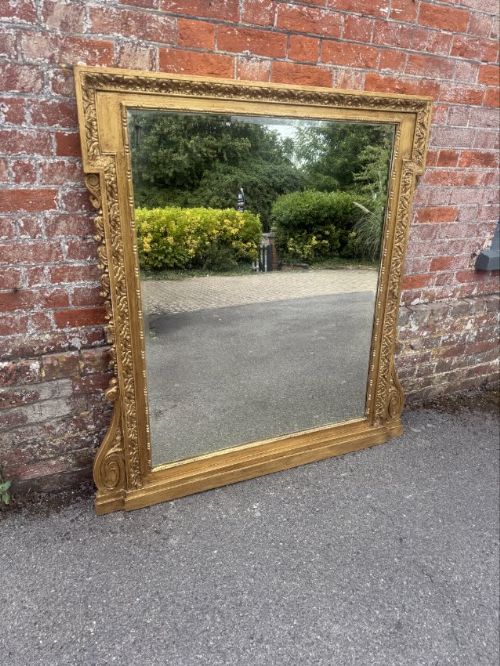
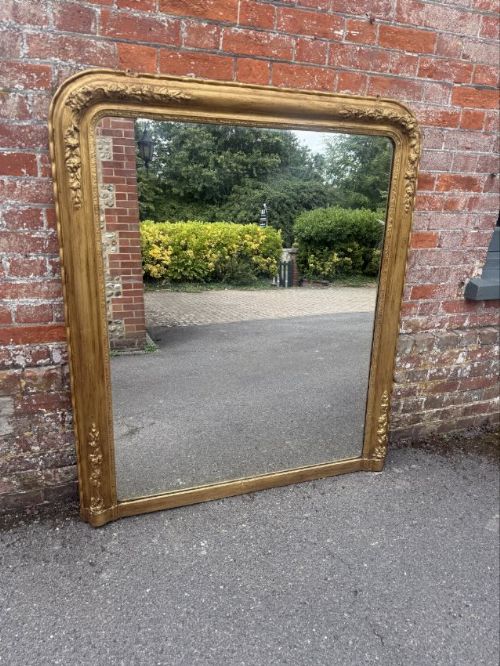
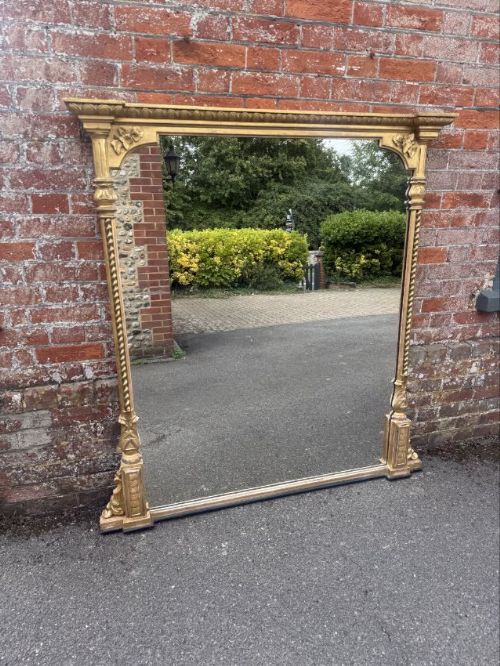
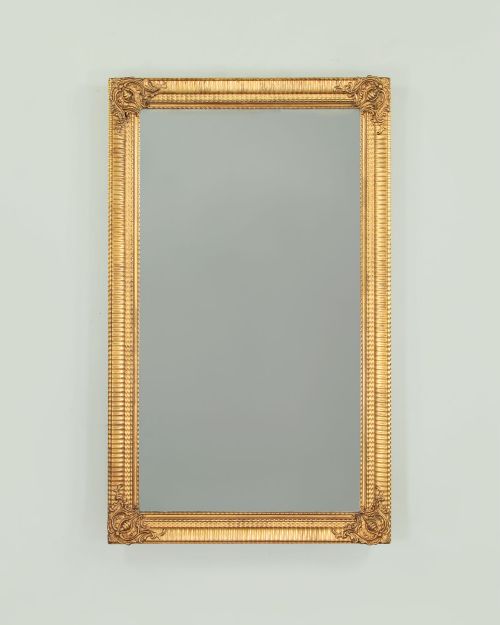
The victorian carved gilt mirror appears in domestic interiors primarily as large overmantel mirrors designed to sit above a fireplace, alongside tall wall-hanging pier glasses and smaller oval or rectangular portrait formats.
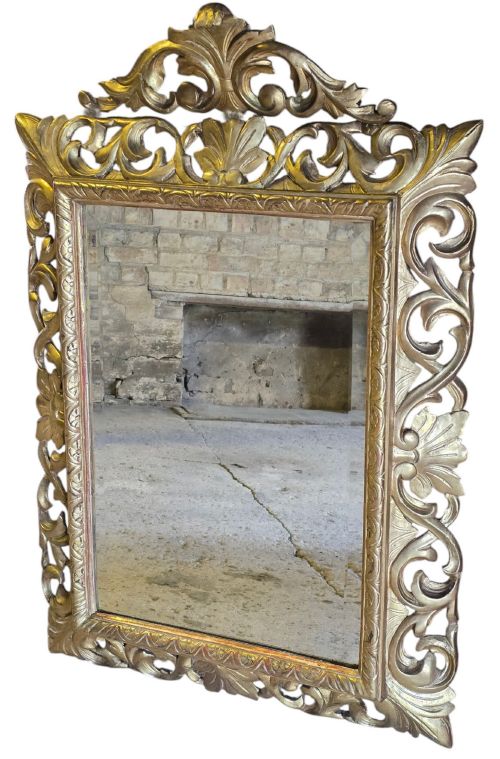
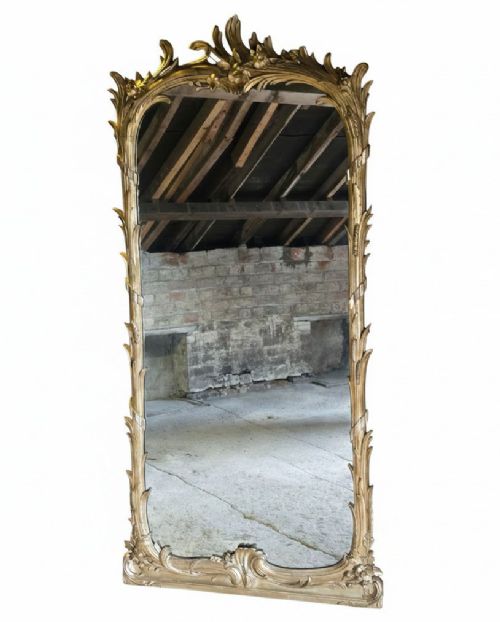
Makers of the period drew on diverse influences, producing items ranging from classical English designs to ornate French rococo revival compositions and Florentine carvings.
Overmantel versions dominate the available selections, frequently featuring arched tops and substantial proportions suited to nineteenth-century ceiling heights.
How They Were Made
Craftsmen built the underlying structures using timber such as pine, oak, or beech, often applying a layer of gesso to create smooth surfaces for detailed ornamentation.
Carved wooden details combine with moulded composition ornaments to form intricate motifs like acanthus leaves, rope twists, and floral garlands.
The finish relies on applied gold leaf or metallic paint, which coats the gesso and wood base to produce a reflective, gilded surface.
Victorian Carved Gilt Mirror Retail Price Guide 2026
Typical asking prices for victorian carved gilt mirror among the pieces listed under this phrase on Sellingantiques today, from the lower quarter to the upper quarter. They describe what is for sale here now, not the wider market.
Listings feature items spanning the decades from 1850 to 1900, incorporating materials such as gesso, giltwood, mirror glass, and composition.
What Varies in Quality
The depth and crispness of the hand-carved woodwork distinguish superior examples from pieces that rely heavily on mass-molded composition ornament.
Heavier framing timber and substantial original mirror plates indicate robust construction and higher material standards during initial production.
The subtlety of the gilding application, including how the gold leaf interacts with the underlying gesso preparation, creates visual richness that separates ordinary frames from exceptional ones.
The Victorian Carved Gilt Mirror Glossary
- Gesso
- A plaster-like mixture applied to wood frames to create a smooth base for carving and gilding. This material allows artisans to achieve sharp relief details.
- Giltwood
- Timber that has been coated with gold leaf or metallic paint. It forms the primary visual identity of these decorative frames.
- Overmantel Mirror
- A large mirror specifically proportioned to hang on the wall directly above a mantelpiece. These pieces often feature arched or shaped tops to complement architectural surrounds.
- Girandole
- A decorative wall mirror featuring attached candle sconces that project forward from the frame. The polished glass reflects the flickering candlelight to illuminate the room.
- Pier Glass
- A tall, narrow mirror designed to hang on the wall space between two windows. They frequently accompany matching console tables.
Victorian Carved Gilt Mirror: Frequently Asked Questions
Where should I hang an overmantel mirror?
These large mirrors traditionally sit directly above a fireplace mantel, anchoring the wall space and reflecting light from across the room.
Ensure the wall fixings are secured into solid masonry or studs to support the substantial weight of the timber and glass.
How do I clean a gilded frame safely?
Dust the carved wooden surfaces gently using a soft, dry brush to prevent disturbing the delicate gold leaf or composition details.
Avoid using liquid cleaners, moisture, or chemical sprays on the gilded areas, as dampness can lift the gesso ground.
What is the difference between gesso and carved wood?
Carved wood involves shaping the actual timber frame with chisels and gouges to form structural details and deep relief patterns.
Gesso is a plaster mixture applied over the timber base to build up intricate ornamentation that would be time-consuming to carve directly from solid wood.
Can these heavy mirrors hang safely on drywall?
Drywall alone cannot support the considerable weight of nineteenth-century framed glass without proper reinforcement.
Install heavy-duty mounting brackets directly into wall studs or use appropriate toggle bolts designed for substantial loads.