

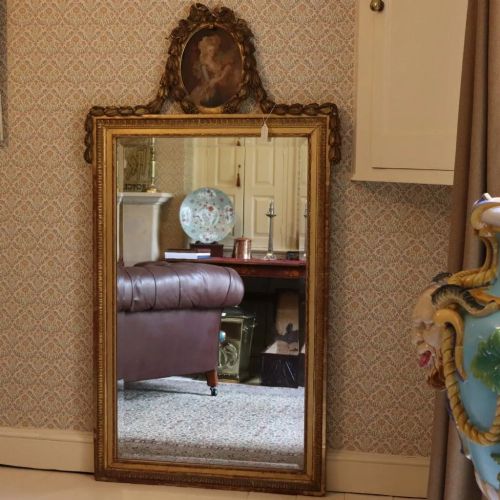
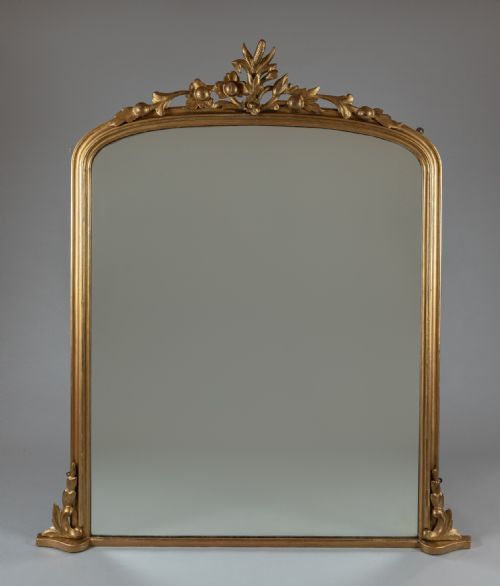
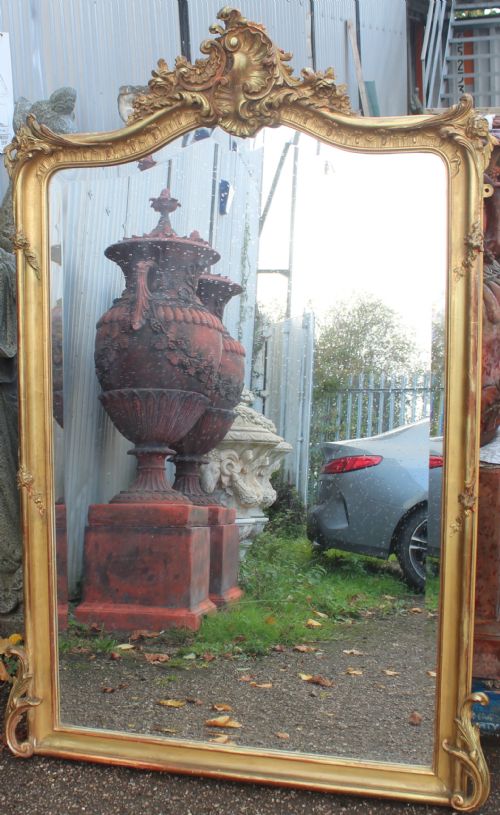
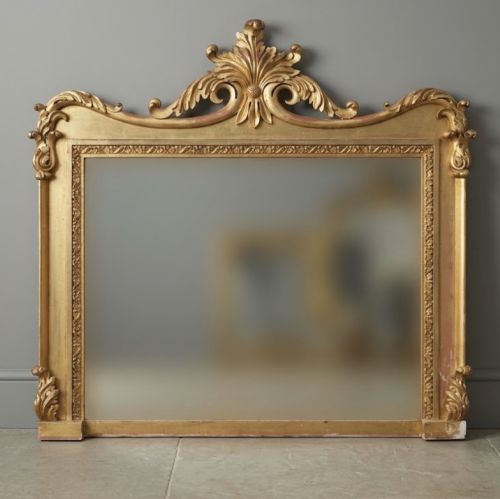

Large Gilt Mirror
A large antique gilt mirror commands a room, bringing historical presence and reflected light through centuries of craftsmanship.
Large Gilt Mirror
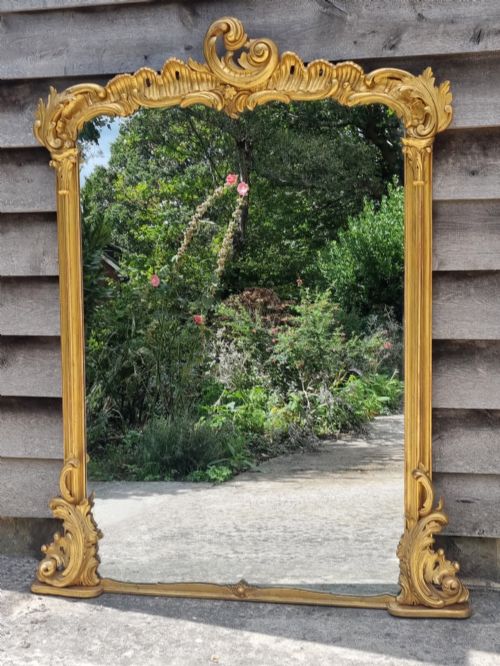
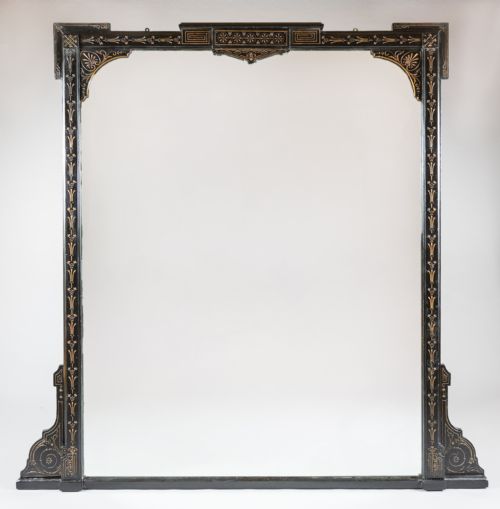
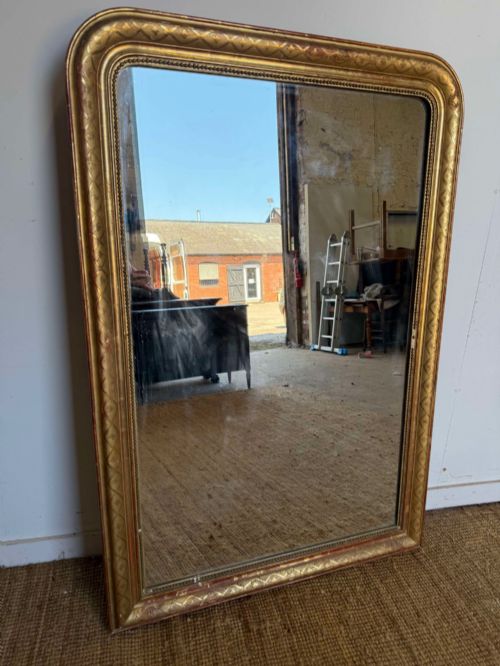
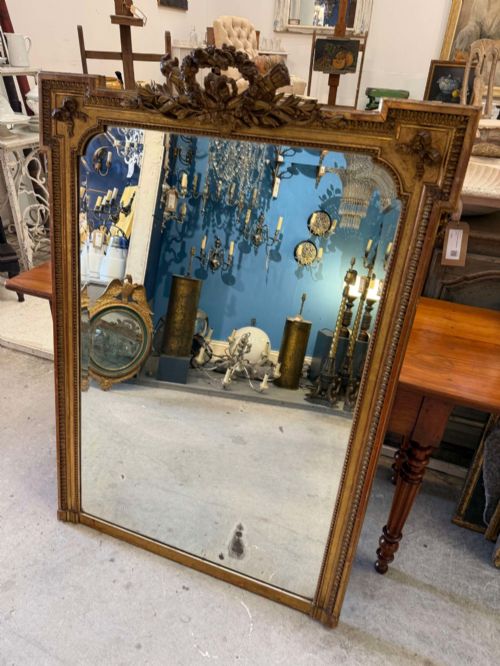
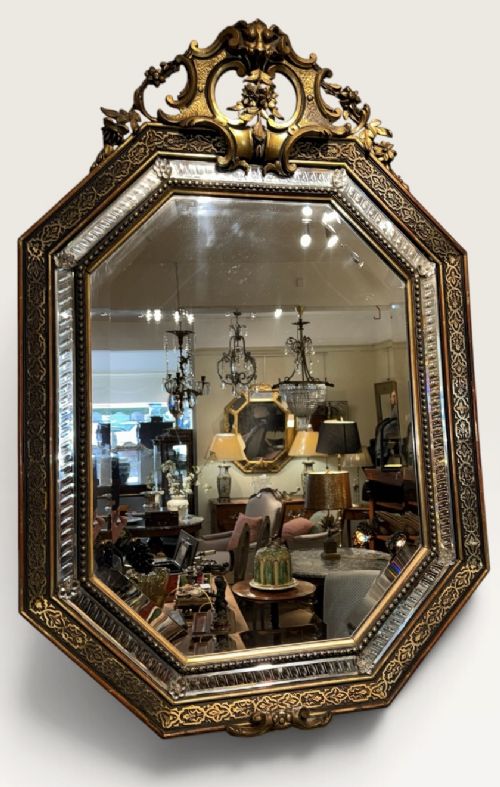
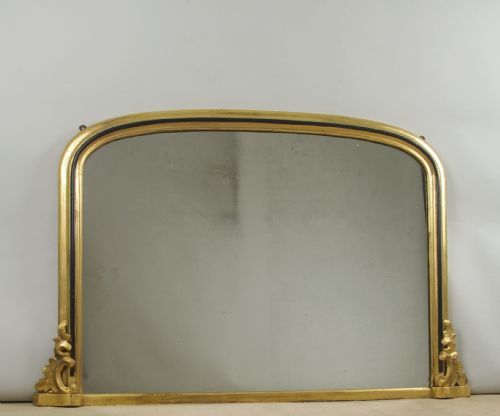
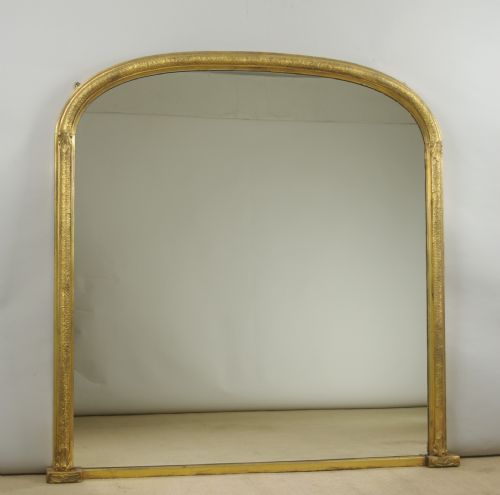
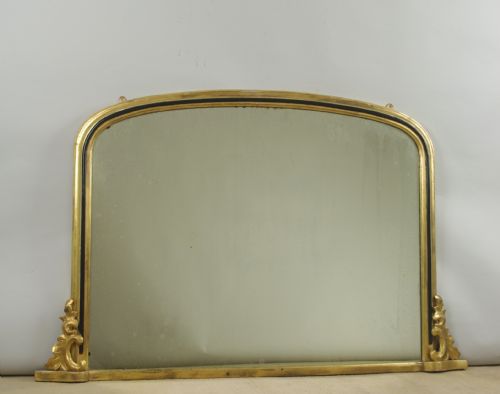
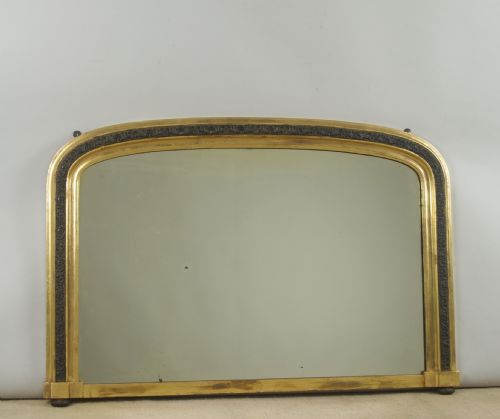
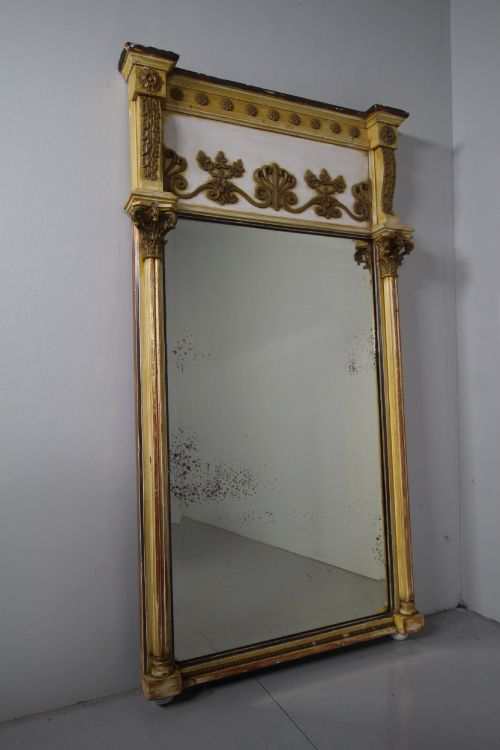
A large antique gilt mirror encompasses substantial wall mirrors, overmantel mirrors designed for chimney breasts, and pier glasses positioned between windows. These pieces emerge predominantly from the eighteenth and nineteenth centuries, spanning English and French ateliers.
The nineteenth century yields the highest volume of examples on this page, particularly architectural overmantel mirrors with arched tops and French chateau styles. Pieces range from cushion frames and rope twists to grand Rococo Revival and Neoclassical designs.
Earlier Georgian and Chippendale period items appear alongside Victorian productions and Irish variants. Forms accommodate domestic scales from leaners to smaller wall-hanging formats.
Materials and Construction Techniques
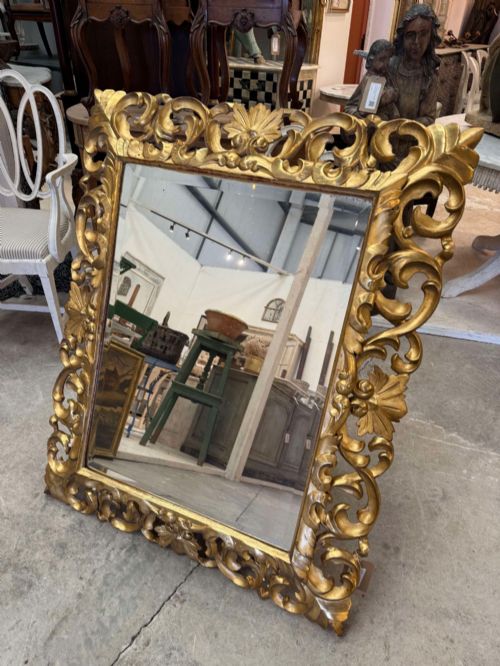
Construction relies on carved wood and gesso substrates built up on wooden frameworks. Artisans applied thin layers of gold leaf or parcel-gilt wood finishes to achieve a luminous metallic surface.
Glazing incorporates original mirror glass, mirror plate, mercury glass, and eglomise panels. Frames utilise carved detailing such as rope twists, ribbons, and foliate scrolls applied in gesso over timber.
Large Gilt Mirror Retail Price Guide 2026
Typical asking prices for large gilt mirror among the pieces listed under this phrase on Sellingantiques today, from the lower quarter to the upper quarter. They describe what is for sale here now, not the wider market.
Materials recorded across the archive include mercury glass, gesso, gold leaf, and parcel-gilt wood.
Distinctions in Quality and Execution
Quality rests upon the depth and crispness of the carved wood and gesso ornamentation rather than mere scale. Superior pieces display hand-carved relief work where gesso builds up intricate foliage without obscuring the underlying timber contours.
The integrity of the reflective surface dictates value, with untouched mercury glass and original mirror plates commanding greater historical interest. Frames retaining their initial gilding without excessive over-painting demonstrate better preservation of the maker's intent.
The Large Gilt Mirror Glossary
- Gesso
- A plaster-like mixture applied to wooden frames as a base for gilding. It allows carvers to model intricate relief ornamentation before applying gold leaf.
- Overmantel Mirror
- A large horizontal mirror specifically scaled to hang above a fireplace mantelpiece. These pieces frequently incorporate arched tops to echo architectural chimney breasts.
- Mercury Glass
- An early type of silvered mirror glass produced by pouring a mercury and tin amalgam between double-walled blown glass. It creates a characteristic mottled, dark reflection.
- Pier Glass
- A tall mirror designed specifically for the wall space between two windows. They often sat above matching console tables in formal reception rooms.
- Parcel-Gilt
- Woodwork where only specific carved details receive gilding while the rest of the timber remains exposed or painted. This technique highlights particular decorative motifs against a contrasting background.
Large Gilt Mirror: Frequently Asked Questions
How do I date a gilt mirror?
Dating relies on examining the frame construction, backboards, and the type of glass used. Eighteenth-century pieces often feature pinned construction and hand-beveled plates, while Victorian examples utilise machine-rolled glass and heavier gesso mouldings.
Secondary clues include assembly marks, screw types, and the stylistic vocabulary of the carving, such as Rococo scrolls versus Neoclassical symmetry.
Where should I hang an overmantel mirror?
These mirrors traditionally sit directly above a fireplace mantelpiece, anchored securely to wall studs due to their considerable weight. They can also function as leaner mirrors placed directly on the floor against a wall.
Placement should account for what the glass reflects, positioning the piece opposite a window to maximise natural light or facing a focal point in the room.
What is mercury glass?
Mercury glass is a double-walled blown glass object or mirror plate silvered between the layers with a liquid mercury amalgam. It produces a distinctive speckled, dark reflection with age.
This historical manufacturing method gives antique mirrors their characteristic foxed appearance, separating them from modern uniform silvering.