

Louis XVI Gilt Mirror
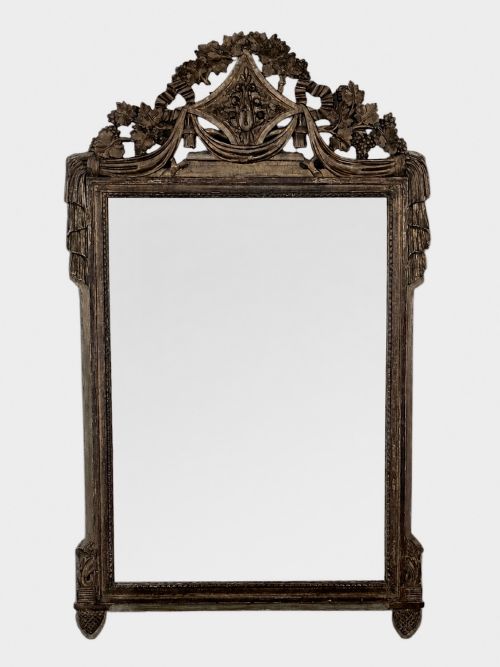
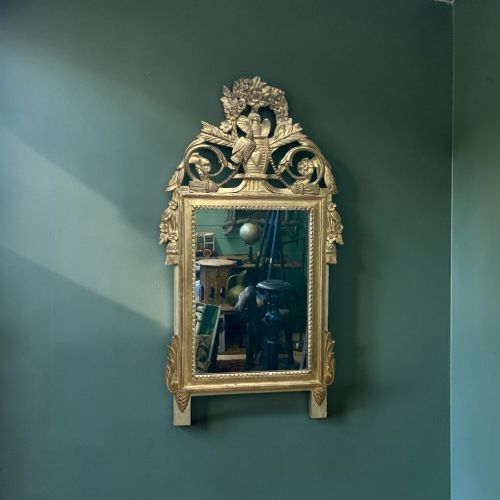
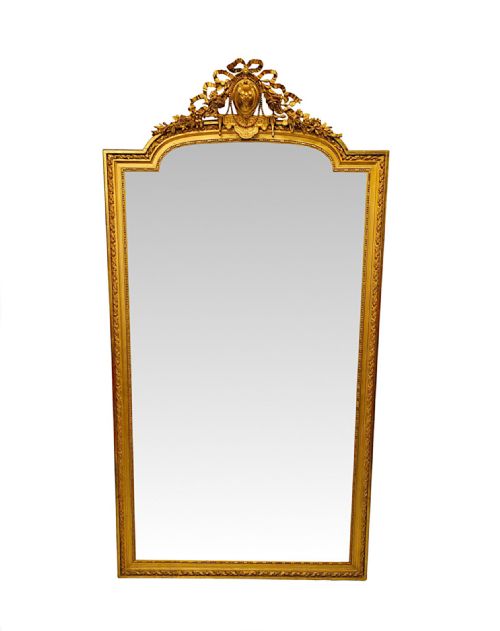
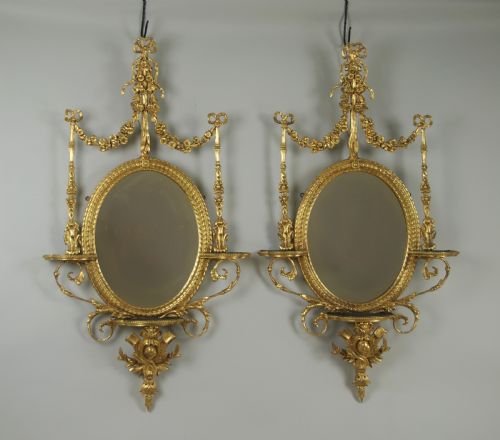
A louis xvi gilt mirror brings neoclassical symmetry and gilded warmth to a room, framing reflections with carved ribbons, urns and crisp architectural lines.
Louis XVI Gilt Mirror
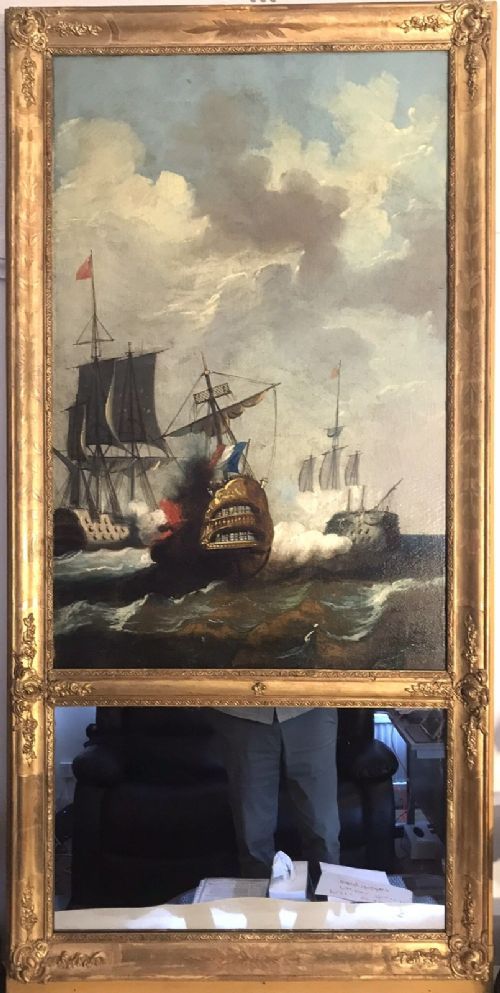
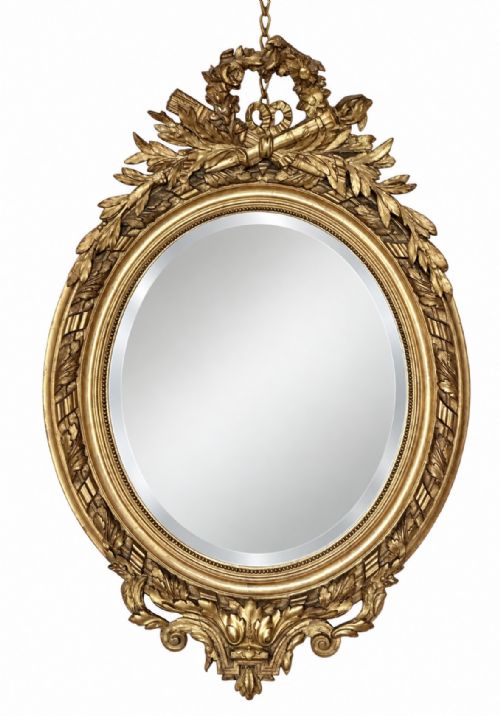
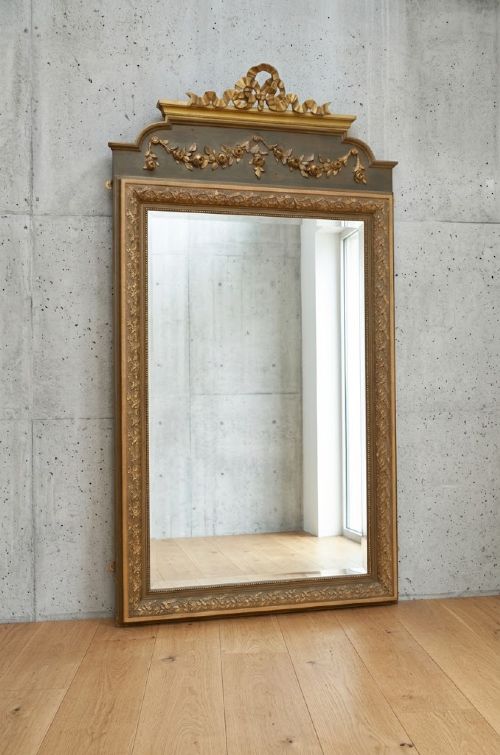
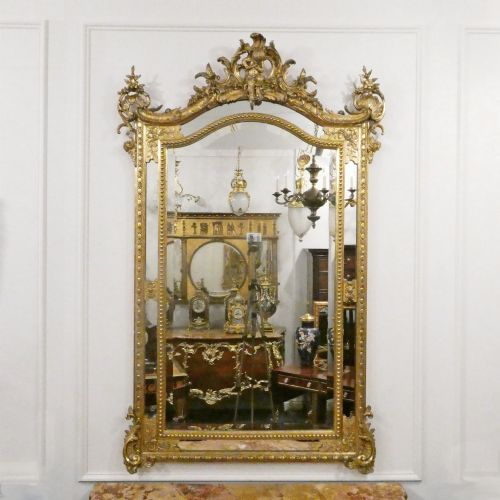
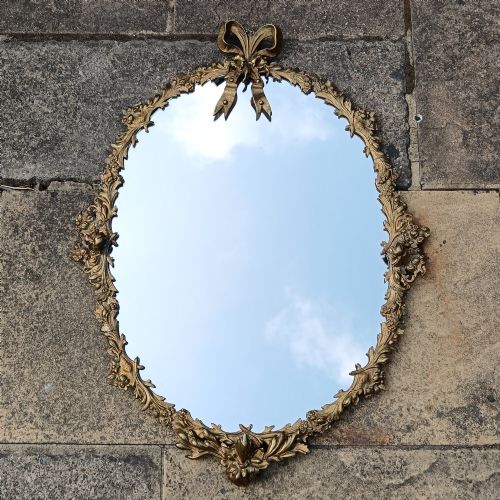
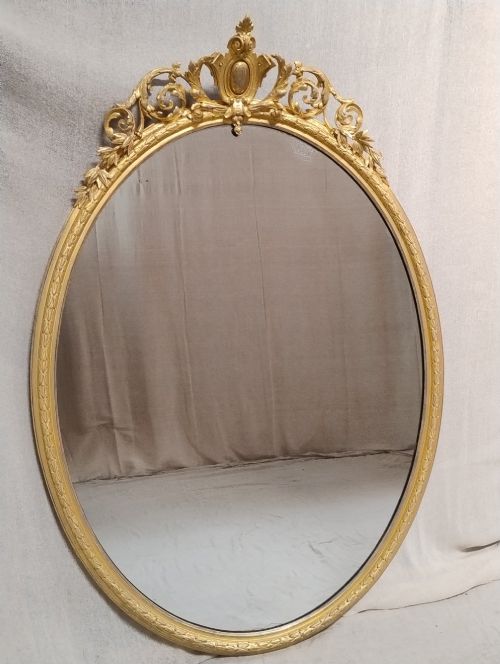
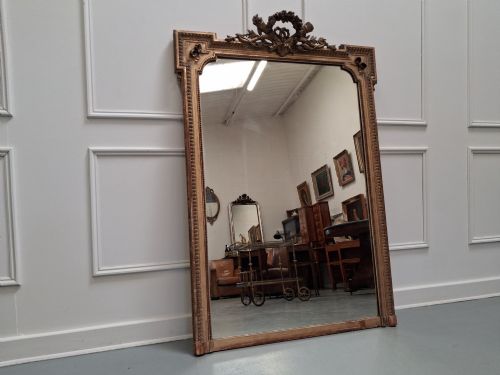
A louis xvi gilt mirror unites the restrained geometry of neoclassical design with the reflective depth of antique glass. Pieces range from tall trumeau panels featuring oil paintings to compact oval wall frames and grand overmantel designs.
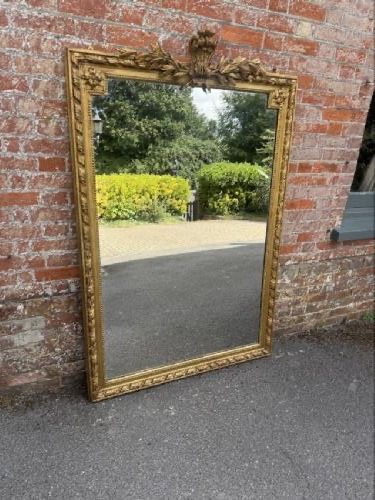
The aesthetic relies on classical motifs such as bead-and-reel mouldings, laurel leaves, swags and ribbon crests. These elements mark a deliberate departure from the asymmetrical curves of earlier rococo work, favouring balance and proportion.
How They Were Made
Wood frameworks of pine, oak or carved timber receive a layer of gesso, a prepared chalk and glue mixture that provides a smooth foundation for crisp architectural carving. Artisans then apply gold leaf or liquid gilding directly onto the sealed surface.
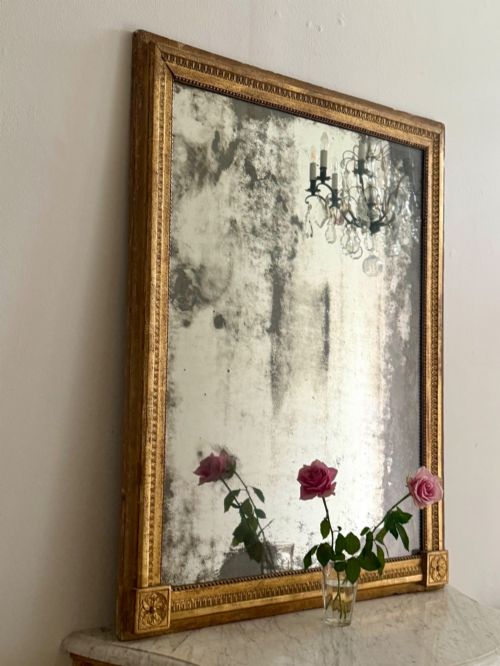
Early mirrors utilise mercury glass plates, identifiable by their characteristic foxed spots and uneven silvering, while later nineteenth-century pieces often feature bevelled plate glass. Frames incorporate composition ornaments pressed from moulds to render intricate floral swags and ribbon details efficiently.
Louis XVI Gilt Mirror Retail Price Guide 2026
Typical asking prices for louis xvi gilt mirror among the pieces listed under this phrase on Sellingantiques today, from the lower quarter to the upper quarter. They describe what is for sale here now, not the wider market.
Materials recorded across current inventory include giltwood, gesso, composition ornament and painted wood surfaces.
What Varies in Quality
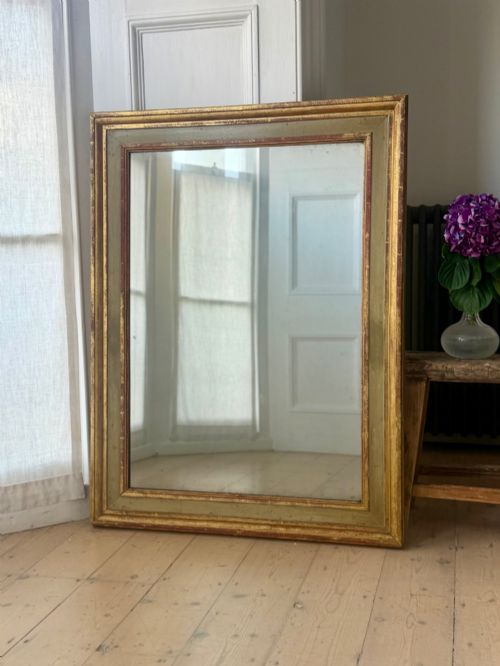
Depth and sharpness in the carved wooden enrichment separate superior examples from standard production, as hand-carved elements display crisp undercut details that moulded composition cannot replicate. The integrity of the original gilding, whether bright gold leaf or softly aged gold over red bole, dictates visual presence.
The condition of the glass plate contributes significantly to character, with untouched mercury plates offering a clouded, atmospheric reflection distinct from clean bevelled modern replacements. Original backboards, peg construction and undisturbed frame joints indicate authentic period assembly.
The Louis XVI Gilt Mirror Glossary
- Trumeau mirror
- A decorative wall mirror fitted into wood panelling or incorporating an oil painting above the glass plate. These architectural pieces often hung between windows in grand French reception rooms.
- Mercury glass
- A double-walled glass blown with a silvering mixture inserted between the layers, creating a characteristic speckled, foxed reflection. It defines the appearance of authentic late eighteenth and early nineteenth-century plates.
- Giltwood
- Timber carved and coated in gold leaf applied over a prepared gesso ground. It provides the bright reflective surface typical of formal European mirrors.
- Gesso
- A mixture of gypsum or chalk and animal glue applied to wood frames to create a smooth surface for carving and gilding. This layer holds the sharp edges of neoclassical motifs.
- Girandole
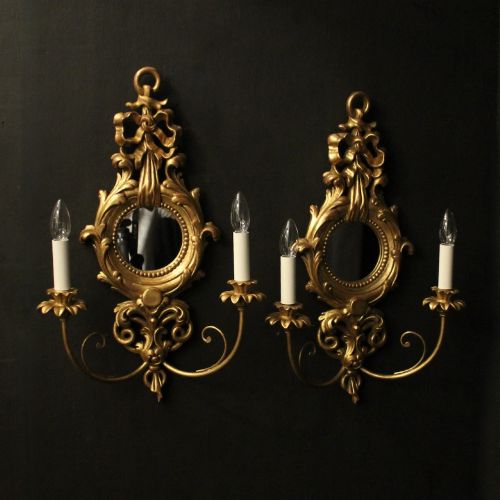
- A wall mirror featuring attached candle sconces or arms extending from the frame. The polished metal and glass multiplied the flickering candlelight in period interiors.
- Ribbon crest
- A carved wooden bow or ribbon motif surmounting the top of the frame. It serves as the focal point for many neoclassical wall mirrors.
Louis XVI Gilt Mirror: Frequently Asked Questions
How do I date a gilt mirror?
Dating relies on examining construction methods, glass type and wood preparation. Eighteenth-century frames display hand-carved timber beneath the gesso, while later Victorian revival pieces often incorporate moulded composition ornament and machine-bevelled plates.
Backboards and fixing methods also provide clues. Hand-sawn boards secured with handmade or early iron nails point to earlier periods, whereas modern screws and plywood indicate later replacements.
What is mercury glass?
Mercury glass describes a double-walled blown glass object or mirror plate silvered with a liquid metal amalgam between the glass layers. It produces a distinctive mottled reflection with dark foxed patches where the backing has degraded.
This material is typical of mirrors dating from the late eighteenth and early nineteenth centuries. It offers a softer, more atmospheric reflection than modern industrial silvering.
Where should I hang a trumeau mirror?
Trumeau mirrors suit prominent wall spaces above mantelpieces, console tables or sideboards where their painted panels and tall proportions can be appreciated. Their original purpose was often to hang between two windows to reflect natural light.
Ensure the wall structure can support the weight of the timber frame and glass plate. Secure heavy pieces using appropriate fixings anchored directly into wall studs or masonry.
How do I care for antique gilding?
Preserve antique gilding by dusting gently with a soft dry brush, avoiding all chemical cleaners, water and abrasive cloths. Water can dissolve the underlying gesso and cause the gold leaf to flake off the wooden substrate.
Keep mirrors away from direct sunlight and sources of heat such as radiators to prevent the wood from warping and the gesso from cracking over time.