

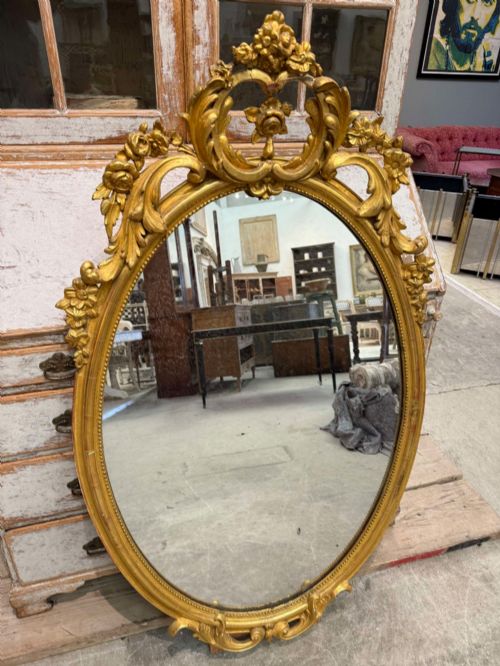
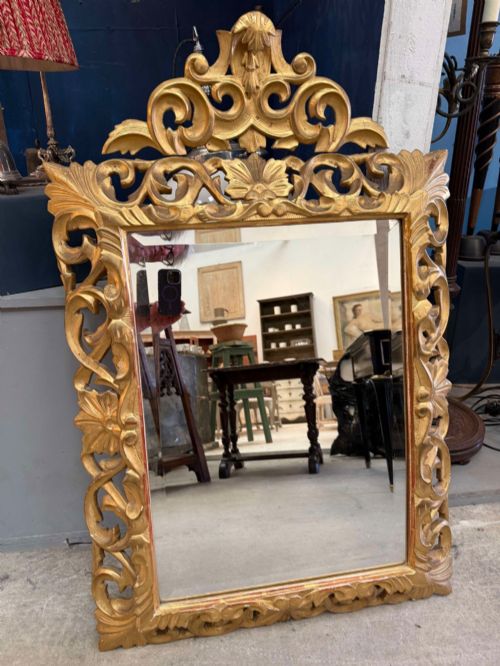
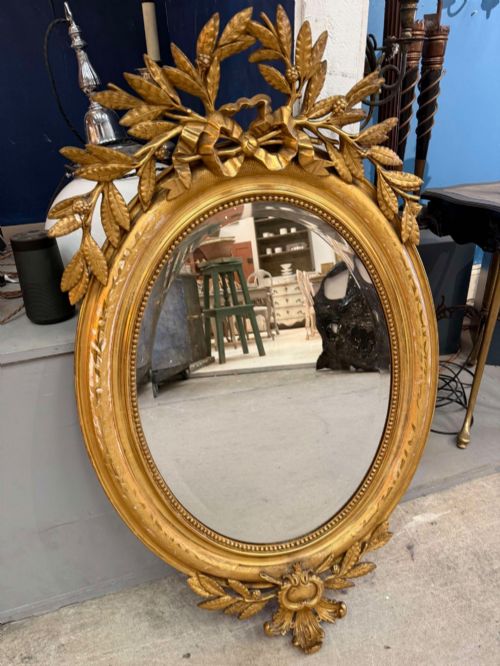
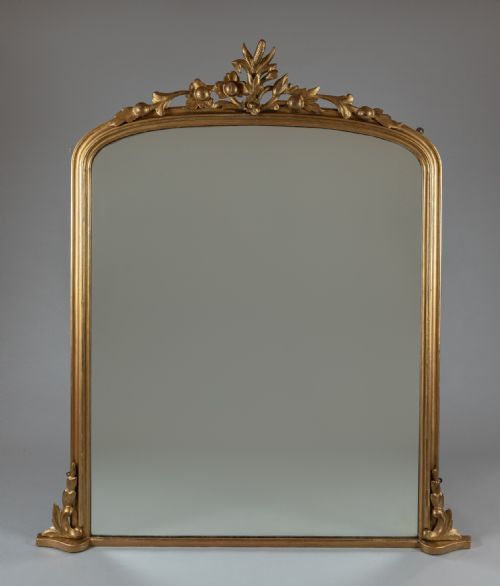


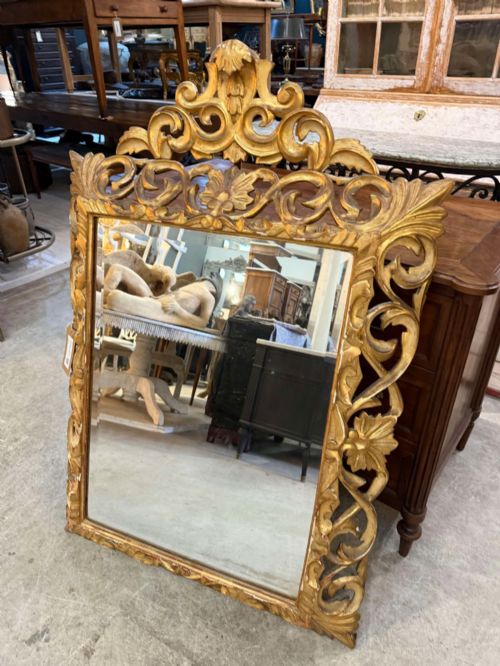
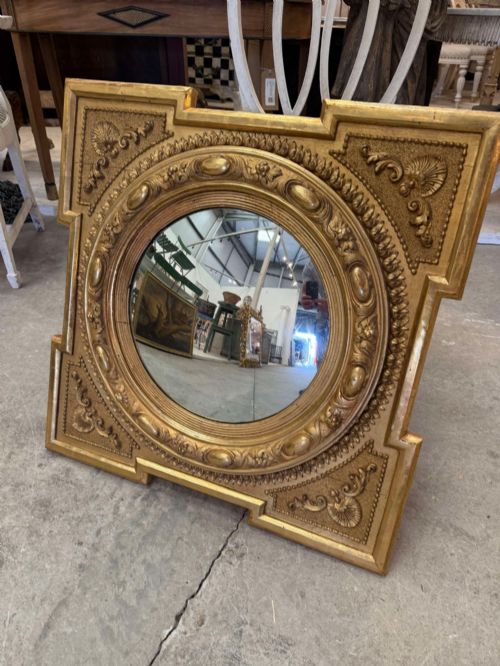
19th Century Gold Mirror
A 19th century gold mirror brings warmth, light and scale to a room through centuries-old craftsmanship.
19th Century Gold Mirror
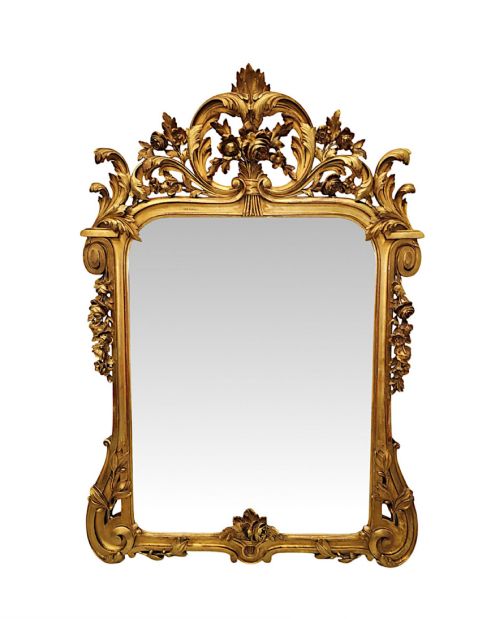
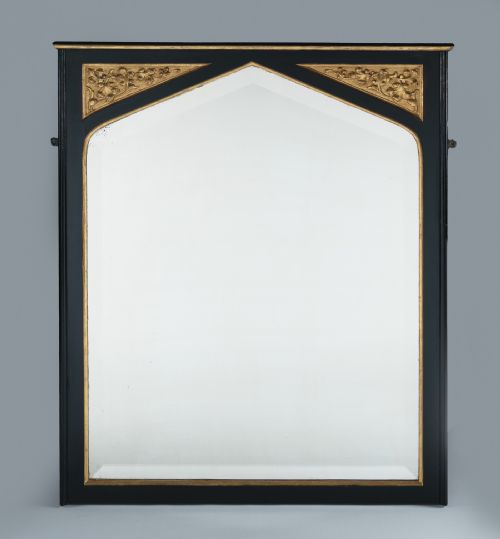
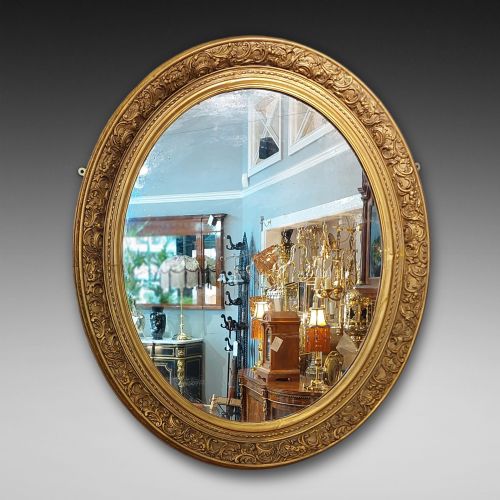
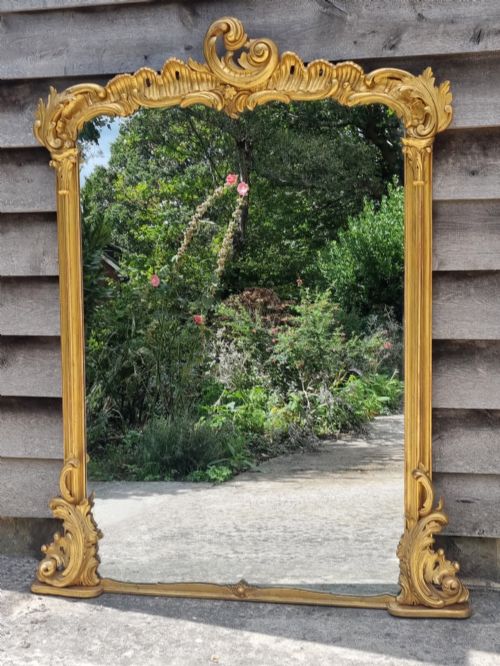
A 19th century gold mirror encompasses a grand variety of decorative forms, including expansive overmantels, stately pier glasses and refined wall mirrors. These pieces originate from English workshops and French ateliers, capturing the distinct aesthetic movements of the Victorian, Regency and Louis Philippe eras.
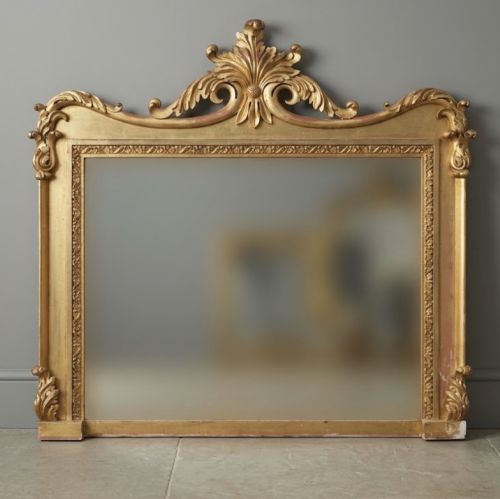
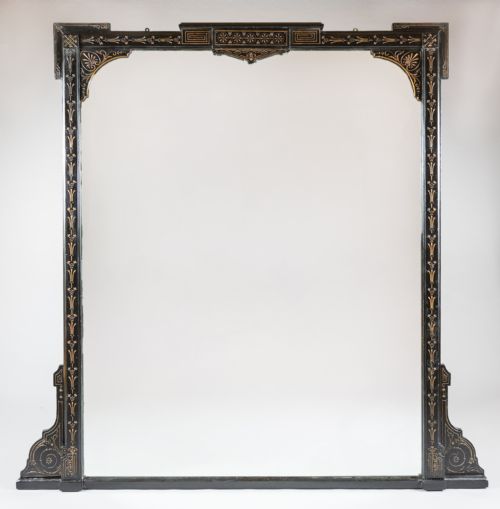
The most common examples encountered on this page are large overmantel mirrors designed to sit above fireplace surrounds. These feature arched or shaped tops alongside robust wooden frames intended to anchor a room's interior scheme.
How They Were Made
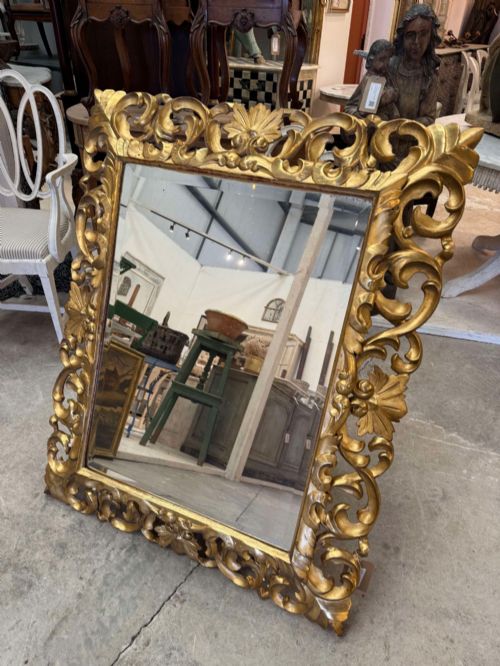
Carved wooden foundations of pine or hardwood provide the structural core for these frames, shaped meticulously by hand. Artisans then applied layers of gesso and plaster to smooth the surface and carve intricate decorative details such as rope twists and floral motifs.
Gold leaf or fine gilding was meticulously laid over the prepared ground, sometimes complemented by composition ornaments moulded for speed and precision. Glass panes, including early mercury mirror glass, were fitted within these ornate borders to complete the piece.
19th Century Gold Mirror Retail Price Guide 2026
Typical asking prices for 19th century gold mirror among the pieces listed under this phrase on Sellingantiques today, from the lower quarter to the upper quarter. They describe what is for sale here now, not the wider market.
What Varies in Quality
The depth and crispness of the hand-carved ornamentation separate exceptional frames from standard moulded alternatives. Superior pieces display fluid, confident relief work where the wood and gesso interact harmoniously without blurring.
The integrity of the original gilding and the preservation of the antique mirror glass dictate the overall standard of the object. Rich patination and minimal disturbance to the gold leaf denote a higher grade of historical survival.
Charles Nosotti
The 19th Century Gold Mirror Glossary
- Gesso
- A plaster-like mixture applied to wooden frames as a smooth base for gilding. It allows artisans to carve intricate details directly onto the surface before applying gold leaf.
- Giltwood
- Timber that has been coated with a thin layer of gold leaf. This material defines the luxurious appearance characteristic of many period mirrors.
- Overmantel Mirror
- A large mirror specifically proportioned to hang above a fireplace mantelpiece. These pieces frequently feature architectural framing designed to draw the eye upward.
- Pier Mirror
- A tall glass designed to hang on the narrow wall space between windows. They often coordinate with matching console tables placed directly beneath them.
- Composition
- A mouldable mixture of whiting, resin and oil used to press decorative ornaments onto mirror frames. It offered an efficient alternative to deep hand-carving while maintaining crisp detail.
- Louis Philippe
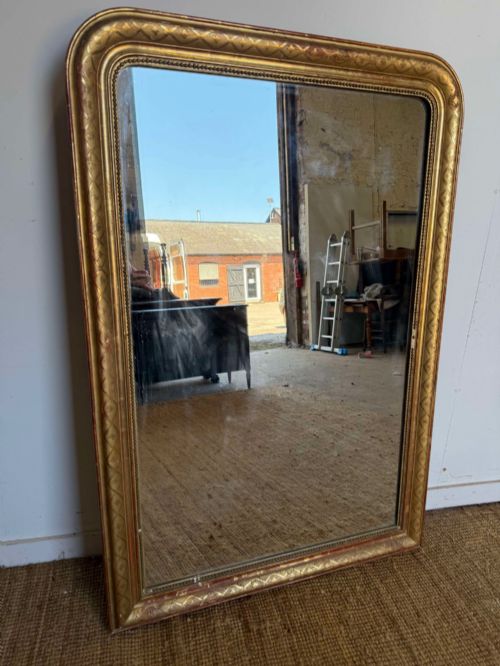
- A French style spanning the mid-nineteenth century characterised by understated elegance. These mirrors typically feature gently rounded upper corners and simple beaded or cavetto frames.
19th Century Gold Mirror: Frequently Asked Questions
How do I hang a heavy overmantel mirror safely?
Large nineteenth-century mirrors possess substantial weight due to their wooden frames and thick glass plates. Professional wall anchors and dedicated hanging brackets fixed directly into wall studs are essential for secure installation.
Distributing the load evenly across multiple fixing points prevents structural strain on the antique frame and protects the wall surface below.
What is mercury glass in antique mirrors?
Traditional mirror plates from the early nineteenth century often utilised a tin and mercury amalgam backing to reflect light. This technique produces a characteristic mottled appearance known as foxing, where dark spots speckle the reflective surface.
Modern replacements lack this distinct historical degradation. Genuine foxing offers visual proof of an authentic period glass plate.
Where should I place a pier mirror?
Pier mirrors were originally created to hang on the narrow expanse of wall situated between two windows. This placement maximised natural light reflection within dimly lit Victorian and Regency reception rooms.
Modern interiors benefit from positioning these tall frames in hallways or above low sideboards to create an illusion of expanded space.
How do I clean a gilded nineteenth-century frame?
Dusting gently with a soft, dry brush prevents the accumulation of grime without disturbing delicate gold leaf layers. Moisture and modern chemical cleaners must be avoided entirely to protect the fragile gesso and underlying composition ornaments.
Preserving the original dry patina maintains both the historical integrity and the aesthetic value of the gilding.