


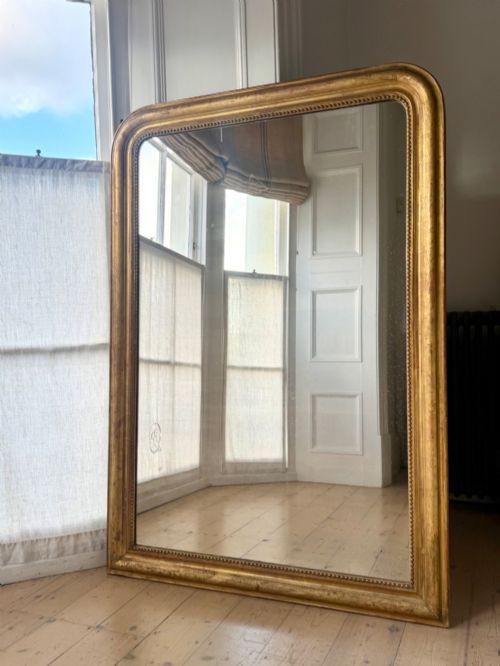
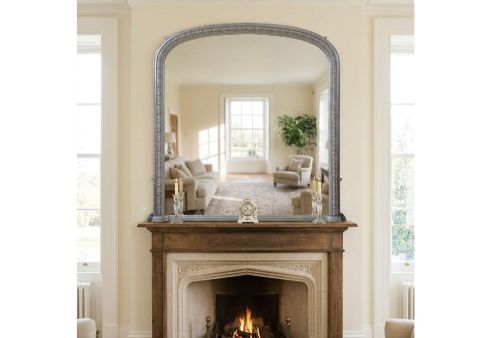
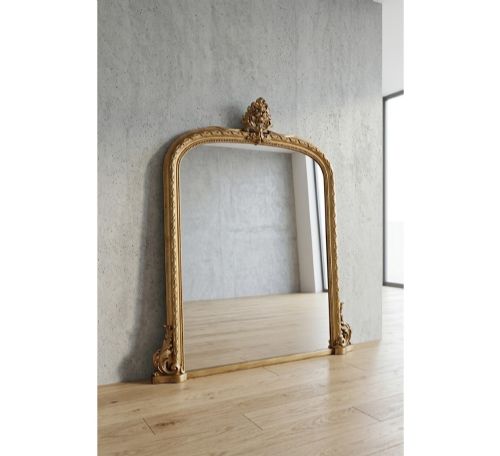
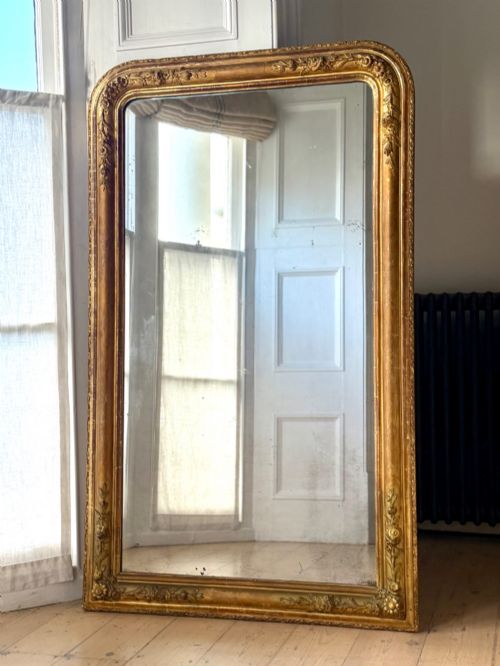
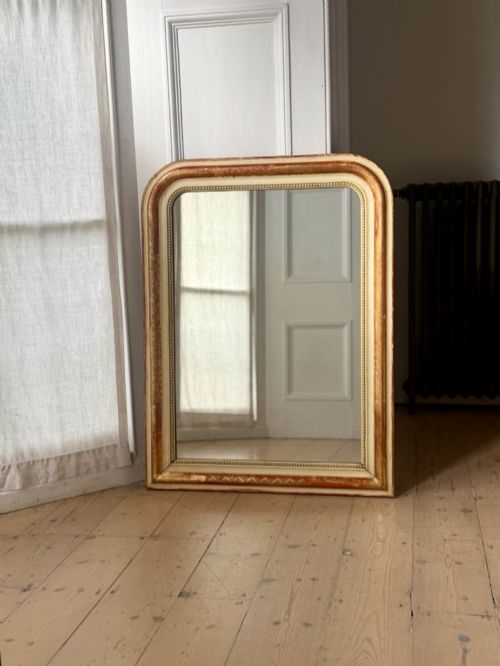
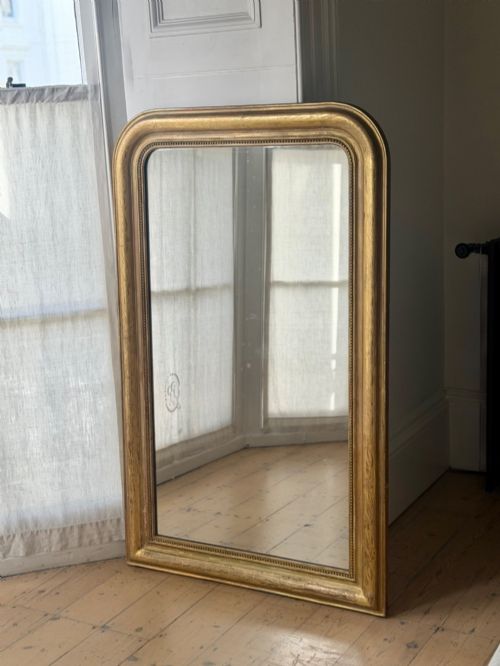
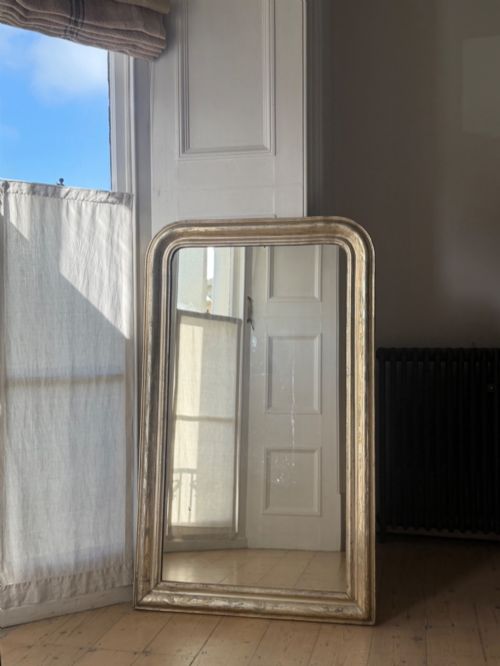
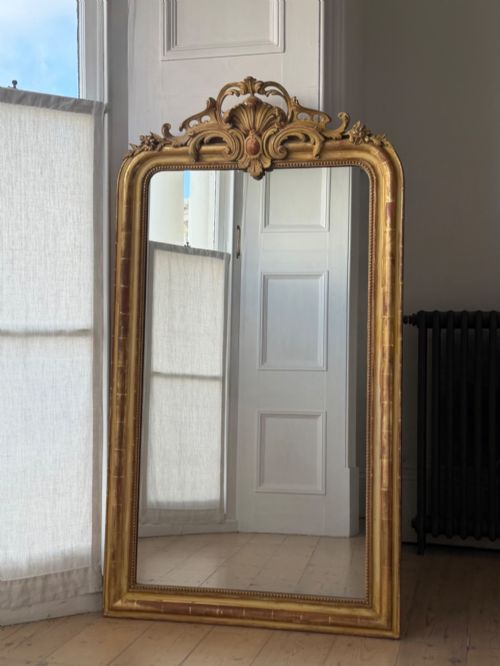
Louis Philippe Gilt Mirror
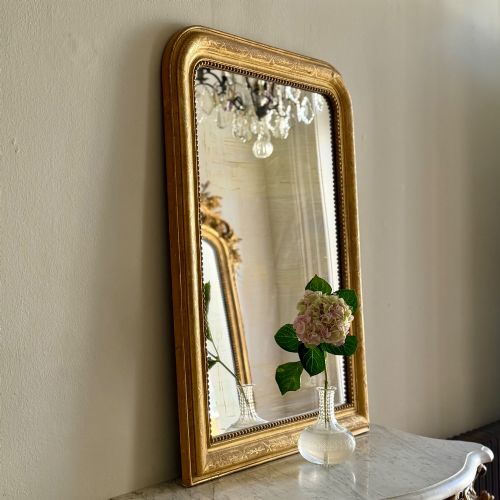
A louis philippe gilt mirror brings understated French elegance to a room, offering clean lines and subtle crests that anchor period and modern interiors alike.
Louis Philippe Gilt Mirror
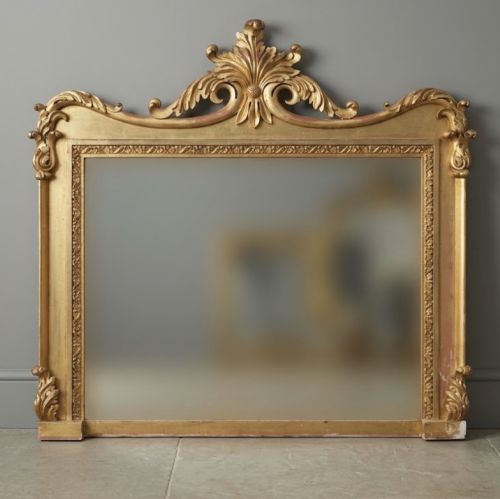
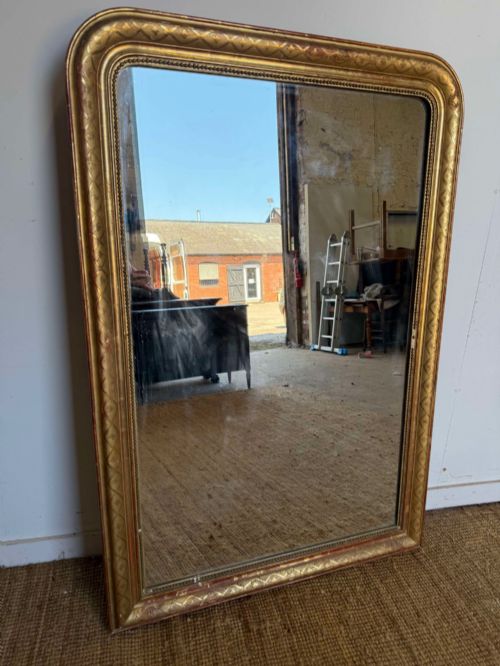
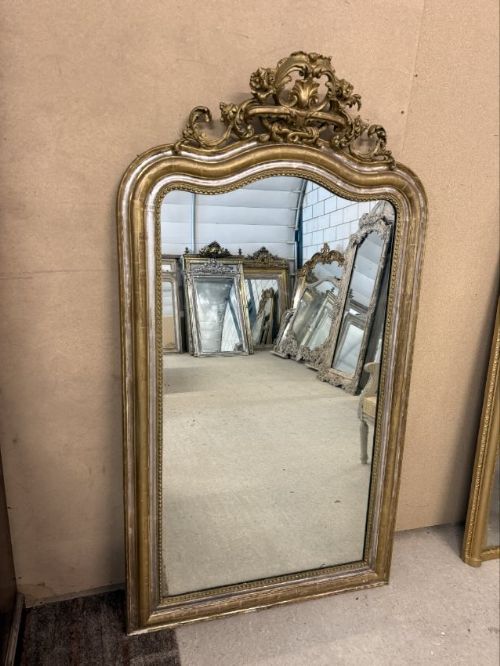
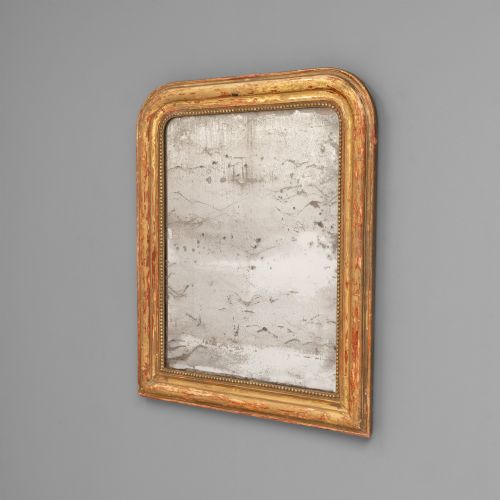
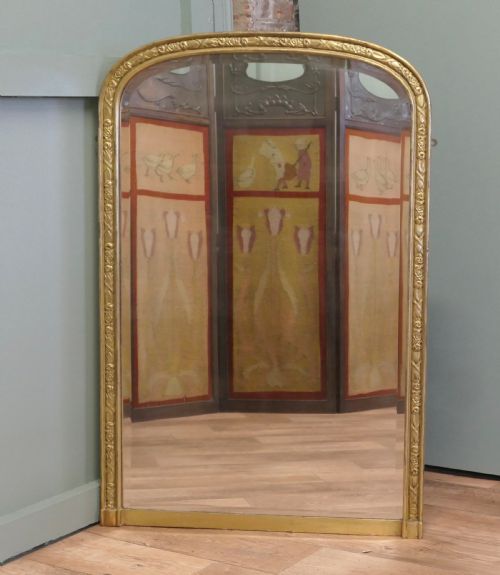
When you search for a louis philippe gilt mirror, you encounter wall-hanging and overmantel looking glasses originating primarily from nineteenth-century France. These pieces are defined by their characteristic rounded upper corners or gentle arched tops, sitting somewhere between the stricter neoclassical forms and the more exuberant later Victorian styles.
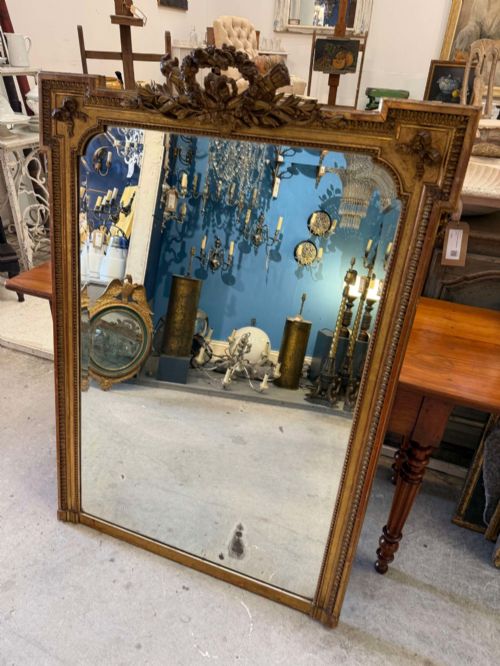
The selections span various formats, from tall pier mirrors designed for narrow wall spaces to wide overmantels meant for placement above a fireplace. While standard rectangular plates and architectural proportions dominate, many incorporate subtle decorative elements such as central cartouches or crests.
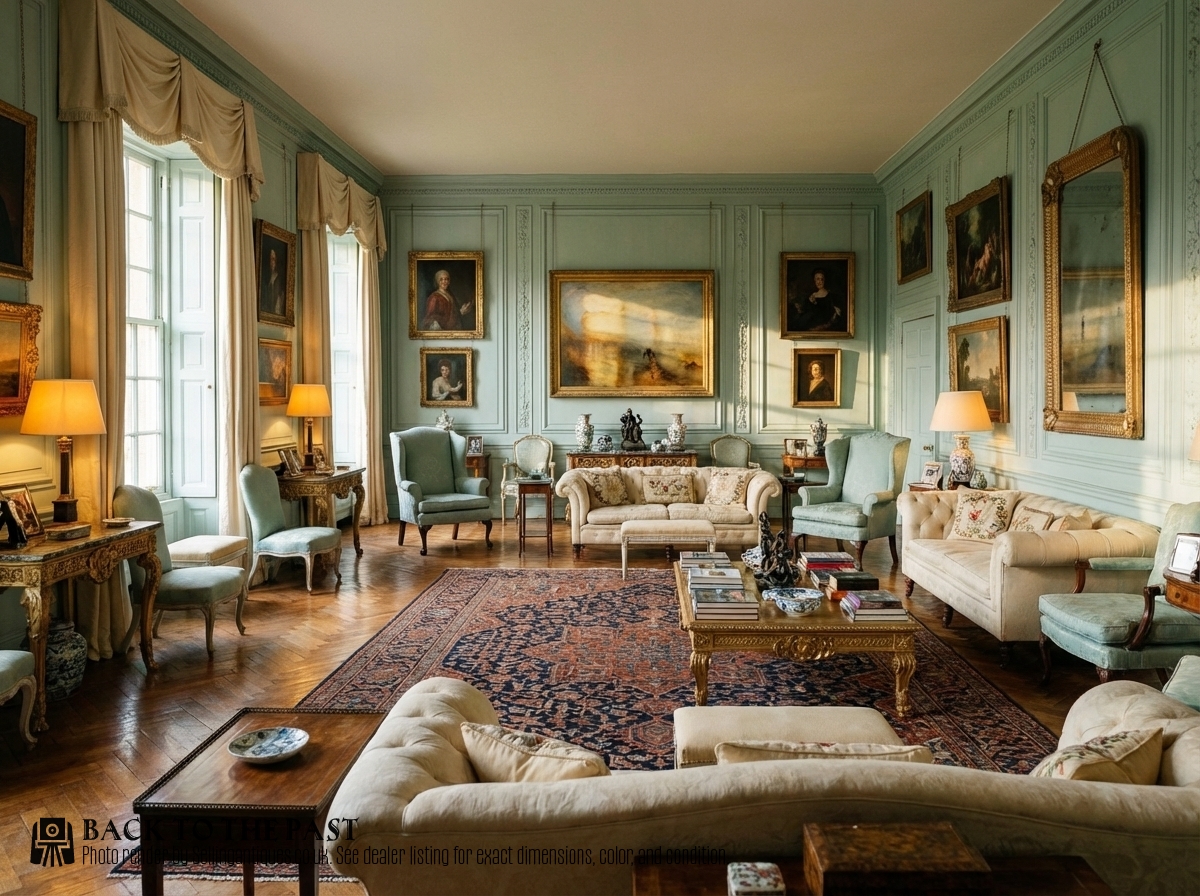
Origins heavily lean towards French ateliers of the nineteenth century, alongside English interpretations sharing similar decorative vocabularies. The surviving examples demonstrate how versatile these looking glasses were across different domestic settings, moving easily from formal salons to bedrooms.
Distinctions in craftsmanship and preservation
Quality in these looking glasses rests largely on the crispness of the original carving and the depth of the gesso work beneath the gilding. Superior examples maintain sharp definition in their decorative mouldings and corners rather than soft, muddy profiles.
The condition of the surface finish and the mirror plate itself establishes further differentiation. Pieces retaining their original mercury glass plates and undisturbed gold or silver leaf layers command greater interest than those with heavily altered surfaces or replaced modern mirror plates.
Louis Philippe Gilt Mirror Retail Price Guide 2026
Typical asking prices for louis philippe gilt mirror among the pieces listed under this phrase on Sellingantiques today, from the lower quarter to the upper quarter. They describe what is for sale here now, not the wider market.
Some antique mirrors carry the faint ghost of a long-gone fireplace reflected in their mottled glass for eternity.
The Louis Philippe Gilt Mirror Glossary
- Gesso
- A prepared mixture of chalk, gypsum, and glue applied to the wooden frame before gilding. This layer was smoothed and carved to create the raised decorative details.
- Mercury glass
- An early type of mirror plate produced by pouring a silvering amalgam behind double-walled glass. It is recognised by its characteristic dark speckling and foxed patches.
- Overmantel
- A large mirror specifically proportioned to hang above a mantelpiece or fireplace. These pieces often feature wider dimensions to balance the hearth below.
- Ripple frame
- A moulding profile featuring repeated small wave-like ridges carved or pressed into the wood. This technique creates rhythmic texture around the glass border.
- Cartouche
- An ornamental panel or tablet, often resembling a rolled-up scroll or shield, placed centrally on the crest of the mirror frame.
Louis Philippe Gilt Mirror: Frequently Asked Questions
How do I identify a genuine louis philippe gilt mirror?
Look for the characteristic rounded upper corners of the frame, which distinguish this style from sharper rectangular Victorian alternatives. Examining the backboards, fixings, and construction materials will also help confirm nineteenth-century origins.
The presence of original mercury glass with natural foxing spots further supports period authenticity. Construction using traditional wood and gesso layers under the gilding is standard for these pieces.
Were these mirrors meant to hang or rest on a mantel?
Many larger examples served as overmantel mirrors designed to sit directly on a fireplace shelf while secured to the wall for safety. Tall and rectangular variants were constructed primarily for wall hanging in reception rooms and bedrooms.
The inclusion of original hanging loops or sturdy structural framing gives clear clues about how a specific piece was intended to be positioned within a nineteenth-century interior.
What is foxed glass and should I avoid it?
Foxing refers to the dark spots, speckles, and mottled areas that develop on older mirror plates as the backing degrades over time. Rather than a defect, many collectors value foxed mercury glass for the authentic age and character it brings to the piece.
While some buyers prefer a completely clear reflection, original foxing confirms that the mirror plate has survived intact from the nineteenth century without modern replacement.
How do I care for antique giltwood frames?
Dust the carved frame gently using a soft, dry brush to avoid disturbing fragile gesso and leaf layers. Keep the mirror away from direct sunlight, damp environments, and extreme temperature fluctuations that can cause timber to warp.
Avoid using modern liquid cleaning sprays or chemical polishes on the gilt surface, as these can strip or discolour the historical finish permanently.