
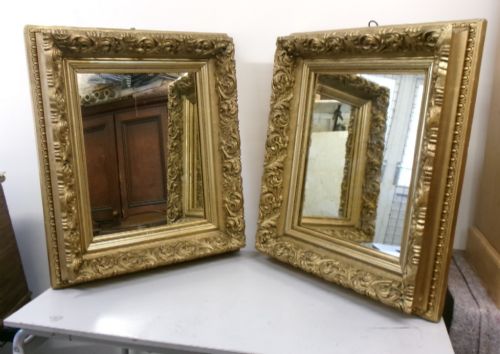


Antique Wall Glass
Antique wall glass encompasses mirrors, sconces, and barometers shaped by Georgian, Regency, and Victorian hands to reflect light and ornament rooms.
Antique Wall Glass
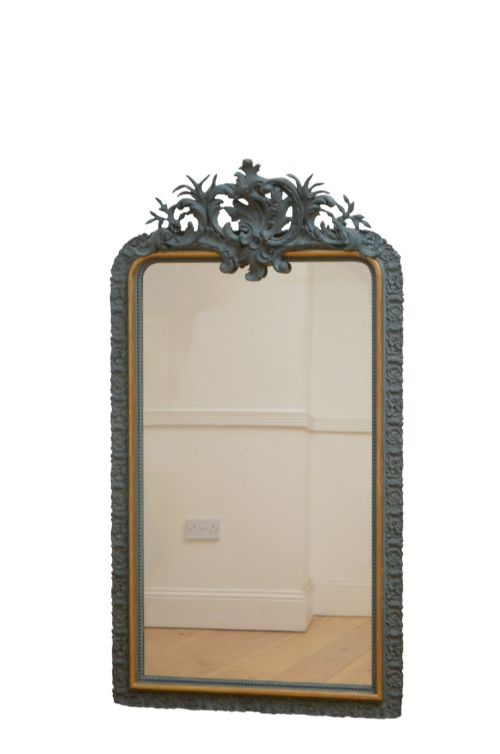
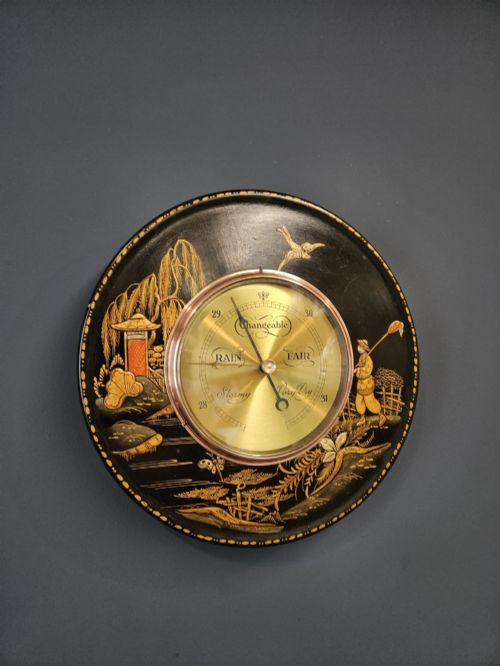
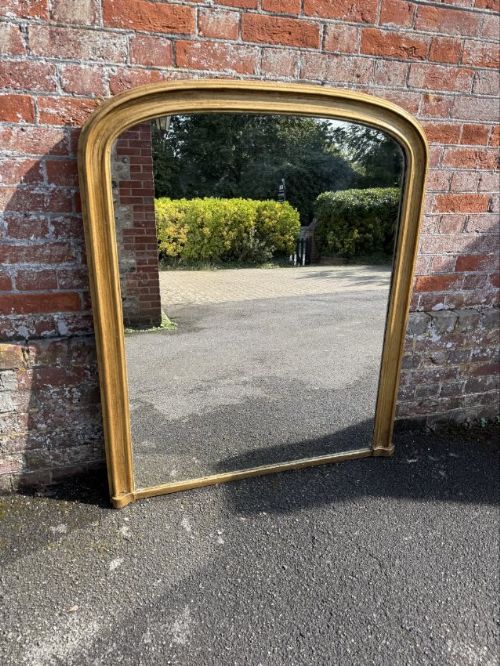
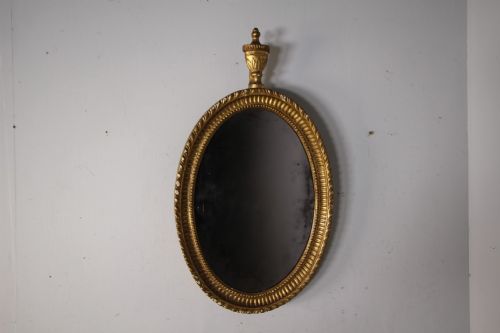
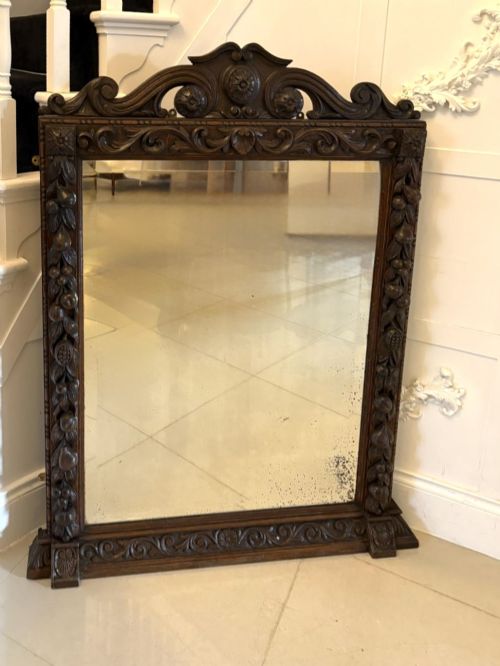
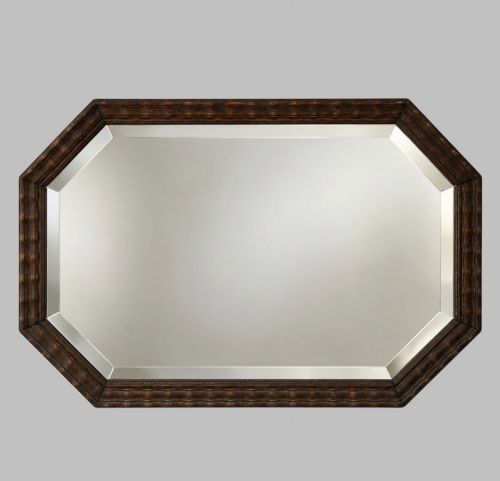
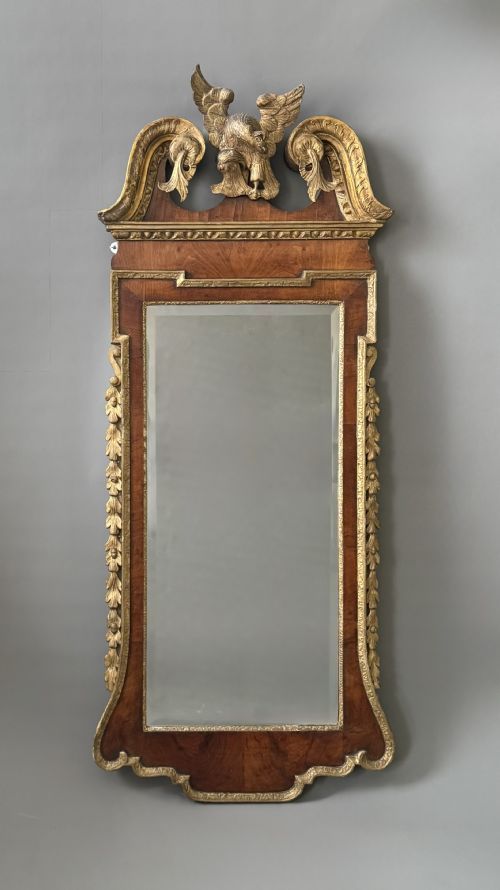
The selection centres on decorative wall mirrors, overmantel glasses, pier mirrors, and wall lights spanning the eighteenth, nineteenth, and early twentieth centuries. Buyers encounter French and English pieces, ranging from carved giltwood overmantels to mahogany fret frames and chrome Art Deco wall sconces.
Overmantel mirrors and pier glasses dominate the larger formats, designed to hang above mantelpieces or between windows to amplify daylight. Smaller wall sconces, barometers, and reverse glass prints provide functional and decorative accents across domestic interiors.
How they were made
Carved wood and gesso provide the structural foundations for ornate gilt frames, often enhanced with applied gold leaf or paint. Cabinetmakers utilised dense timbers such as mahogany, walnut, and oak for geometric and fretwork frames.
Mirror plates include early mercury glass and bevelled silvered glass, held within frames constructed from giltwood, brass, or chrome depending on the period.
Antique Wall Glass Retail Price Guide 2026
Typical asking prices for wall glass among the pieces listed under this phrase on Sellingantiques today, from the lower quarter to the upper quarter. They describe what is for sale here now, not the wider market.
Victorian taxidermy glass eyes preserved in wall cases offer an unusual alternative to standard domestic wall hangings.
What varies in quality
Depth and crispness of carving define the upper tier of frames, where gesso ornaments display sharp detailing rather than softened contours. The integrity of the original mirror plate, whether silvered glass or mercury backing, marks the distinction between untouched survival and later replacement.
Subtlety of gilding and proportion relative to scale separate standard production from exceptional salon pieces. Construction methods, such as joined frame corners and original backing boards, indicate workshop provenance.
Waring and Gillow·Charles Spooner·Fletcher
The Antique Wall Glass Glossary
- Giltwood
- Wood coated with fine gold leaf over a prepared gesso ground. This finish defines formal mirrors from the Georgian and Regency periods.
- Pier glass
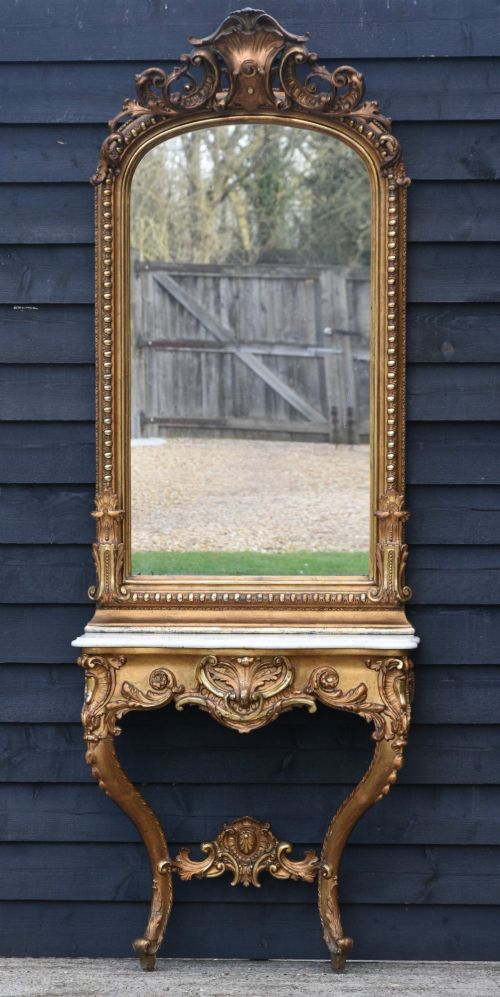
- A tall narrow mirror specifically designed to hang on the wall space between windows. These often coordinate with console tables placed below them.
- Overmantel mirror
- A wide horizontal looking glass built to sit directly above a fireplace mantel. They frequently incorporate arched or ornate shaped tops.
- Mercury glass
- An early form of mirror plate backed with an amalgam of tin and mercury before the modern silvering process was invented. It exhibits a characteristic mottled depth.
- Verre eglomise
- A cold decoration technique where designs are gilded and painted onto the reverse of glass panels. It appears on decorative plaques and frames.
- Fret mirror
- A wall mirror featuring a flat wooden frame cut with geometric or scrollwork frets using a fretsaw. These are typical of eighteenth-century English mahogany pieces.
Antique Wall Glass: Frequently Asked Questions
Are original mirror plates common?
Many eighteenth and nineteenth-century frames retain their original glass, which often displays minor foxing, spotting, or a slightly distorted reflection. These natural age marks confirm the authenticity of the piece.
Later replacement plates appear clearer and lack the characteristic ripple of antique mercury or early silvered glass. Collectors generally value the undisturbed character of an original plate.
What is a pier glass used for?
Pier glasses were originally manufactured to occupy the narrow strip of wall between two windows, reflecting natural light deeper into dark rooms. They frequently sat above matching console tables to create a unified decorative scheme.
Today, these tall and narrow formats suit hallway spaces or narrow wall panels where standard horizontal mirrors overwhelm the proportions.
How do I identify Regency mirrors?
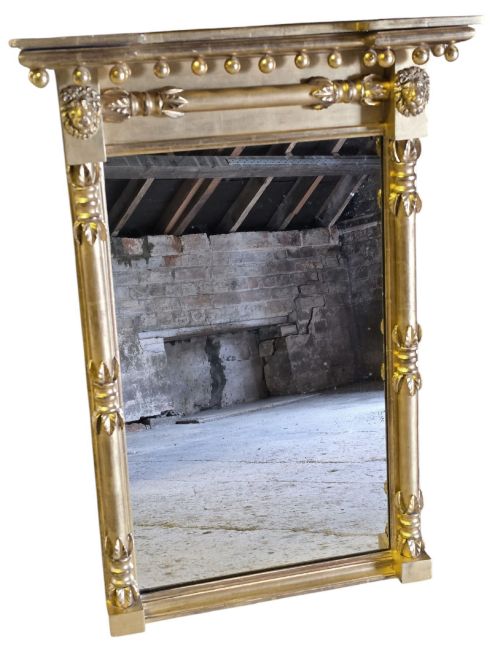
Regency wall mirrors often feature classical motifs such as ball-stud frames, ebonised reeded slips, and convex or pier glass plates. Gilt finishes combined with architectural lines reflect the neoclassical taste of the early nineteenth century.
Proportions tend to be balanced and restrained, distinguishing them from the later ornate excesses of Victorian revival styles.