

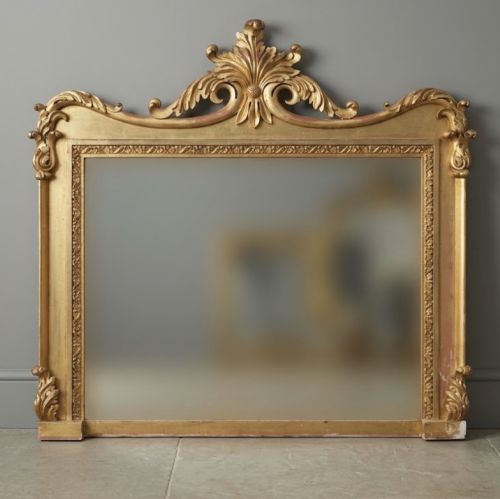
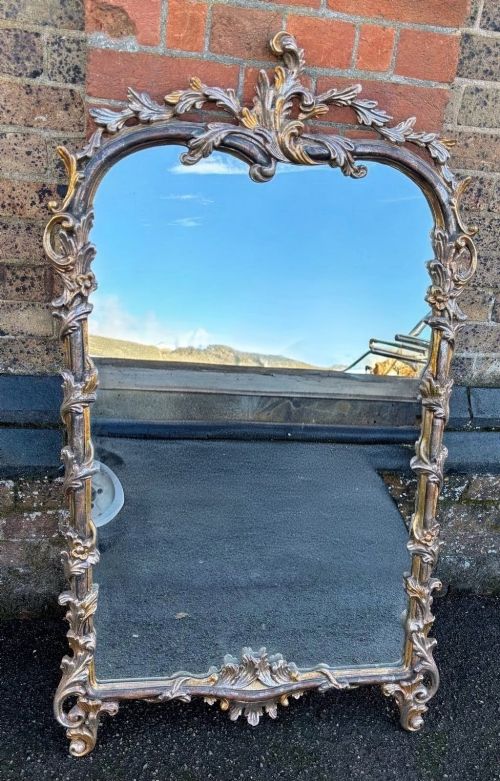
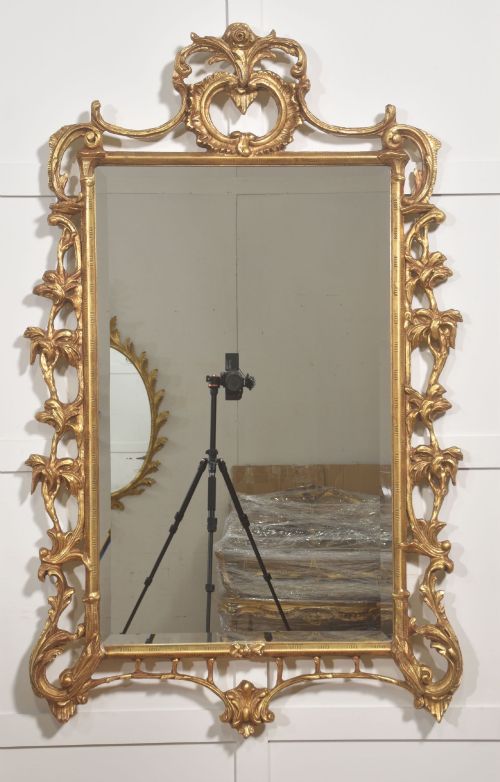
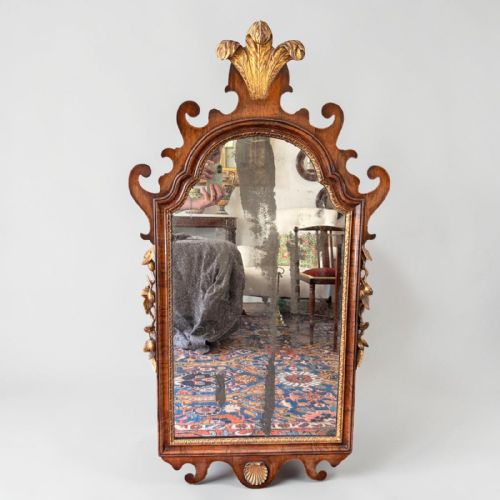
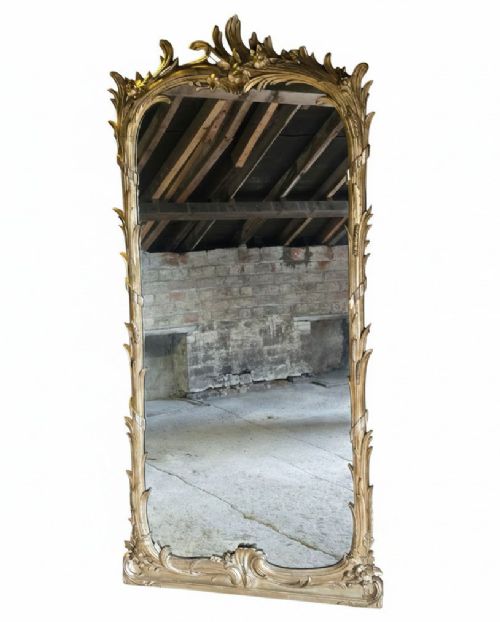

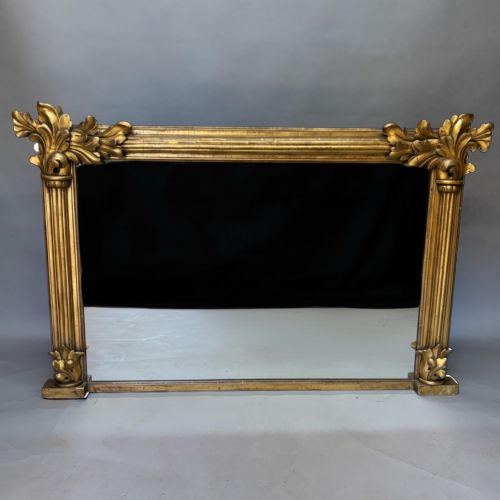

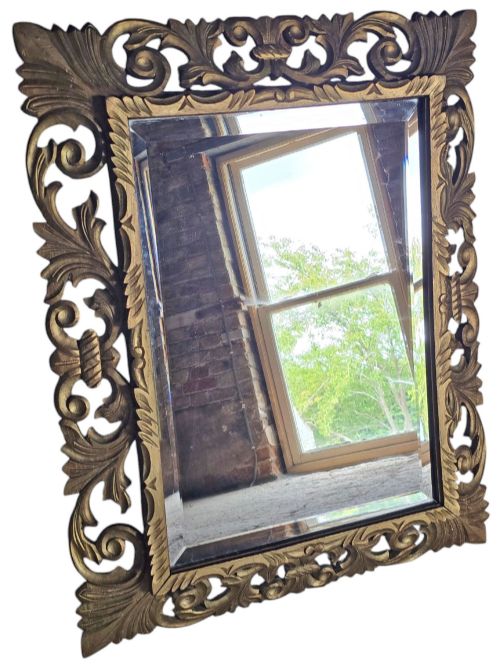
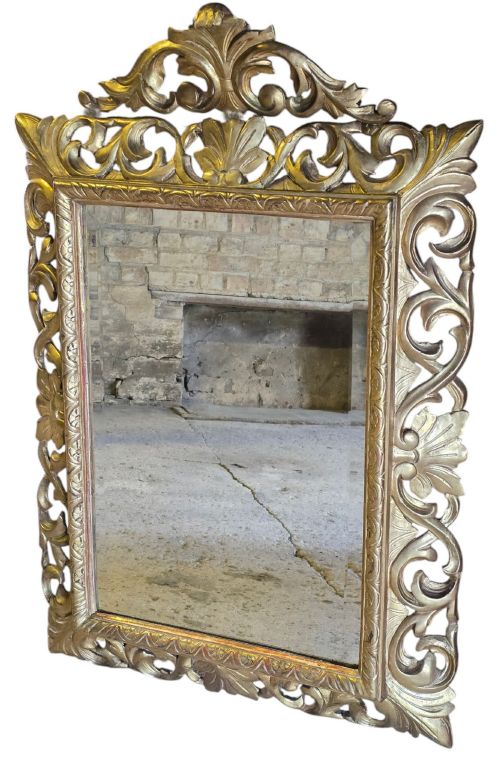
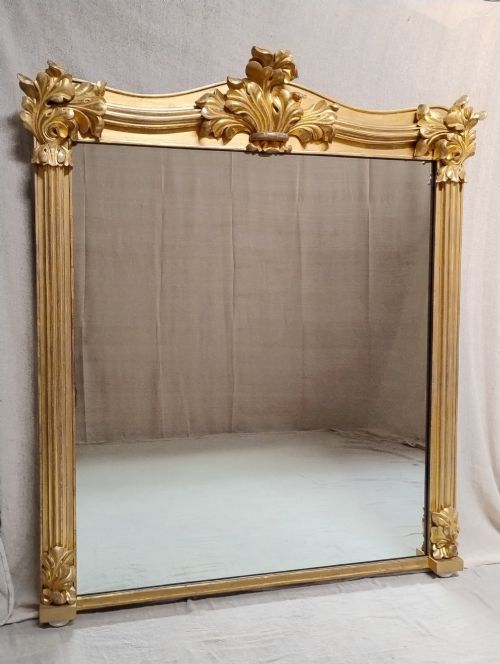
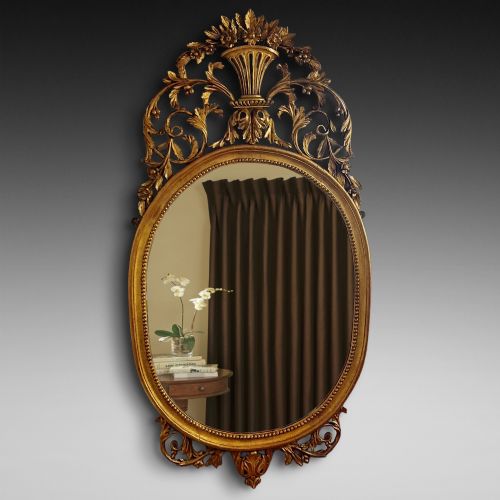
Carved Acanthus Mirror
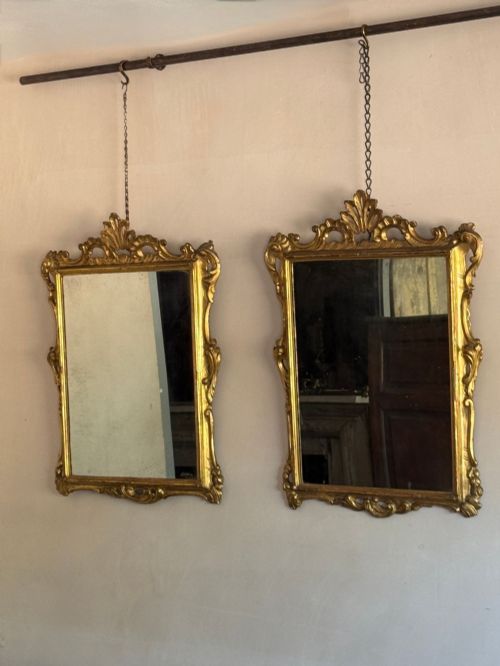
A carved acanthus mirror brings dynamic, scrolling foliage into a room through carved wooden frames finished in giltwood or gold leaf.
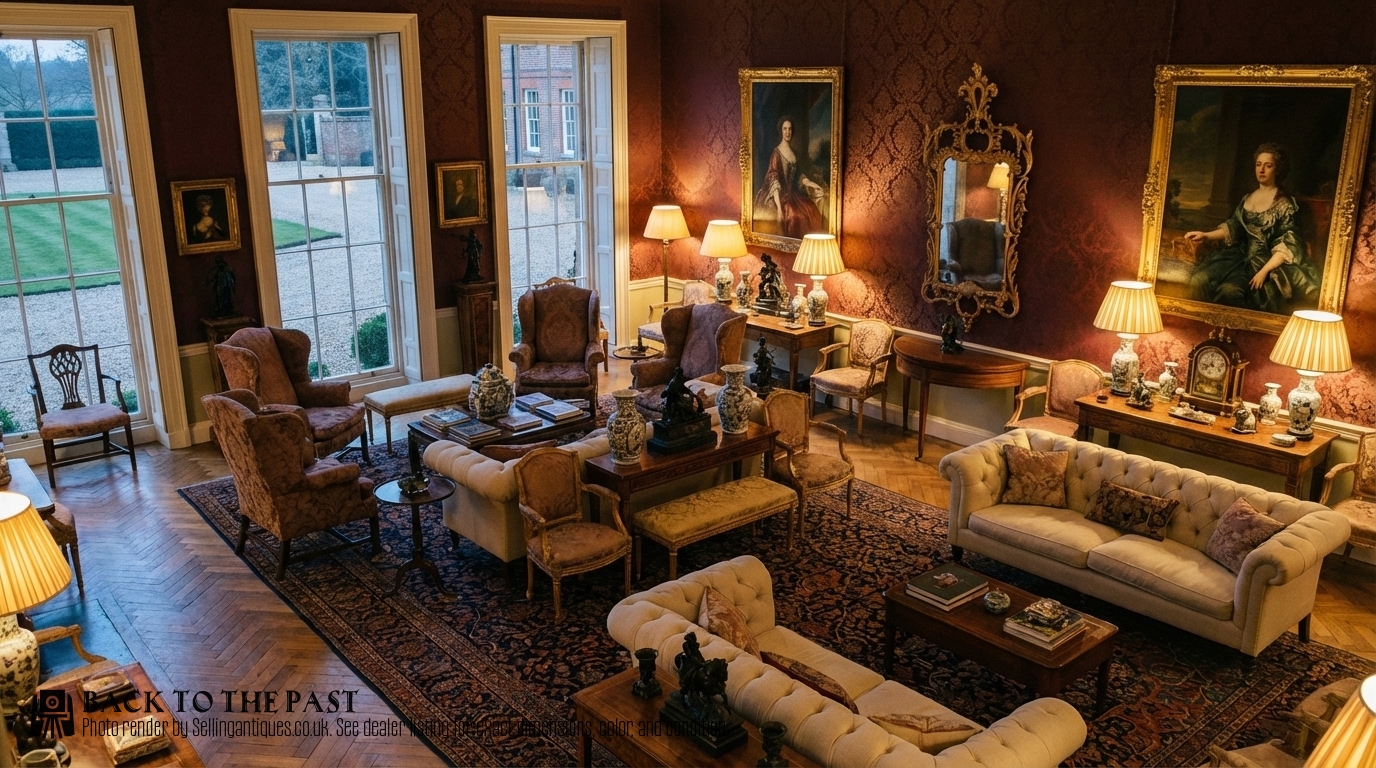
Carved Acanthus Mirror
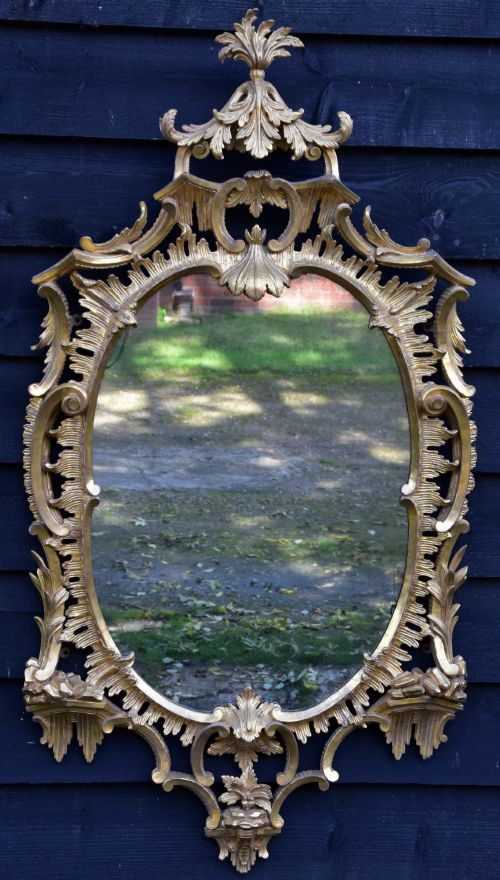
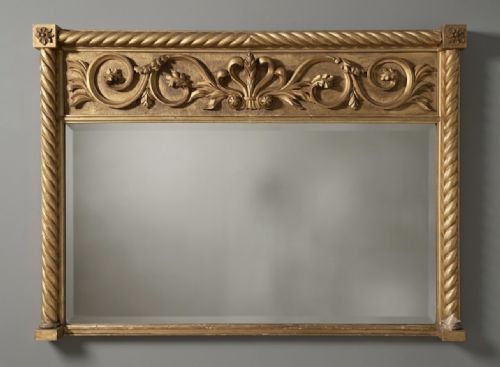
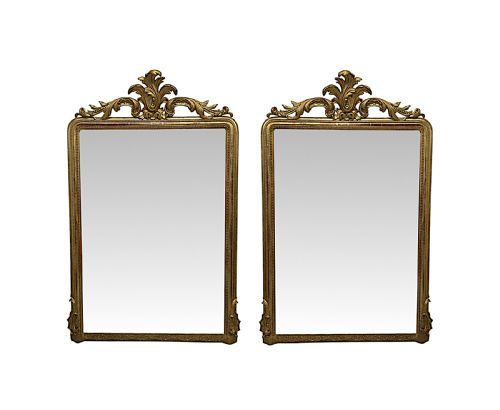
A carved acanthus mirror centres on the distinctive scrolling leaf foliage that defines classical and revival ornamentation. These pieces appear frequently as large overmantel mirrors, tall wall mirrors, and oval wall hanging pieces from the eighteenth, nineteenth, and early twentieth centuries. Originating primarily from English, French, and Italian workshops, the surviving examples demonstrate significant variety in scale, ranging from small proportioned Georgian frames to grand overmantel installations.
The dominant aesthetic draws heavily on Rococo, Baroque, and Florentine styles, where the acanthus leaf motif cascades around mirror glass and wooden panels. Pieces often emerge in specific regional variations, such as Italian Florentine giltwood frames or English Georgian and Victorian interpretations. Buyers encounter formats spanning rectangular archtop designs, ornate girandoles, cushion frames, and console table combinations.
Materials and Construction
Makers constructed these frames from timber substrates including oak, limewood, and general carved wood, which were subsequently prepared with layers of gesso to receive gilding. Surface finishes rely on gold leaf, silver and gold leaf combinations, or parcel gilt highlights applied over the carved wooden elements. The interplay between the carved wooden relief and the applied gesso creates the crisp edges characteristic of acanthus scrollwork.
Mirrors utilise traditional glass plates, occasionally recorded as bevelled mercury glass in earlier pieces, fitted behind carved wooden surrounds. Joinery and carving techniques reflect the period of origin, from hand-carved Italian limewood to eighteenth-century English giltwood construction.
Carved Acanthus Mirror Retail Price Guide 2026
Typical asking prices for carved acanthus mirror among the pieces listed under this phrase on Sellingantiques today, from the lower quarter to the upper quarter. They describe what is for sale here now, not the wider market.
The inventory records various forms including overmantel mirrors, girandoles, console table sets, and Florentine picture frames.
Judging Quality and Execution
Quality rests in the depth, crispness, and undercut relief of the carved acanthus foliage rather than surface shine alone. Master carvers achieved three-dimensional movement in the wooden scrolls, whereas lesser examples display flat, mechanical stamping or shallow surface moulding in gesso.
The cohesion of the design dictates the standing of a piece, observable in how the scrolling leaves frame the glass and terminate at the corners or crests. Superior proportioning in the wooden frame and the integration of original giltwood finishes separate workshop masterpieces from standard commercial production.
The Carved Acanthus Mirror Glossary
- Acanthus
- A Mediterranean plant motif translated into scrolling architectural ornamentation. Carvers use these stylized leaves to decorate the corners and crests of mirror frames.
- Giltwood
- Timber coated with gold leaf or metal powder over a prepared gesso base. This finish provides the characteristic metallic sheen seen on historical wall mirrors.
- Gesso
- A plaster-like mixture applied to wooden frames to provide a smooth surface for gilding. It allows carvers to refine fine details before applying gold leaf.
- Overmantel Mirror
- A large mirror designed specifically to hang above a fireplace mantel. These pieces frequently feature extensive carved crests and landscape formats.
- Girandole
- A decorative wall mirror fitted with attached candle sconces. The reflective glass enhances the light cast by the candles.
Carved Acanthus Mirror: Frequently Asked Questions
How do I hang a heavy antique overmantel mirror?
Large overmantel mirrors require professional wall anchoring directly into masonry studs or structural timber using heavy-duty brackets. The substantial weight of the timber and gesso construction demands secure load-bearing support.
Position the mirror at a height that complements the surrounding proportions of the room, ensuring the hanging hardware distributes the weight evenly across the frame.
What is the difference between Rococo and Florentine mirrors?
Rococo mirrors emphasise asymmetrical C-scrolls, shell motifs, and dynamic acanthus leaf arrangements that create a sense of fluid movement. The style originated in France and prioritizes curved, organic framing.
Florentine mirrors focus on dense, intricate carved wooden foliage, often featuring deep pierced work and elaborate crests originating from Italian workshops. They display a distinct regional emphasis on layered leaf work and continuous carved borders.
How should I clean a antique giltwood frame?
Dust giltwood frames gently using a very soft, dry brush to prevent disturbing the fragile gold leaf and gesso layers. Avoid commercial cleaning sprays, water, or abrasive cloths entirely.
Moisture can penetrate the gesso and cause the historic gilding to flake off the carved wooden substrate. Professional conservation is recommended for deep cleaning.
Are these mirrors suitable for bathrooms?
Historic giltwood and gesso mirrors react poorly to high humidity and direct moisture exposure. Bathrooms subject the organic wooden construction and water-soluble gesso bases to risk of deterioration.
Display these pieces in dry, stable living spaces, hallways, or dining rooms where temperature fluctuations remain minimal.