



Italian Baroque Mirror
An italian baroque mirror brings theatrical depth and gilded presence to a room, drawing the eye with elaborate carved ornament.
Italian Baroque Mirror
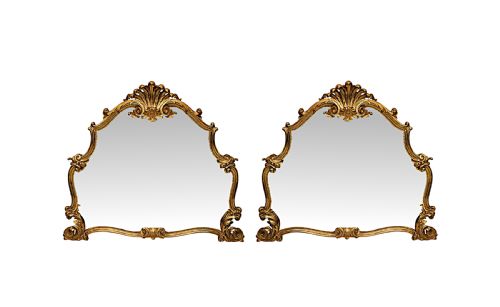
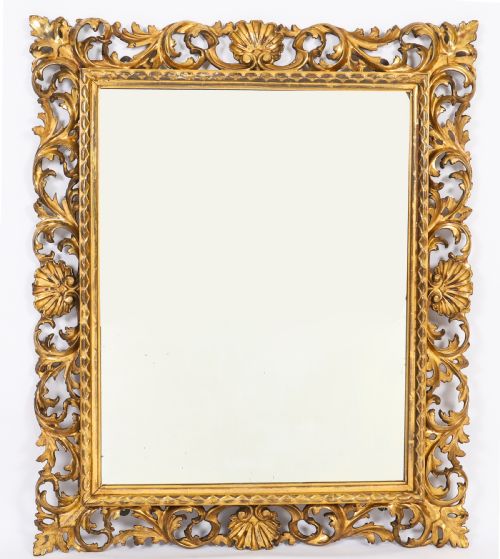
When you search for an italian baroque mirror, you encounter wall pieces, overmantles, and cushion frames originating primarily from the seventeenth, eighteenth, and nineteenth centuries. The examples met most frequently on this page date from the nineteenth century, often reflecting earlier baroque and rococo revivals through ornate, sculptural framing.
Forms range from grand rectangular and oval wall mirrors to smaller dressing glasses and reliquary pieces. Carved wood and gesso dominate the selection, bringing dramatic architectural shapes and scrollwork into domestic interiors.
Materials and Technique
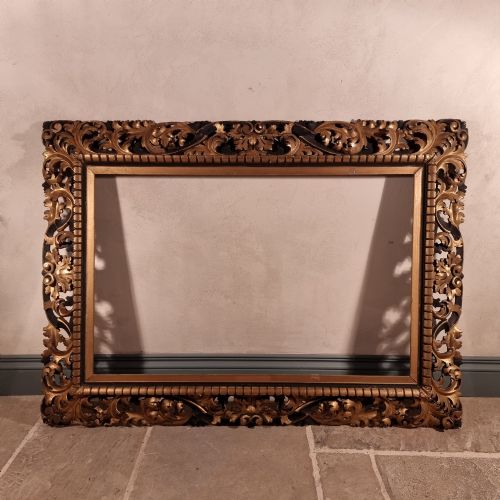
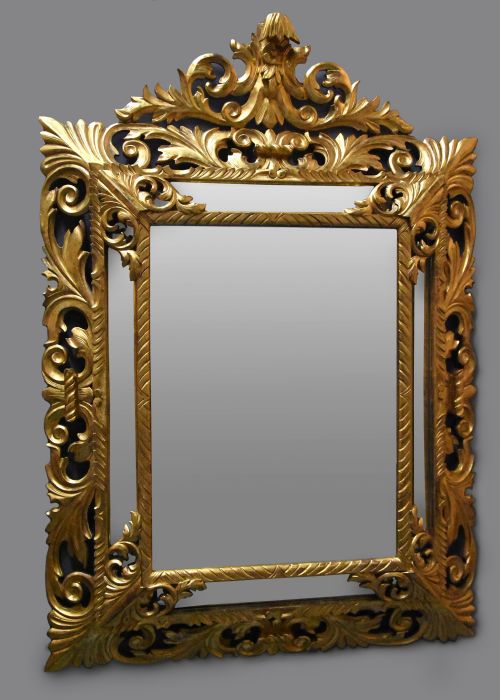
Artisans built the structural foundations of these pieces using carved wood, limewood, and gesso before applying surface finishes. Gilding involved layers of gold leaf or silver leaf applied over prepared grounds to catch candlelight and natural daylight.
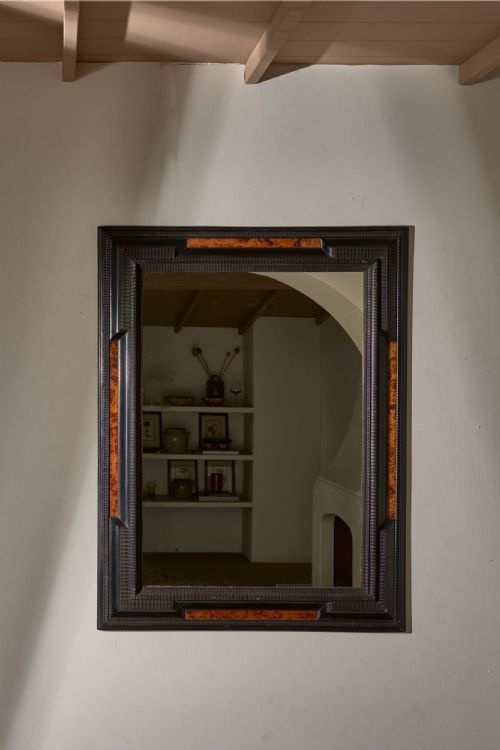
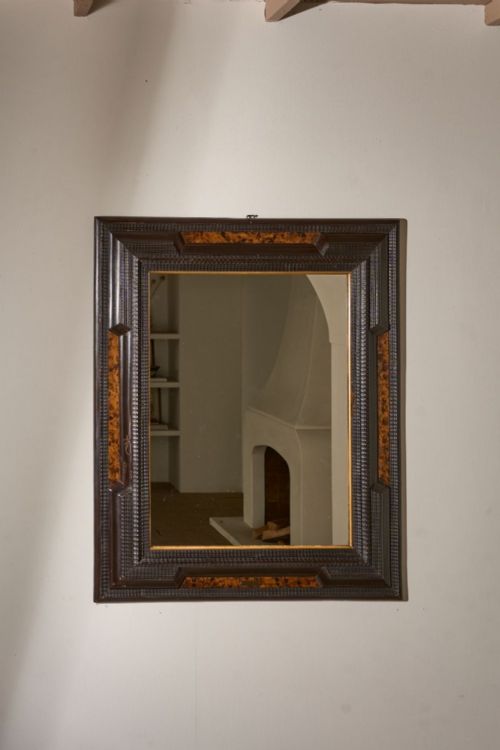
Surfaces also display ebonised and faux tortoiseshell treatments alongside hand-painted details. Mirror glass plates are set within deeply profiled frames, secured by traditional joinery methods suited to heavy carved surrounds.
Italian Baroque Mirror Retail Price Guide 2026
Typical asking prices for italian baroque mirror among the pieces listed under this phrase on Sellingantiques today, from the lower quarter to the upper quarter. They describe what is for sale here now, not the wider market.
Materials record traditional techniques, featuring gold leaf, silver leaf, ebonised wood, and hand-painted decorative surfaces.
Distinctions in Execution
Depth and crispness of the hand-carved ornament dictate the standing of an individual piece. Workmanship that maintains sharp undercut foliage and expressive scrolls separates master carvers from standard production.
The integrity of the original giltwood surface, preserved beneath centuries of light wear, holds greater weight than restored or refinished framing. The weight and complexity of the wooden carcass itself also indicate the ambition of the original workshop.
The Italian Baroque Mirror Glossary
- Giltwood
- Wood covered with a thin layer of gold leaf. This finish defines the reflective warmth characteristic of traditional frames.
- Gesso
- A plaster mixture applied to wood surfaces as a base for gilding. It allows artisans to carve fine details before applying gold leaf.
- Girandole
- A branched wall mirror designed to hold candles. The reflective glass multiplies the flickering light within a room.
- Pier glass
- A tall mirror designed to hang on the wall between windows. These pieces filled narrow wall spaces in period drawing rooms.
Italian Baroque Mirror: Frequently Asked Questions
Where should I hang a large giltwood mirror?
These pieces suit reception rooms, halls, and above mantelpieces where their reflective glass expands the sense of space. Placing them opposite a window maximises the diffusion of natural light.
Ensure the wall structure supports the substantial weight of carved wood and gesso frames. Proper picture hooks rated for heavy items are essential for secure mounting.
How do I care for antique gilt surfaces?
Dust the carved ornament gently with a soft, dry brush to prevent accumulation in recessed areas. Avoid liquid cleaners, polishes, and moisture, which damage delicate gold leaf.
Keep the mirrors away from direct heat sources and damp environments to protect the underlying wooden substrate and gesso layers from cracking.
What defines the baroque style in mirrors?
Baroque design emphasises dynamic movement, grandeur, and theatrical asymmetry through bold sculptural carvings. Expect robust scrolls, acanthus leaves, and winged figures surrounding the glass.
Later nineteenth-century revival pieces adopted these same dramatic vocabularies, combining seventeenth-century motifs with contemporary framing techniques.
Are these mirrors original to the periods stated?
The listings span genuine seventeenth and eighteenth-century examples alongside nineteenth-century revival pieces made in historic styles. Craftsmanship, wood ageing, and construction methods help distinguish the original period pieces from later interpretations.
Examining the backboards, fixings, and gesso application reveals the age of the carcass and any subsequent restorations.