

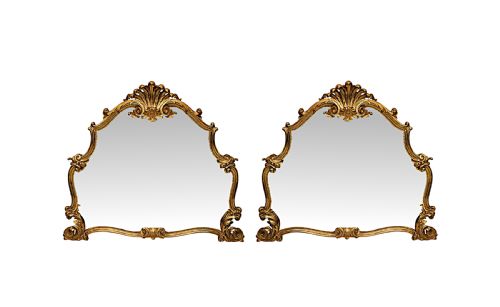
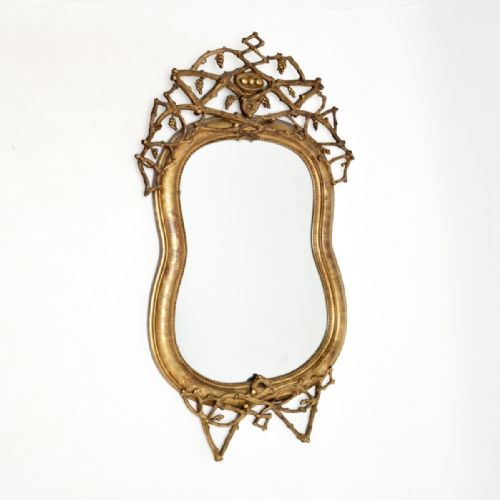

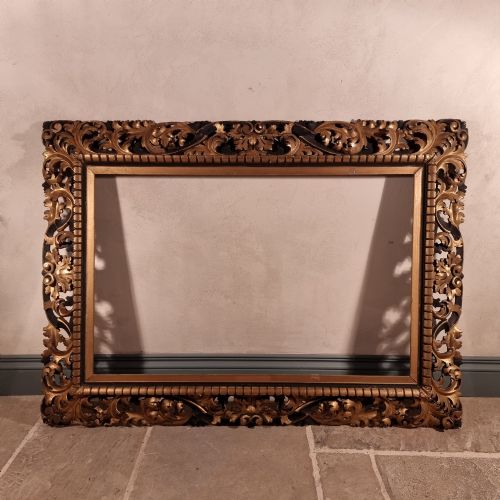
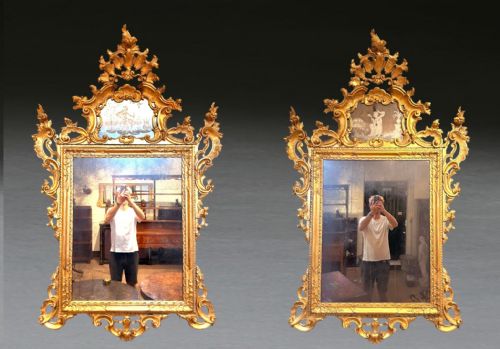
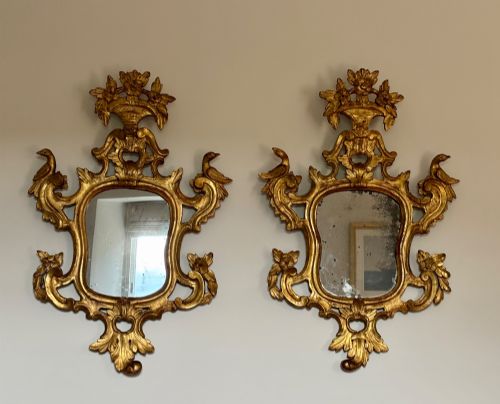
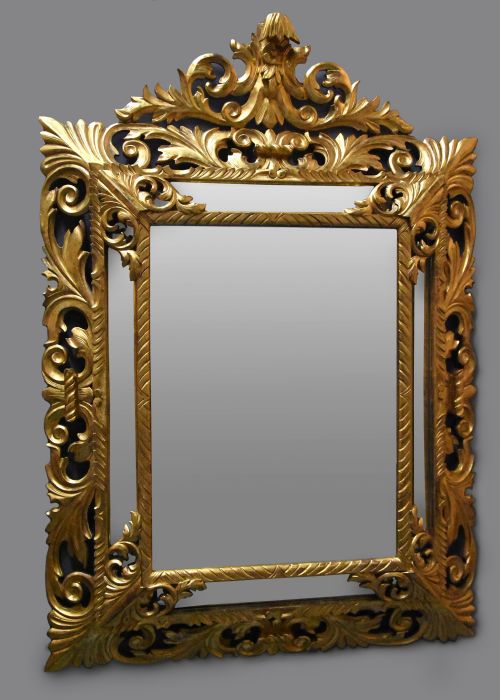
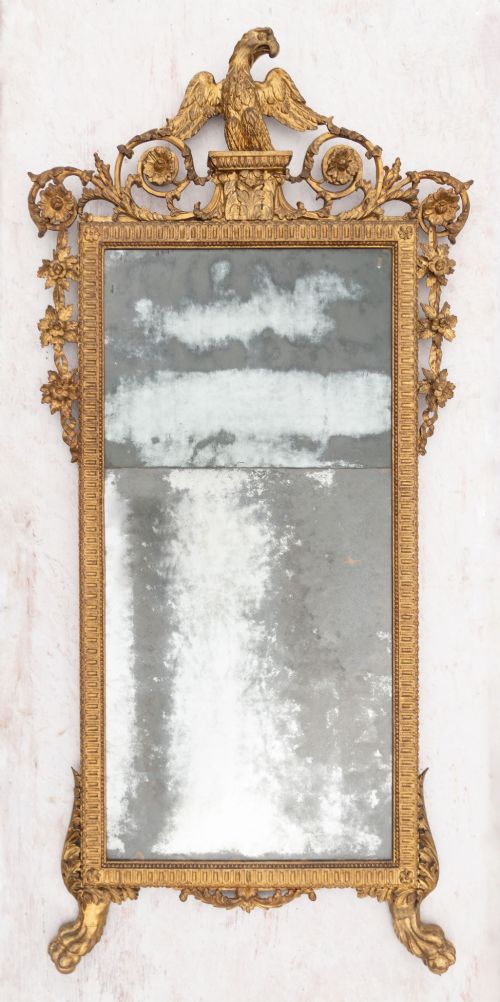
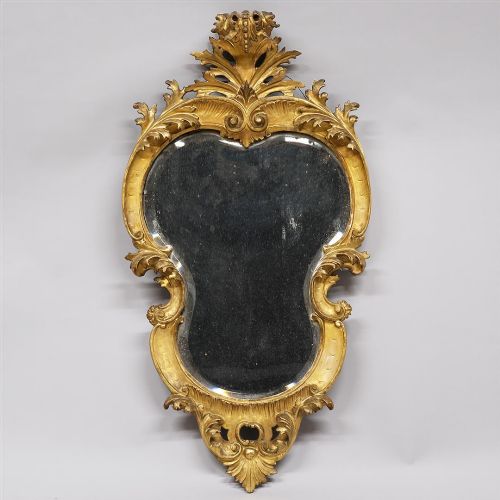
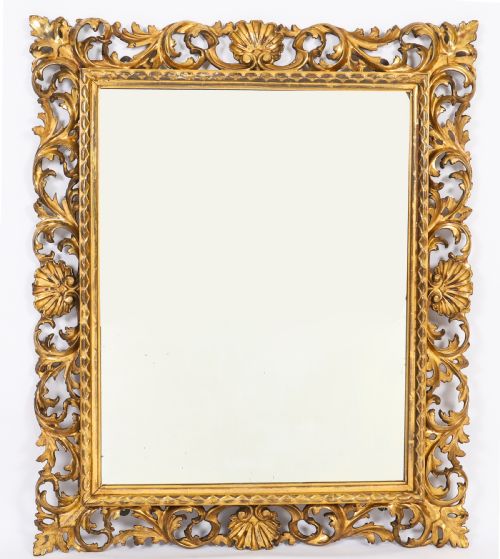

Italian Carved Mirror
An italian carved mirror brings dramatic continental flair to a room, combining exuberant carving with reflective depth.
The Italian Carved Mirror
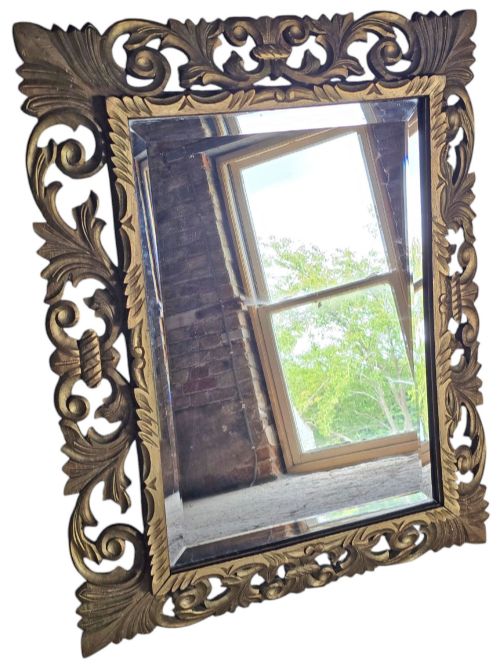
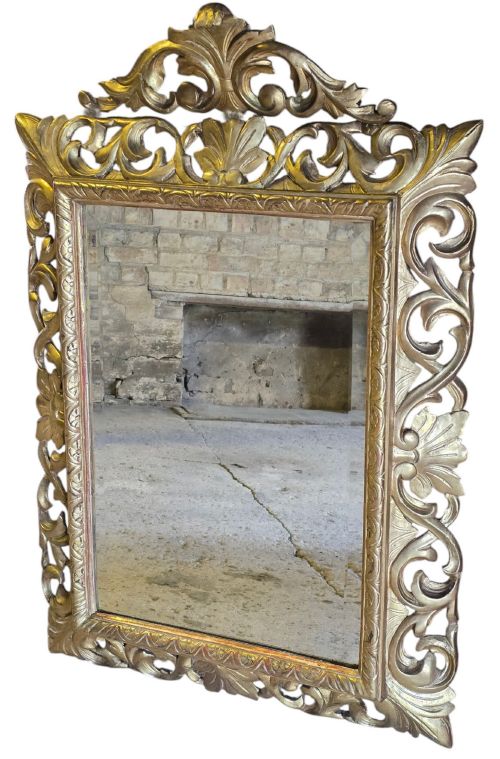
When searching for an italian carved mirror, buyers encounter wall-hung rectangular, oval, and shaped frames dating from the eighteenth century through to the early twentieth century. These pieces serve primarily as decorative wall mirrors, overmantels, or dressing mirrors, often executed in grand proportions.
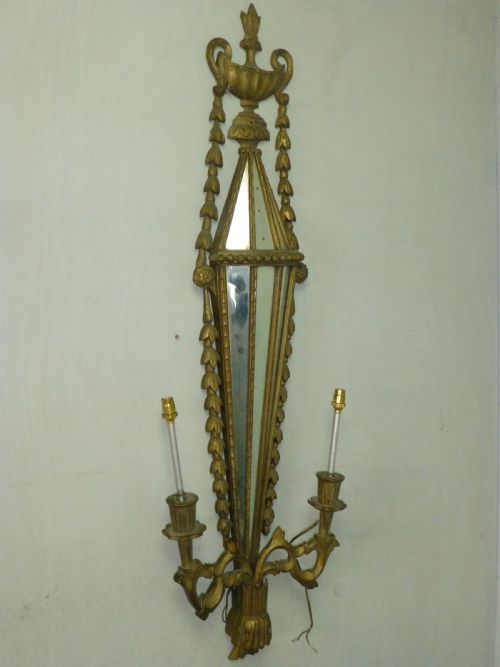
The aesthetic draws heavily on historical design languages, with Italian Baroque, Rococo Revival, and Neoclassical styles appearing frequently across the archive and current selection. Pieces range from large Florentine designs to pier mirrors and console companions.
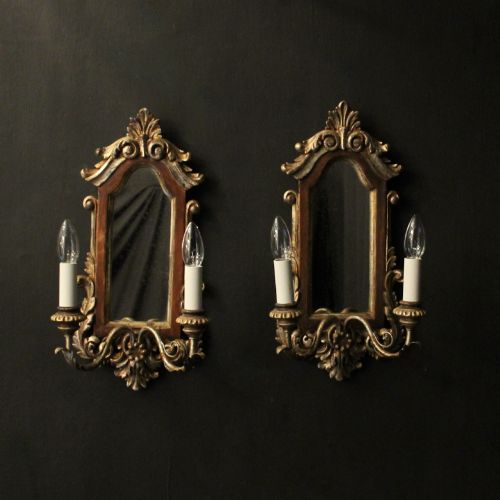
Makers and workshops across Italy produced these items to suit domestic and formal interiors alike, utilising local timbers and traditional decorative schemes. The survival of pairs and large-scale overmantels indicates their original placement in substantial rooms.
Materials and Construction
The foundation of these frames relies upon carved wood, including pine, limewood, and general timber, shaped by hand before receiving decorative surfaces. Gesso is frequently applied beneath the finish to build up crisp relief work and sculptural details.
Surfaces are finished in gold leaf, silver leaf, gilt wood, or painted and parcel gilt schemes, creating rich reflective qualities that interact with the glass. Original bevelled glass and silvered ribbed frames also appear in the record.
Retail Price Guide 2026
Typical UK retail prices for italian carved mirror, calculated from the Sellingantiques database of over a million retail prices indexed since 2003. This retail price guide relies exclusively on Sellingantiques data; no external sources or auction records are used, so the figures do not describe the wider market.
The selection includes pieces spanning from the eighteenth century through to the 1930s, utilising materials such as gesso, gold leaf, and carved pine.
Assessing Quality
Quality rests in the depth, crispness, and confident execution of the carved wood and gesso ornamentation. A superior frame shows fluid movement in its rococo scrolls or architectural precision in its neoclassical lines, rather than static or shallow relief.
The integrity of the surface finish dictates visual success, where layers of gold leaf, silver leaf, or original paint have aged harmoniously over the timber. Original glass plates with period bevels further distinguish the finest examples.
The Italian Carved Mirror Glossary
- Giltwood
- Wood that has been coated with gold leaf or gold paint. This technique provides a luminous surface that catches candlelight or daylight.
- Gesso
- A plaster-like mixture applied to wood frames to create a smooth base for carving or gilding. It allows for intricate, sharp relief decoration.
- Pier Mirror
- A tall mirror designed to hang on the wall between two windows. They often match console tables and reflect light deep into a room.
- Overmantel Mirror
- A wide mirror made to sit directly above a fireplace mantel. These pieces frequently feature landscape proportions and substantial carved frames.
Frequently Asked Questions
Where should I hang an Italian carved mirror?
These mirrors suit principal reception rooms, hallways, or above fireplaces where their reflective glass and carved frames can command the space. Placing them opposite a window maximises the natural light they bring into the interior.
Ensure the wall construction supports the considerable weight of timber and gesso frames, particularly for larger overmantel or pier variants.
How do I identify a Rococo style frame?
Rococo style frames display asymmetrical C-scrolls, S-scrolls, foliage, and naturalistic shell motifs executed with dynamic energy. The carving appears fluid and exuberant, avoiding strict symmetry.
This aesthetic dominated mid-nineteenth-century revivals as well as earlier periods, often finished in bright giltwood or painted highlights.
What is the difference between giltwood and painted mirrors?
Giltwood mirrors feature metallic gold or silver leaf applied over gesso and bole, producing a brilliant reflective metallic sheen. Painted mirrors utilise pigment over the wood or gesso base, sometimes combined with parcel gilt details.
Both finishes were popular across different Italian regions and eras, depending on the prevailing interior fashion.
How do I care for antique carved wooden frames?
Dust the carved elements gently with a soft, dry brush to prevent dirt accumulation in the recesses of the gesso and wood. Avoid liquid cleaners or polishes that might degrade delicate gold leaf or historic paint layers.
Keep the mirror away from direct sunlight and damp environments to protect the structural integrity of the timber and backing.