
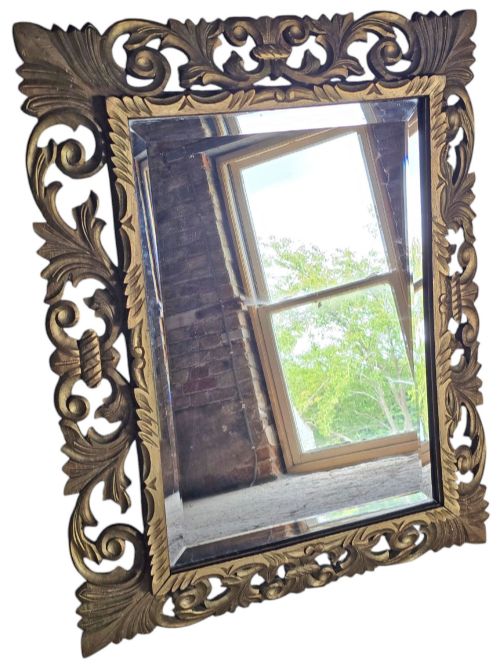

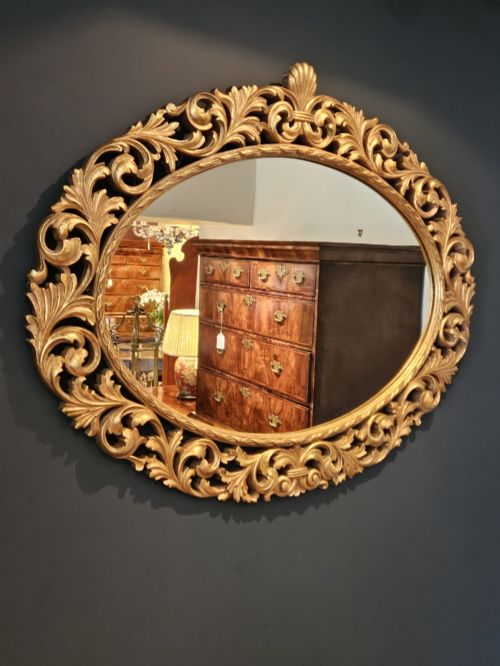
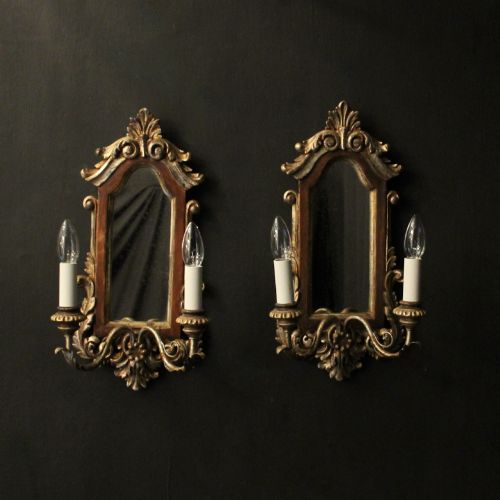
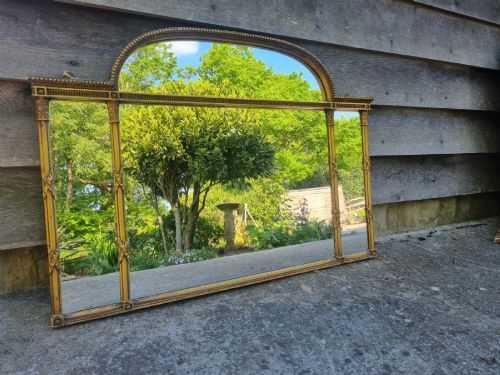
Gilt Decorative Wall Mirror
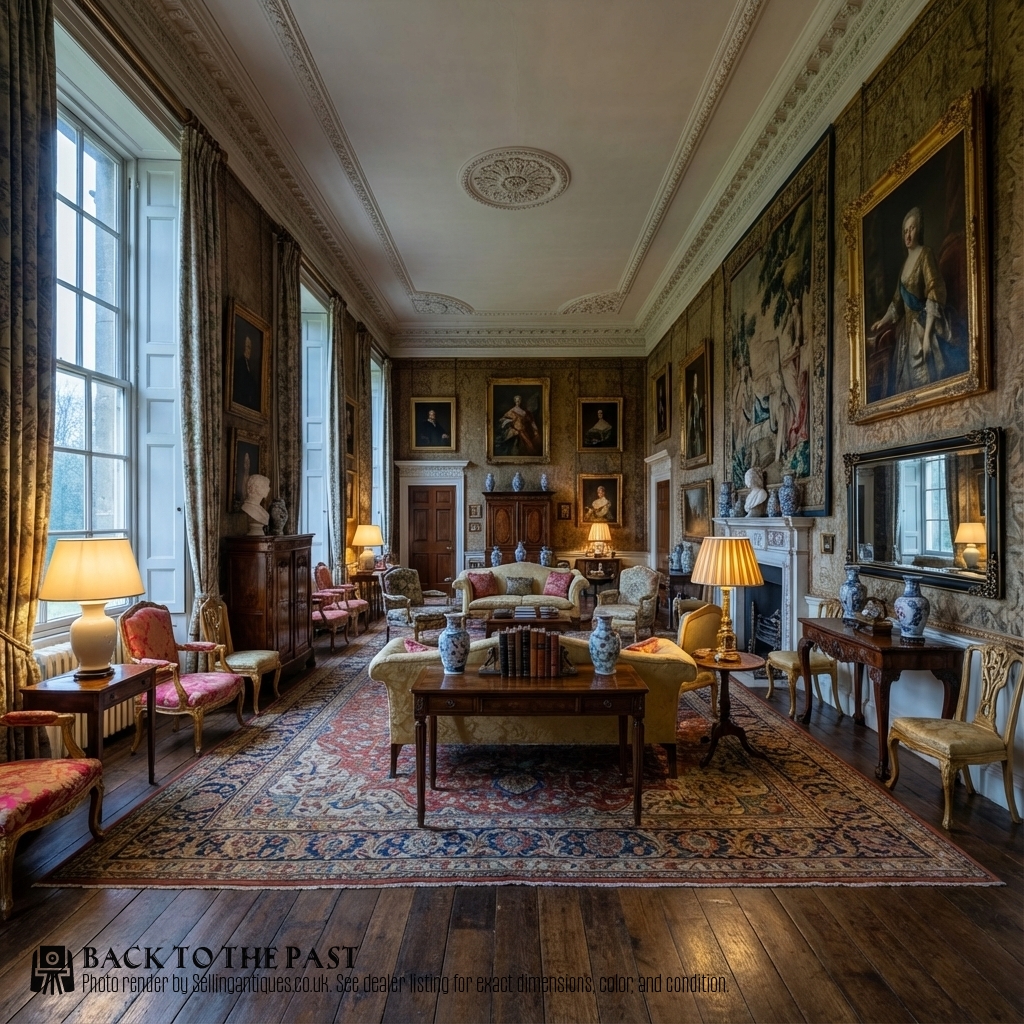
A gilt decorative wall mirror brings warmth and reflective depth to a room, catching the light through ornate carved or moulded frames.
What a gilt decorative wall mirror is
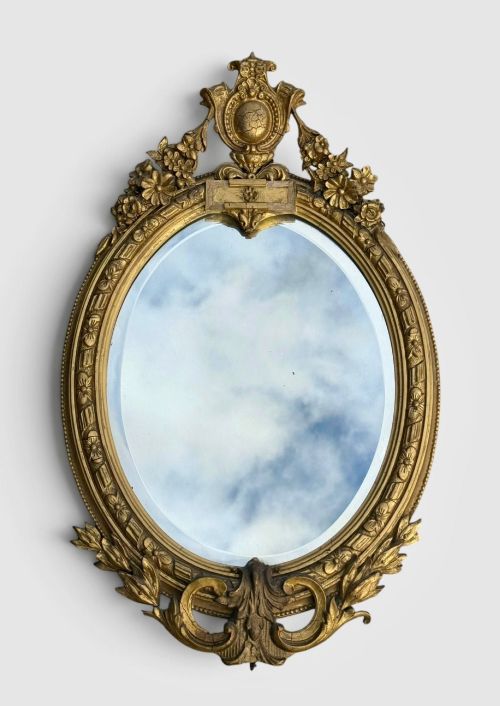
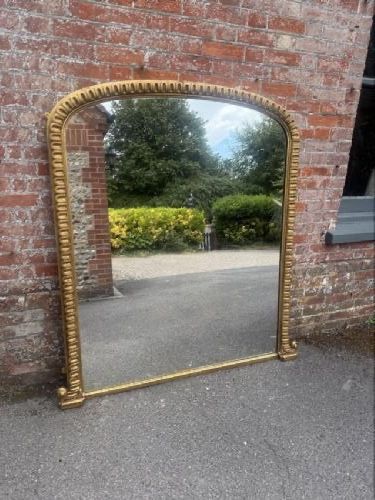
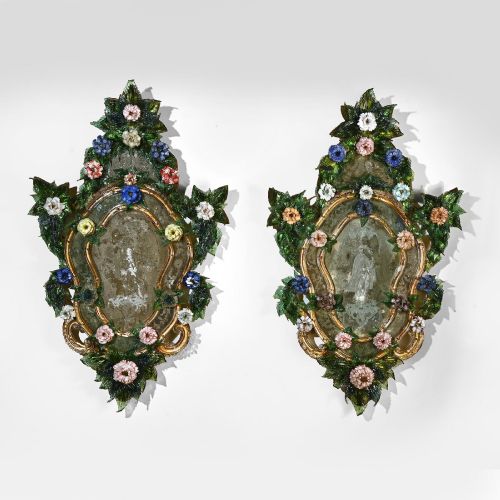
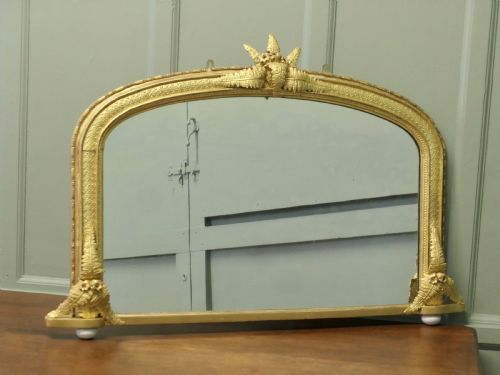
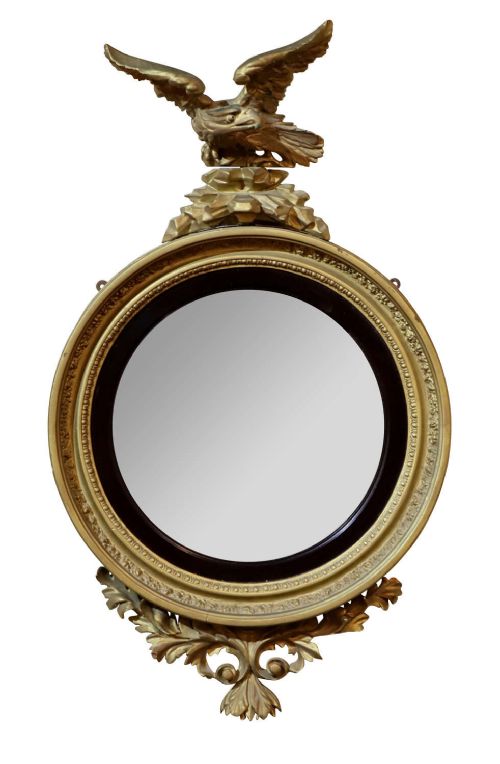
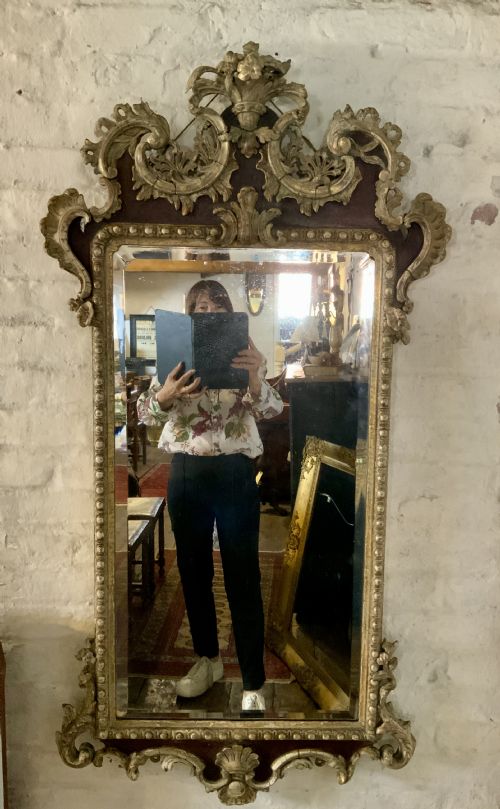
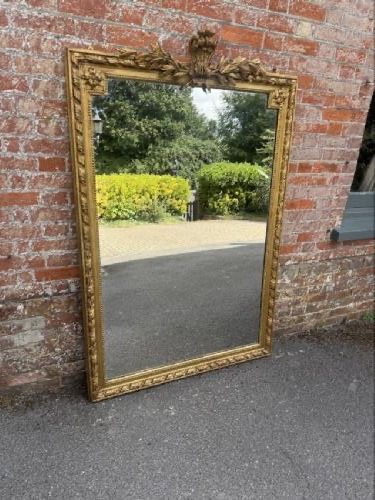
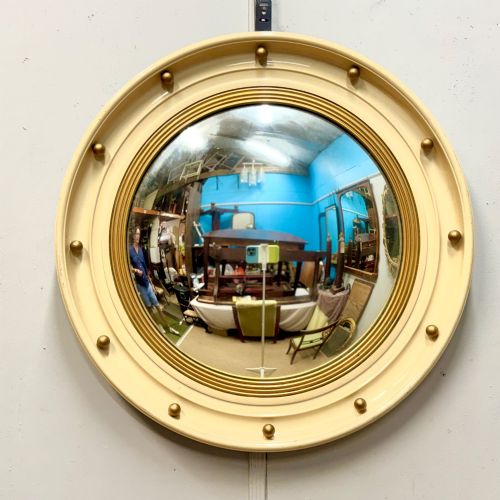
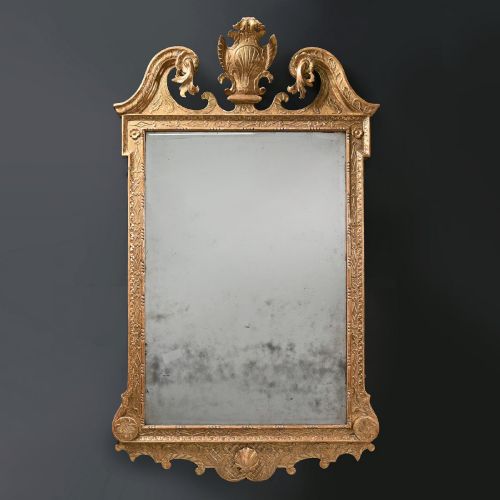
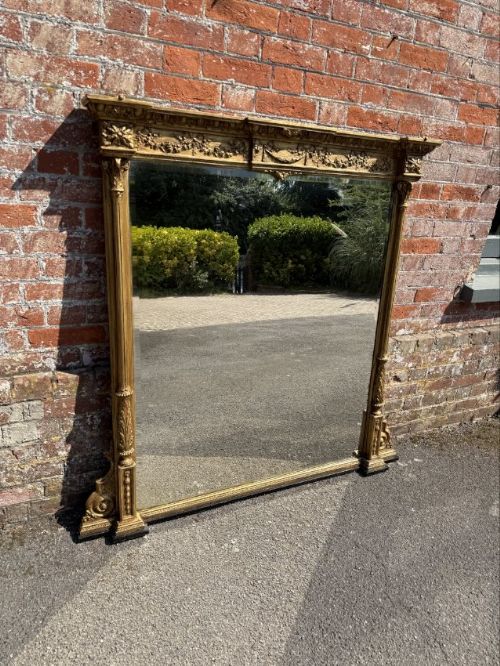
When searching for a gilt decorative wall mirror, collectors encounter an array of wall mirrors and larger overmantel mirrors spanning several centuries. The selection ranges from substantial Victorian and 19th century pieces to earlier 18th century George II examples and distinct regional styles such as Italian Rococo Revival and French Baroque.
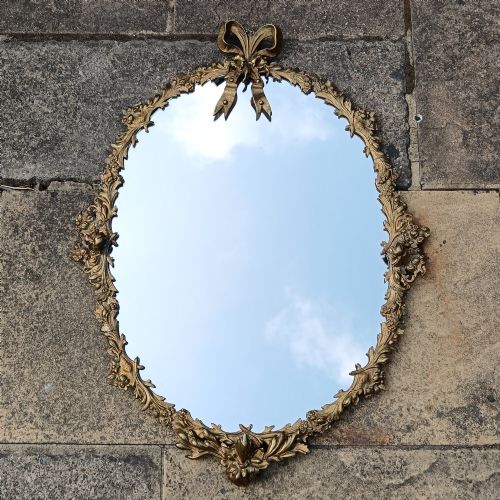
The version most commonly met on this page is the 19th century wall mirror or overmantel mirror, frequently featuring intricate ornamentation like fruiting vines, cherubs, doves, or flower mouldings. These frames often display painted finishes combined with gold leaf or composition, offering various rectangular, arched, or oval forms.
How they were made
The construction of these frames relies on timber foundations, including carved wood, painted wood, and ebonised wood, layered with gesso or plaster to build up intricate relief details. Artisans then applied gold leaf, composition, or gilt metal to create the reflective surface of the frame.
Mirrors such as French gilt examples utilise techniques involving two colour gilt, silvered borders, or distressed painted finishes alongside traditional glass plates.
Retail Price Guide 2026
Typical UK retail prices for gilt decorative wall mirror, calculated from the Sellingantiques database of over a million retail prices indexed since 2003. This retail price guide relies exclusively on Sellingantiques data; no external sources or auction records are used, so the figures do not describe the wider market.
French frames occasionally incorporate tiny sculpted cherubs and doves hiding amongst the floral mouldings.
What varies in quality
The distinction between standard examples and the finest pieces lies in the depth and precision of the hand-carved woodwork compared to moulded composition ornament. Superior items exhibit crisp detail in motifs such as fruiting vines or floral mouldings, whereas lesser pieces rely on heavier, uniform plaster casts.
The handling of the gilding further separates the range, with original gold leaf and layered two colour gilt surfaces offering a richer ageing process than flat or later repainted finishes.
The Gilt Decorative Wall Mirror Glossary
- Giltwood
- Wood that has been coated with gold leaf or gold paint. This finish provides the characteristic metallic sheen seen on antique frames.
- Gesso
- A plaster mixture applied to wood frames to create a smooth surface for carving or moulding details. It forms the base layer for subsequent gilding.
- Overmantel mirror
- A large mirror designed to hang specifically above a fireplace mantel. These pieces often feature wide horizontal proportions suitable for domestic interiors.
- Composition
- A moulded material made from whiting, linseed oil, resin, and glue. It was pressed into moulds to create decorative frame ornaments.
- Pier glass
- A tall mirror designed to be placed on the wall between windows. This form maximised light reflection in period rooms.
Frequently Asked Questions
How do I hang a heavy overmantel mirror?
Heavy overmantel mirrors require secure anchoring directly into wall studs or masonry using appropriate weight-bearing brackets. Professional installation ensures the substantial frame is safely supported.
Given the weight of timber and gesso construction, checking the wall structure before hanging prevents any strain on the frame joints.
What is the difference between gesso and carved wood?
Carved wood involves shaping the timber frame directly with chisels and gouges to form the desired relief. This technique represents traditional high-end craftsmanship.
Gesso is a plaster mixture applied over a simpler wooden base to hold moulded ornament. It allows for intricate decorative details without the labour of deep carving.
How do I clean an antique gilt frame?
Dusting the frame gently with a soft, dry brush removes surface particles without disturbing the delicate gold leaf or composition. Avoid using water or chemical cleaners.
Moisture can damage older gesso and painted finishes, so dry maintenance remains the safest method for preserving the antique surface.
Are these mirrors fitted with original glass?
Some pieces retain their original glass plates, which often display characteristic silvering loss and minor foxing. These signs indicate age and authenticity.
Replacement glass may appear clearer and more uniform, which occurs when mirrors are updated for practical use over the centuries.
How do I date a 19th century mirror?
Dating relies on examining the construction materials, frame style, and backing boards. Victorian and 19th century pieces often utilise composition ornaments and specific painted or ebonised finishes.
Comparing the decorative motifs, such as French Baroque scrolls or Victorian floral mouldings, against known period styles helps narrow the date.