
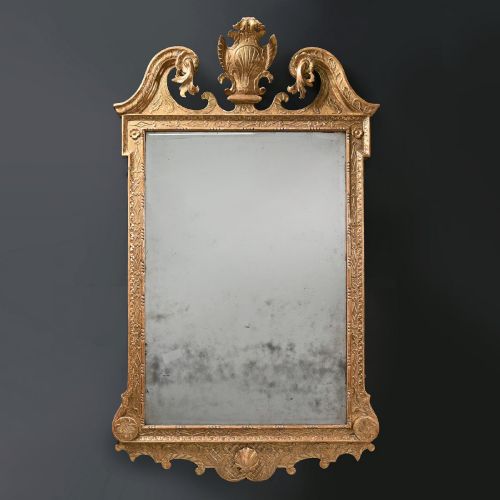

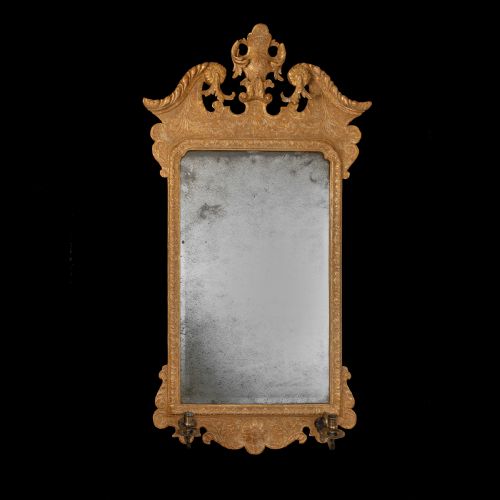


George II Wall Mirror
A george ii wall mirror carries the bold architectural lines and rich carved details typical of mid-eighteenth-century design.
George II Wall Mirror
A george ii wall mirror represents a significant form of interior furnishing spanning the eighteenth century and subsequent nineteenth-century revival periods. These pieces appear primarily as wall mirrors, pier mirrors, and overmantel mirrors designed to reflect light and punctuate wall space.
How They Were Made
Craftsmen shaped these frames from solid timbers such as walnut and mahogany, frequently applying thin layers of gesso to carve intricate motifs before laying gold leaf. Parcel-gilt accents highlight specific carved details against dark wood grains or painted surfaces.
Glass plates were hand-silvered and fitted into the rabbet behind wooden mouldings, occasionally surviving in their original form. Joinery methods utilised traditional pegged mortise and tenon frames to support heavy glass panels.
George II Wall Mirror Retail Price Guide 2026
Typical asking prices for george ii wall mirror among the pieces listed under this phrase on Sellingantiques today, from the lower quarter to the upper quarter. They describe what is for sale here now, not the wider market.
Listings feature walnut, mahogany, and giltwood frames spanning the eighteenth and nineteenth centuries.
What Varies in Quality
The depth and crispness of the carved gesso and giltwood ornament separate standard production from master craftsmanship. Subtle undercut details in foliage and architectural mouldings indicate superior hand-carving skill.
The selection of timber grain, particularly figured walnut or burr walnut veneers, dictates visual richness. Originality of the mirror glass plate and backboards adds historical integrity to the piece.
Benjamin Goodison·William Kent
The George II Wall Mirror Glossary
- Giltwood
- Wood carved and coated with gold leaf. This finish defines many formal mirrors of the period.
- Gesso
- A plaster-like mixture applied to wood frames to create a smooth surface for intricate carving. Artisans build up layers before gilding.
- Parcel-gilt
- Partially gilded woodwork where specific decorative elements shine in gold against a contrasting wood background.
- Pier Mirror
- A tall mirror designed specifically to hang on the wall space between windows. These tall forms maximise natural light.
- Overmantel Mirror
- A wide mirror intended to sit directly above a fireplace mantelpiece. Their horizontal proportions balance the hearth below.
George II Wall Mirror: Frequently Asked Questions
Where should I hang a pier mirror?
Pier mirrors work best on narrow expanses of wall between windows, echoing their original architectural purpose of reflecting daylight.
Ensure the hanging height aligns with surrounding furniture to maintain correct visual proportions in the room.
How do I spot a revival piece?
Nineteenth-century revival mirrors often feature machine-sawn timber and different backboard construction compared to eighteenth-century originals.
Examine the patination of the gilt and the construction joints behind the frame for clues to the true age.
Why choose walnut over giltwood?
Walnut frames display warm timber grain and subtle figured patterns that suit domestic interiors with exposed wood furnishings.
Giltwood alternatives offer brighter reflectivity and formal architectural presence derived from classical Palladian design.
Are original glass plates important?
Original glass plates retain authentic distortion, foxing, and silvering irregularities that signal true age.
Replaced mirror glass appears noticeably flatter and clearer, altering the historical character of the antique frame.