

Giltwood Pier Glass
A giltwood pier glass brings architectural presence and reflected light to a room, historically positioned between windows.
What these pieces are
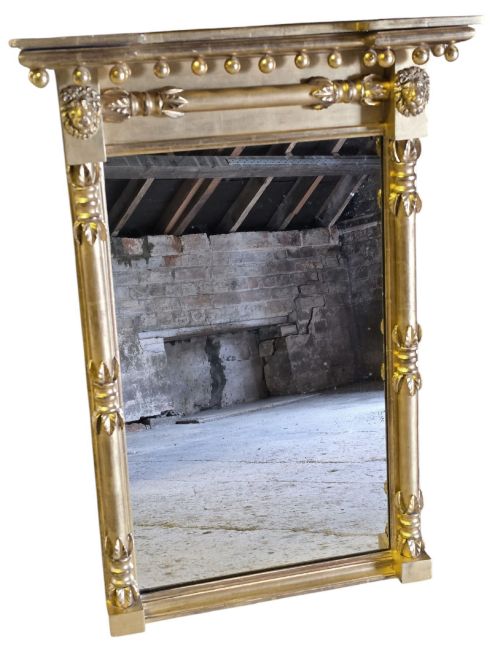
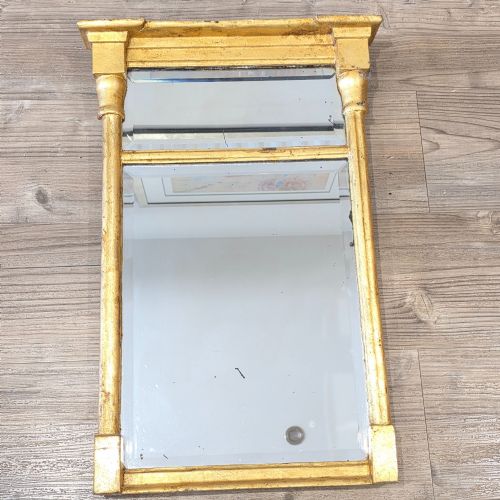
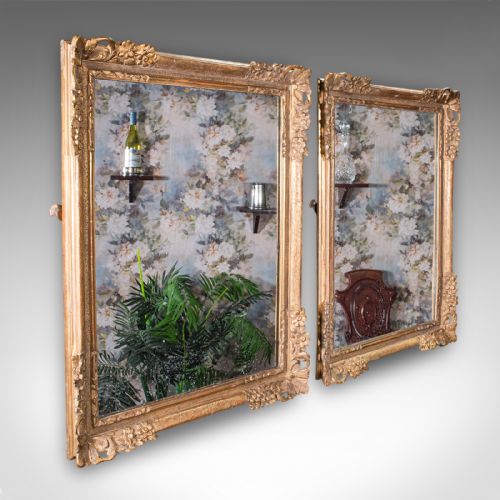
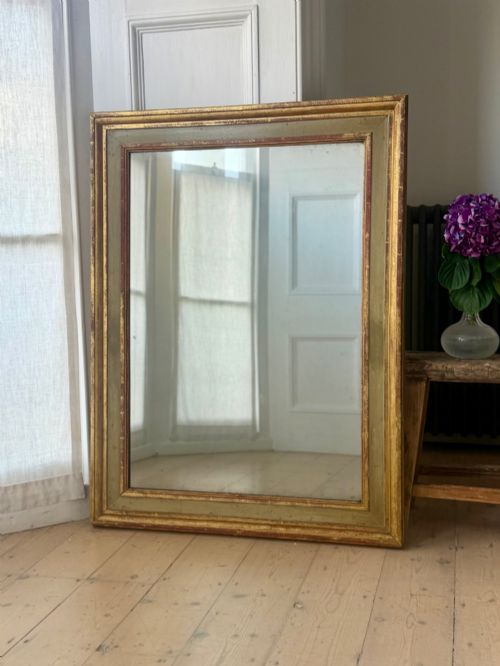
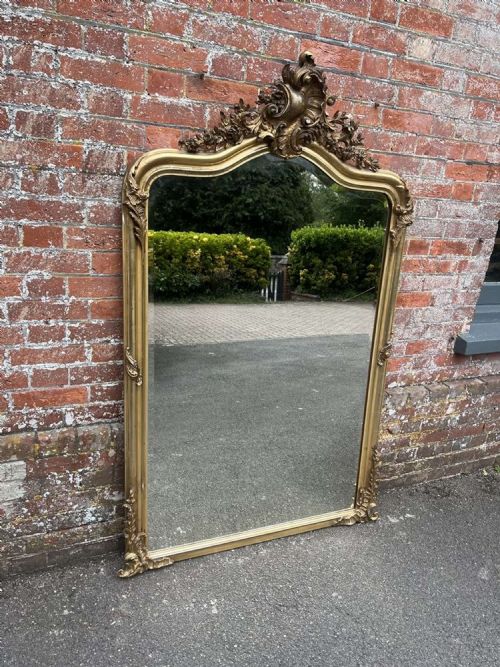
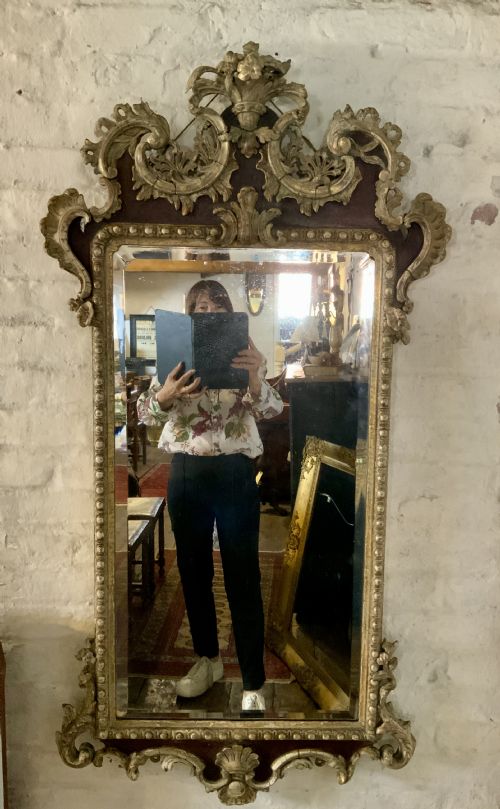
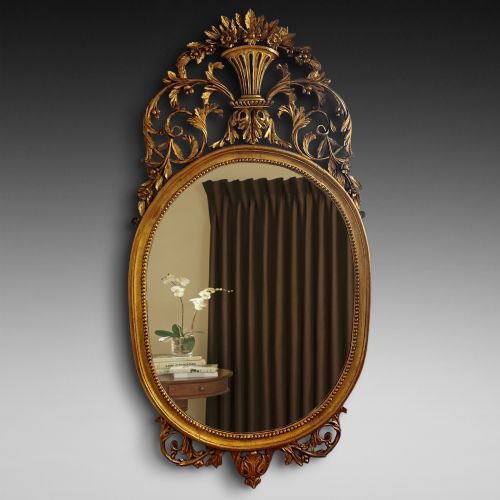
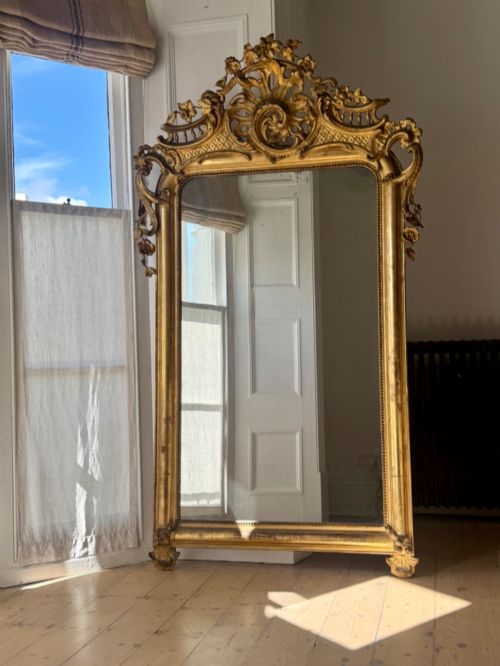
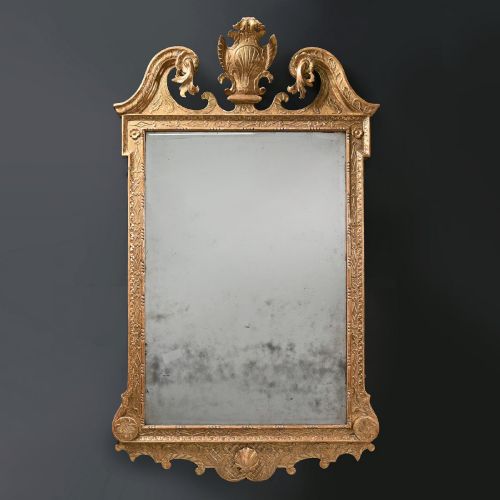
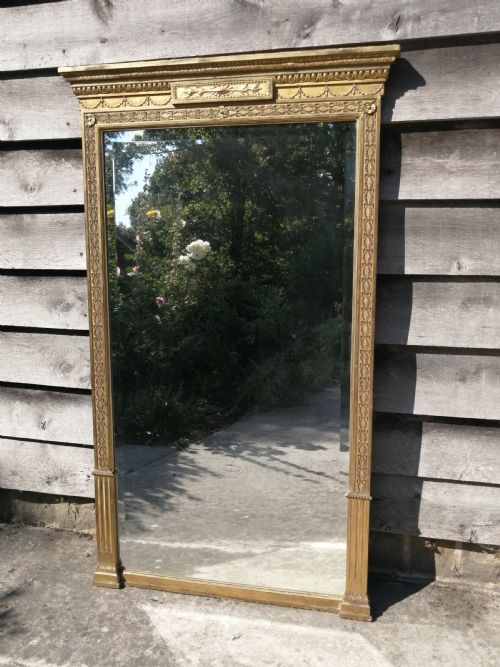
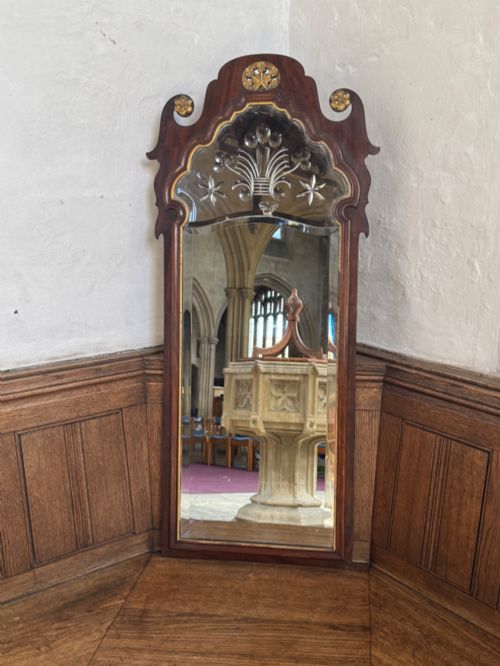
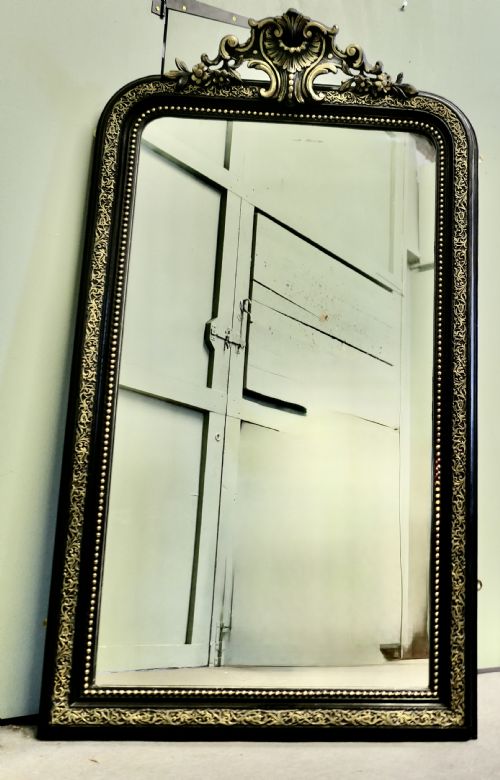
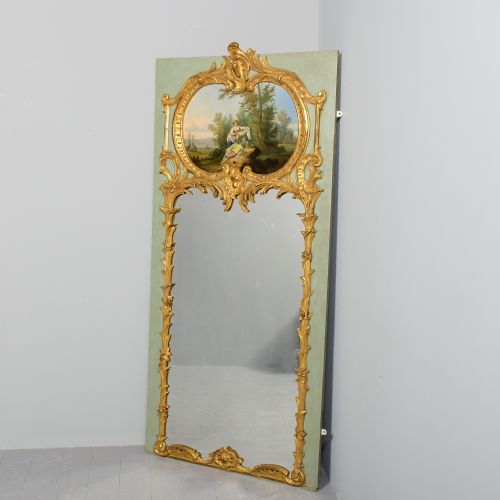
A giltwood pier glass is a tall wall mirror designed to hang in the narrow wall space between windows, known as the pier. The selection includes French Empire and English George II examples, alongside Victorian and Regency pieces.
These mirrors serve both practical and decorative functions, enlarging the visual space of a room while reflecting natural light. Forms range from rectangular carved frames to oval shapes and tall dressing mirrors.
Origins span English and French workshops, with periods reaching from the early eighteenth century through to the late nineteenth century.
How they were made
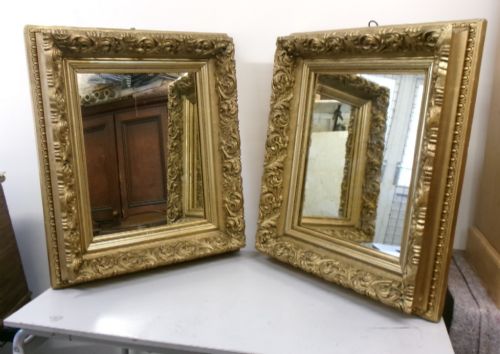
Construction relies upon carved wood frames, frequently utilising mahogany or built-up timber substrates. Gesso is applied to create smooth surfaces for subsequent gilding.
Decoration is achieved through the application of gold leaf over gesso and painted wood grounds. Mirrored glass plates are fitted within the frames, sometimes preserved as original components.
Retail Price Guide 2026
Typical UK retail prices for giltwood pier glass, calculated from the Sellingantiques database of over a million retail prices indexed since 2003. This retail price guide relies exclusively on Sellingantiques data; no external sources or auction records are used, so the figures do not describe the wider market.
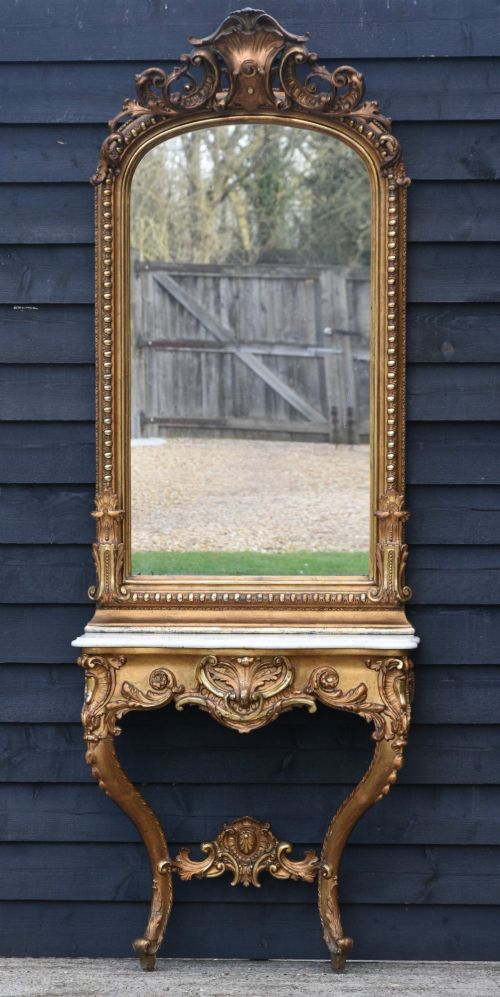
Some pier glasses came paired with matching console tables so the mirror appeared to rest directly upon the furniture.
What varies in quality
Quality rests upon the depth and crispness of the hand carving within the wood and gesso layers. Earlier eighteenth-century examples exhibit intricate detailing compared to later nineteenth-century interpretations.
The integrity of the surface finish determines distinction, where the application of gold leaf and the preservation of the original mirrored glass plate hold primary importance.
The Giltwood Pier Glass Glossary
- Pier glass
- A tall mirror designed specifically for the wall space between windows. These mirrors were proportioned to match the architectural scale of historic rooms.
- Giltwood
- Timber that has been gilded with gold leaf. This technique creates a luminous surface that catches and reflects ambient light.
- Gesso
- A plaster-like mixture applied to wood frames. It provides a smooth base for carving and subsequent gilding.
- Girandole
- A branched wall mirror or sconce holding candles. These fixtures combine reflective glass with functional lighting arms.
Frequently Asked Questions
Where should I hang a pier glass?
Historically, these mirrors were hung on the narrow wall between two windows, known as the pier. Today, they work effectively above console tables, mantelpieces, or in hallways where height is advantageous.
The tall proportions draw the eye upward and amplify natural light within the room.
How do I identify the period of a mirror?
Dating relies upon stylistic markers such as the proportions of the frame, the carving motifs, and the construction methods of the wood. Evidence shows styles ranging from George II to French Empire and Victorian.
Examining the backboards and the composition of the gesso helps confirm the manufacturing era.
What is the difference between gesso and carved wood?
Carved wood forms the structural foundation of the frame, while gesso is a chalk and binder mixture applied over the timber. Gesso is built up to create crisp relief details before the gold leaf is applied.
The combination allows for intricate ornamentation that solid wood alone cannot achieve easily.
Are original glass plates common?
Original glass plates do survive in some period pieces, such as specific George II examples in the archive. Replacement glass is also found on older frames due to the fragile nature of antique mirrors.
Looking closely at the silvering and slight distortions in the glass can indicate age.