


Black Gilt Wall Mirror
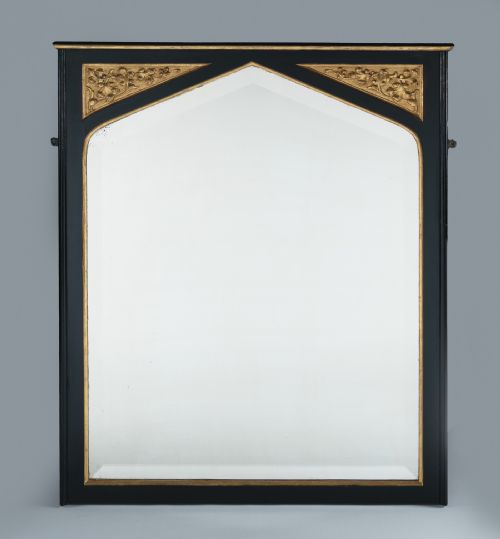
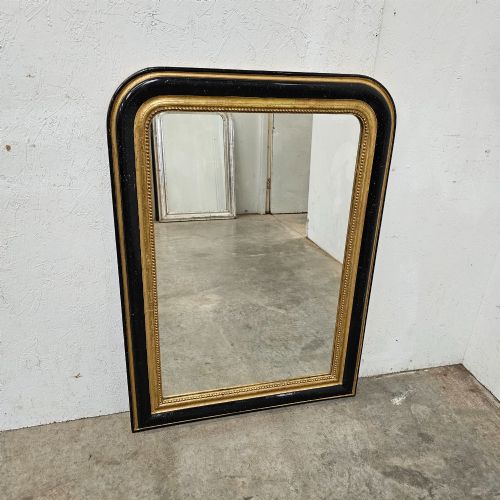
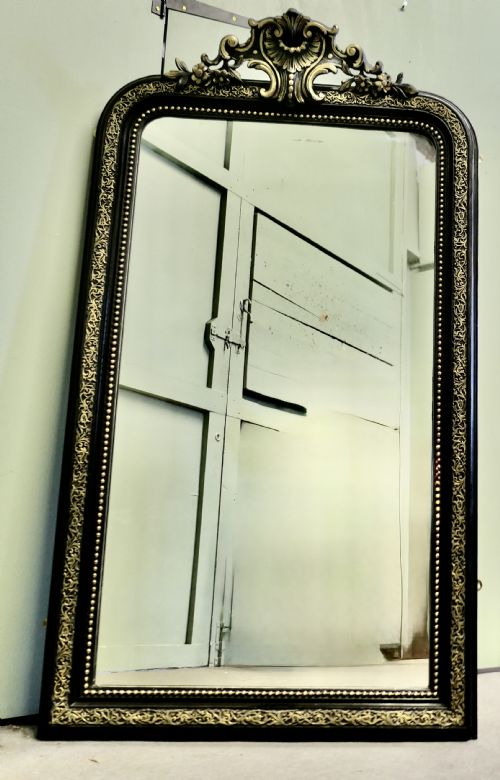
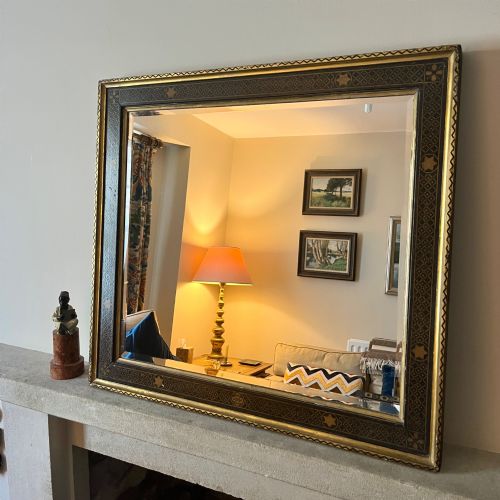
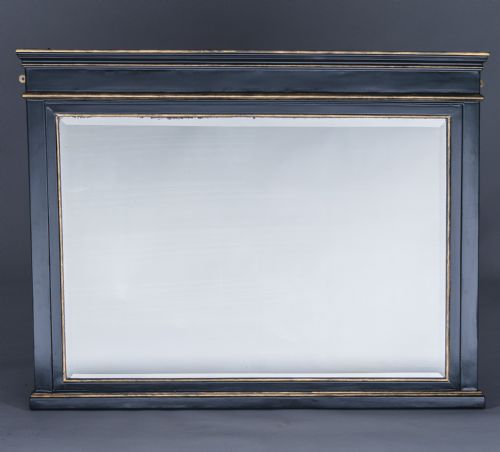
A black gilt wall mirror brings together dark ebonised surfaces and bright gold leaf to anchor a room with nineteenth-century presence.

Black Gilt Wall Mirror
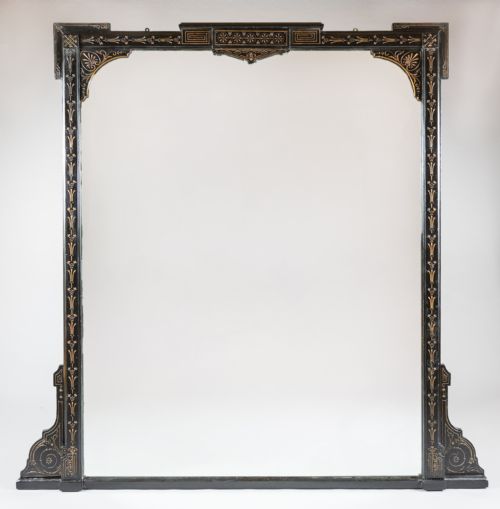
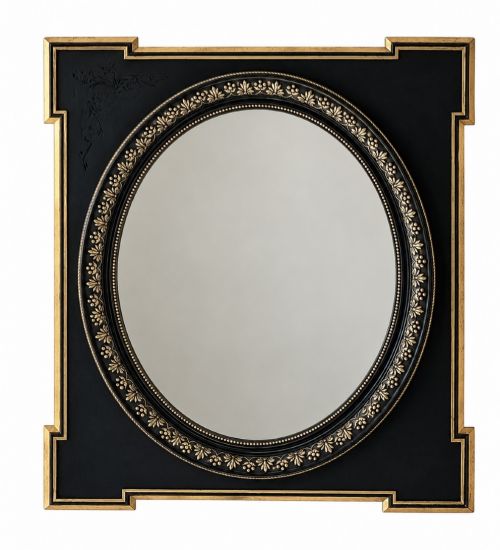
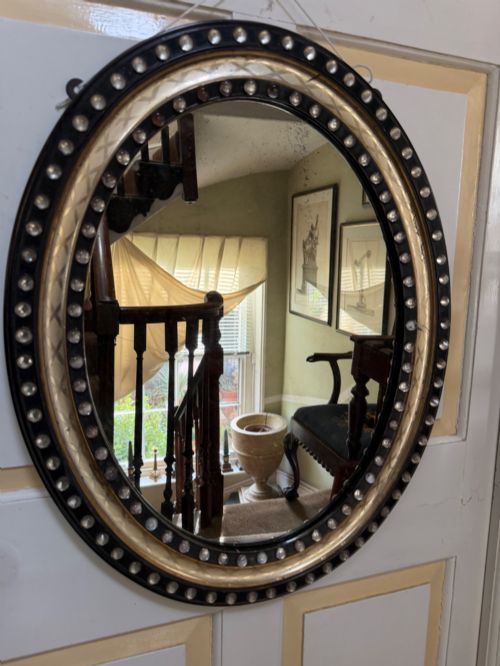
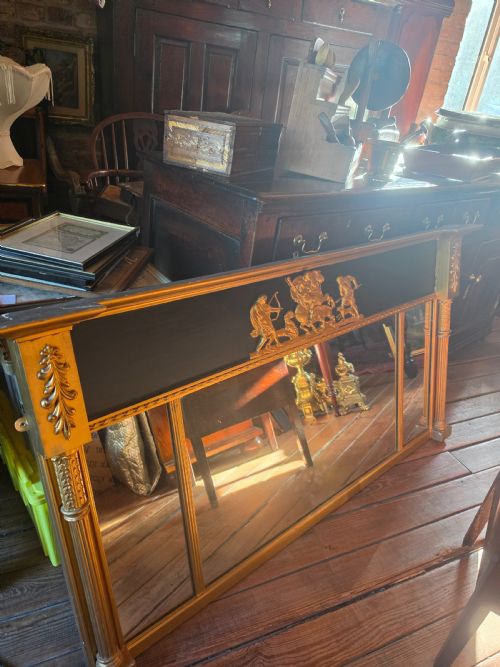
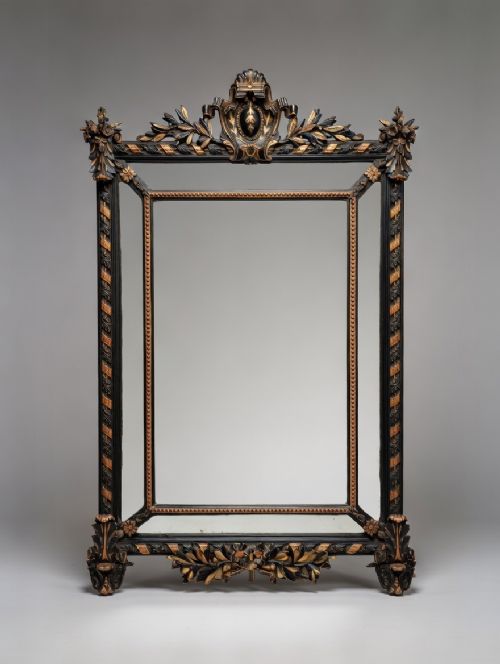
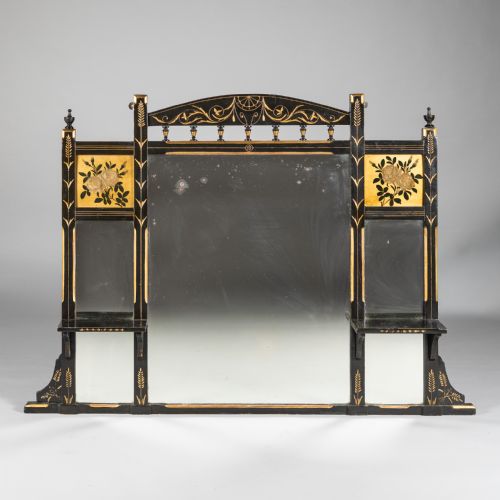
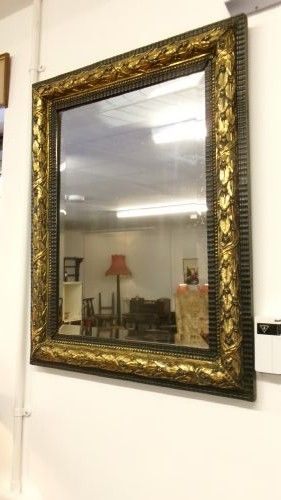
A black gilt wall mirror combines deep ebonised wood or black lacquer with contrasting highlights of gold leaf or gesso, creating a striking visual tension that defined nineteenth-century interiors. These pieces range from grand overmantle frames designed to sit above a fireplace to smaller pier mirrors and oval wall hangings.
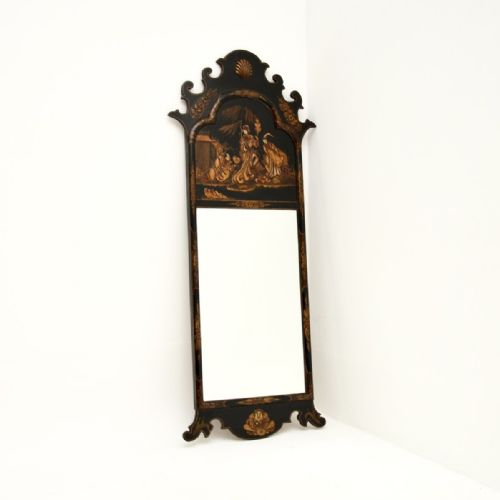
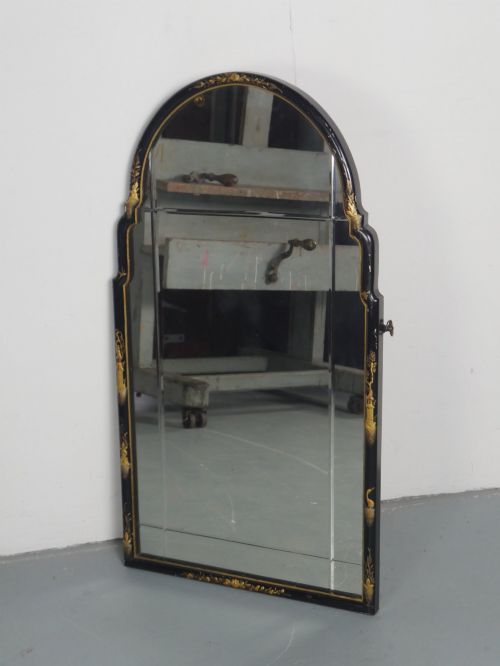
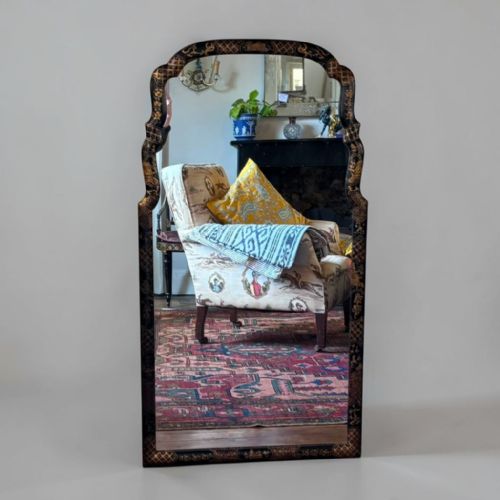
The versions most commonly met on this page span the Victorian and Edwardian eras, with a strong showing of Aesthetic Movement ebonised designs and Chinoiserie lacquered pieces. Makers of the period drew on French Napoleon III and Regency idioms, producing rectangular, arched, and cushion-moulded forms that served both functional and decorative purposes in the home.
Buyers will also encounter specialised variations such as convex sorcerer's mirrors and painted frames decorated with dragons and floral motifs. Each form demonstrates how dark painted timber and gilt detailing were utilised to reflect light and add depth to period reception rooms and hallways.

Materials and Construction
Frames were constructed primarily from solid wood, often ebonised to achieve a deep, light-absorbing black finish, or built up with gesso layers moulded into ornate scrolls and crests. Gold leaf or parcel-gilt highlights were then meticulously applied by hand to the raised carved details, creating the characteristic two-tone contrast.
Mirrors from the French Empire and Regency traditions frequently incorporated cast brass mounts alongside black lacquer, while Chinoiserie pieces relied on layered lacquering techniques to build up intricate hand-painted oriental scenes. Glass plates were typically hand-silvered and set within the timber rebates, occasionally showing the subtle distortion or foxing associated with age.
Black Gilt Wall Mirror Retail Price Guide 2026
Typical asking prices for black gilt wall mirror among the pieces listed under this phrase on Sellingantiques today, from the lower quarter to the upper quarter. They describe what is for sale here now, not the wider market.
Among the glass plates wait convex sorcerer's mirrors, once intended to watch over a Victorian room in a single curved glance.
Distinctions in Quality
The calibre of a black gilt wall mirror rests primarily on the depth and execution of its carved wooden or gesso enrichment. Superior examples display crisp, undercut foliage and sharply defined mouldings where the parcel-gilt accents follow the contours of the carving with precision rather than appearing heavy-handed.
The integrity of the original ebonising and gilding further separates standard production from finer workshop pieces. Better-preserved surfaces retain their original burnished gold leaf and deep black finish, showing natural craquelure and mellowing rather than flat, modern repainting.
The Black Gilt Wall Mirror Glossary
- Ebonised wood
- Timber treated with stains or finishes to imitate expensive ebony. This dark process was central to Victorian and Aesthetic Movement furniture design.
- Parcel-gilt
- A decorative treatment where only specific portions of an object are gilded with gold leaf. It creates contrast against the darker ebonised or painted background wood.
- Gesso
- A plaster mixture applied to wood frames as a base for moulding and gilding. Skilled artisans carved intricate relief patterns directly into this hardened surface.
- Overmantle mirror
- A large horizontal mirror designed to hang directly above a mantelpiece. These architectural pieces often dictated the decorative scheme of nineteenth-century reception rooms.
- Chinoiserie
- European interpretations of Chinese and East Asian artistic traditions. These pieces feature characteristic black lacquer grounds decorated with gilt motifs and figures.
Black Gilt Wall Mirror: Frequently Asked Questions
Where should I hang a heavy overmantle mirror?
These substantial frames require secure fixing directly into structural wall studs or masonry using appropriate heavy-duty brackets. Because nineteenth-century overmantle mirrors carry significant weight from timber and gesso, professional installation ensures the piece remains safely supported.
Positioning the frame at the correct height above a mantelpiece or console table allows it to reflect light effectively while balancing the proportions of the surrounding wall space.
How do I clean an antique ebonised frame?
Dusting the carved wooden and gesso surfaces regularly with a soft, dry brush prevents the accumulation of dirt in intricate recesses. Moisture and modern chemical polishes must be avoided to protect the delicate balance of the original ebonised finish and gold leaf.
Gentle care preserves the aged patina and prevents any lifting of the gesso or parcel-gilt highlights that give these mirrors their distinct visual character.
What is an Aesthetic Movement mirror?
Aesthetic Movement pieces emerged in the late nineteenth century under the philosophy of art for art's sake. They favoured ebonised timber and restrained gilt decoration, drawing inspiration from Japanese design principles rather than traditional Victorian heaviness.
These mirrors often feature clean rectangular lines or simple geometric forms, making them particularly adaptable for modern interior settings that value understated period contrast.
Are Chinoiserie mirrors fragile?
Chinoiserie mirrors feature delicate hand-painted lacquer surfaces that require mindful placement away from direct sunlight and damp environments. The layered lacquering technique, while durable, benefits from stable indoor temperatures to prevent surface crazing.
Handling these frames with care during relocation ensures the intricate gilt oriental scenes and japanned details remain intact for years to come.