


Ebonised Framed Mirror
An ebonised framed mirror brings deep contrast to a room, using dark timber and reflective glass to anchor a wall.
Ebonised Framed Mirror
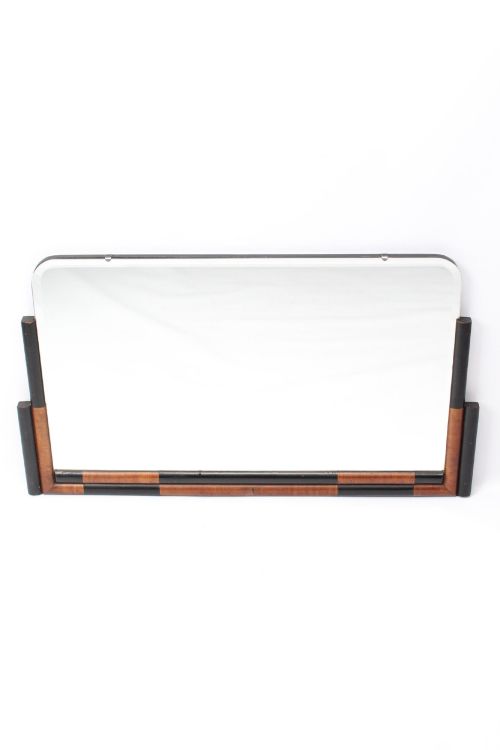
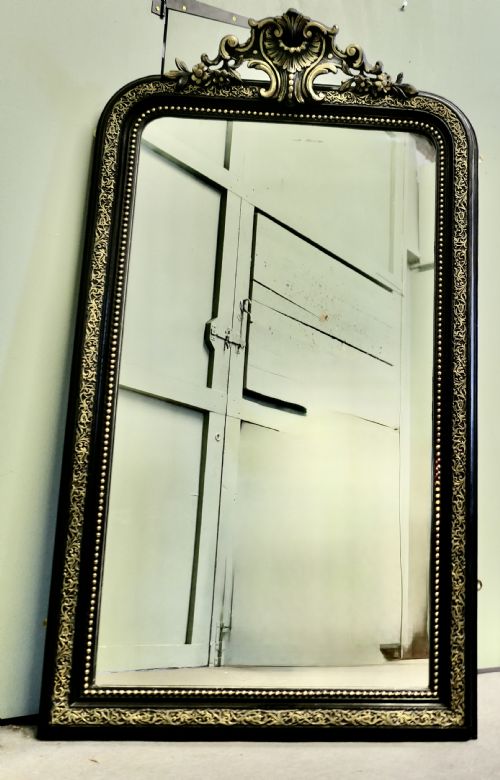
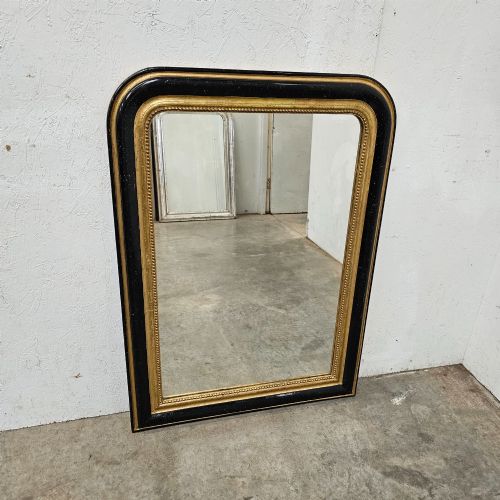
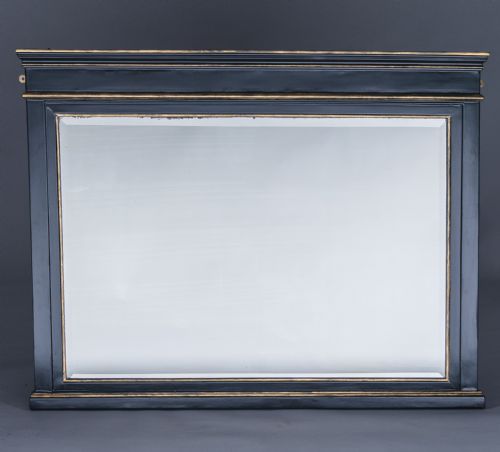
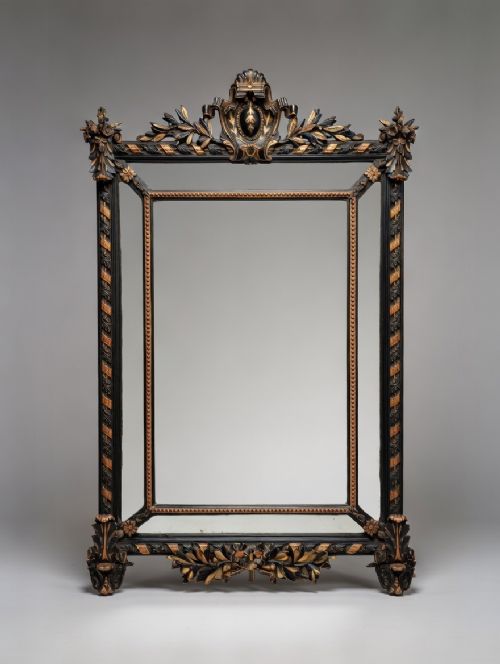
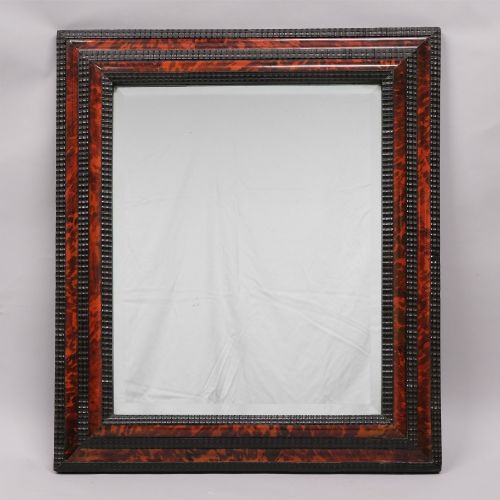
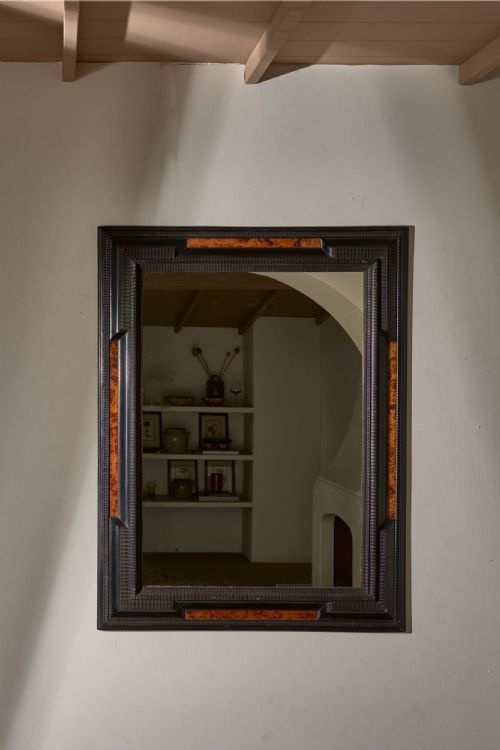
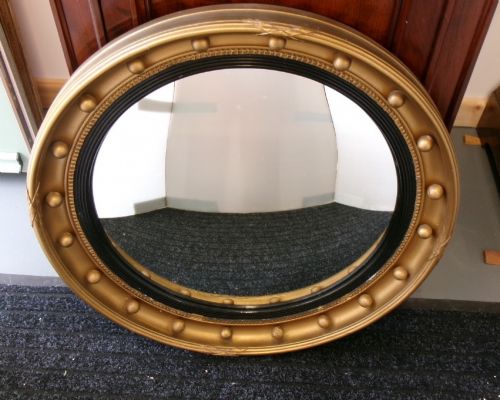
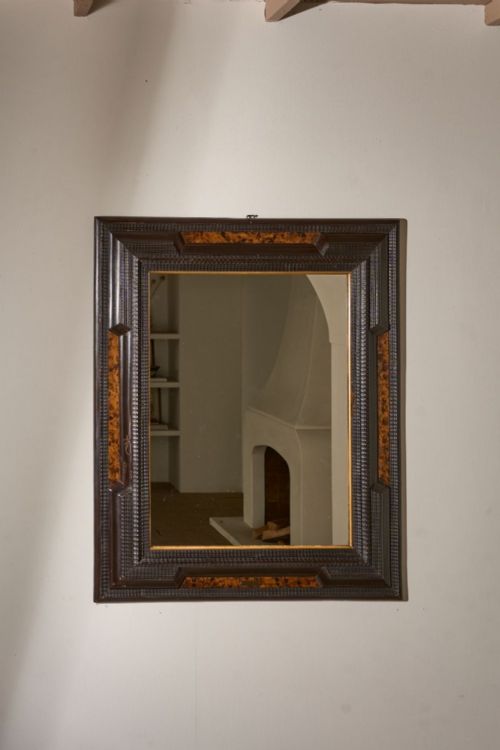
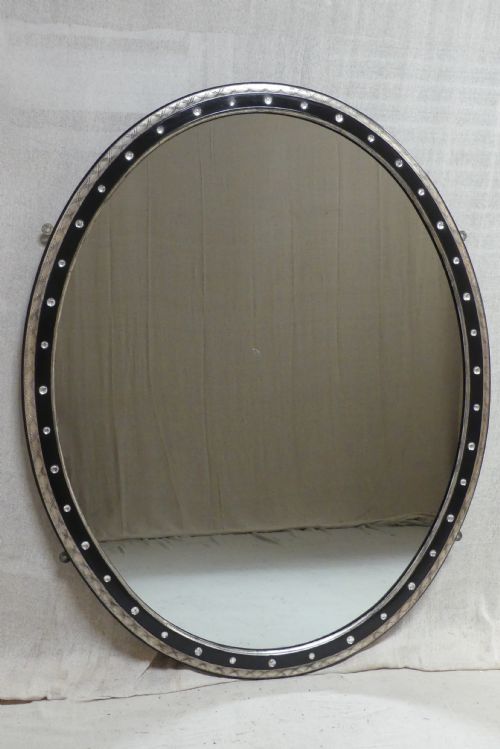
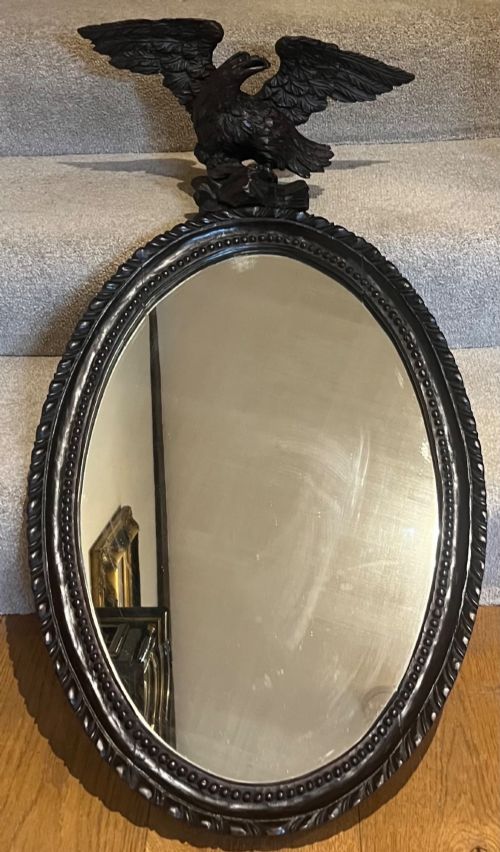
When you search for an ebonised framed mirror, you encounter wall mirrors, overmantel mirrors, and hall mirrors spanning the nineteenth and early twentieth centuries. The selection ranges from compact Victorian cushion frames to large French wall pieces and decorative Italian faux tortoiseshell designs.
The aesthetic movement and Victorian periods dominate the offerings here, alongside Regency revivals and later Art Deco interpretations. Buyers regularly find rectangular wall forms, circular convex plates, and tall pier mirrors designed for specific architectural settings.
How they were made
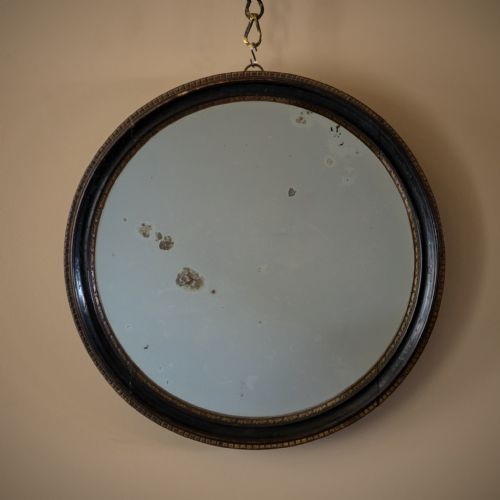
Framemakers of the nineteenth century utilised timber substrates treated with dark finishes to emulate ebony, often combining the deep black surfaces with parcel-gilt details or gesso decoration. Craftsmen applied gold leaf selectively to carved elements, creating a stark contrast against the darkened wood.
Many examples incorporate mirror glass set within moulded frames, sometimes featuring ripple mouldings or cushion profiles that catch the light. Techniques varied from traditional wood carving to applied composition ornament over timber carcases.
Ebonised Framed Mirror Retail Price Guide 2026
Typical asking prices for ebonised framed mirror among the pieces listed under this phrase on Sellingantiques today, from the lower quarter to the upper quarter. They describe what is for sale here now, not the wider market.
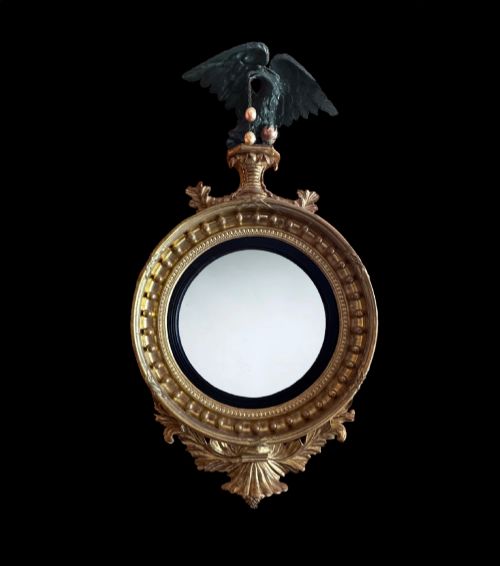
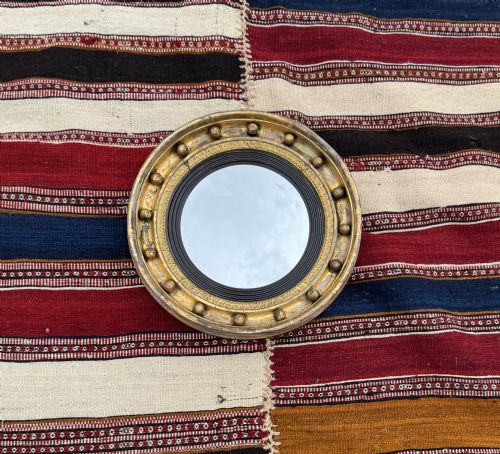
Object types recorded on this page include wall mirrors, pier mirrors, hall mirrors, and porthole convex mirrors.
What varies in quality
The distinction between standard production and finer examples rests in the depth of the carving and the execution of the ebonised finish. Superior pieces show crisp detail in the gesso or carved woodwork and retain original mercury or silvered mirror plates with authentic patination.
Proportion and scale dictate the visual weight of the piece within an interior, where well-balanced mouldings and intact parcel-gilt highlights separate masterworks from simpler workshop output.
Rowley Gallery
The Ebonised Framed Mirror Glossary
- Ebonised
- Wood treated with stain, dye, or paint to imitate true ebony. This finish became popular during the nineteenth century for its striking dark appearance.
- Parcel-gilt
- Partially gilded woodwork where gold leaf highlights specific carved details. It accentuates the contrast against ebonised or painted surfaces.
- Convex mirror
- A round mirror with a curved, bulging glass surface that reflects a wide-angle view of the room. These are frequently mounted in round frames with ball details.
- Overmantel mirror
- A large horizontal mirror designed to hang directly above a fireplace mantel. They often feature architectural frames suited to nineteenth-century interiors.
- Cushion mirror
- A frame with a rounded, padded profile that slopes outward from the glass plate. This style creates a distinct three-dimensional visual weight on the wall.
Ebonised Framed Mirror: Frequently Asked Questions
How do I hang a heavy overmantel mirror safely?
Large overmantel mirrors require substantial wall fixings anchored directly into masonry or secure timber studs. Due to their considerable weight, professional installation using rated brackets ensures stability.
Position the mirror at a height that complements the surrounding furniture while balancing the proportions of the wall space below.
What is a convex mirror used for?
Convex mirrors were historically placed in drawing rooms to monitor activity across a wider field of vision without turning around. Their curved glass gathers light from the entire room.
Today, they function primarily as decorative focal points that introduce circular geometry and depth to a gallery wall.
How do I clean ebonised wood and antique glass?
Dust ebonised frames gently with a dry, soft cloth to protect the dark finish from abrasion. Avoid modern chemical polishes that can degrade nineteenth-century surfaces.
Clean the mirror plate sparingly using a cloth dampened with distilled water, ensuring moisture does not seep behind the edges of the glass.
How can I tell a Victorian ebonised mirror from a later reproduction?
Examine the backboards, fixings, and construction methods to determine age. Nineteenth-century pieces typically exhibit hand-cut screws, oxidation on the mirror plate, and dense timber carcases.
Look closely at the ebonising and gilding under good light to spot signs of genuine age and wear rather than applied artificial distressing.