



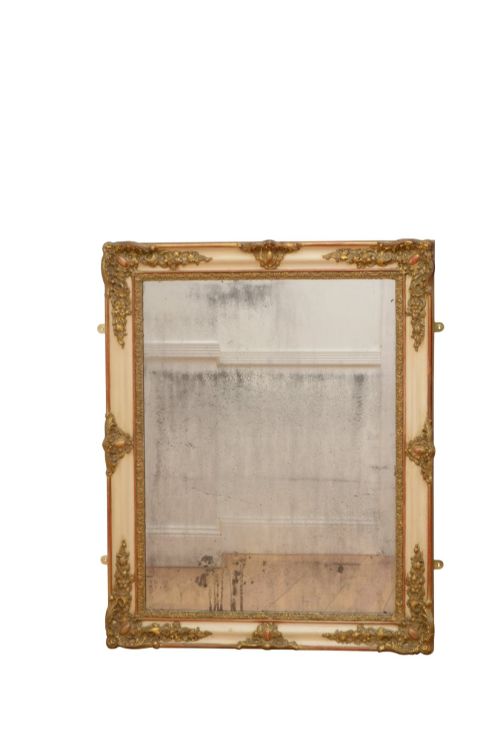
Gesso Overmantel Mirror
A gesso overmantel mirror brings architectural presence and reflected light to a room, historically hung above a fireplace mantel.
Understanding the gesso overmantel mirror
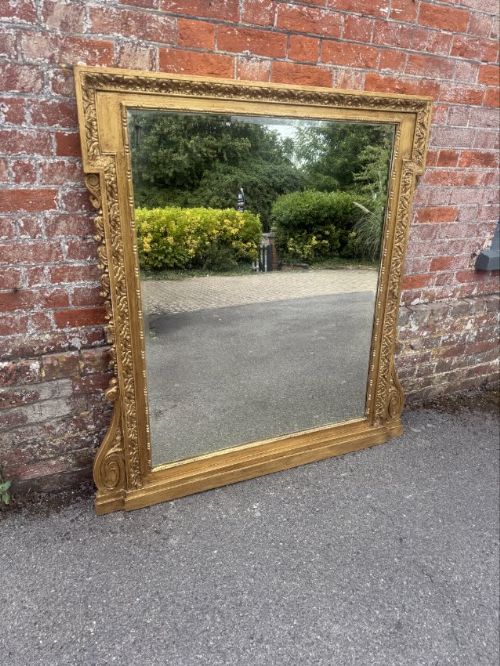
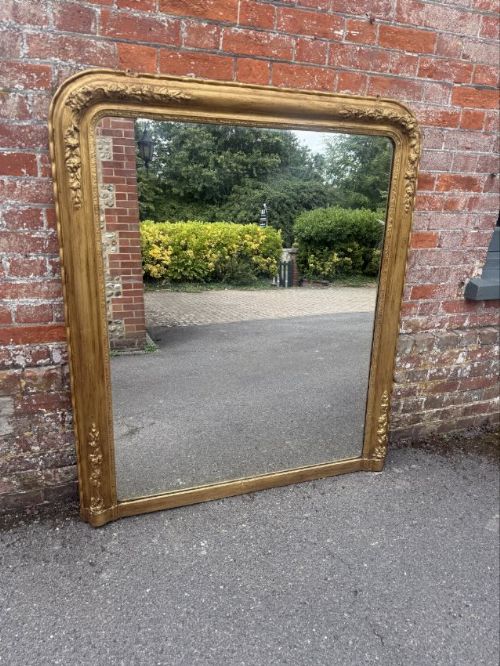
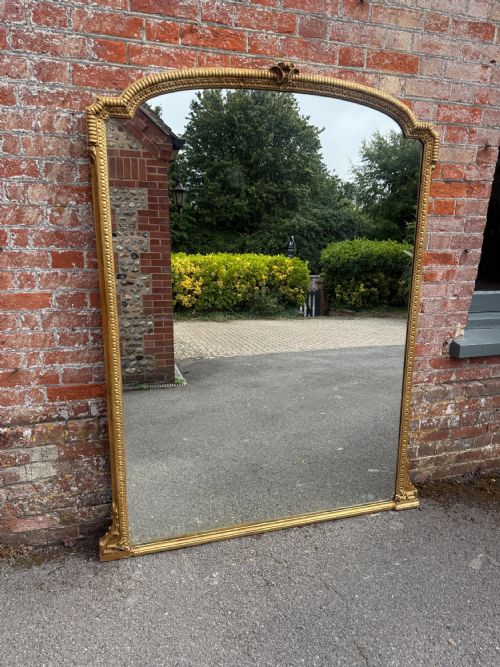
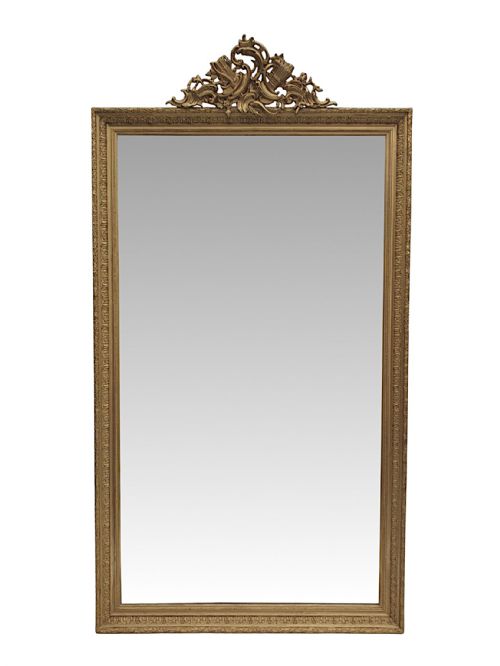
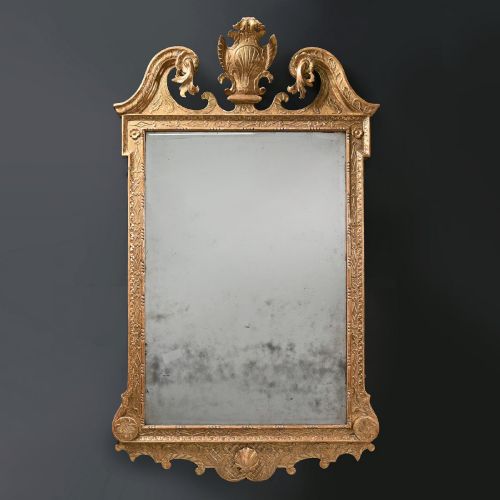
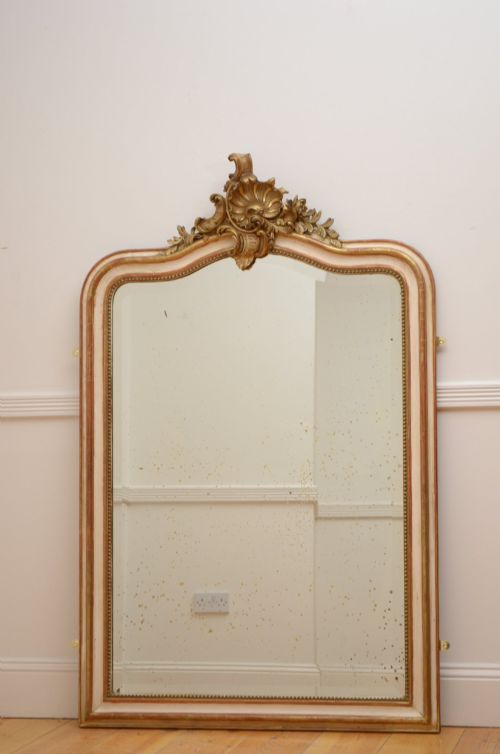
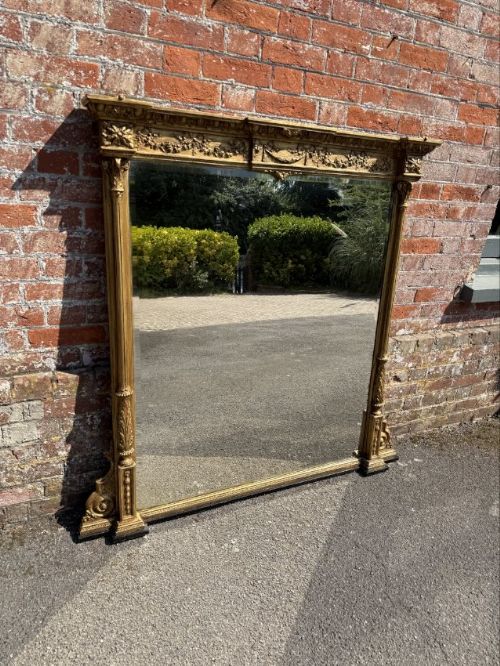
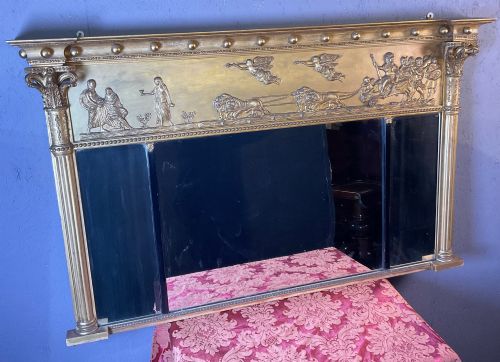
When you search for a gesso overmantel mirror, you encounter large decorative looking glasses designed specifically to sit above a chimney breast. These pieces define a domestic interior through their substantial scale and integrated architectural framing.
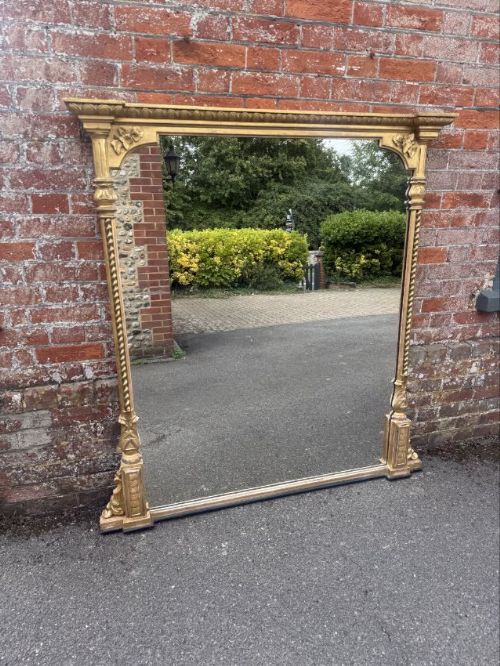
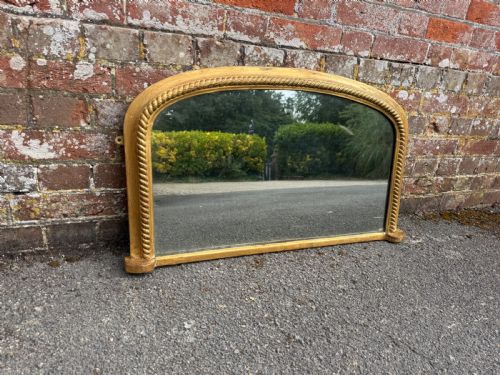
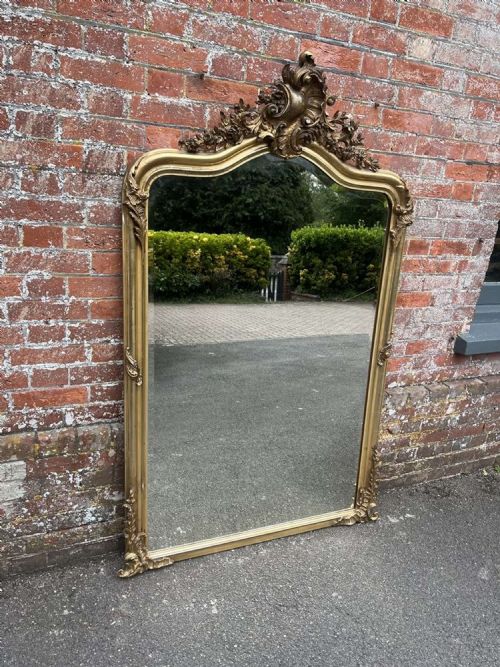
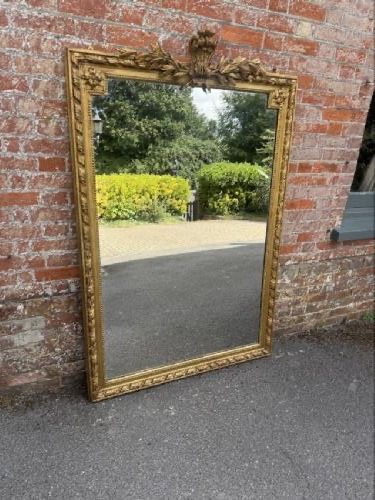
The versions most common on this page date from the nineteenth century, including Victorian, William IV, and Neoclassical examples. They frequently arrive in English, French, and Italian iterations, showing arched, shaped, or column-framed silhouettes.
Materials and construction
Maker workshops built the core structures from carved wood, applying layers of plaster-based gesso to form relief ornament and smooth moulding surfaces. Artisans then finished these grounds with either gold leaf gilding or plain and distressed paint finishes over the mirror glass.
Moulded composition details often supplemented the hand-carved elements, securing intricate decorative motifs around the perimeters of the glass plates.
Retail Price Guide 2026
Typical UK retail prices for gesso overmantel mirror, calculated from the Sellingantiques database of over a million retail prices indexed since 2003. This retail price guide relies exclusively on Sellingantiques data; no external sources or auction records are used, so the figures do not describe the wider market.
Listings feature nineteenth-century pieces incorporating wood, gesso, mirror glass, and paint in Victorian and Neoclassical styles.
Distinctions in quality
The division between ordinary and exceptional examples rests upon the crispness of the carved gesso relief and the depth of the original gilding. Finer pieces retain intricate surface detail and harmonious proportions that integrate the frame with the glass plate.
Subtlety in the modelling of architectural columns, floral motifs, or cartouche forms distinguishes workshop output, showing the hand of skilled makers rather than mass-produced uniformity.
Ciceri & Co. of Edinburgh
The Gesso Overmantel Mirror Glossary
- Gesso
- A plaster-based mixture applied to a wooden substrate to create a smooth surface for gilding or painting. It accepts fine carving and shaping before finishing.
- Overmantel mirror
- A large wall-mounted looking glass proportioned to hang directly above a fireplace mantel. These pieces balance the visual weight of the hearth below.
- Giltwood
- Timber furniture or framing covered with a thin layer of gold leaf. It provides a reflective, luminous surface that catches ambient room light.
- Cartouche
- An ornamental tablet or panel frame with scrolled edges, resembling a rolled-up piece of paper. It appears frequently as a central decorative flourish.
- Neoclassical
- A style drawing inspiration from classical antiquity, notable in these mirrors through restrained geometric lines and classical column framing.
Frequently Asked Questions
Where should I hang a gesso overmantel mirror?
These mirrors traditionally anchor the wall directly above a fireplace mantelpiece, where their scale reflects light across the room. They also function successfully on large drawing-room walls opposite windows to maximise illumination.
Ensure the wall construction safely supports the substantial combined weight of the wood, gesso, and glass before installation.
How do I clean a gesso overmantel mirror?
Dust the gesso frame gently with a dry, soft-bristled brush to protect the delicate relief work and original gilding or paint. Avoid using liquid cleaning agents directly on the gesso, as moisture softens the plaster ground.
Clean the mirror glass with a mild glass cleaner applied to a cloth rather than sprayed directly onto the glass surface, preventing liquid seepage into the frame joints.
Are these mirrors original antique pieces?
The inventory comprises nineteenth-century pieces originating from English, French, and Italian workshops. Materials include period mirror glass, carved wood, and traditional gesso finishes.
Construction methods reflect nineteenth-century carpentry and plasterwork standards, distinguishing them from modern reproductions.
What styles are available?
Selections span Victorian, William IV, Neoclassical, and Regency aesthetics. Frames feature architectural columns, arched tops, cartouche shapes, and tulip motifs.
Finishes range from original giltwood to painted and distressed surfaces.