




Edwardian Fireplace Mirror
An edwardian fireplace mirror brings architectural weight and reflected light to a room, anchoring the hearth with period proportion.
Edwardian Fireplace Mirror
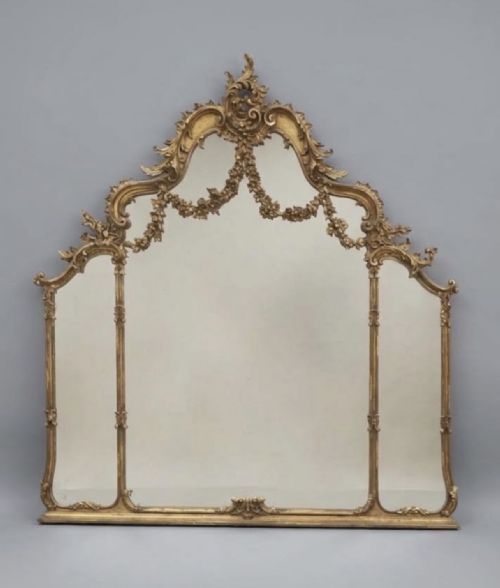
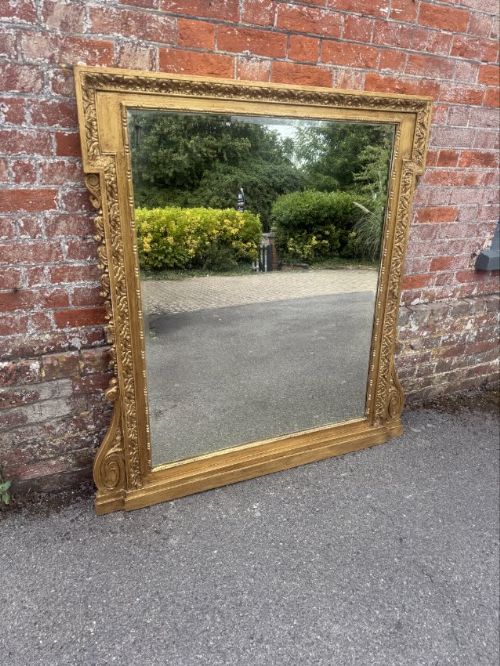
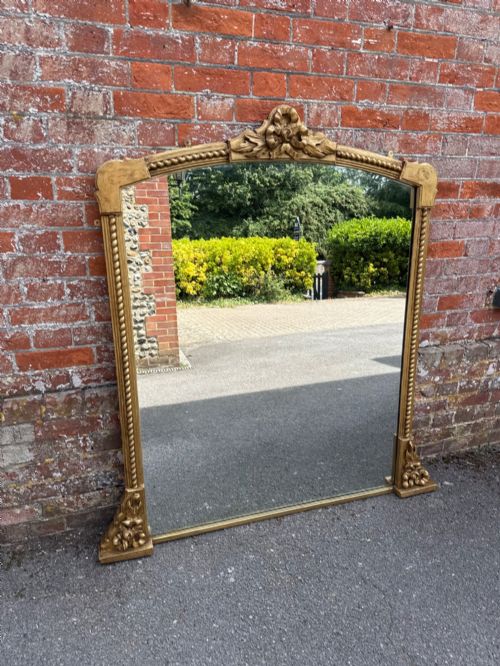
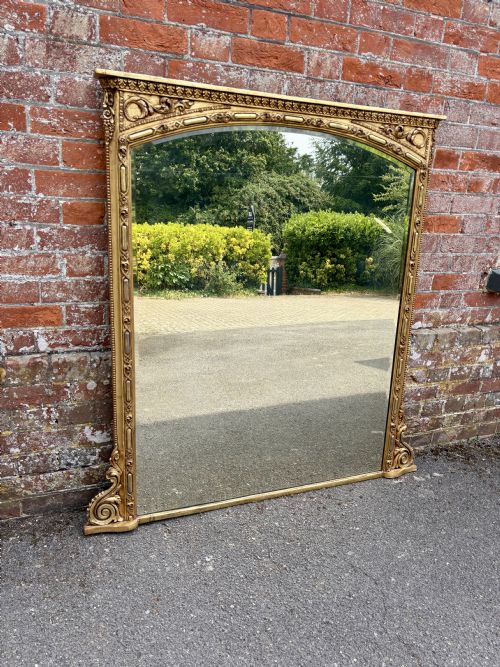
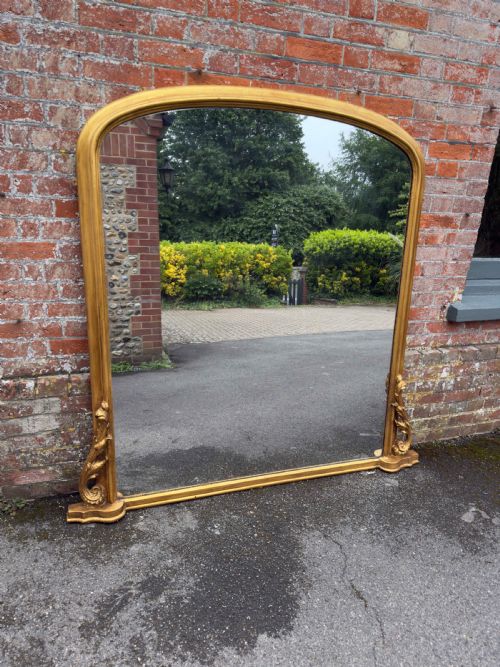
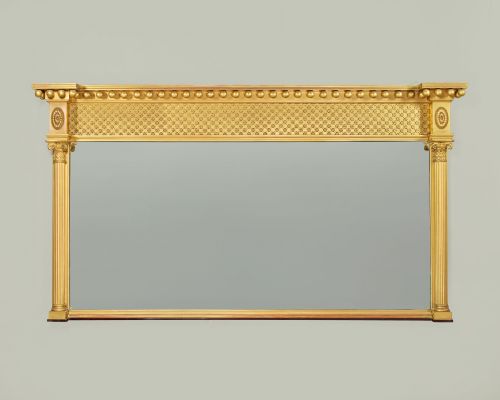
An edwardian fireplace mirror is primarily found in the form of overmantel mirrors designed to sit directly above a mantelpiece, though related items such as fire screens and fire surrounds also appear. The selection spans the Edwardian era into the early twentieth century alongside nineteenth-century Victorian antecedents.
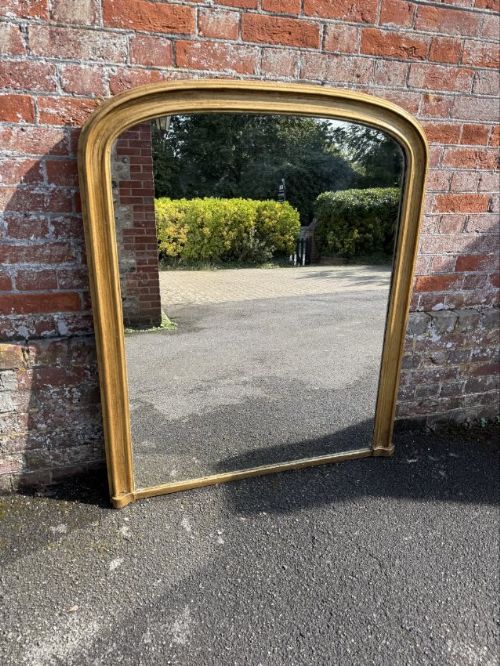
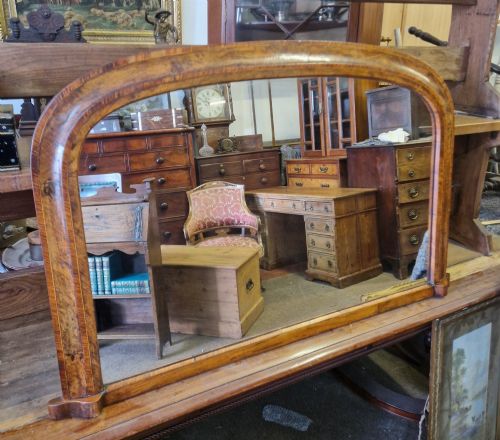
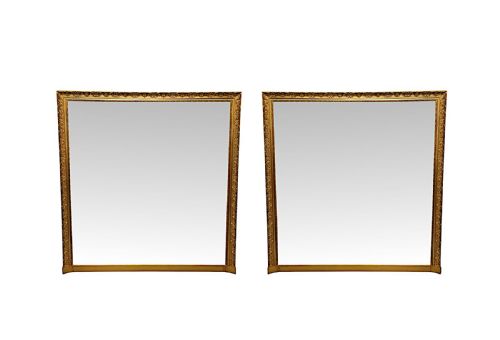
The dominant format on this page is the large wall-hanging or mantel-standing overmantel mirror, often shaped with an arched top or linear frame. These items served to bounce light around high-ceilinged rooms and visually balance the dark void of the fireplace opening.
How they were made
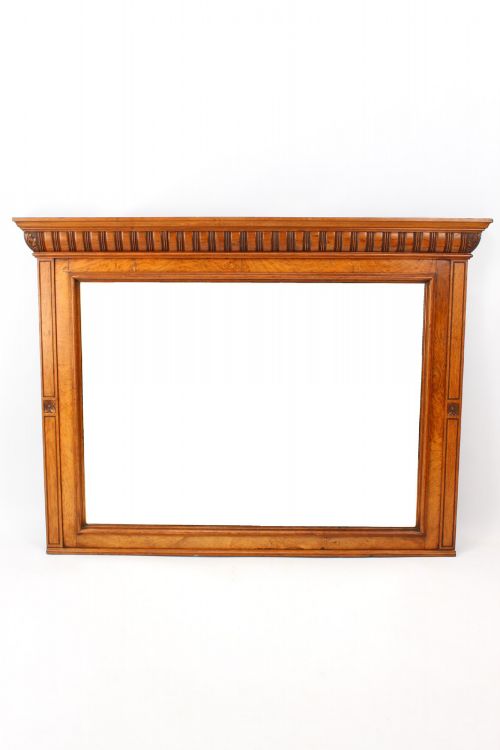
Makers built the structural carcases of these frames from timber such as oak, walnut, rosewood, and carved wood, occasionally employing marquetry or black lacquer for decorative effect.
Gilt decoration was achieved by applying gesso and composition ornaments over wood before gilding with gold leaf or applying gold paint to create reflective surface detail.
Edwardian Fireplace Mirror Retail Price Guide 2026
Typical asking prices for edwardian fireplace mirror among the pieces listed under this phrase on Sellingantiques today, from the lower quarter to the upper quarter. They describe what is for sale here now, not the wider market.
Listings span periods from the Victorian era through the Edwardian years into the nineteen-twenties, using materials like oak, rosewood, gesso, and giltwood.
What varies in quality
The distinction between standard and superior examples lies in the depth and crispness of the hand-carved wood and the intricacy of the applied gesso ornamentation.
The Edwardian Fireplace Mirror Glossary
- Overmantel mirror
- A large mirror specifically proportioned to hang on the wall or stand directly on the mantelpiece above a fireplace.
- Gesso
- A plaster-like mixture applied to wooden frames and moulded into decorative reliefs before gilding.
- Giltwood
- Timber that has been coated with gold leaf or gold paint.
- Marquetry
- The art of applying pieces of veneer to a structure to form decorative patterns.
Edwardian Fireplace Mirror: Frequently Asked Questions
Where should an overmantel mirror be hung?
These mirrors are traditionally positioned directly above the fireplace mantelpiece to reflect the room and draw the eye upward.
They can also be mounted on a main wall as a standalone focal point if the proportions suit the space.
How do I identify an Edwardian mirror?
Edwardian pieces often feature lighter woods, simpler geometry, or refined neoclassical and Art Nouveau influences compared to heavy Victorian designs.
Construction methods and backboards also help indicate the turn-of-the-century period.
Can these mirrors be rested on the mantel?
Many overmantel mirrors were historically designed with flat bases intended to rest securely directly upon the wooden mantel shelf.
Wall fixings should still be utilised to anchor the top of the frame for safety.
What woods were commonly used?
Framing materials frequently include oak, walnut, and rosewood, alongside carved wood finished with gesso and gilt.
Inlaid details and marquetry frequently appear on refined examples from the period.