

Vintage Fireplace Mirror
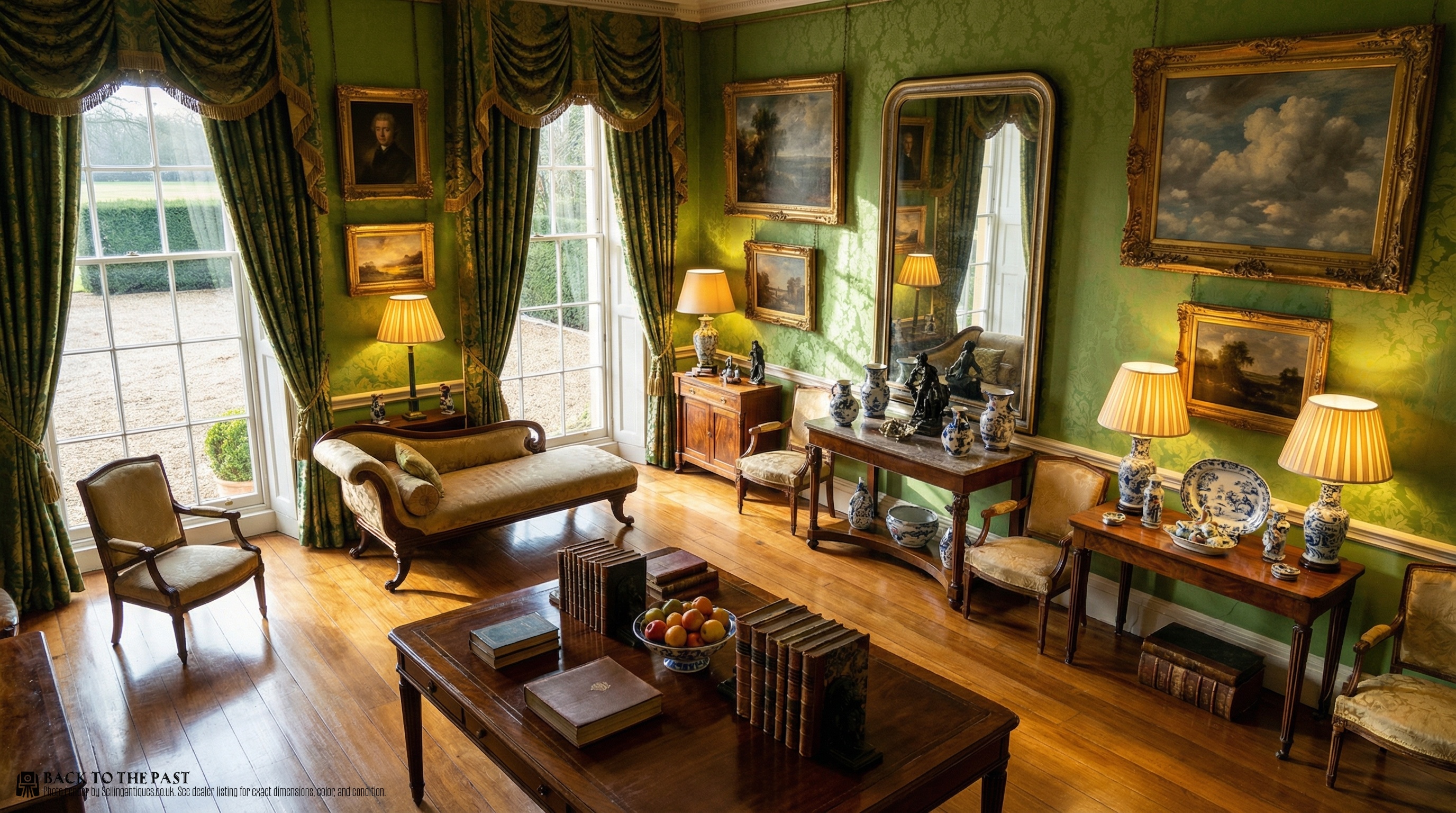
A vintage fireplace mirror brings scale and reflection to a room, anchoring the mantelpiece with period character and architectural presence.
Vintage Fireplace Mirror
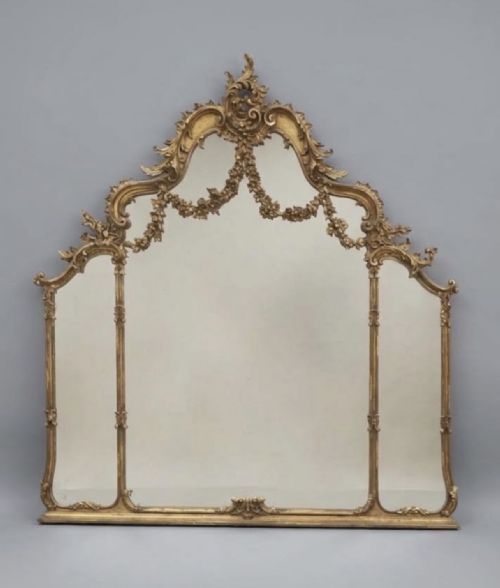
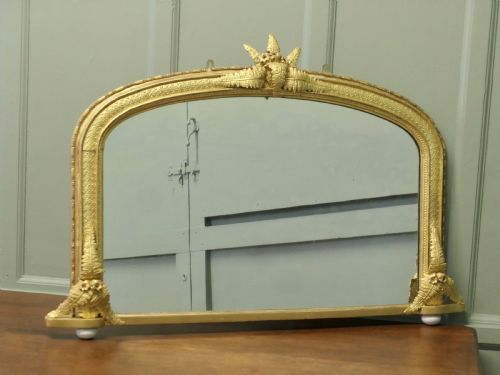
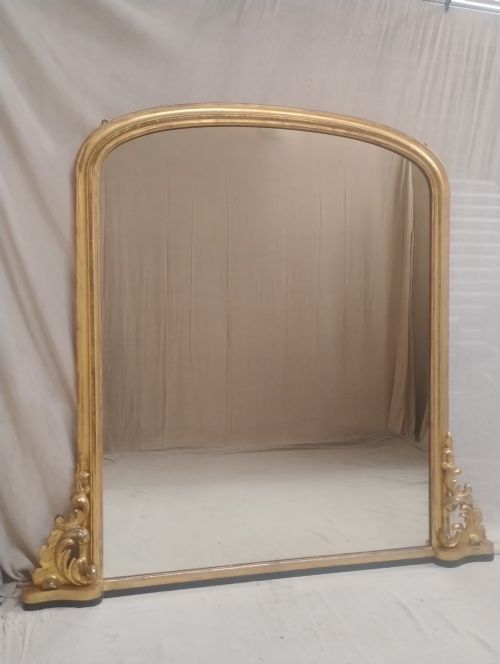
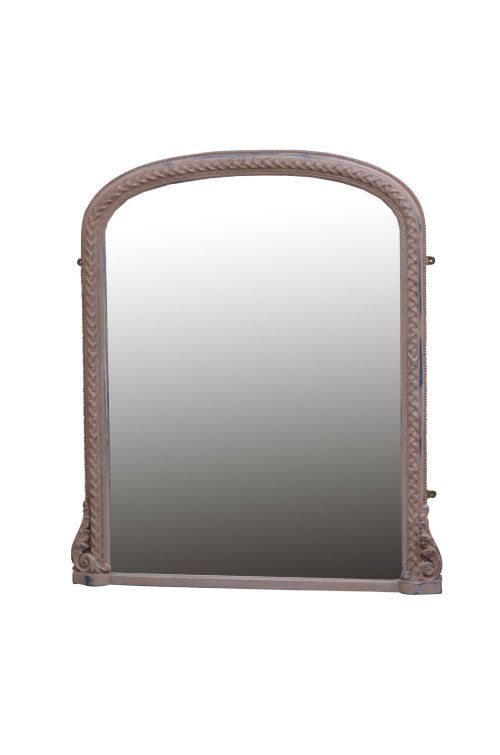
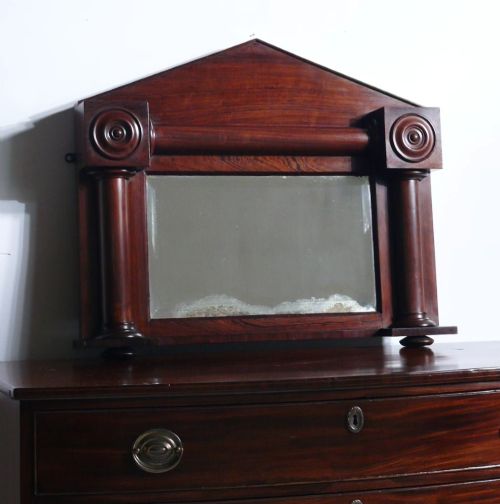
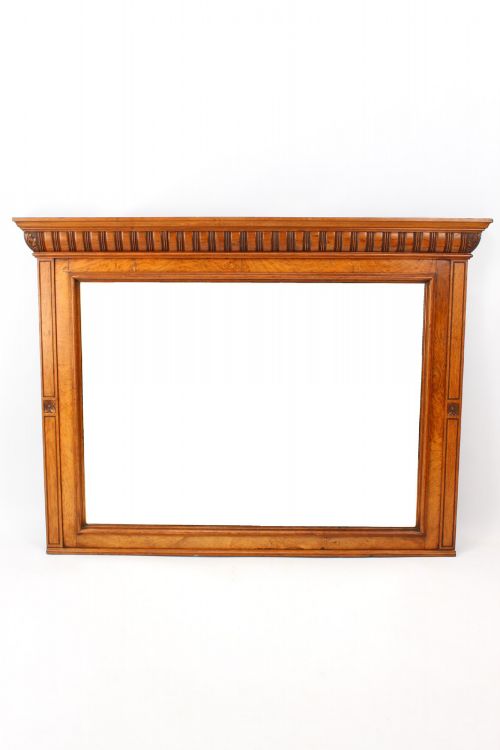
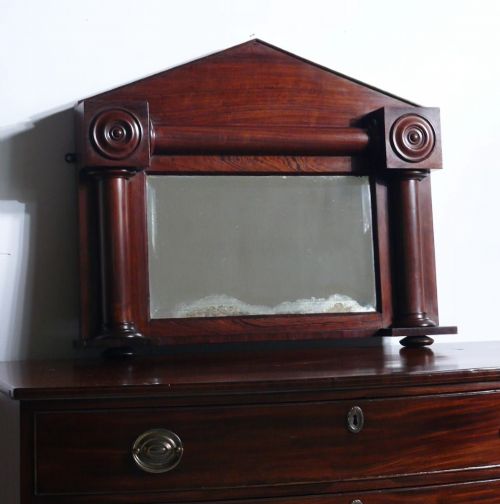
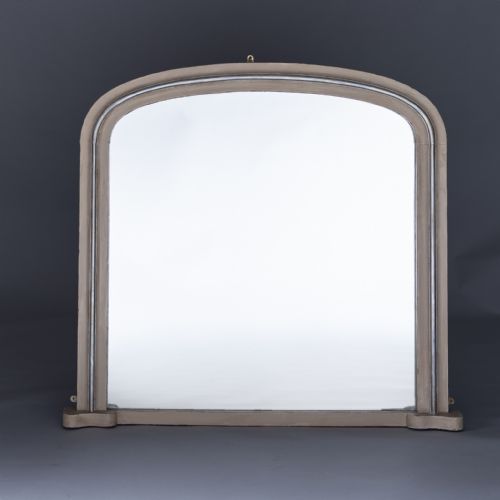
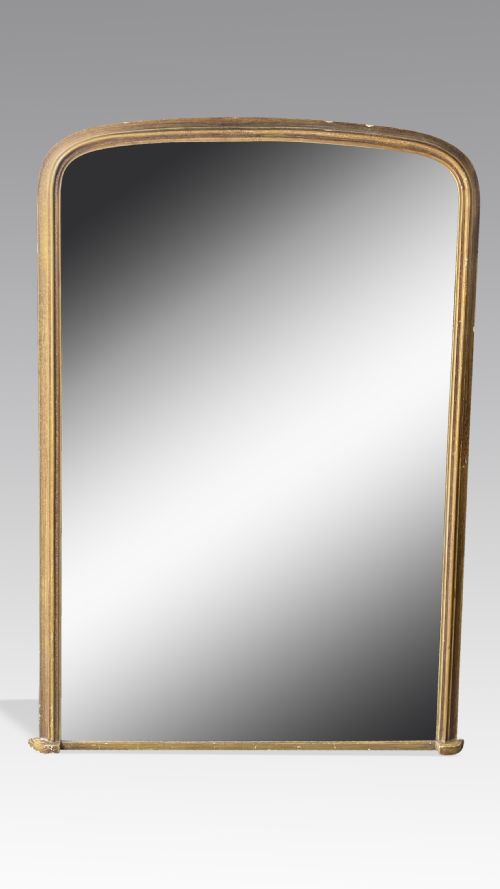
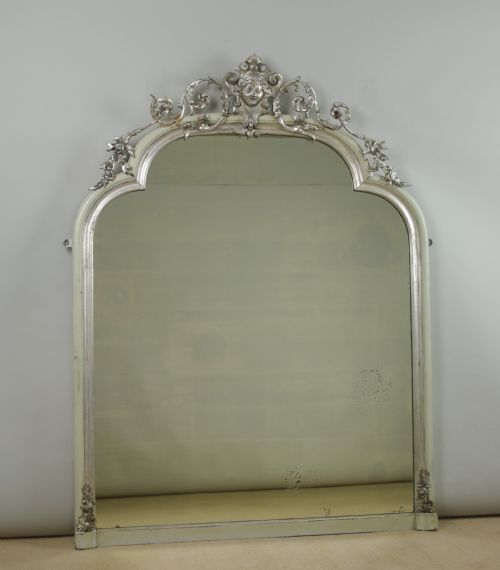
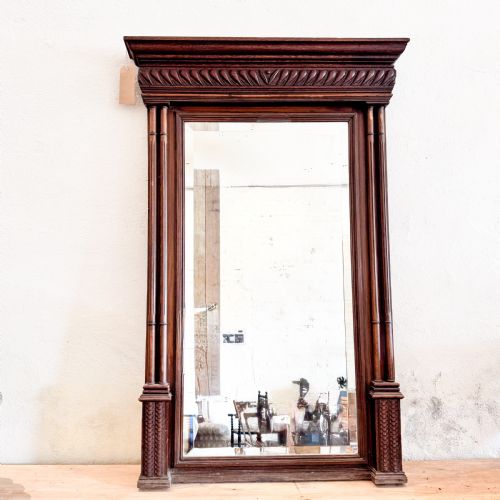
A vintage fireplace mirror encompasses substantial overmantel mirrors and wall mirrors designed to sit above a hearth, along with occasional fireplace screens. When searching for a vintage fireplace mirror, buyers encounter a dominance of nineteenth-century and early twentieth-century formats. These pieces range from large Victorian arch-top designs to Edwardian rosewood frames and later Art Deco interpretations.
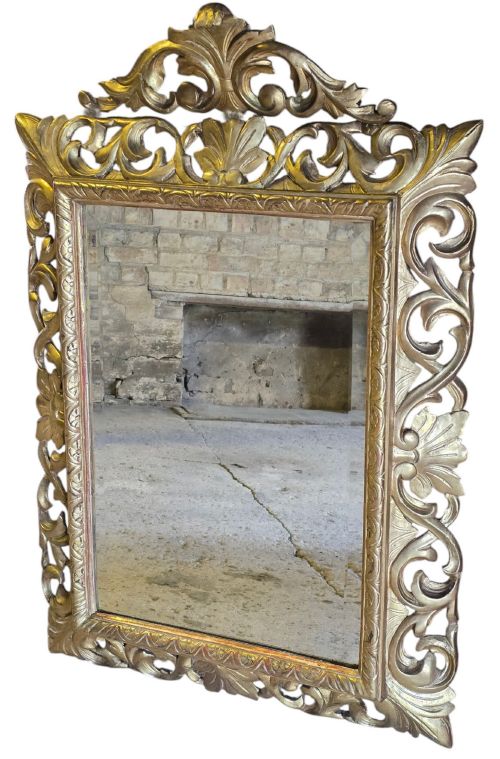
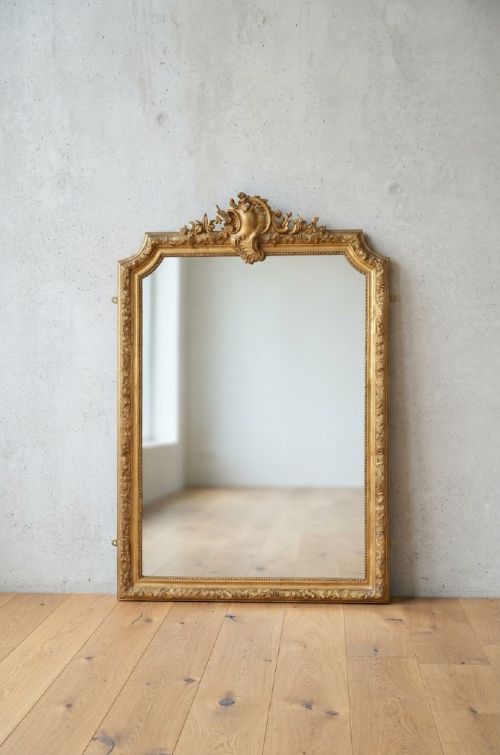
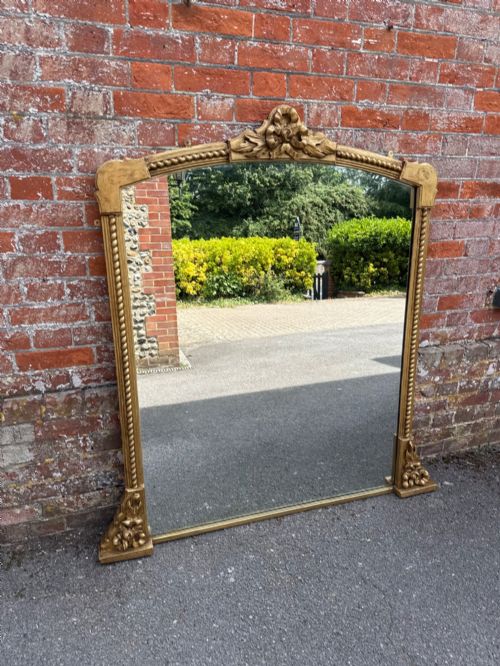
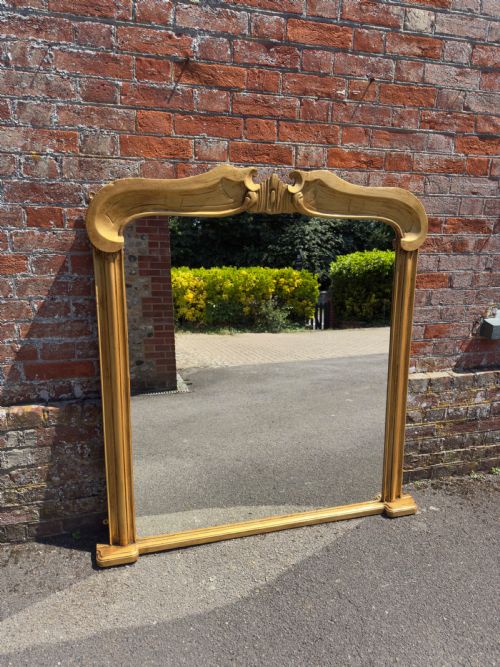
The most common version met on this page is the large gilt overmantel mirror, often featuring carved wood and gesso construction. Styles span from French Rococo Revival and Louis Philippe to Regency and Victorian, showing the enduring demand for reflective pieces that bounce light across a chimney breast.
Materials and construction
Frames rely heavily on carved wood and gesso, finished with gold leaf, giltwood, or paint to achieve ornate architectural detailing. Artisans built large structural carcasses from timber such as oak, walnut, or rosewood, sometimes applying marquetry or parcel-silvered treatments.
Mirror glass is set within these heavy frames, occasionally featuring shaped tops, arched profiles, or etched details. Later twentieth-century examples incorporate brass, peach coloured glass, and sunburst motifs suited to Art Deco aesthetics.
Vintage Fireplace Mirror Retail Price Guide 2026
Typical asking prices for vintage fireplace mirror among the pieces listed under this phrase on Sellingantiques today, from the lower quarter to the upper quarter. They describe what is for sale here now, not the wider market.
Listings span periods from the Regency era through the Victorian epoch and into Art Deco, using materials like giltwood, rosewood, and peach coloured glass.
Judging the range
Quality separates the finely carved, substantial statement pieces from simpler utilitarian frames through the depth and crispness of the gesso and wood ornamentation. Superior examples display harmonious proportions across large dimensions, maintaining structural integrity despite the immense weight of the glass.
The finish also dictates the hierarchy, with genuine gold leaf and layered paint palettes showing superior ageing compared to flatter, less nuanced modern interventions. Original mirror glass with authentic foxing often accompanies the higher tier of nineteenth-century frames.
The Vintage Fireplace Mirror Glossary
- Overmantel mirror
- A large mirror specifically proportioned to hang on the wall above a mantelpiece or fireplace.
- Gesso
- A plaster-like mixture applied to wood frames and carved or moulded into intricate decorative motifs before gilding.
- Arch top
- A frame style featuring a curved upper section, very common in nineteenth-century mantel mirrors.
- Cartouche
- An ornamental frame resembling a scroll or paper sheet with rolled edges, frequently seen in French revival designs.
- Fire screen
- A decorative barrier placed in front of a fireplace when not in use, sometimes incorporating mirror glass.
Vintage Fireplace Mirror: Frequently Asked Questions
How do I hang a heavy overmantel mirror?
These substantial pieces require secure wall fixings anchored directly into masonry or heavy studwork to support their considerable weight.
Professional installation is recommended because the combination of thick timber frames and large glass panels creates significant downward pressure.
What is the difference between an overmantel and a wall mirror?
An overmantel mirror is specifically designed in width and proportion to sit comfortably above a fireplace mantel.
Standard wall mirrors lack this deliberate horizontal emphasis and are scaled for general room placement rather than chimney breast architecture.
Are these mirrors suitable for modern interiors?
The grand scale and reflective qualities of these pieces provide a dramatic focal point that contrasts sharply with minimalist contemporary spaces.
Placing one above a modern fireplace or floating sideboard immediately introduces historical depth and expands perceived room volume.
How do I identify a Victorian mirror?
Victorian examples frequently display heavy giltwood frames, arched tops, and elaborate gesso mouldings influenced by Rococo revival tastes.
Construction details on the reverse, such as aged pine backboards and hand-forged fixings, typically confirm nineteenth-century origins.