

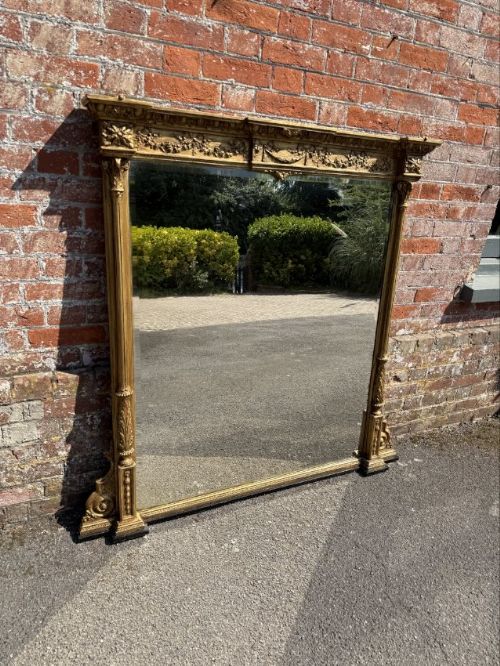
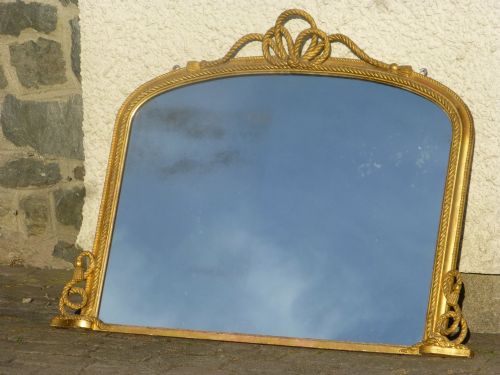
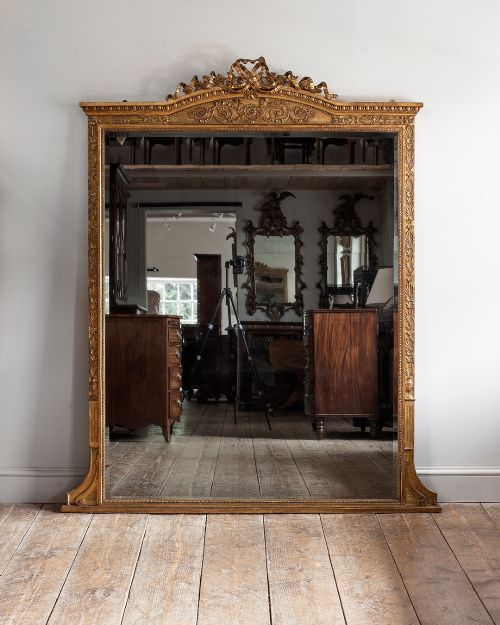
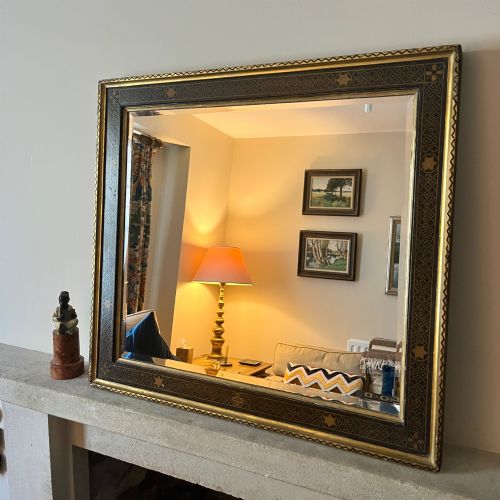

Traditional Gilded Mirror
A traditional gilded mirror brings warmth and reflective depth to a room through centuries-old craftsmanship.
What a traditional gilded mirror is
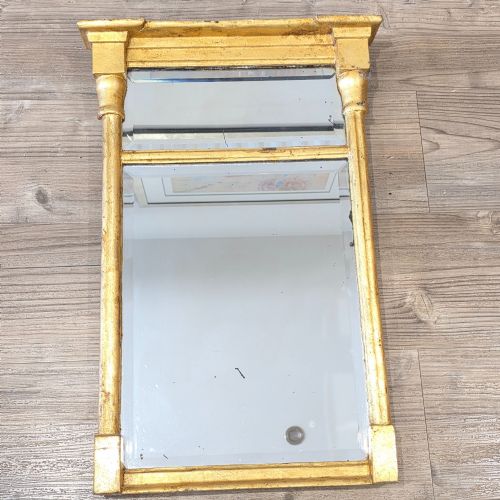
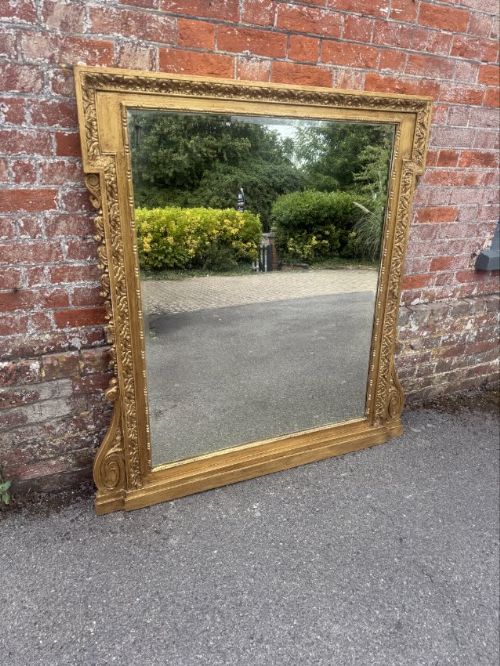
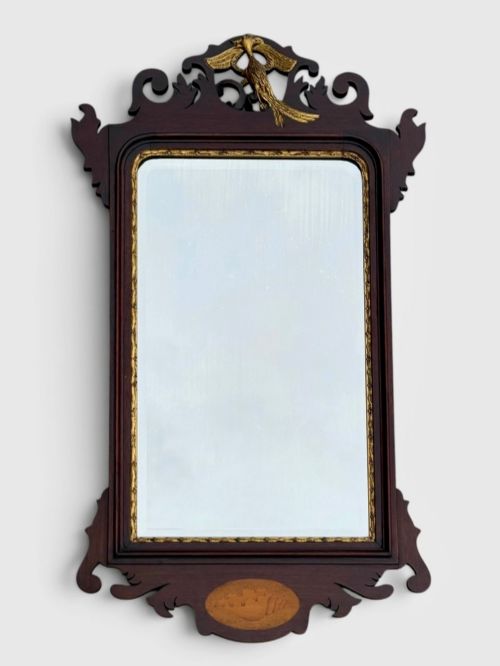
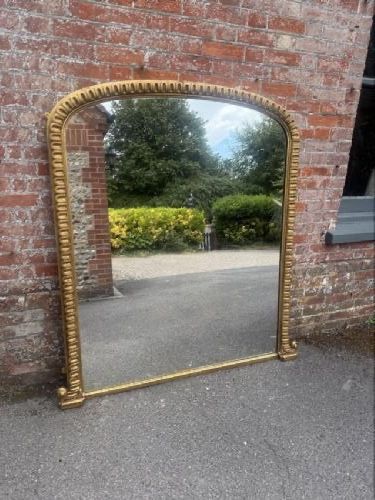
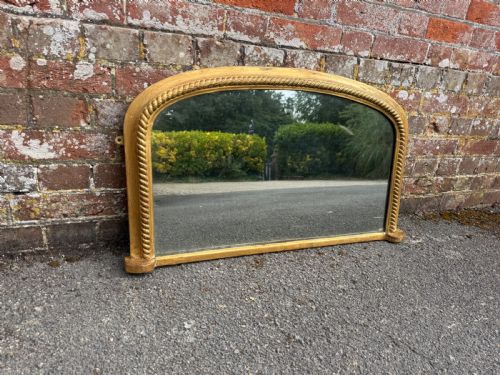
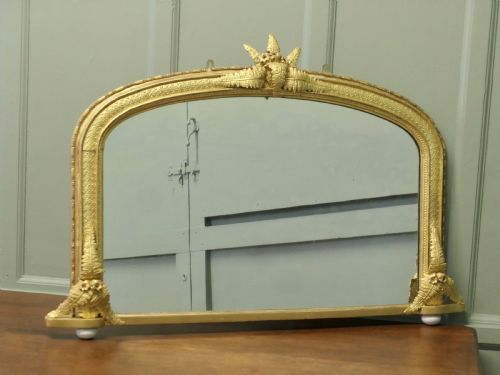
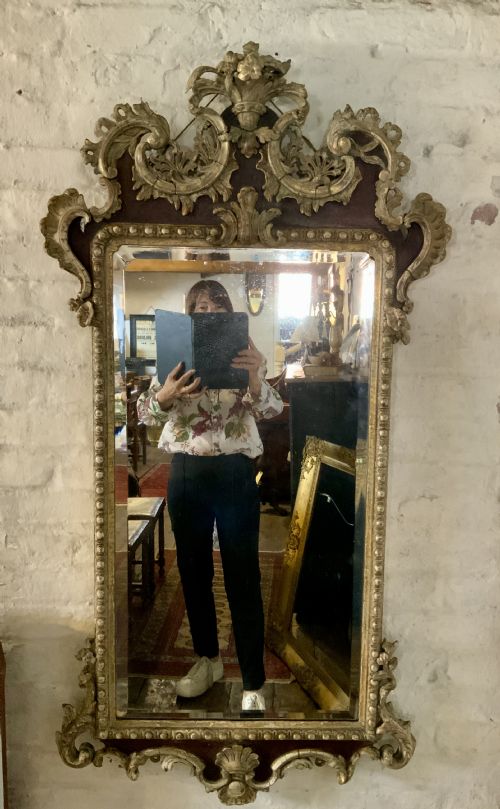
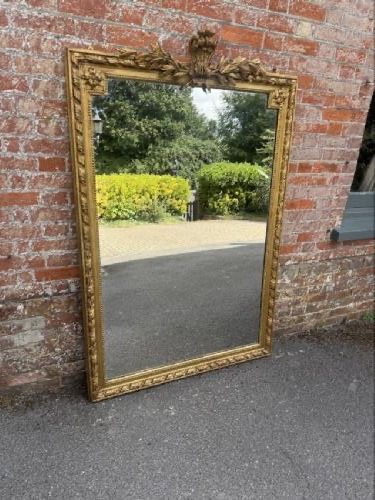
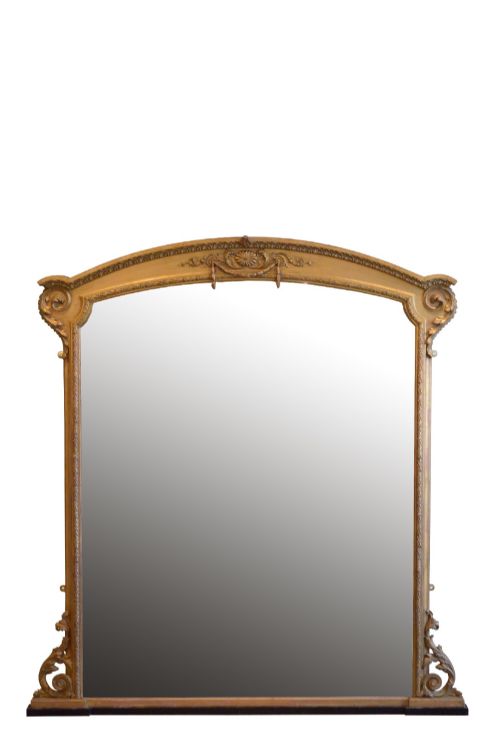
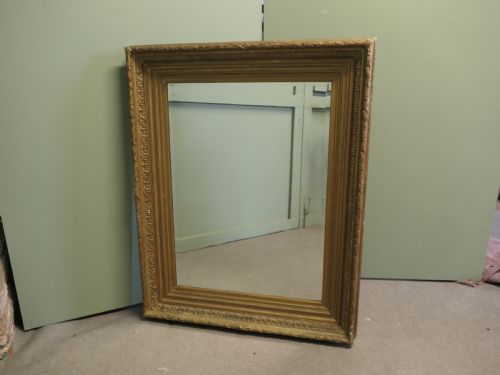
A traditional gilded mirror stands as a central decorative focus within nineteenth-century interiors, taking the form of substantial overmantels, tall rectangular wall pieces, and pier mirrors. These items arrive in distinct regional flavours, spanning English nineteenth-century designs and French nineteenth-century examples.
Buyers browsing this selection most frequently encounter nineteenth-century overmantel mirrors featuring arched or shaped tops. These large formats were originally built to sit above fireplaces, reflecting light and expanding the visual dimensions of the parlour.
How they were made
Makers constructed the foundational framework using carved wood, applying layers of gesso and composition over the timber substrate to build up decorative relief details and mouldings. Artisans then applied gold leaf to these prepared surfaces, creating a brilliant metallic finish.
The optical component relies on original mirror glass, which frequently exhibits the subtle foxing, speckling, and gentle distortions characteristic of nineteenth-century production methods.
Retail Price Guide 2026
Typical UK retail prices for traditional gilded mirror, calculated from the Sellingantiques database of over a million retail prices indexed since 2003. This retail price guide relies exclusively on Sellingantiques data; no external sources or auction records are used, so the figures do not describe the wider market.
The selection spans the nineteenth century, featuring Victorian, Regency, and George II style pieces in giltwood and gesso.
What varies in quality
Quality reveals itself in the crispness of the carved wood and gesso ornamentation, where deeper relief and sharper floral or scroll motifs indicate a higher grade of workshop production. Finer examples maintain the integrity of their original gilding without heavy overpainting.
Proportion and scale dictate the visual success of each piece, distinguishing monumental architectural overmantels from simpler domestic wall mirrors. The depth of the frame profile and the complexity of the shaped top further separate standard utility pieces from masterworks of the period.
The Traditional Gilded Mirror Glossary
- Gesso
- A plaster-like mixture applied to wooden frames as a smooth base for gilding. This substance allows craftsmen to carve intricate relief decoration before applying gold leaf.
- Giltwood
- Timber that has been decorated with gold leaf or gold powder. This material provides the characteristic luminous metallic sheen found on nineteenth-century frames.
- Overmantel mirror
- A large horizontal mirror designed specifically to sit above a fireplace mantelpiece. These pieces often feature arched tops to fit architectural spaces.
- Pier mirror
- A tall, narrow mirror traditionally hung on the solid section of wall between two windows. This placement maximises natural light within a Victorian reception room.
- Composition
- A moulded mixture of whiting, resin, glue, and oil pressed into shape and applied to the wooden frame. It creates decorative details more rapidly than hand-carving.
Frequently Asked Questions
Where should I hang a large overmantel mirror?
These pieces traditionally anchor the space directly above a fireplace, reflecting the room and drawing the eye upward.
They also function effectively on main reception room walls when securely fixed to handle the substantial weight.
How do I identify a Victorian gilded mirror?
Look for characteristic nineteenth-century styles such as French Rococo Revival or George II style influences.
The use of carved wood, gesso, and original mirror glass provides clear physical markers of the period.
What is the difference between giltwood and gold leaf?
Gold leaf is the extremely thin material applied to the surface, whereas giltwood describes the finished wooden object itself.
Craftsmans apply the leaf over a prepared gesso layer to achieve the final metallic appearance.
Can these mirrors be cleaned safely?
Dust the gilded frame gently with a soft, dry brush to protect the delicate composition and gold leaf layers.
Clean the glass sparingly with a mild solution, taking care to avoid letting moisture seep behind the frame edges.