


Vintage Hallway Mirror
These vintage hallway mirror pieces offer practical reflection and period character, bringing warmth and depth to entrance spaces.
What vintage hallway mirror examples include
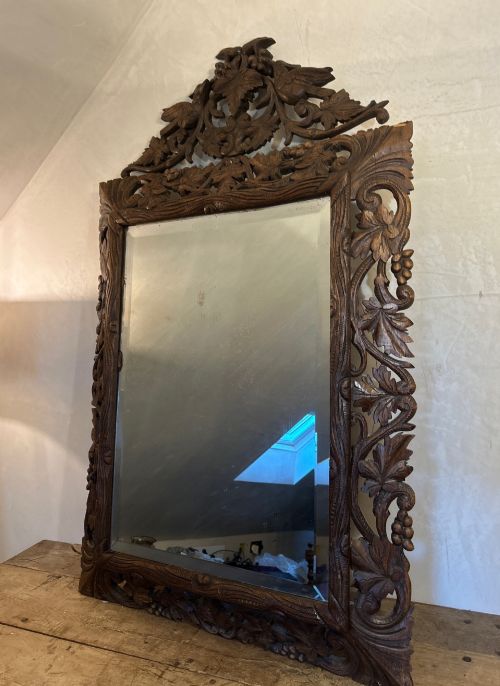
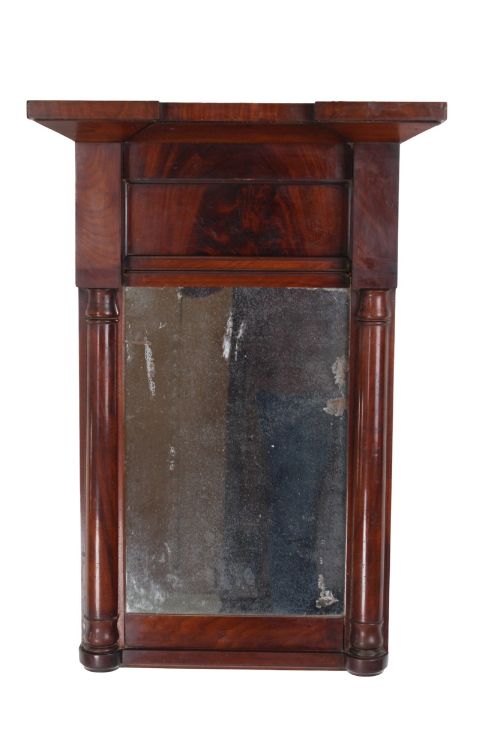
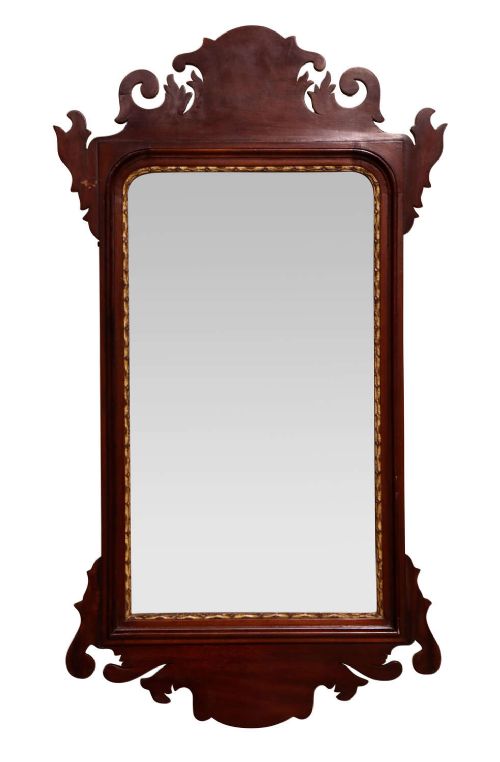
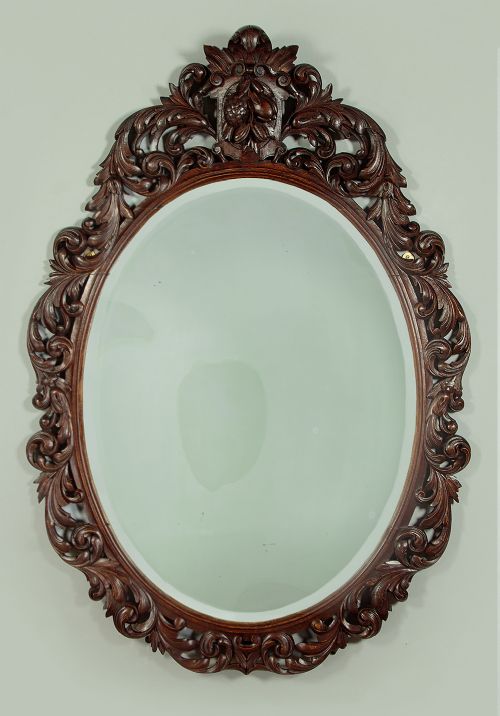
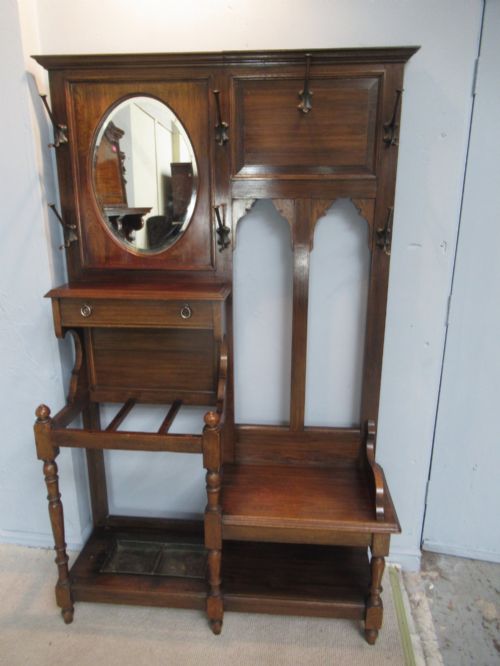
A vintage hallway mirror brings period character to entrance spaces through varied wall-mounted forms. Buyers search for these pieces to add light and utility to compact passageways.
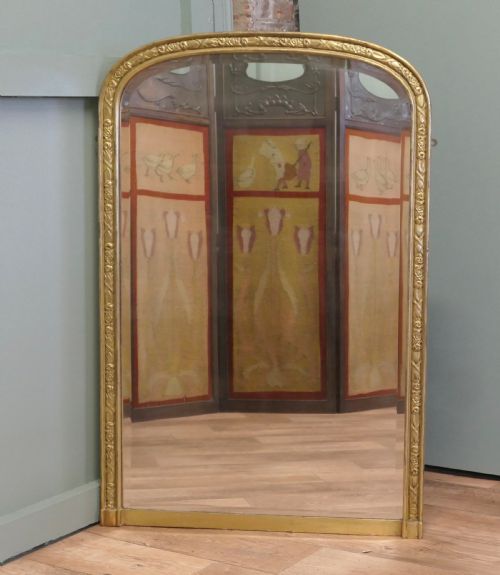
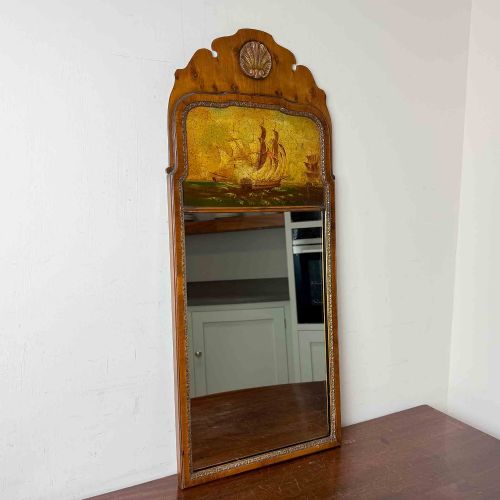
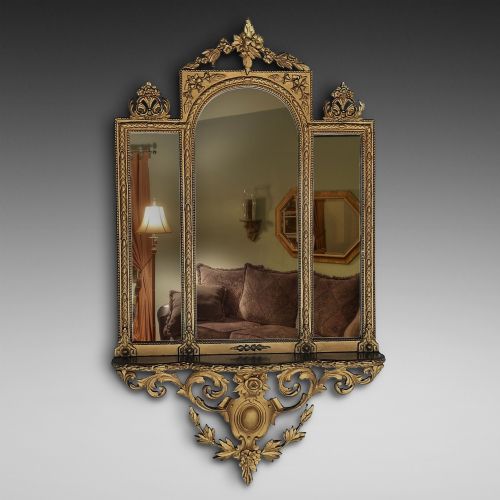
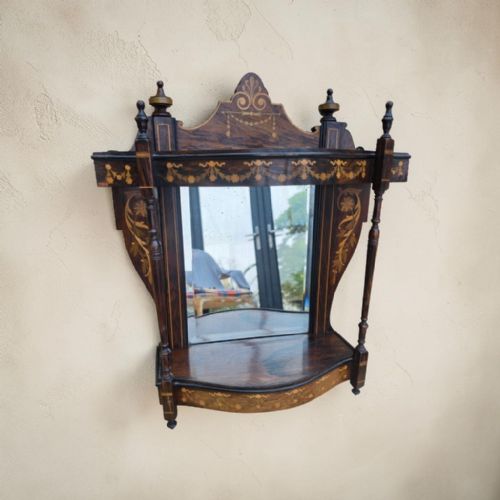
Examples include pier mirrors and painted wood finishes alongside small inlaid hallway designs. Each piece reflects the specific aesthetic of its manufacturing era.
Materials and construction
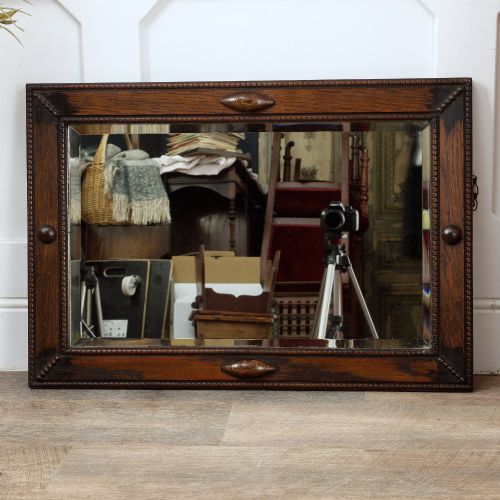
Craftsmen utilised traditional timbers including oak and mahogany for robust wall frames. Boxwood inlay adds decorative contrast to selected timber surfaces.
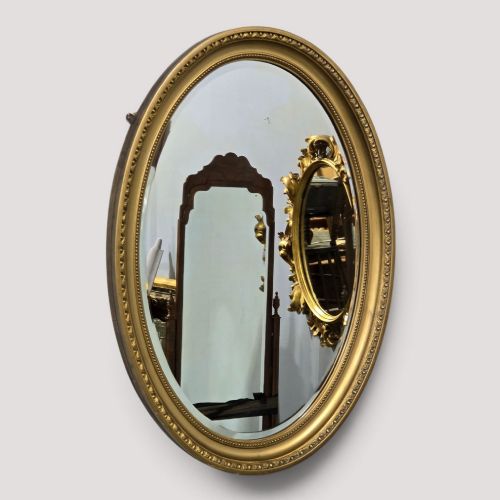
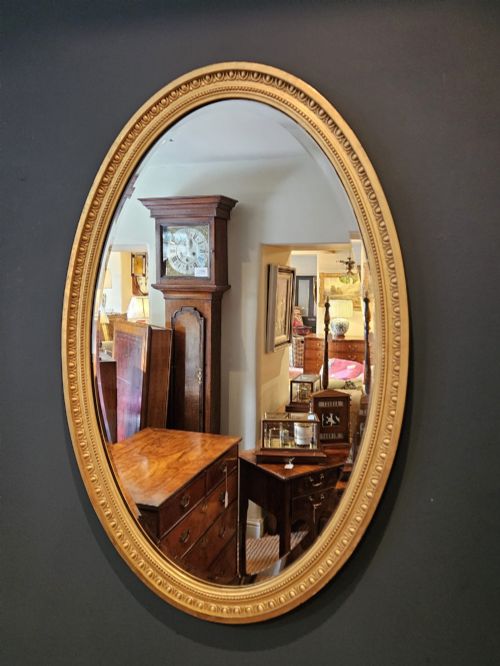
Surfaces feature painted wood alongside ornate gesso and giltwood details. Glass plates provide the reflective surface within these diverse frames.
Retail Price Guide 2026
Typical UK retail prices for vintage hallway mirror, calculated from the Sellingantiques database of over a million retail prices indexed since 2003. This retail price guide relies exclusively on Sellingantiques data; no external sources or auction records are used, so the figures do not describe the wider market.
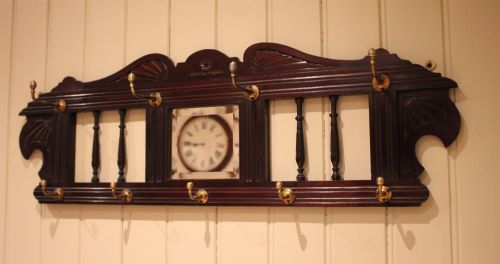
Some small hallway mirrors include tiny integrated shelves, perfect for dropping pocket change or visiting cards upon arrival.
Distinctions in quality
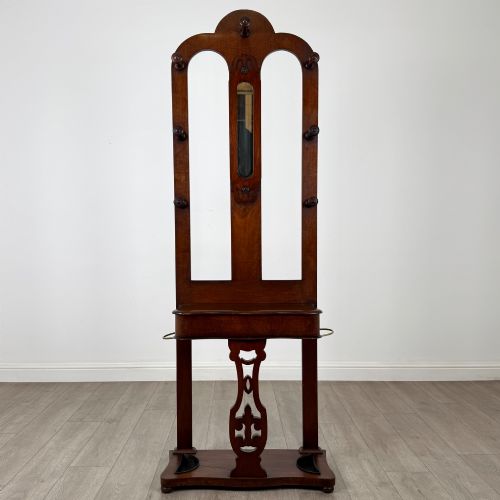
Quality rests in the finesse of the timber work and the crispness of any inlay or gesso moulding. Pieces with integrated shelves or paired formats demonstrate more ambitious workshop design.
The depth of the gilding and the preservation of original painted surfaces separate standard examples from finer items. Heavier timber construction and well-proportioned rectangular frames indicate superior physical substance.
The Vintage Hallway Mirror Glossary
- Pier mirror
- A tall mirror designed to hang on the narrow wall space between windows. These tall formats maximise light in smaller rooms.
- Giltwood
- Timber that has been coated with gold leaf or a gold-coloured finish. This technique creates a bright, reflective frame surface.
- Gesso
- A plaster-like material applied to wood and carved before gilding or painting. It allows for intricate decorative relief work on frames.
- Boxwood inlay
- Contrasting pale wood inserted into recesses in a darker timber base. This creates geometric or floral patterns on the frame.
Frequently Asked Questions
Where should I hang a vintage hallway mirror?
Hang the mirror at eye level to ensure it functions practically for checking appearance before leaving the house.
Position it opposite a light source to bounce illumination down narrow passageways.
How do I identify a Victorian mirror?
Victorian pieces often feature heavy gesso and giltwood decoration or painted wood surfaces.
Construction details and traditional timber choices like mahogany point to this nineteenth-century origin.
Are these mirrors heavy to mount?
Weight varies depending on whether the frame utilises solid oak, mahogany, or lighter painted wood.
Larger rectangular examples and giltwood pieces require secure wall fixings to support their substantial mass.
What styles are available?
The selection includes Victorian, Edwardian, and Art Deco aesthetics.
Forms range from simple rectangular oak frames to inlaid designs with integrated shelving.