


Dark Oak Mirror
A dark oak mirror brings deep grain and substantial presence to an interior, grounding a room with centuries of timber and glass.
Dark Oak Mirror
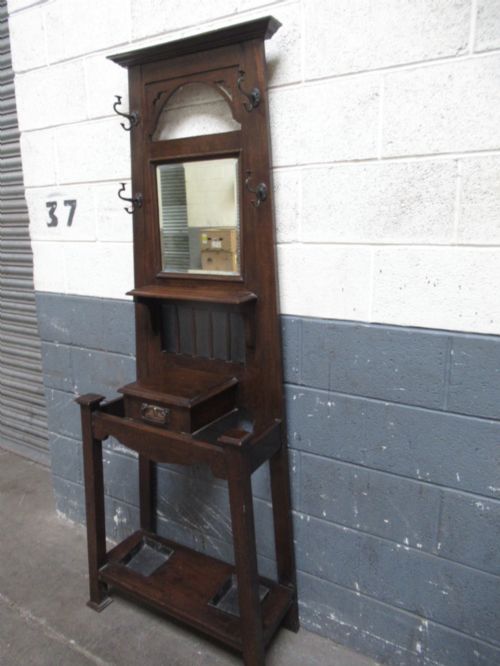
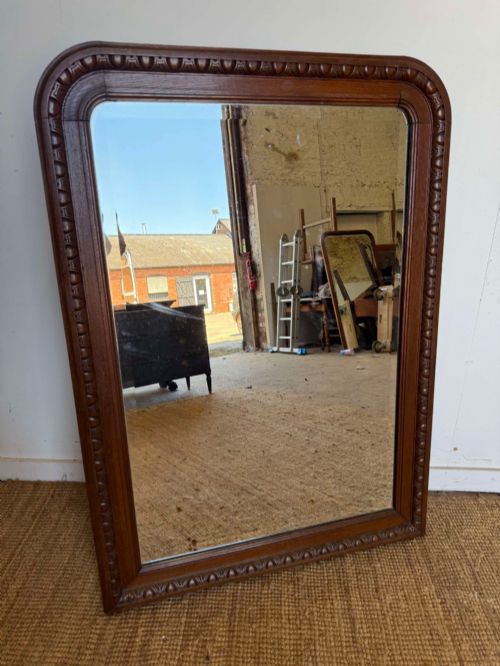
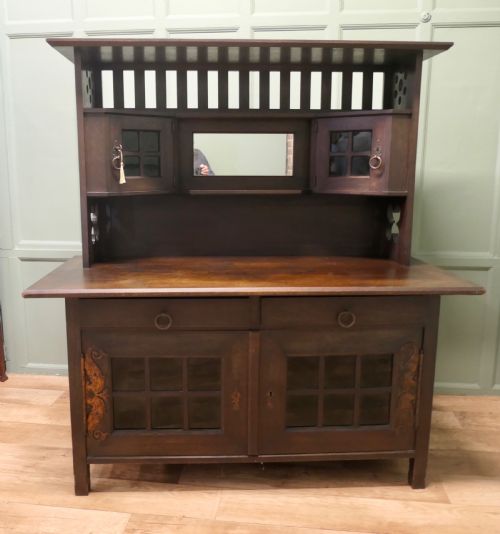
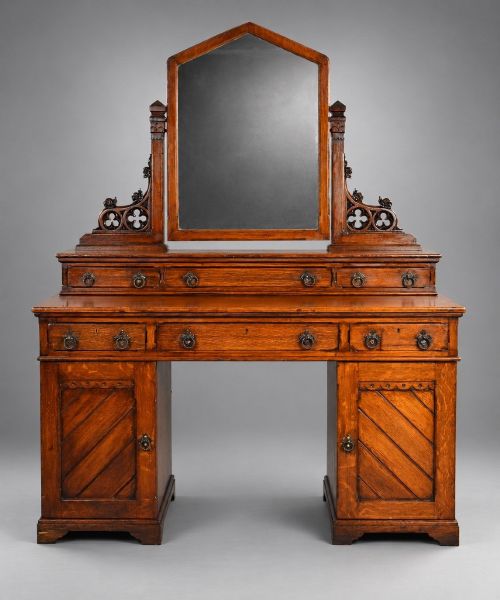
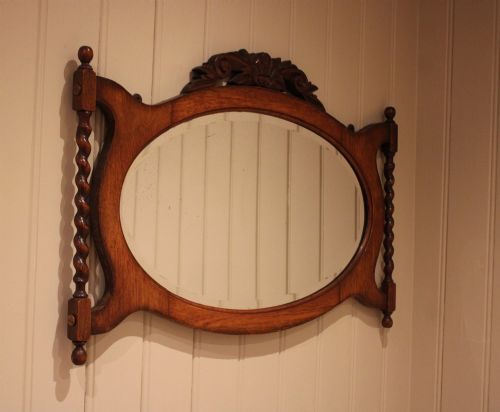
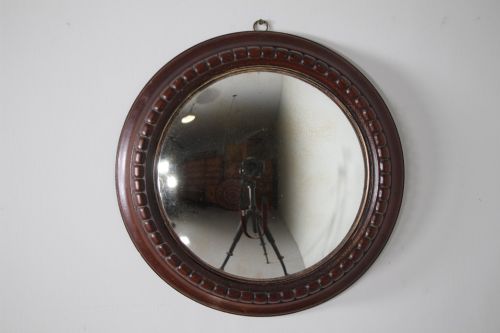
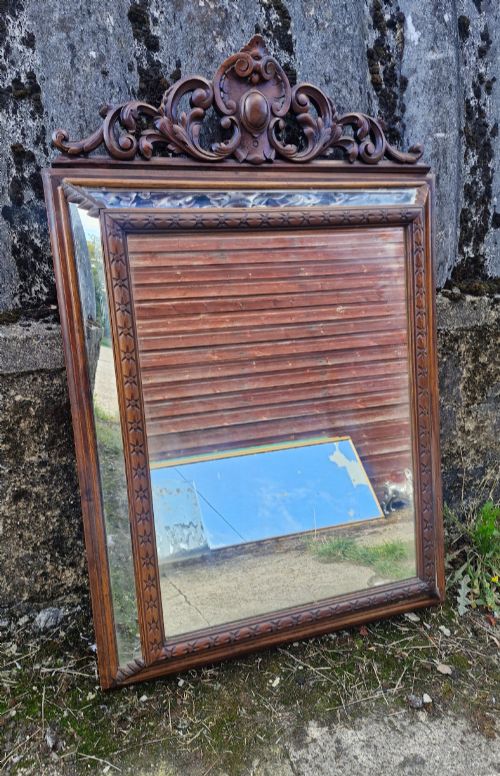
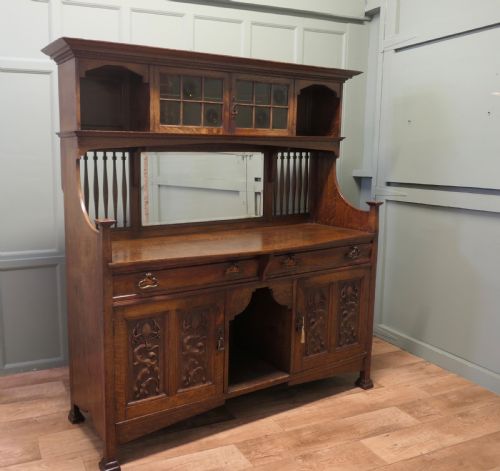
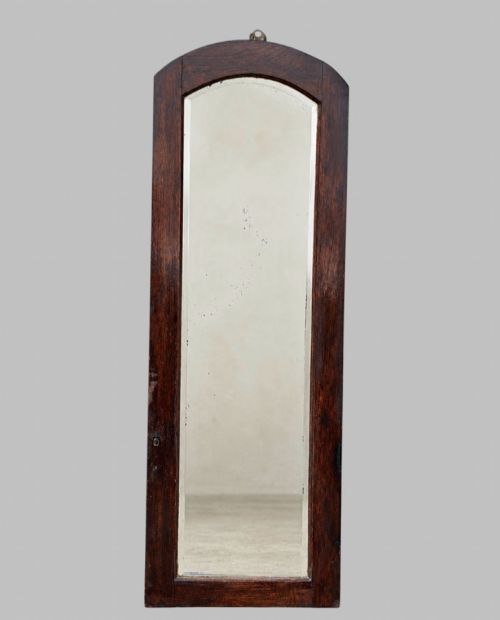
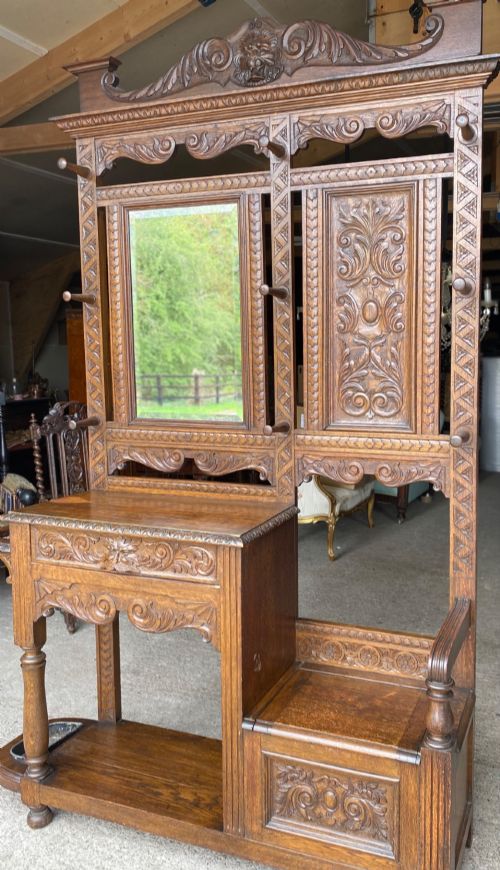
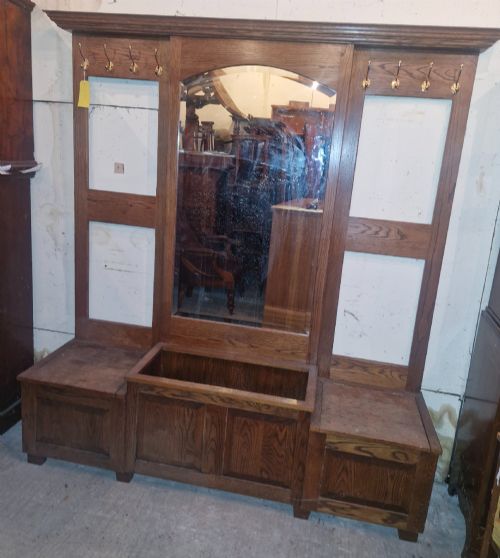
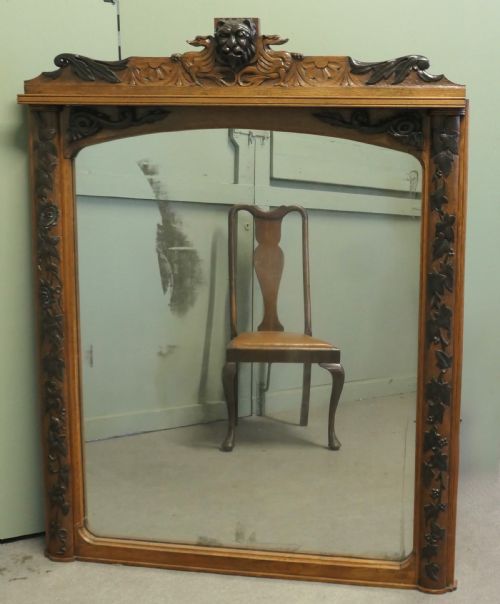
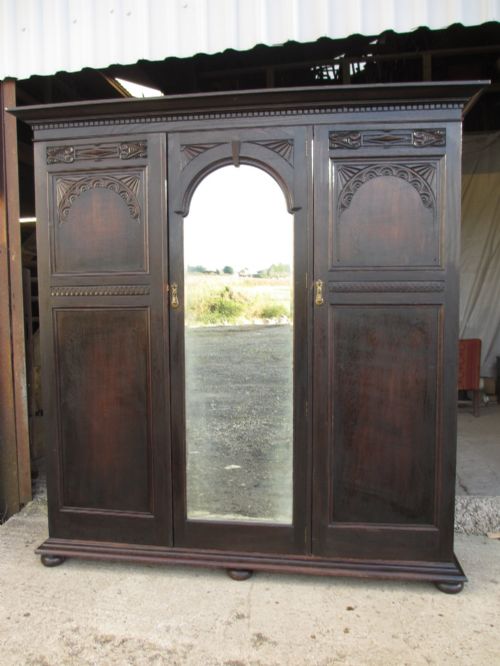
A dark oak mirror is essentially a wall or overmantel glass set within a sturdy timber frame, often displaying deep brown tones developed over generations. When searching for a dark oak mirror, a buyer encounters wall-hanging variants, overmantels designed for fireplaces, and the mirror backs of larger hall stands and sideboards.
The pieces span periods from the nineteenth century into the twentieth, taking shape through Victorian, Edwardian, and Arts and Crafts movements. Many show regional British or continental European origins, leaning into revivalist aesthetics such as Gothic, Jacobean, or French Renaissance.
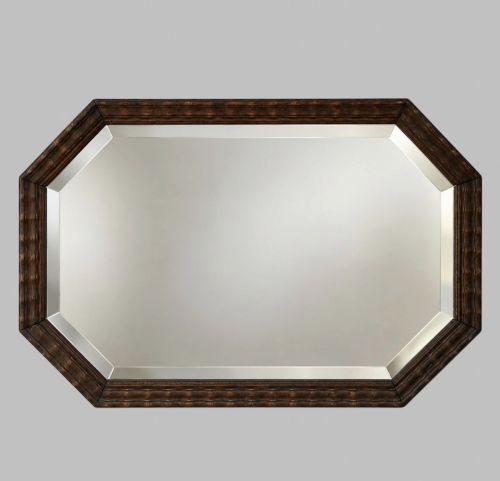
Most examples meet the eye as rectangular, arched, or oval wall mirrors, frequently fitted with bevelled glass. They serve practical roles in hallways, bedrooms, and living spaces while introducing solid craftsmanship from past eras.
Materials and construction
Makers utilised solid oak for the heavy frames and structural supports, shaping the timber through sawing, planing, and hand-chiselling. The wood received dark stains, waxes, or oils to accentuate the natural medullary rays and grain patterns inherent to mature oak.
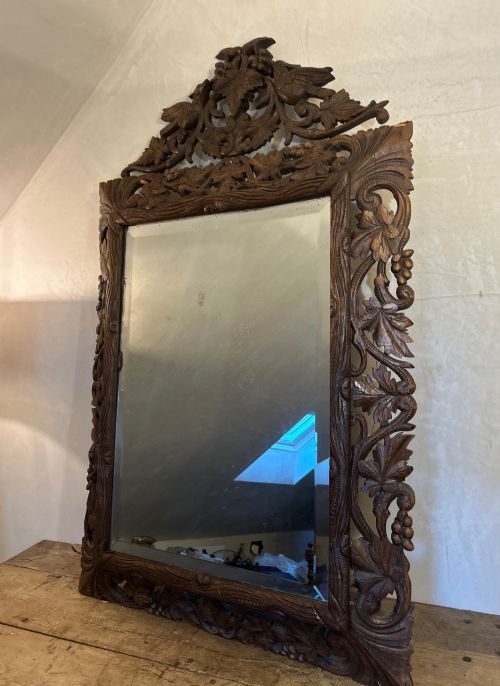
Carving formed a central technique, with artisans executing intricate strapwork, foliate motifs, and figural details directly into the solid wood. Brass fixtures, metal brackets, and iron coat hooks frequently integrated into pieces that doubled as hall stands or umbrella racks.
Glass was cut and silvered before undergoing bevelling along the edges, a process that created an angled border to catch the light. Secure backing boards, often held by primitive panel pins or wooden slips, protected the silvered reverse of the mirror plate.
Dark Oak Mirror Retail Price Guide 2026
Typical asking prices for dark oak mirror among the pieces listed under this phrase on Sellingantiques today, from the lower quarter to the upper quarter. They describe what is for sale here now, not the wider market.
Listings feature solid oak frames paired with bevelled glass, spanning Victorian, Edwardian, and Arts and Crafts periods.
Evaluating craftsmanship and depth
Quality rests upon the crispness of the hand-carved ornamentation and the depth of the timber selection. Superior pieces display fluid, deeply undercut foliage or figures carved directly from the frame, whereas lesser examples rely on applied machine-moulded details or shallow incisions.
The integration of the glass plate dictates overall refinement, with heavier bevelled edges and thick, clear mirror plates marking the upper tier of production. Structural joinery, such as pegged mortise and tenon joints in the frame corners, separates utilitarian items from workshop-commissioned pieces.
Waring & Gillow
The Dark Oak Mirror Glossary
- Bevelled glass
- Glass with an edge ground and polished to an angle thinner than the rest of the plate. This technique creates a prismatic border that catches and refracts light.
- Overmantel mirror
- A large mirror designed to hang directly above a mantelpiece or fireplace. These pieces often feature extended horizontal proportions and architectural framing.
- Hall stand
- A multi-functional hallway furnishing incorporating a mirror, coat hooks, umbrella wells, and sometimes a bench seat. They organise entryways using solid timber construction.
- Medullary ray
- A cellular ribbon radiating outward from the centre of a tree trunk, visible as pale flecks or tiger-stripes across quartersawn oak surfaces. This feature authenticates genuine oak furniture.
- Green Man
- A sculptural architectural motif depicting a human face disgorged from foliage or entirely made of leaves. It symbolises rebirth and appears frequently in nineteenth-century carved woodwork.
Dark Oak Mirror: Frequently Asked Questions
How do I hang a heavy oak mirror?
Heavy timber frames require wall fixings anchored directly into masonry or substantial timber studs behind plaster. A sturdy metal batten or heavy-duty D-rings screwed securely into the oak frame ensure the weight distributes safely.
Avoid relying on modern picture wire for exceptionally large pieces. Direct wall brackets supporting the bottom edge provide additional security.
Where should I place a dark oak mirror?
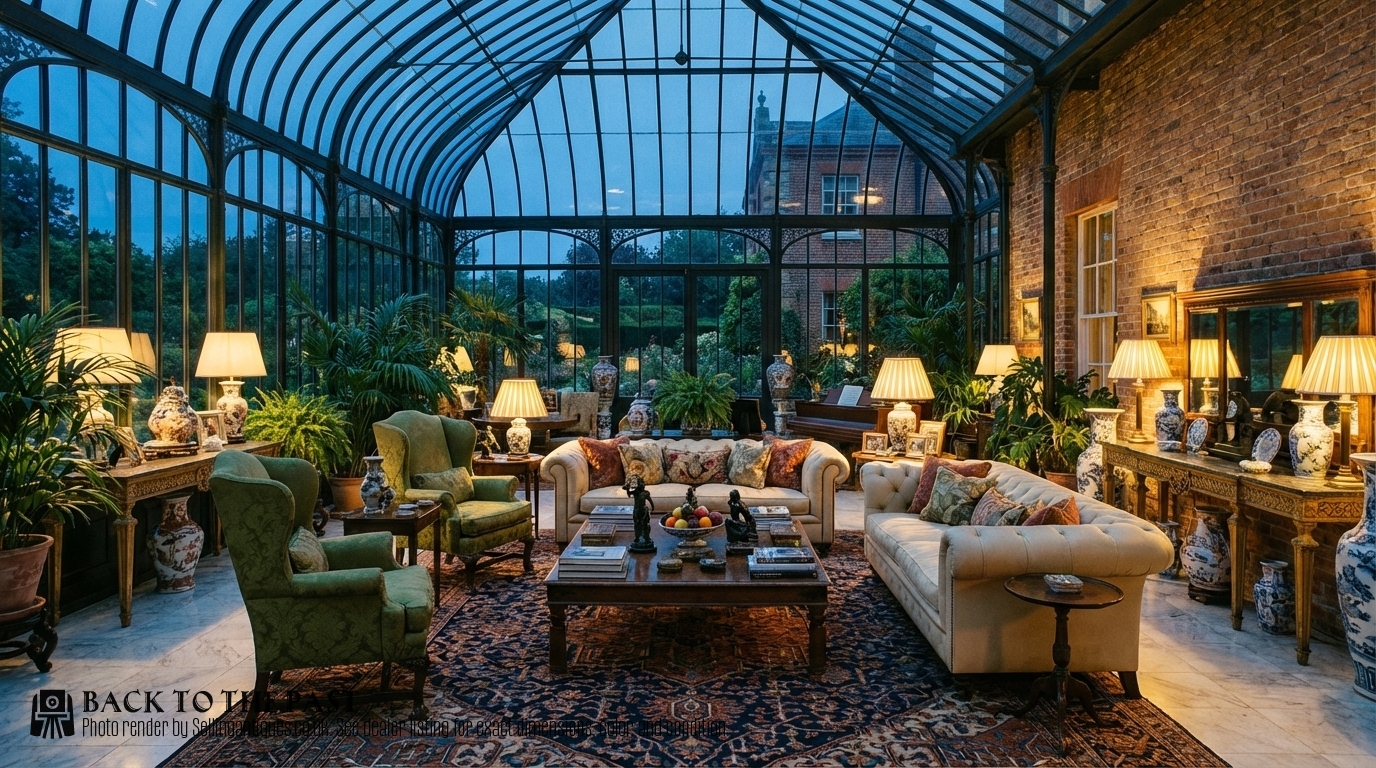
These mirrors suit hallways, living rooms above fireplaces, and dining spaces where their deep wood tones anchor the decor. Placing them opposite a window maximises natural light reflection within darker rooms.
Keep them away from direct, harsh sunlight and damp environments to protect both the timber finish and the silvered glass backing.
How do I clean antique oak and mirror glass?
Dust the carved wooden frame gently with a soft, dry cloth to prevent dirt accumulation in the recesses. Apply a quality beeswax sparingly to nourish the oak when the grain appears dry.
Clean the glass with a mild glass cleaner applied to a cloth rather than sprayed directly, preventing moisture from seeping behind the frame edges and damaging the silvering.
How can I tell Victorian from Edwardian mirrors?
Victorian dark oak mirrors typically showcase heavier, more elaborate carvings influenced by Gothic or Renaissance revivals, often featuring dense foliage or figural motifs. The timber tends to be extremely dark and solid.
Edwardian pieces often lighten slightly in tone and adopt cleaner Arts and Crafts lines, sometimes featuring simplified strapwork or copper hinges alongside the oak frame.