


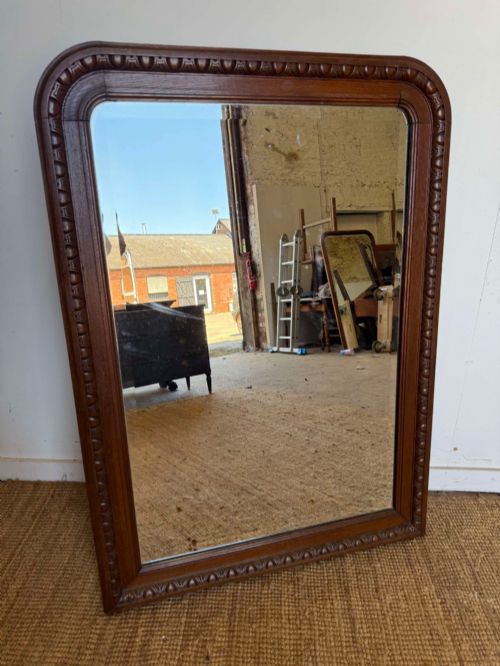
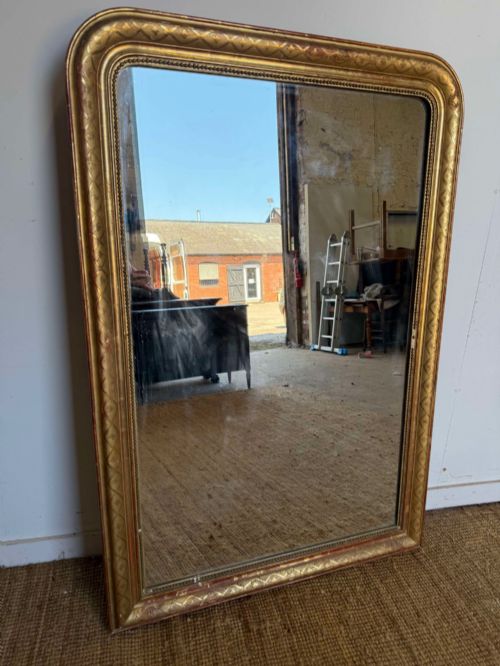
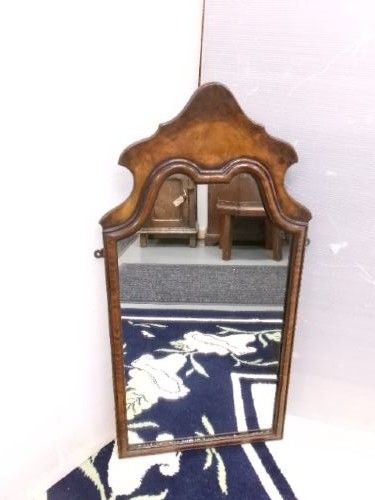
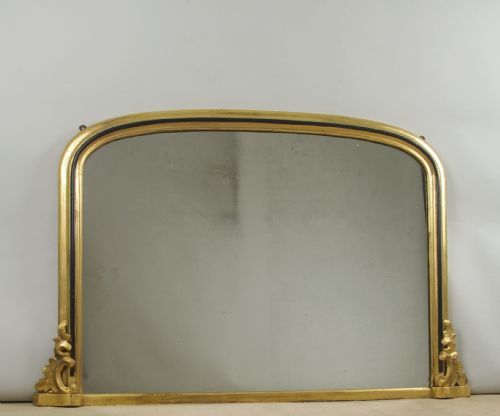
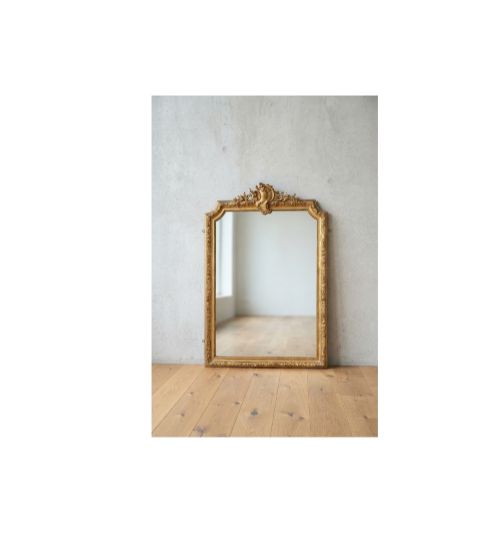
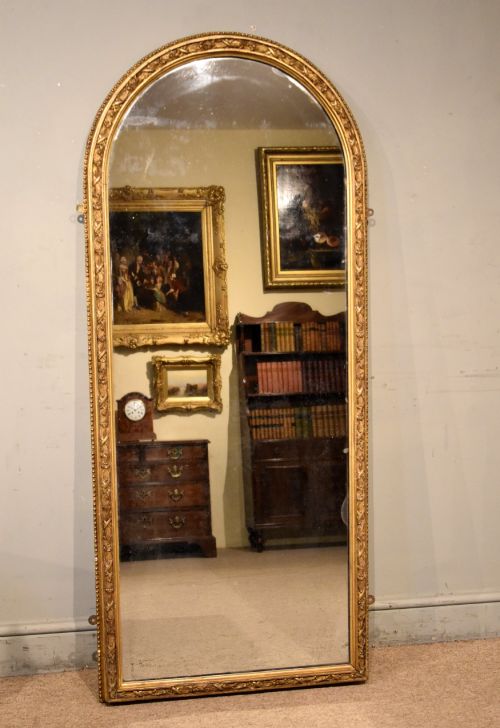
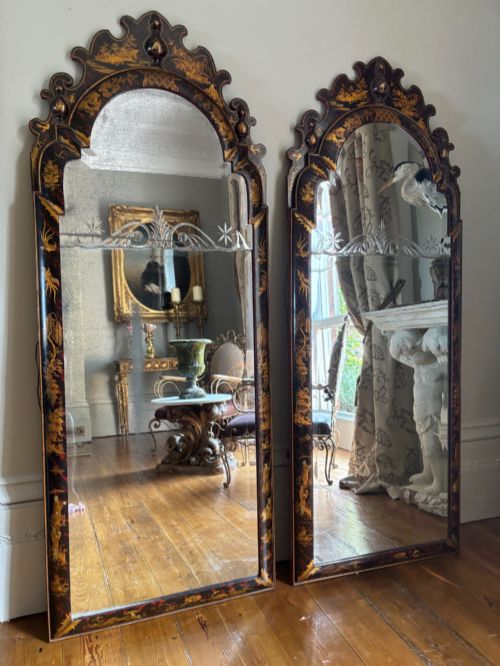
Arched Wall Mirror
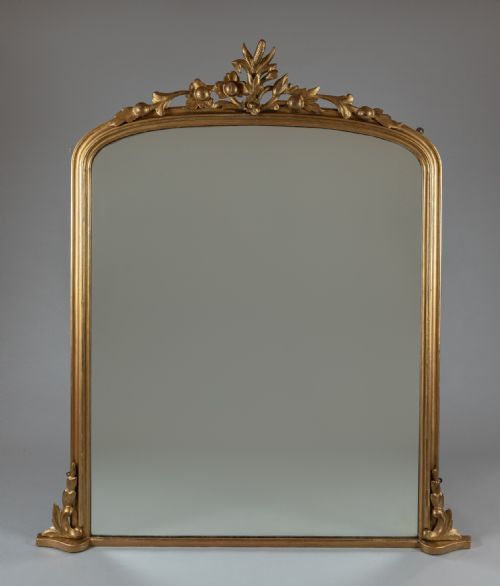
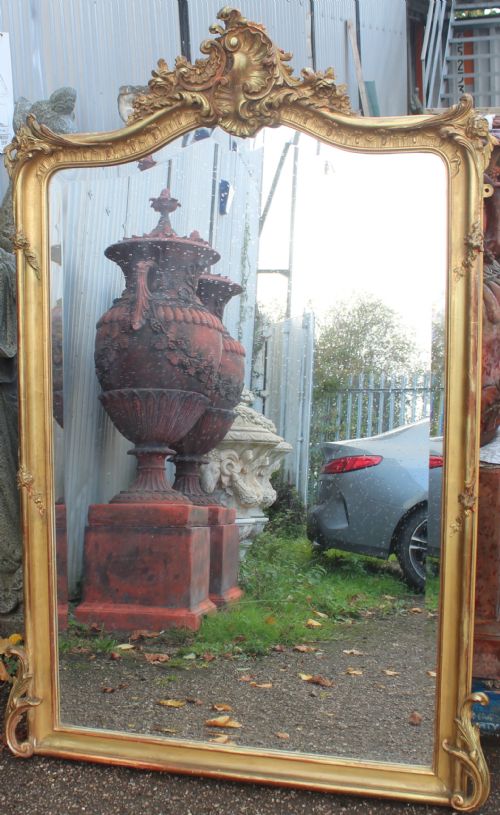
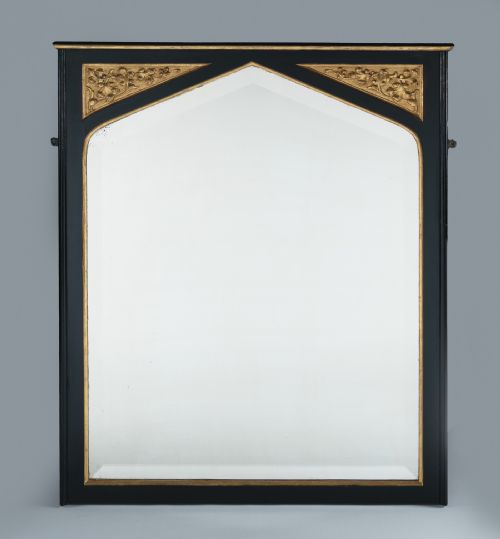
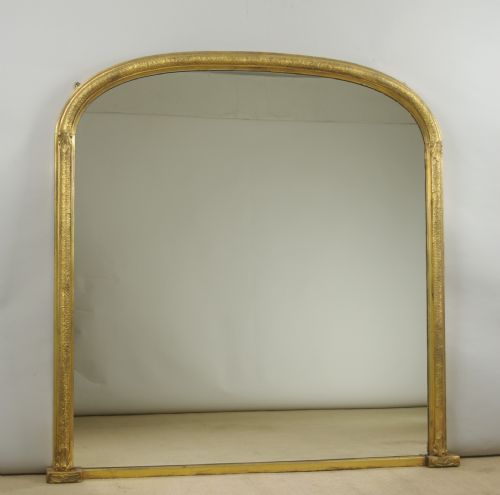
When choosing an arched wall mirror, collectors seek functional architectural presence through period frames finished in giltwood, carved gesso and painted timber.
Arched Wall Mirror
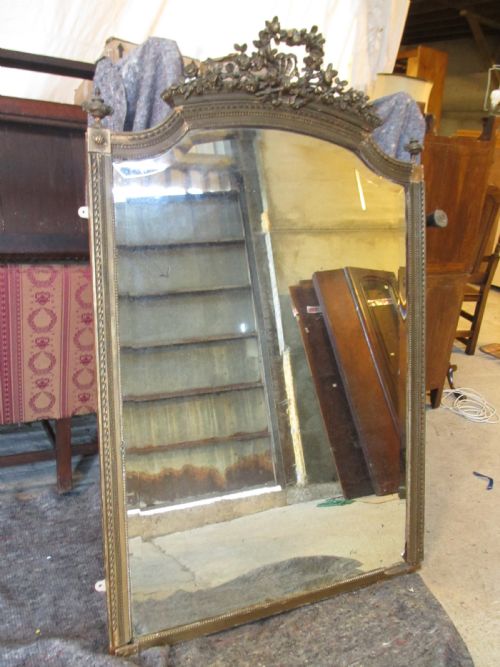
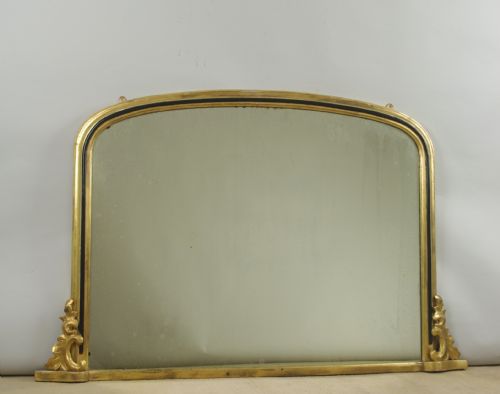
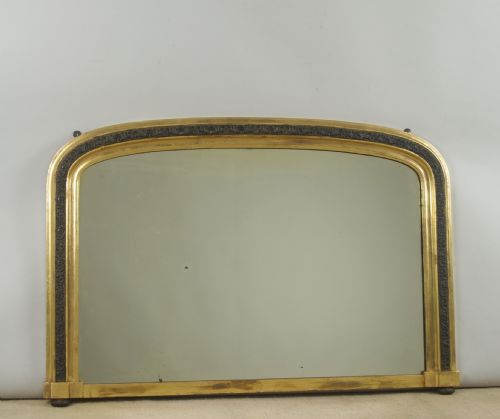
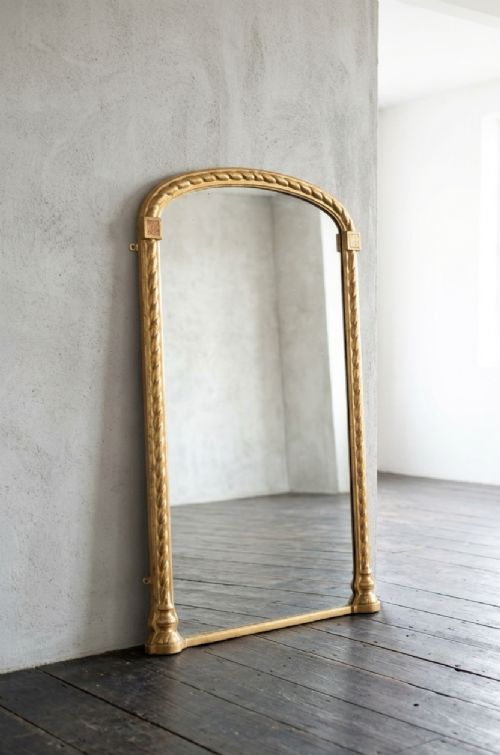
The search for an arched wall mirror reveals tall overmantels, pier glasses and decorative wall-hung plates spanning the Georgian, Victorian and early twentieth-century periods. French Louis Philippe, provincial and nineteenth-century English gilt designs dominate the selection, bringing curved upper profiles designed to soften straight architectural lines.
Overmantels form a major category within these listings, shaped to sit low above a fireplace or mounted as full-height vertical statements. Pieces range from heavily carved gesso crested frames to restrained oak and walnut mouldings from the nineteenth and early twentieth centuries.
How they were made
Frames rely on carved wood foundations built from pine, oak, walnut or mahogany, coated in layers of gesso to receive intricate mouldings and applied ornamentation. Artisans then applied gold leaf, silver or painted palettes over the prepared gesso surfaces to achieve the desired reflective warmth.
Mirror plates of the period include both bevelled glass and traditional mercury glass featuring characteristic foxing and age spots. Heavy wooden backing boards secured with original fixings typically protect the glass plates within these large wall-hung frames.
Arched Wall Mirror Retail Price Guide 2026
Typical asking prices for arched wall mirror among the pieces listed under this phrase on Sellingantiques today, from the lower quarter to the upper quarter. They describe what is for sale here now, not the wider market.
Some nineteenth-century makers snuck nautical rope-twist carvings into formal drawing rooms just to see if the gentry were paying attention.
What varies in quality
Quality rests in the crispness of the carved gesso ornament and the depth of the original gilding or layered paintwork. Pieces retaining their early or original mirror plates show superior integrity compared to those with modern replacements.
Proportion and scale dictate the visual success of the piece, with heavier rope-twist, tulip or ribbed frames demonstrating greater sculptural ambition from the maker's hand.
The Arched Wall Mirror Glossary
- Overmantel mirror
- A wide mirror designed specifically to be hung on the wall directly above a fireplace mantelpiece. These often feature low profiles and substantial horizontal or arched widths.
- Gesso
- A plaster-like mixture applied to wooden frame foundations as a smooth base for gilding or painting. Deeply modelled gesso allows for crisp floral and architectural mouldings.
- Pier mirror
- A tall, narrow mirror traditionally hung on the pier wall between two windows. Their vertical proportions maximise light in nineteenth-century interiors.
- Foxed glass
- Mirror glass displaying aged dark spots, mottling and silver degradation caused by chemical breakdown over centuries. Collectors prize authentic foxing for its atmospheric reflection.
- Louis Philippe
- A French mid-nineteenth-century style characterised by plain mahogany or gilt frames with softly rounded upper corners. The aesthetic balances neoclassical restraint with domestic warmth.
Arched Wall Mirror: Frequently Asked Questions
Where should an arched wall mirror be hung?
These pieces sit naturally above a fireplace mantelpiece or function as primary wall anchors in hallways and reception rooms. Their vertical curve draws the eye upward, making them effective for increasing perceived ceiling height.
Ensure wall fixings are rated for substantial weight, particularly when mounting large Victorian giltwood overmantels or tall French pier glasses.
How do I identify a Victorian mirror?
Victorian examples frequently utilise heavy carved wood and gesso frames finished in thick gold leaf, often featuring rope twist, ribbed or crested motifs. They tend to be substantial in weight and scale compared to lighter Georgian or Louis Philippe counterparts.
Examining the construction of the wooden backing boards and the composition of the gesso helps confirm nineteenth-century production.
What is Louis Philippe style?
Louis Philippe mirrors originate from nineteenth-century France and are distinguished by their simple arched tops and gentle rounded shoulders. They often feature subtle beaded or ribbed gilt frames without excessive ornamentation.
This restrained elegance allows them to integrate smoothly into both traditional and contemporary interiors.
Should I keep foxed glass?
Foxed glass shows the natural ageing of the silver backing and provides historic authenticity that modern replacements lack. Many collectors specifically seek out mirrors with original foxed mercury plates for their quiet character.
Unless the degradation completely obscures reflection, retaining the original glass preserves the historic integrity of the piece.